

Is your dog’s constant whining driving you crazy? You’re not alone.
Whining can be frustrating, but it’s also your dog’s way of asking for something. The good news is, you can teach your dog to stop whining—and enjoy a calmer, happier home. You’ll discover simple, effective steps to understand why your dog whines and how to train them to be quiet when it matters most.
Keep reading, because the peace you’ve been looking for is just a few training tips away.

Credit: pethelpful.com
Reasons Dogs Whine
Understanding why your dog whines is the first step toward teaching them to stop. Dogs use whining as a way to communicate, but the reasons behind this behavior can vary widely. Recognizing the cause helps you respond effectively and improve your dog's comfort and happiness.
Attention Seeking
Many dogs whine simply to get your attention. They learn that whining often results in petting, treats, or playtime. If your dog whines every time you’re busy, it might be their way of saying, “Notice me!”
Try giving attention only when your dog is calm. This teaches them that whining isn’t the best way to get you involved.
Anxiety And Stress
Whining can be a sign of anxiety or stress in dogs. Changes like moving to a new home, loud noises, or separation from you can trigger this behavior. Dogs may whine when they feel scared or uneasy.
Have you noticed your dog whining during thunderstorms or when you leave the house? These moments show how deeply emotions affect them. Offering comfort and creating a safe space can reduce their stress.
Physical Discomfort
Sometimes, whining signals that your dog is in pain or uncomfortable. Illness, injury, or even something as simple as a tight collar can cause distress. Pay attention if whining is accompanied by other signs like limping or lethargy.
If your dog’s whining seems unusual or persistent, a vet visit is the safest choice. Addressing physical discomfort quickly prevents more serious problems.
Boredom And Loneliness
Dogs are social animals who need mental and physical stimulation. Without enough exercise or interaction, they may whine out of boredom or loneliness. This is especially true if your dog spends long hours alone.
Does your dog whine more when you’re away? Adding toys, puzzle feeders, or a dog walker can help. Keeping their mind and body busy reduces the urge to whine for attention.
Reading Your Dog's Whining
Understanding why your dog whines is key to stopping it. Reading your dog's whining helps you respond the right way. Dogs use whining to communicate feelings and needs. Knowing what your dog tries to say makes training easier.
Observing Body Language
Watch your dog's eyes, ears, and tail during whining. A tucked tail shows fear or anxiety. Ears pulled back may mean discomfort or stress. Wide eyes can signal excitement or nervousness. Notice if your dog is pacing or trembling. These signs help you understand the cause behind whining.
Identifying Triggers
Find what sets off your dog's whining. It might happen when you leave the room or hold a leash. Some dogs whine for food or attention. Loud noises or new people can also cause whining. Keep a journal to note when whining occurs. Spotting patterns helps you prevent unwanted whining moments.
Training Techniques To Reduce Whining
Reducing your dog's whining takes patience and clear communication. Training techniques that focus on encouraging calm behavior and discouraging excessive noise can transform your dog's habits. These approaches not only help your dog understand your expectations but also build a stronger bond between you.
Ignoring Unwanted Whining
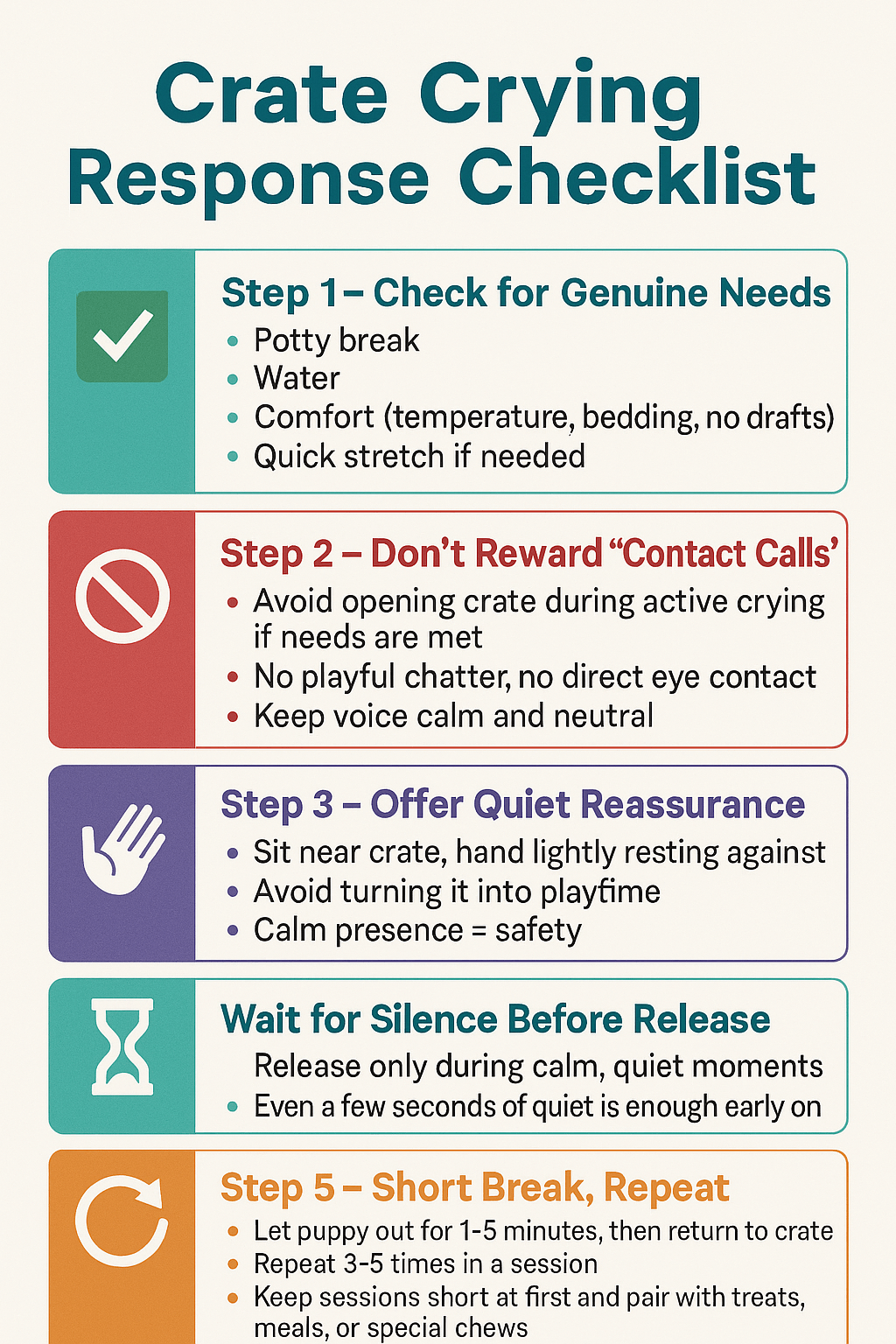
Ignoring whining can be challenging, especially when you want to comfort your dog. However, responding to whining often reinforces the behavior. Instead, wait for a pause or silence before giving attention, so your dog learns that quietness brings rewards.
Try to stay consistent. If you give in sometimes, your dog gets mixed signals. Have you noticed how your dog’s whining stops when you don’t react?
Rewarding Quiet Behavior
Positive reinforcement works wonders with dogs. When your dog is quiet, immediately reward them with treats, praise, or playtime. This helps your dog associate calmness with positive outcomes.
Be quick to reward to make the connection clear. Over time, your dog will choose quietness more often, hoping for the reward. What small reward does your dog respond to best?
Using Commands Effectively
Teaching commands like “quiet” can give your dog clear instructions. Use a firm but gentle voice to say the command when your dog starts whining. Once they stop, praise them immediately.
Practice regularly in calm situations before trying in more distracting environments. Consistency helps your dog understand exactly what you want. Have you tried pairing commands with rewards yet?
Redirecting Attention
Sometimes whining happens because your dog is bored or anxious. Redirect their attention to a toy, a game, or a walk. This not only stops the whining but also provides mental and physical stimulation.
Keep some favorite toys handy for moments when whining starts. Changing the focus helps break the cycle and keeps your dog engaged. What activity does your dog enjoy that could replace whining?

Credit: www.dogsavvylosangeles.com
Addressing Anxiety-related Whining
Whining rooted in anxiety can be tough to manage because it’s your dog’s way of expressing fear or discomfort. To help your dog feel more secure and reduce whining, you need to tackle the anxiety itself. This means understanding your dog’s triggers and providing comfort in ways that build confidence and calmness.
Creating A Safe Space
Dogs need a spot where they can retreat and feel protected. Set up a cozy corner with their bed, favorite toys, and maybe a blanket that smells like you. This safe space should be quiet and away from household commotion.
When your dog starts whining, gently guide them to this area and encourage calm behavior. Does your dog respond better when they have a place just for themselves?
Gradual Desensitization
Anxiety often comes from fear of certain sounds, people, or situations. You can reduce whining by slowly exposing your dog to these triggers in small doses. For example, if your dog whines when you leave the house, start by stepping outside for just a few seconds and then come back.
Repeat this, gradually increasing the time you’re away. This approach builds your dog’s tolerance and reduces panic. Have you noticed your dog’s reactions change when you take small steps instead of sudden actions?
Using Calming Tools
Some tools can help ease your dog’s anxiety and lower whining. Consider a calming collar infused with natural scents like lavender or chamomile. These can have a soothing effect without medication.
Other options include white noise machines, anxiety wraps, or interactive toys that distract and comfort. Have you tried any calming aids that made a difference in your dog’s behavior?
Exercise And Mental Stimulation
Exercise and mental stimulation play a big role in reducing your dog's whining. A tired dog is a quiet dog. Physical activity helps release extra energy that might cause restlessness and noise. Mental challenges keep your dog’s brain busy and calm.
Dogs need both body and mind work every day. This balance helps them feel satisfied and less likely to whine for attention or out of boredom.
Daily Physical Activities
Regular walks give your dog fresh air and exercise. Aim for at least 30 minutes of walking or running each day. Play fetch in the yard or park to burn off energy quickly.
Swimming is a low-impact exercise that many dogs enjoy. It strengthens muscles and tires them out without harsh strain. Also, try agility training or simple obedience drills to keep their body active and focused.
Interactive Toys And Games
Use puzzle toys to challenge your dog’s mind. These toys hide treats and require problem-solving skills. Your dog stays busy and learns patience while trying to get the reward.
Games like hide and seek encourage mental sharpness and physical movement. Change toys regularly to keep your dog interested. Chew toys also help reduce stress and keep your dog calm.

Credit: canna-pet.com
Consistency And Patience In Training
Training a dog to stop whining demands steady effort and calmness. Dogs respond best to clear, consistent signals from their owners. Patience helps both you and your dog stay positive during this learning phase. Changes won’t happen overnight. Keep your approach steady and gentle.
Setting Realistic Expectations
Dogs learn at different speeds. Some take days, others need weeks. Expect small progress each day. Avoid frustration or harsh reactions. Understand your dog’s breed, age, and personality. These factors affect how quickly they stop whining. Celebrate tiny wins to stay motivated.
Maintaining A Routine
Dogs thrive on routine. Set regular times for walks, meals, and play. Consistent schedules reduce anxiety and whining. Use the same commands and gestures each time. This helps your dog understand what you want. Stick to the plan even on busy days. Routine builds trust and clear communication.
When To Seek Professional Help
Knowing when to seek professional help can make a huge difference in stopping your dog’s whining effectively. Sometimes, the issue isn’t just behavioral—it could be linked to health or deeper emotional needs. Recognizing the signs and reaching out to experts can save you time, frustration, and improve your dog’s quality of life.
Signs Of Medical Issues
If your dog’s whining suddenly increases or changes in tone, it might be a signal of pain or discomfort. Look for other symptoms like limping, loss of appetite, or changes in bathroom habits. These signs often indicate that your dog needs a medical checkup rather than just training.
Remember, dogs can’t tell you when they’re hurting, but whining can be their way of asking for help. Ignoring these signs can make a health problem worse. Have you noticed your dog whining more after a certain activity or at night? That’s a clue to consult a veterinarian promptly.
Working With Trainers And Veterinarians
Professional dog trainers can identify if your dog’s whining is due to anxiety, attention-seeking, or other behavioral issues. They use specific techniques tailored to your dog’s personality and environment. If you’ve tried basic training without success, a trainer’s expertise can provide fresh strategies that work.
Veterinarians and trainers often work together to address both health and behavior. For example, a vet might prescribe medication for anxiety while a trainer teaches coping skills. Don’t hesitate to ask your vet for a trainer referral or vice versa—this team approach can bring faster results.
Think about your dog’s overall well-being. Is their whining just an annoying habit, or could it point to something deeper? Getting professional help is a smart step toward a happier, quieter home for everyone.
Frequently Asked Questions
How Can I Stop My Dog From Whining Immediately?
To stop whining immediately, avoid giving attention when your dog whines. Instead, reward quiet behavior. Consistency is key to teaching your dog that whining won’t get results.
Why Does My Dog Whine Excessively At Home?
Dogs often whine due to anxiety, boredom, or needing attention. Identifying the cause helps address the behavior effectively. Providing exercise and mental stimulation reduces whining.
What Training Methods Work Best To Reduce Whining?
Positive reinforcement training works best. Reward your dog for calm, quiet behavior. Avoid punishment, as it can increase anxiety and worsen whining.
Can Ignoring Whining Really Help My Dog Stop?
Yes, ignoring whining teaches your dog that whining won’t bring attention. Respond only when your dog is calm and quiet to reinforce good behavior.
Conclusion
Training your dog to stop whining requires patience and consistency. Practice daily with your furry friend. Reward them for quiet behavior. Use commands and positive reinforcement. Soon, your dog will understand. They learn best through repetition and praise. Remember, each dog is unique.
Some may take longer to adjust. Stay calm and patient throughout the process. Your efforts will bring peace at home. Enjoy the quieter moments with your pet. A well-behaved dog is a joy to have. With time, whining will be a thing of the past.
Happy training!