If you’re tired of cleaning up messes all over your yard or house, training your dog to pee in one spot can be a game changer. Imagine having a specific area where your dog always goes, making your life easier and your space cleaner.
You might think it’s difficult or time-consuming, but with the right steps, you can teach your dog this habit faster than you expect. You’ll discover simple, effective tips that work, so you can enjoy a stress-free routine and a happier pet.
Keep reading, and find out how to make your dog’s bathroom habits a breeze!
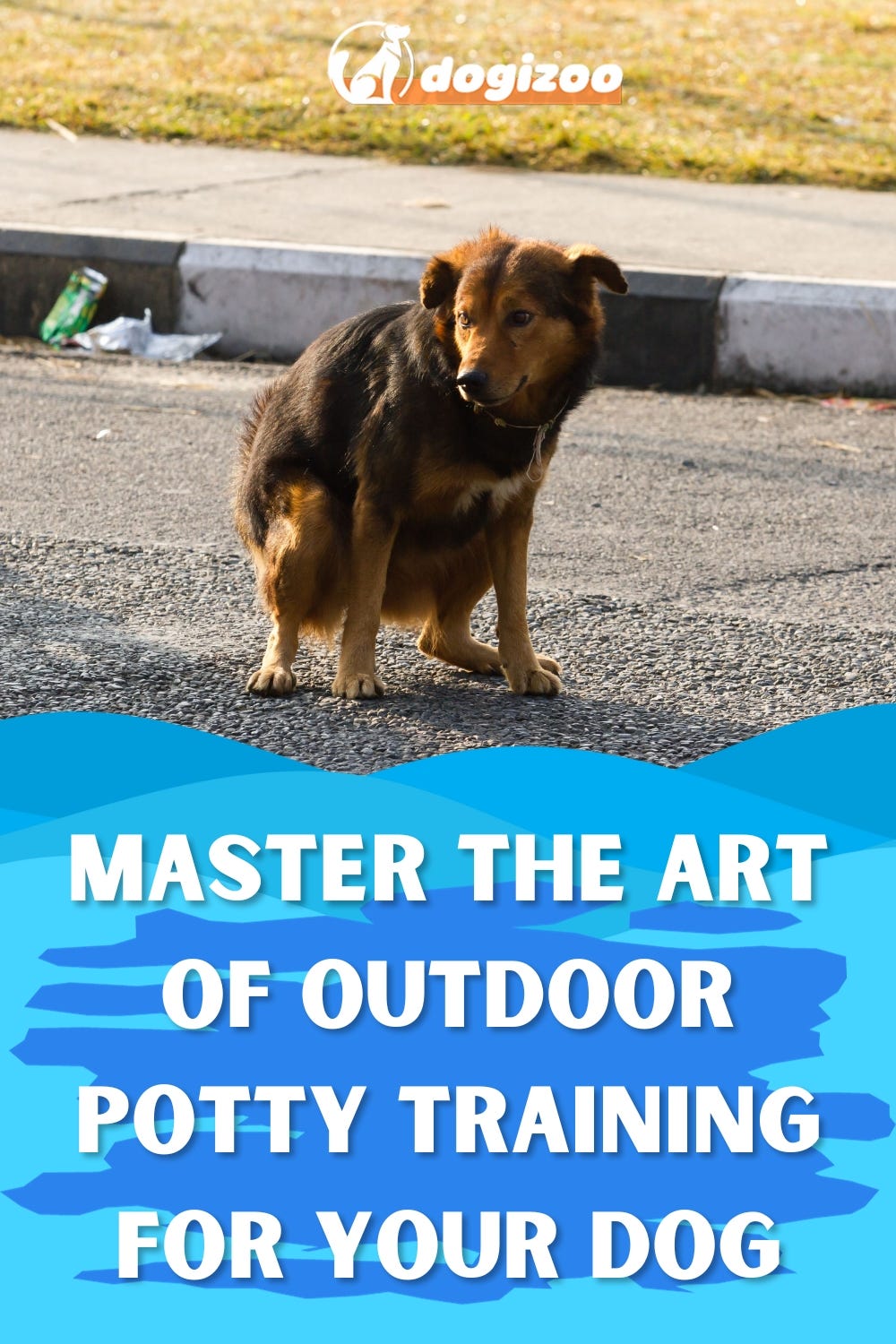
Credit: konstruktor.info.pl
Choosing The Right Spot
Choosing the right spot for your dog to pee is a key step in training. The right place helps your dog understand where to go. It also keeps your home or yard clean and smell-free. Think about your dog's habits and your living space before deciding.
Indoor Vs Outdoor Options
Indoor spots work well for small spaces or bad weather days. Use puppy pads or indoor grass mats. Outdoor spots suit dogs who have yard access. Pick a quiet, low-traffic area outside. Make the spot easy for your dog to find.
Factors To Consider
- Safety: Choose a spot away from busy roads or harmful plants.
- Accessibility: The spot should be easy for your dog to reach anytime.
- Surface: Dogs prefer grass, dirt, or puppy pads for peeing.
- Smell control: Pick a spot where odors won’t bother people.
- Consistency: Use the same spot so your dog learns quickly.
Preparing The Area
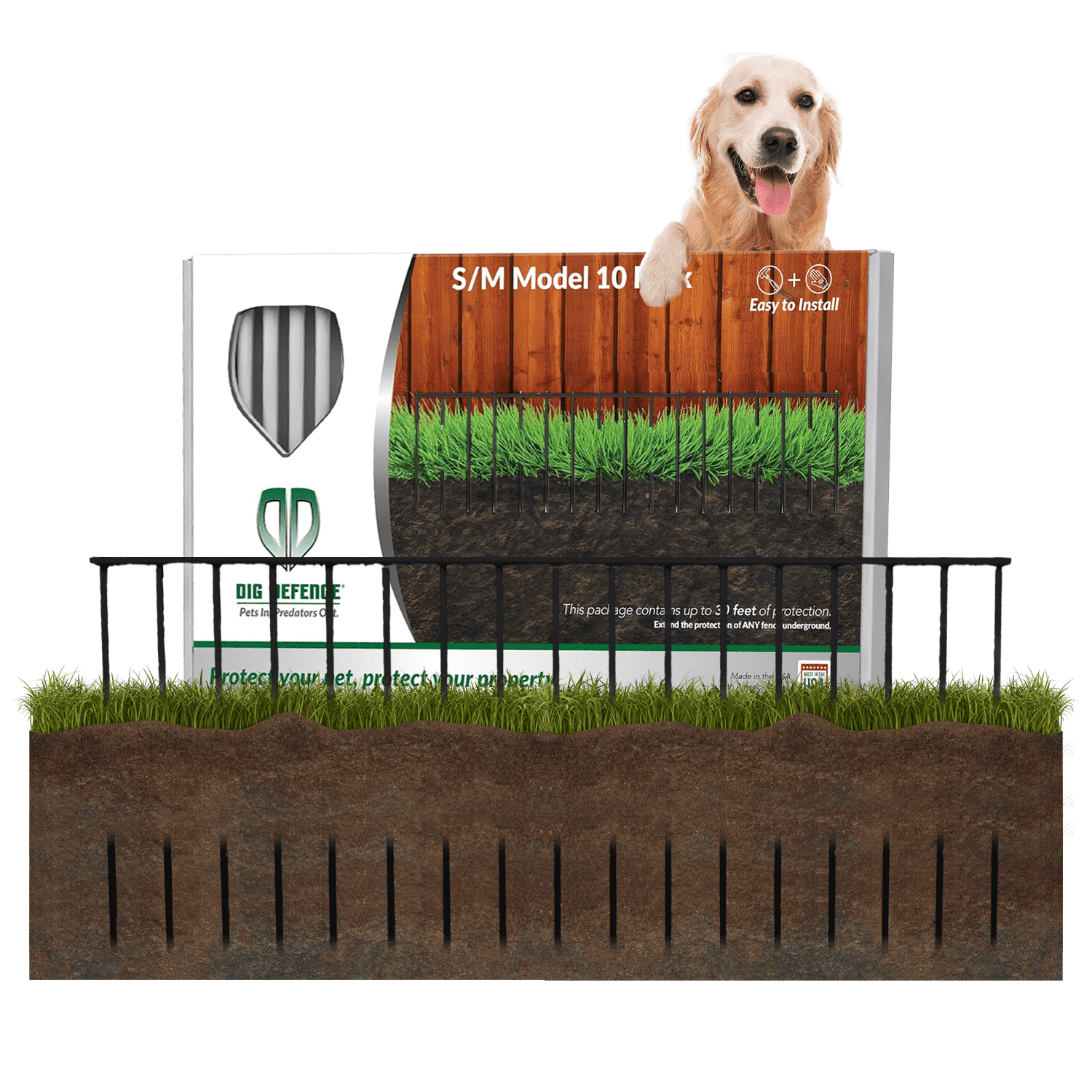
Clean the spot before training to remove other smells. Place training pads or fresh grass if indoors. Mark the outdoor spot with a small fence or stones if needed. Keep the area dry and free of clutter. Reward your dog near the spot to create positive feelings.
Establishing A Routine
Establishing a routine is key to training your dog to pee in one spot. Dogs thrive on predictability, and a clear, consistent schedule helps them understand what you expect. Without a steady routine, your dog can get confused, making training take longer and causing frustration for both of you.
Consistent Feeding Schedule
Feeding your dog at the same times every day helps regulate their bathroom needs. If your dog eats breakfast at 7 a.m. and dinner at 6 p.m., their digestion will follow a pattern. This makes it easier to predict when they need to go out.
Try avoiding free-feeding or random meal times. When I started feeding my dog on a strict schedule, I noticed fewer accidents inside and quicker learning during potty training. It’s simple: regular meals lead to regular bathroom breaks.
Regular Bathroom Breaks
Take your dog outside frequently, especially after meals, playtime, and naps. Puppies may need bathroom breaks every 1-2 hours, while older dogs can go longer. Regular trips outside give your dog more chances to practice peeing in the right spot.
Don’t wait for your dog to signal—be proactive. If you wait too long, they might relieve themselves indoors out of necessity. I learned this the hard way with my first pup; setting alarms for bathroom breaks saved me many cleanups.
Timing For Success
Observe your dog’s bathroom habits closely to find their natural timing. Some dogs need to go right after waking up, while others might need a break after some exercise. Catching these windows helps reinforce peeing in one spot.
Use a timer or keep a journal to track when your dog usually needs to go. This way, you can take them out just before those times and reward them immediately after they pee outside. Have you noticed your dog’s unique bathroom routine yet?
Using Positive Reinforcement
Using positive reinforcement is one of the most effective ways to train your dog to pee in one spot. It focuses on encouraging good behavior rather than punishing mistakes. This approach builds trust and helps your dog understand exactly what you want without fear or confusion.
Rewarding Desired Behavior
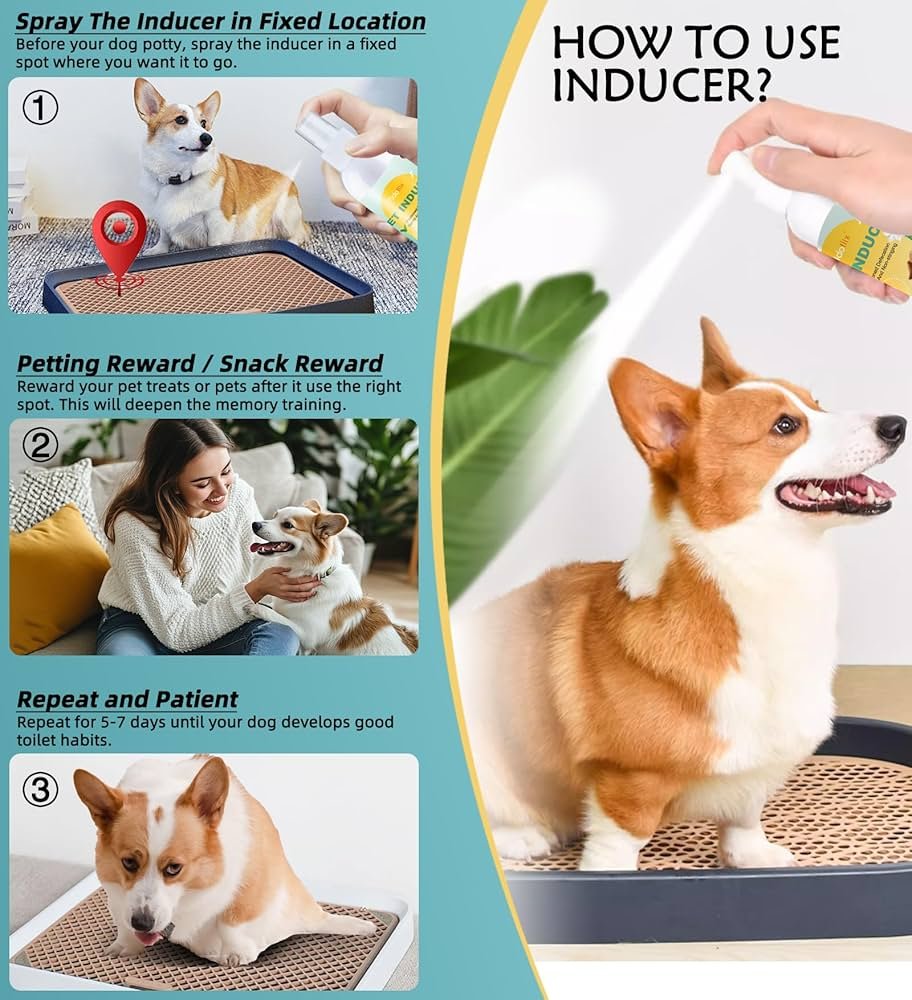
When your dog pees in the right spot, immediately reward them. Timing is crucial—give the reward within seconds of the behavior so your dog connects the action to the reward.
You can use treats, affection, or a favorite toy as a reward. Consistency is key here; always praise and reward your dog every time they pee where you want.
Think about the last time you learned something new. Didn’t you feel more motivated when you got a pat on the back or a small reward? Dogs feel the same way.
Types Of Treats And Praise
Choose treats your dog loves but doesn’t get all the time. Small, soft treats work best because your dog can eat them quickly and stay focused on training.
Besides treats, use enthusiastic verbal praise like “Good job!” or “Yes!” Your tone matters—make it happy and excited to encourage your dog.
Don’t underestimate the power of petting or a quick play session as a reward. Some dogs respond better to attention or play than food.
Avoiding Punishment
Never punish your dog for peeing in the wrong place. Punishment can make your dog anxious and confused, which slows down training.
Instead, calmly redirect your dog to the correct spot without scolding. If you catch them in the act, interrupt gently with a sound and take them to the right place.
Ask yourself: Would you learn better if you were yelled at or encouraged? Your dog feels the same—choose kindness and patience over punishment.

Credit: www.amazon.com
Training Techniques
Training your dog to pee in one spot requires patience and clear techniques. Consistency helps your dog understand where to go. Using simple steps makes training easier for both of you. Focus on guiding your dog gently and rewarding good behavior. This section covers effective training techniques to keep your dog on track.
Leash Guidance
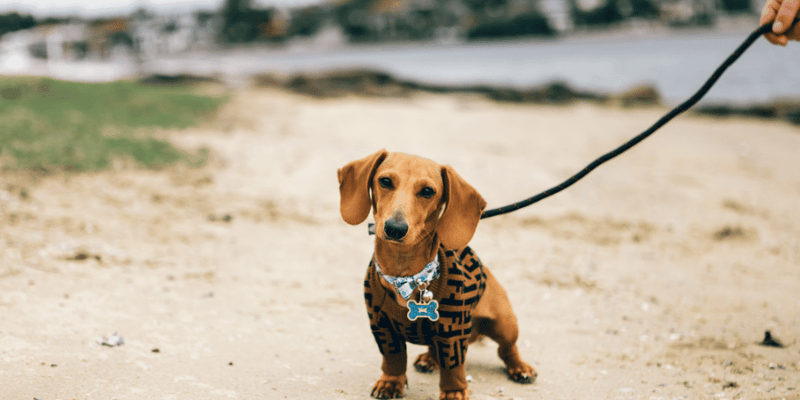
Use a leash to guide your dog to the desired spot. Keep the leash short but relaxed to maintain control. Walk your dog slowly toward the area you want them to use. Stay calm and patient during this process. Leash guidance helps your dog associate the spot with bathroom time.
Command Training
Choose a simple command like “Go potty” or “Bathroom.” Say the command clearly when you bring your dog to the spot. Repeat the command each time your dog uses the area correctly. Reward your dog with praise or a treat immediately. Command training helps your dog understand what you expect.
Supervision And Monitoring
Watch your dog closely, especially during training sessions. Notice signs like sniffing or circling that show they need to go. Gently guide them to the spot when these signs appear. Prevent accidents by staying alert and acting quickly. Supervision helps reinforce good habits and prevents mistakes.
Handling Accidents
Accidents happen, even with the most well-trained dogs. How you handle these moments can make a big difference in your dog's learning process. Instead of frustration, approach accidents as opportunities to guide your dog gently back on track.
Cleaning Methods
Use an enzymatic cleaner specifically designed for pet messes. Regular household cleaners may not fully remove the scent, which can encourage your dog to pee in the same spot again.
Make sure to blot the area instead of rubbing, to avoid pushing the urine deeper into the carpet or floor. You might want to keep a cleaning kit handy in the places your dog often has accidents.
Preventing Repeat Mistakes
Ask yourself if your dog has easy access to the designated bathroom spot. If not, consider using barriers or gates to limit wandering.
Observe patterns in your dog’s behavior. Are accidents happening after a meal, nap, or playtime? Adjust the schedule to take your dog to the right spot during those peak times.
Staying Patient
Training takes time. Your dog won’t master peeing in one spot overnight, and accidents are part of the journey.
Instead of scolding, focus on positive reinforcement when your dog gets it right. How does your reaction affect your dog’s confidence and willingness to learn?

Credit: www.amazon.com
Adjusting Training For Puppies Vs Adults
Training your dog to pee in one spot requires different approaches for puppies and adults. Puppies are new to bladder control and habits. Adults might have past habits that need changing. Adjusting your training style ensures better results.
Puppy-specific Tips
- Take puppies outside often, about every 1-2 hours.
- Use a consistent spot for them to pee.
- Watch for signs like sniffing or circling.
- Praise immediately after they pee in the right place.
- Keep training sessions short and positive.
- Be patient; puppies need time to learn control.
- Use pee pads indoors only if needed, then move outdoors.
Adult Dog Considerations
- Understand their past habits and routine.
- Take them to the same spot consistently.
- Use clear commands and cues for peeing.
- Reward them with treats or praise after success.
- Be consistent with timing and location.
- Address any anxiety or health issues first.
- Use cleaning products to remove old scent marks.
Troubleshooting Common Issues
Training your dog to pee in one spot can sometimes hit a few bumps. Understanding the reasons behind your dog’s behavior will help you fix problems faster. Let’s look at some common issues and how you can tackle them effectively.
Marking Behavior
Dogs, especially males, often mark their territory by peeing in multiple spots. This isn’t about not knowing where to go; it’s about sending a message. To reduce marking, neutering can help, but consistent supervision and immediate redirection are key.
If your dog marks inside, clean the area thoroughly with an enzymatic cleaner to remove the scent. Otherwise, your dog might return to the same spot. Also, increase the number of bathroom breaks outside to decrease the urge to mark.
Fear Or Anxiety
Fear or anxiety can cause your dog to avoid the designated potty spot. Loud noises, unfamiliar smells, or even recent changes in routine might trigger stress. Watch your dog’s body language—if they seem hesitant or nervous, you may need to create a calmer environment.
Try bringing your dog to the spot during quiet times and reward them with treats and praise. Patience is crucial here. Have you noticed if your dog acts differently in certain weather or times of day? Those details can guide your approach.
Health-related Problems
Sometimes, your dog’s inability to pee in one spot is a sign of health issues. Urinary tract infections, bladder stones, or other medical problems can cause discomfort or urgency. If your dog suddenly stops following potty training, a vet visit is a smart move.
Monitor for symptoms like frequent attempts to urinate, blood in urine, or whining during bathroom breaks. Addressing health problems early will not only improve training success but also keep your dog comfortable and happy.
Frequently Asked Questions
How Long Does It Take To Train A Dog To Pee In One Spot?
Training usually takes 2 to 4 weeks with consistent effort. Patience and routine are key to success. Reward your dog immediately after peeing in the designated spot to reinforce behavior.
What Tools Help Train My Dog To Pee In One Spot?
Use a leash, treats, and a designated potty area. A leash controls the dog, treats motivate, and a consistent spot encourages habit formation.
How Often Should I Take My Dog To The Potty Spot?
Take your dog every 2 to 3 hours, especially after meals or naps. Frequent trips increase success and reduce accidents inside the house.
What If My Dog Pees Outside The Designated Spot?
Do not punish your dog. Clean the area thoroughly to remove odor. Redirect your dog to the correct spot calmly and reward them for success.
Conclusion
Training your dog to pee in one spot takes patience. Stick to a routine. Consistency is key for success. Praise your dog when they succeed. This reinforces good habits. Use positive reinforcement. It motivates dogs effectively. Remember, accidents happen. Stay calm and patient.
Over time, your dog will learn. Their behavior will improve. Enjoy the bond this training creates. It strengthens your relationship. Happy training!