Does your dog get overly excited or distracted every time another dog comes near? You’re not alone.
It can be frustrating when your furry friend pulls, barks, or won’t focus during walks. But imagine having a calm, well-behaved dog who stays by your side no matter what distractions pop up. That’s exactly what you’ll learn here. Keep reading, and you’ll discover simple, effective ways to train your dog to ignore other dogs—making walks more peaceful and enjoyable for both of you.
Why Dogs React To Other Dogs
Understanding why your dog reacts to other dogs is key to changing that behavior. Dogs communicate and react based on instincts, experiences, and their environment. Recognizing these reasons helps you guide your dog toward calm and positive interactions.
Common Triggers
Many dogs react because of specific triggers that catch their attention or cause anxiety. These can include sudden movements, barking, or unfamiliar scents from other dogs.
Sometimes, your dog might feel threatened if another dog approaches too quickly or invades their personal space. Have you noticed your dog growling only when a particular dog comes close? That’s a clear trigger to watch for.
Breed Tendencies
Some breeds are naturally more alert or territorial, which can make them react strongly to other dogs. Herding breeds like Border Collies often want to control their environment, while terriers might be more prone to chasing or barking.
Knowing your dog’s breed tendencies helps you set realistic expectations and tailor your training approach. For example, a retriever may be more eager to socialize, while a guard dog breed might need extra patience to feel comfortable around others.
Environmental Factors
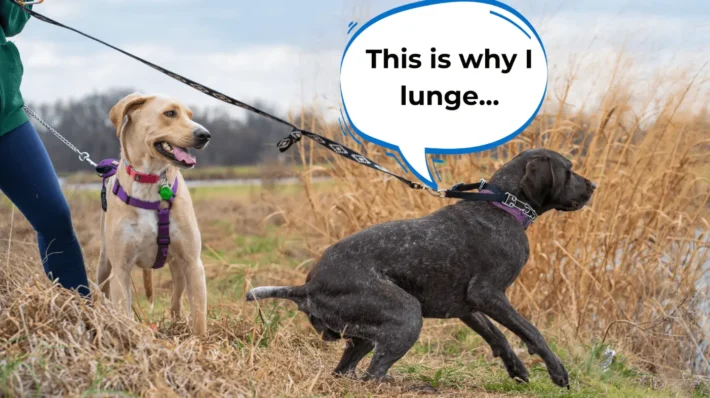
The environment where your dog meets other dogs plays a big role in their reaction. Crowded parks, noisy streets, or places with many distractions can overwhelm your dog and trigger unwanted responses.
Think about your own experiences in busy places—do you feel more stressed or calm? Your dog’s environment affects their mood just as much. Choosing quieter spots for training sessions can make a big difference.
Credit: theonlinedogtrainer.com
Preparing For Training
Preparing your dog to ignore other dogs requires careful planning and patience. This stage sets the foundation for successful training. Start by creating a calm and controlled environment. It helps your dog focus better during sessions. Understanding your dog’s behavior and needs is essential before training begins.
Choosing The Right Equipment
Select equipment that ensures safety and control. A sturdy leash and a comfortable harness work best. Avoid retractable leashes as they offer less control. Treat pouches help keep rewards handy. Clickers or training whistles can assist with clear communication. Test the equipment to make sure your dog feels comfortable wearing it.
Setting Realistic Goals
Set small, achievable goals for every training session. Start with short walks in quiet places. Gradually increase distractions as your dog improves. Avoid expecting instant results. Training to ignore other dogs takes time and consistency. Celebrate small wins to keep motivation high. Adjust goals based on your dog’s progress and mood.
Identifying Your Dog's Stress Signals
Recognize signs that show your dog feels stressed. Look for yawning, lip licking, or avoiding eye contact. Panting heavily or shaking can also indicate stress. Early detection helps prevent negative reactions. Stop training if your dog shows high stress. Use breaks to calm your dog before continuing. This approach builds trust and keeps training positive.
Basic Obedience As Foundation
Basic obedience forms the core of training your dog to ignore distractions. A dog that listens well to commands can better focus on you rather than other dogs. Without a strong foundation in obedience, it is difficult for your dog to resist reacting to every passerby. Training basic skills creates a clear communication line between you and your dog. This helps your dog understand what behavior you expect in different situations.
Essential Commands To Teach
- “Sit”:Helps your dog pause and stay calm.
- “Stay”:Keeps your dog in place despite distractions.
- “Come”:Brings your dog back to you quickly.
- “Leave it”:Teaches your dog to ignore unwanted objects or animals.
- “Focus” or “Watch me”:Directs your dog’s attention to you.
Building Focus And Attention
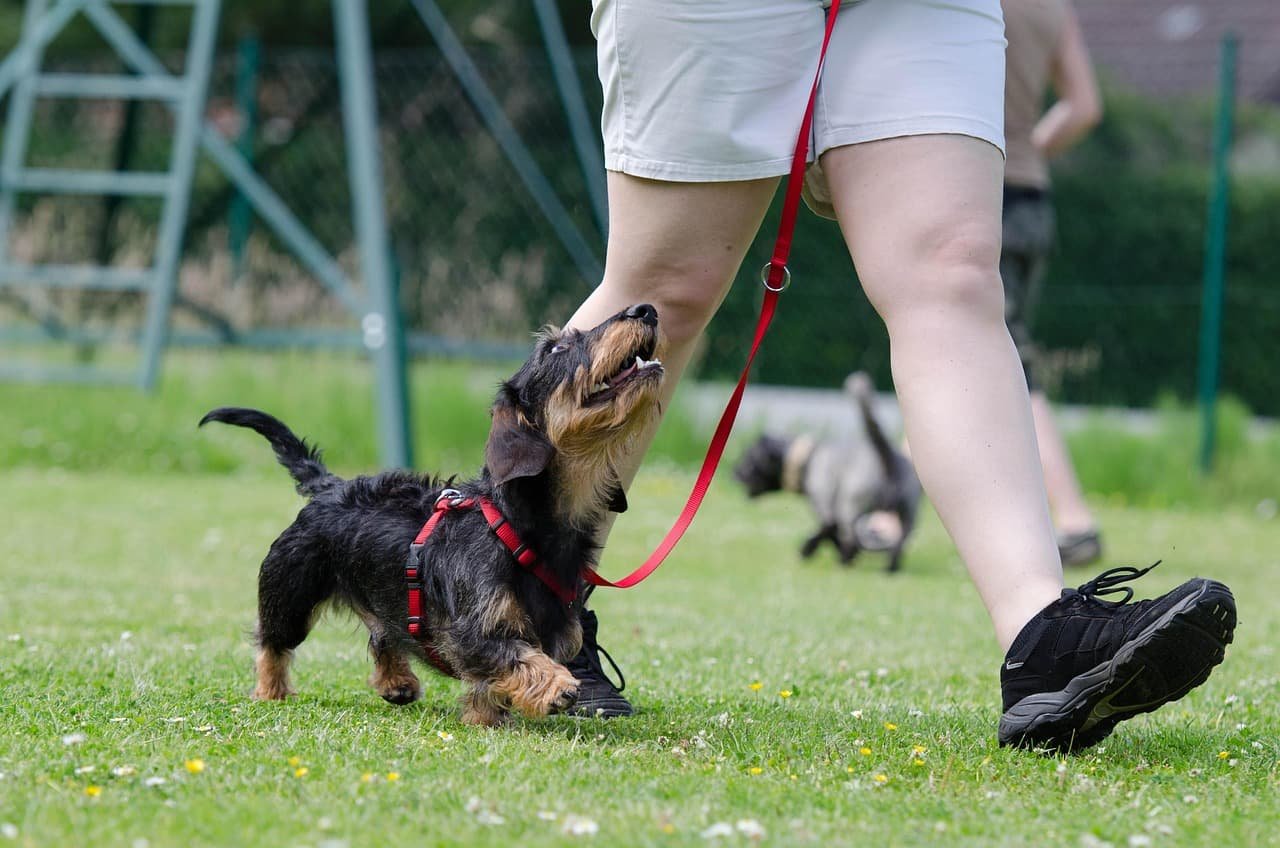
Focus is key to ignoring other dogs. Start training in a quiet area with few distractions. Use your dog’s name to catch their attention. Reward with treats or praise when your dog looks at you. Gradually add distractions like toys or people nearby. Keep training sessions short and fun to hold interest. Practice often to build reliable focus over time.
Using Positive Reinforcement
Positive reinforcement encourages good behavior. Reward your dog immediately for obeying commands. Use treats, toys, or kind words as rewards. Avoid punishment, which can cause fear or confusion. Reinforcement helps your dog connect good behavior with positive outcomes. This makes ignoring other dogs more natural and easier to maintain.
Credit: theonlinedogtrainer.com
Desensitization Techniques
Desensitization techniques help your dog stay calm near other dogs. These techniques reduce your dog’s reactivity. They teach your dog to ignore distractions and focus on you. Training with desensitization takes patience and consistency. The goal is to make other dogs less exciting or scary for your dog.
Controlled Exposure To Other Dogs
Start by showing your dog other dogs at a safe distance. Choose a quiet place with few distractions. Keep your dog on a leash and calm. Let your dog see other dogs without getting too close. Watch your dog’s body language closely. If your dog stays calm, praise and reward immediately. If your dog reacts, increase the distance and try again later.
Gradual Distance Reduction
Slowly bring your dog closer to other dogs over time. Move in small steps to avoid stress. Use markers like trees or poles to set boundaries. Stop at a distance where your dog remains calm. Practice here until your dog relaxes. Then, move a little closer during the next session. Repeat this process to build comfort near dogs.
Pairing Exposure With Rewards
Use treats and praise to create positive feelings. Give your dog rewards when it stays calm near other dogs. This links other dogs with good experiences. Use high-value treats to keep your dog interested. Reward immediately to connect the calm behavior with the reward. This helps your dog learn that ignoring other dogs pays off.
Counter-conditioning Methods
Counter-conditioning is a powerful way to change how your dog feels about seeing other dogs. Instead of reacting with excitement or aggression, your goal is to help your dog develop calm and positive feelings. This approach takes patience but can create lasting changes in your dog’s behavior.
Changing Emotional Responses
Your dog’s reaction to other dogs often comes from an emotional place—fear, excitement, or frustration. To change this, you need to link the presence of other dogs with something positive. For example, if your dog usually barks when another dog passes, try to catch their attention and give a treat before they start barking.
This simple switch helps your dog learn that seeing another dog means good things happen. Have you noticed how your dog’s mood shifts when they expect a treat? That’s the shift you want to encourage every time they spot another dog.
Using Treats And Praise Effectively
Treats and praise are your best tools for counter-conditioning. Use high-value treats—something your dog loves but doesn’t get all the time. This makes the reward special and worth their focus.
Pair treats with enthusiastic praise. Say your dog’s name, use a happy tone, and give a quick pet or scratch. This combination shows your dog that ignoring other dogs leads to rewards and affection.
Timing And Consistency
The key to success is perfect timing. Deliver treats and praise the moment your dog notices another dog but before they react. This timing teaches your dog exactly what behavior earns rewards.
Consistency matters just as much. Practice during every walk or dog encounter. Over time, your dog will expect positive outcomes instead of stress or excitement. How often are you practicing this with your dog right now?

Credit: zigzag.dog
Managing Walks And Social Situations
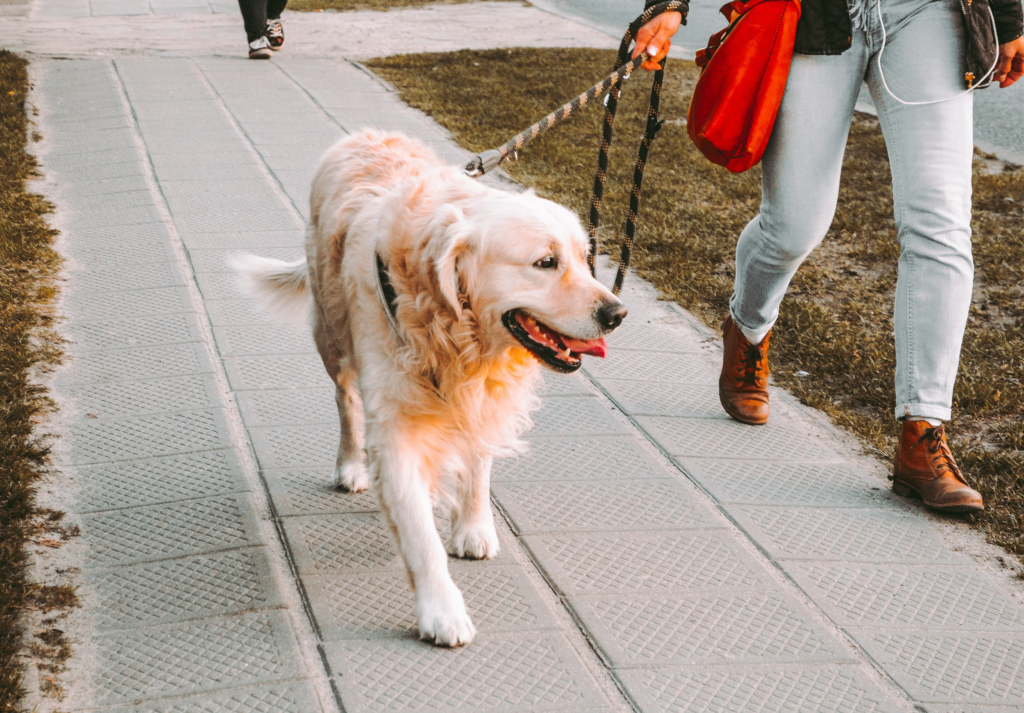
Managing walks and social situations is essential when training your dog to ignore other dogs. The key lies in controlling your dog’s focus, anticipating encounters, and selecting the right walking routes. This balance helps reduce distractions and builds better behavior over time.
Keeping Your Dog Focused
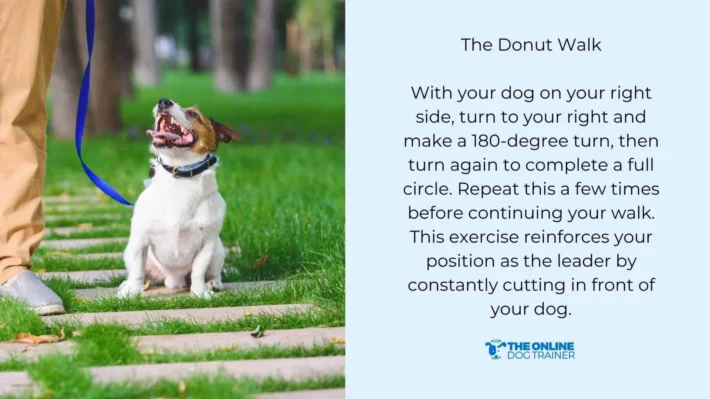
Focus is your best tool during walks. Use high-value treats or a favorite toy to keep your dog’s attention on you. Try changing your pace or direction suddenly—this catches their interest and shifts their focus away from distractions.
Practice commands like “look at me” or “heel” regularly. It’s easier to maintain focus when your dog knows what you expect. Have you noticed how a simple reward can work wonders in redirecting your dog’s attention?
Handling Unexpected Dog Encounters
Unexpected meetings with other dogs can test your training. Stay calm and confident; your dog will pick up on your energy. Use a firm but gentle command to redirect their attention immediately.
Step aside or cross the street if possible to create distance. If your dog gets excited, pause and regain control before moving on. How do you usually react when your dog suddenly pulls toward another dog?
Choosing Dog-friendly Routes
Selecting walking routes with fewer dogs or quieter times can make training easier. Parks early in the morning or less popular trails reduce the chances of overwhelming encounters. This lets your dog focus on you rather than distractions.
Rotate different routes to prevent your dog from anticipating other dogs at specific spots. Variety also keeps walks interesting for both of you. Have you tried exploring new paths to improve your dog’s behavior?
Troubleshooting Common Challenges
Training a dog to ignore other dogs takes patience and consistent effort. Challenges may arise that slow progress or cause frustration. Recognizing common problems helps keep training on track. Troubleshooting these challenges makes the process smoother and more effective.
Dealing With Aggression
Aggression toward other dogs can be dangerous. Stay calm and avoid punishment. Use a leash to control your dog’s movements. Teach basic commands like “sit” and “stay” to redirect focus.
Reward calm behavior near other dogs with treats and praise. Gradually decrease the distance between your dog and others. Avoid crowded places until your dog shows improvement.
Overcoming High Excitability
Some dogs get very excited when they see other dogs. This excitement can lead to jumping or barking. Teach your dog to focus on you with a command like “look” or “watch me.”
Practice in quiet areas first. Use treats to reward attention and calmness. Slowly add distractions as your dog improves. Keep training sessions short to maintain your dog’s interest.
When To Seek Professional Help
Some problems need expert advice. Contact a professional trainer if aggression worsens or does not improve. Look for trainers who use positive methods.
A trainer can create a custom plan for your dog’s needs. Early help can prevent serious behavior issues. Don’t wait too long to get support.
Maintaining Long-term Success
Keeping your dog focused and calm around other dogs doesn’t end once the initial training is done. Long-term success means making your training a steady part of everyday life. It’s about building habits that stick and knowing when to tweak your approach to keep your dog’s behavior sharp and reliable.
Regular Practice Routines
Consistency is key. Practice ignoring other dogs in different places and situations regularly. This helps your dog learn that the rules apply everywhere—not just at home or during training sessions.
Try mixing up the environment by walking in busy parks one day and quieter streets the next. This variety challenges your dog to stay focused despite distractions. How often do you take your dog to places where other dogs are around? Adding short, focused practice sessions to your daily routine can make a big difference.
Reinforcing Good Behavior
Reward your dog immediately when they stay calm and ignore other dogs. Use treats, praise, or play—whatever motivates them most. This positive feedback helps your dog understand exactly what behavior you want.
Don’t just reward when you’re training. Catch your dog doing well during everyday walks too. This keeps good behavior fresh in their mind and encourages them to repeat it without prompts. What rewards does your dog respond to best? Tailoring rewards keeps them engaged and eager to listen.
Adjusting Training As Needed
Every dog’s progress isn’t the same. If your dog starts reacting again, it’s a sign to revisit and adjust your training. Maybe the distractions are stronger, or your dog’s confidence needs a boost.
Use your observations to change your approach—shorter sessions, different rewards, or more distance from other dogs at first. Remember, patience is vital. Have you noticed patterns in your dog’s reactions that hint at what might need changing?
Frequently Asked Questions
How Can I Teach My Dog To Ignore Other Dogs?
Start with basic obedience training like "sit" and "stay. " Use treats to reward focus on you. Gradually expose your dog to other dogs at a distance. Increase interaction only as your dog remains calm and attentive.
Why Does My Dog React To Other Dogs?
Dogs react due to fear, excitement, or territorial instincts. Understanding your dog's triggers helps tailor training. Calm, consistent exposure reduces reactive behaviors. Positive reinforcement encourages ignoring distractions like other dogs.
What Tools Help Train Dogs To Ignore Distractions?
Leashes, head halters, and treat pouches aid control and focus. Clickers can mark good behavior. Use high-value treats to reward ignoring other dogs. These tools support consistent, positive training sessions.
How Long Does It Take To Train Ignoring Other Dogs?
Training time varies by dog age, temperament, and consistency. Some dogs improve in weeks; others need months. Patience and daily practice are key. Celebrate small progress and stay committed to training.
Conclusion
Training your dog to ignore other dogs takes patience. Start small. Gradually increase distractions. Consistency is key. Practice daily, rewarding good behavior every time. Use treats and praise. Keep sessions short and fun. Remember, every dog learns at its own pace.
Don't rush the process. Stay calm and patient. Celebrate small victories. Success will come. A well-trained dog makes walks enjoyable. Strengthens the bond between you and your pet. Keep encouraging your dog. Keep practicing. Enjoy the process together. With time and effort, your dog will learn to ignore others.
Happy training!