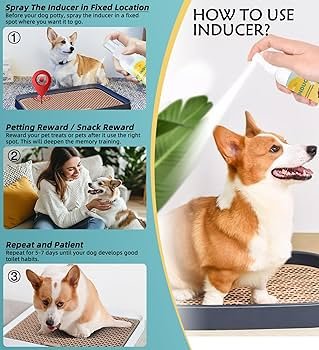
Training your dog to go to the bathroom outside can save you from endless messes and frustration. You want a clean home and a happy pup who knows exactly where to go.
But how do you make sure your dog understands this important rule? This guide will show you simple, effective steps that anyone can follow. By the end, you’ll have a well-trained dog and less stress in your daily routine. Keep reading to discover the secrets to successful bathroom training that really work.
Preparing For Training
Getting your dog ready to go bathroom outside takes more than just opening the door. You need to prepare carefully to make the training smooth and effective. This preparation sets clear boundaries and creates a routine your dog can understand easily.
Choosing The Right Spot
Pick a quiet, accessible area outside for your dog’s bathroom breaks. It should be easy for you to reach and consistent every time. Dogs learn faster when they associate one spot with going potty.
Think about the weather and safety. Avoid spots near heavy traffic or noisy areas that might distract your dog. Have you noticed how your dog reacts to different outdoor places? Use that insight to pick a calm location.
Gathering Supplies
Collect all the essentials before you start training to avoid interruptions. You will need leash, poop bags, treats, and possibly a clicker if you use clicker training. Treats should be small and tasty to keep your dog motivated.
Having everything ready shows your dog that bathroom time is serious and part of the daily routine. What treats does your dog love? Using favorites can make a big difference in how quickly they learn.
Setting A Schedule
Consistency is key when training your dog to go outside. Create a bathroom schedule based on your dog’s age and eating habits. Puppies often need to go out every 1-2 hours, while adult dogs can wait longer.
Try to take your dog out first thing in the morning, after meals, and before bedtime. Regular timing helps your dog’s body adjust and reduces accidents. What times during your day can you commit to this routine?

Credit: www.youtube.com
Establishing A Routine
Training your dog to go bathroom outside needs a steady routine. Dogs learn best when their day follows a clear pattern. A good routine helps your dog know when it is time to go out. This reduces accidents inside the house. Establishing a routine also builds your dog’s confidence and trust in you.
Start by setting regular times for feeding and bathroom breaks. Watch your dog's signals closely. This helps you act fast and guide your dog outside. With patience and consistency, your dog will soon understand what to do.
Consistent Feeding Times
Feed your dog at the same times every day. Consistent meals help regulate their bathroom needs. Dogs usually need to go out shortly after eating. Avoid free-feeding or random meal times. This makes it harder to predict bathroom needs. Stick to a schedule with two or three meals daily. This simple step improves house training success.
Regular Bathroom Breaks
Take your dog outside often. Schedule bathroom breaks during these times:
- First thing in the morning
- After each meal
- Before bedtime
- Every 1-2 hours for puppies
Use the same door and spot outside each time. This helps your dog connect that place with bathroom time. Praise and reward your dog after going outside. This encourages good behavior and speeds up training.
Monitoring Behavior
Watch your dog for signs they need to go out. Common signals include:
- Sniffing around
- Circling or pacing
- Whining or scratching at the door
Respond quickly when you see these signs. Taking your dog out right away prevents accidents. Keep a close eye especially during the first weeks. Learning your dog’s behavior helps you keep the routine strong.
Using Commands And Signals
Training your dog to go to the bathroom outside becomes easier with clear commands and signals. Dogs learn best through consistent cues that tell them what to do. Using commands and signals helps your pet understand when and where it is time to relieve themselves. This approach builds good habits faster and makes communication smoother between you and your dog.
Choosing A Cue Word
Select a simple word or phrase for bathroom time. Common choices include “go potty,” “bathroom,” or “outside.” Use the same word every time you take your dog out. Keep it short and easy to say. This helps your dog connect the word with the action quickly.
Teaching The Signal
Along with a word, use a hand signal to guide your dog. Pointing to the ground or making a specific gesture works well. Show the signal just before your dog starts to go outside. Repeat the signal with the cue word several times. Your dog will start to link the signal with the bathroom routine.
Reinforcing With Praise
Always praise your dog immediately after they go outside. Use happy, encouraging words and gentle petting. Treats work well as rewards too. Positive feedback helps your dog feel good about doing the right thing. This makes them more likely to repeat the behavior next time.

Credit: haisanmykhe.com
Rewarding Success
Rewarding your dog when they successfully go to the bathroom outside is a key part of training. It helps your dog understand exactly what behavior you want to see again. But not all rewards work the same way, and how and when you give them matters a lot.
Types Of Rewards
Different dogs respond better to different rewards. Some love treats, especially small, tasty bits like pieces of chicken or cheese. Others respond well to praise, like a happy voice or petting. Toys can be a great reward too, especially if your dog is very playful.
Try a few types to see what motivates your dog the most. You might even combine rewards—like giving a treat and a quick play session together. The key is to pick something your dog truly enjoys.
Timing Of Rewards
Giving a reward at the right time makes a huge difference. You should reward your dog immediately after they finish going to the bathroom outside. If you wait too long, your dog may not connect the reward to the right behavior.
Imagine you wait until you get back inside to give a treat. Your dog might think the treat was for coming inside, not for going outside. Try carrying treats with you on bathroom breaks so you can reward on the spot.
Avoiding Mixed Signals
Mixed signals confuse your dog and slow training progress. Don’t reward your dog if they go inside the house by mistake. This might make them think going inside sometimes is okay.
Also, avoid scolding right after rewarding. Your dog won’t understand why you praise and then get upset. Keep your reactions clear and consistent so your dog knows exactly what you expect.
Handling Accidents
Handling accidents is a natural part of training your dog to go bathroom outside. It can be frustrating, but how you respond can make a big difference in your dog's learning process. Staying calm and using the right techniques will help your dog understand what you expect without fear or confusion.
Cleaning Techniques
Cleaning accidents thoroughly is essential to prevent your dog from returning to the same spot. Use an enzymatic cleaner designed for pet stains; it breaks down the smell that attracts your dog back.
Avoid using ammonia-based cleaners, as they can smell like urine to dogs and encourage repeat accidents. Make sure to blot the area well and let it air dry completely before allowing your dog near it again.
Avoiding Punishment
Punishing your dog after an accident can create fear and anxiety, which may slow down training. Dogs don’t connect punishment with past actions—they live in the moment.
If you catch your dog in the act, redirect them immediately to the appropriate spot outside. Otherwise, focus on rewarding good behavior rather than punishing mistakes.
Redirecting Behavior
Redirecting your dog helps them learn where to go without feeling scared. When you notice signs your dog needs to go, gently lead them outside to their bathroom spot.
Use positive reinforcement like treats or praise right after they finish outside. This builds a clear connection between the action and the reward, making your dog more likely to repeat the behavior.
Dealing With Challenges
Training your dog to go bathroom outside can be rewarding, but it’s not always smooth sailing. Challenges pop up, even with the most patient owners. How you handle these bumps can make all the difference in your dog’s progress and your peace of mind.
Common Training Issues
Many owners face similar hurdles, like accidents inside the house or your dog refusing to go outdoors. Sometimes your dog might get distracted or scared by noises outside, making bathroom breaks difficult. Other times, inconsistent timing or changes in routine confuse your pet.
Have you noticed your dog holding it until they can’t anymore? This might mean they don’t understand where to go or need more frequent breaks. Spotting these issues early helps you adjust quickly and avoid frustration.
Adjusting Techniques
If your dog isn’t catching on, try tweaking your approach. Increase the number of outdoor trips, especially after meals or naps. Use clear, consistent commands like “go potty” to build association.
Positive reinforcement works wonders—celebrate every success with treats or praise. If your dog seems nervous outside, spend some playtime there first to build comfort. Sometimes, changing the spot or timing can reset their habits.
When To Seek Help
If progress stalls despite your efforts, it might be time to get expert advice. Persistent accidents or signs of anxiety could indicate health or behavioral issues. A professional trainer or vet can offer personalized strategies tailored to your dog’s needs.
Wouldn’t it be easier to have guidance when things get tough? Don’t wait too long to ask for help—it can save you both time and stress. Remember, every dog learns differently, and support can make your journey smoother.
Credit: www.greensafaris.com
Frequently Asked Questions
How Long Does It Take To Potty Train A Dog?
Potty training usually takes 4 to 6 weeks. Consistency and patience are key. Some dogs may learn faster or slower depending on age and breed.
What Is The Best Time To Take Dogs Outside?
Take your dog outside after meals, naps, and playtime. Frequent trips help prevent accidents. Puppies may need to go out every 1-2 hours.
How To Recognize Signs My Dog Needs Bathroom?
Watch for sniffing, circling, whining, or restlessness. These behaviors indicate your dog needs to go outside. Promptly take them out to reinforce good habits.
Should I Use Treats For Potty Training?
Yes, rewarding with treats encourages positive behavior. Give a treat immediately after your dog eliminates outside. This reinforces the desired action effectively.
Conclusion
Training your dog to go bathroom outside takes patience and consistency. Celebrate small victories. Praise your dog when they succeed. Set a routine that suits both of you. Be observant of your dog's signals. Stay calm during accidents. Clean accidents thoroughly to remove scents.
Reward positive behavior with treats or affection. Consistency is key for lasting success. With time, your dog will learn. Enjoy the process and bond with your furry friend. Remember, training is an ongoing journey. Keep your approach positive and loving.
Happy training!