Imagine calling your dog and having them come running to you every single time, no matter the distractions around. It’s not just a dream—it’s something you can teach your dog with the right approach.
If you want a reliable recall that keeps your furry friend safe and close, this guide will show you exactly how to train your dog to come when called. Keep reading, and you’ll discover simple, effective steps that make training easy and even fun for both of you.
Choosing The Right Environment
Choosing the right environment plays a key role in teaching your dog to come when called. The setting affects your dog’s focus and success during training. Picking a calm and controlled place helps your dog learn faster and respond better.
Start Indoors
Begin training inside your home. Indoors offers a quiet and safe space. Your dog can hear your voice clearly without distractions. Use a small room or hallway to keep your dog close. This helps your dog understand the command before adding challenges.
Minimize Distractions
Keep the training area free from noises and moving objects. Turn off the TV, close windows, and remove toys. Avoid busy parks or noisy streets at first. This lets your dog focus on you and the command. Gradually add distractions as your dog improves.

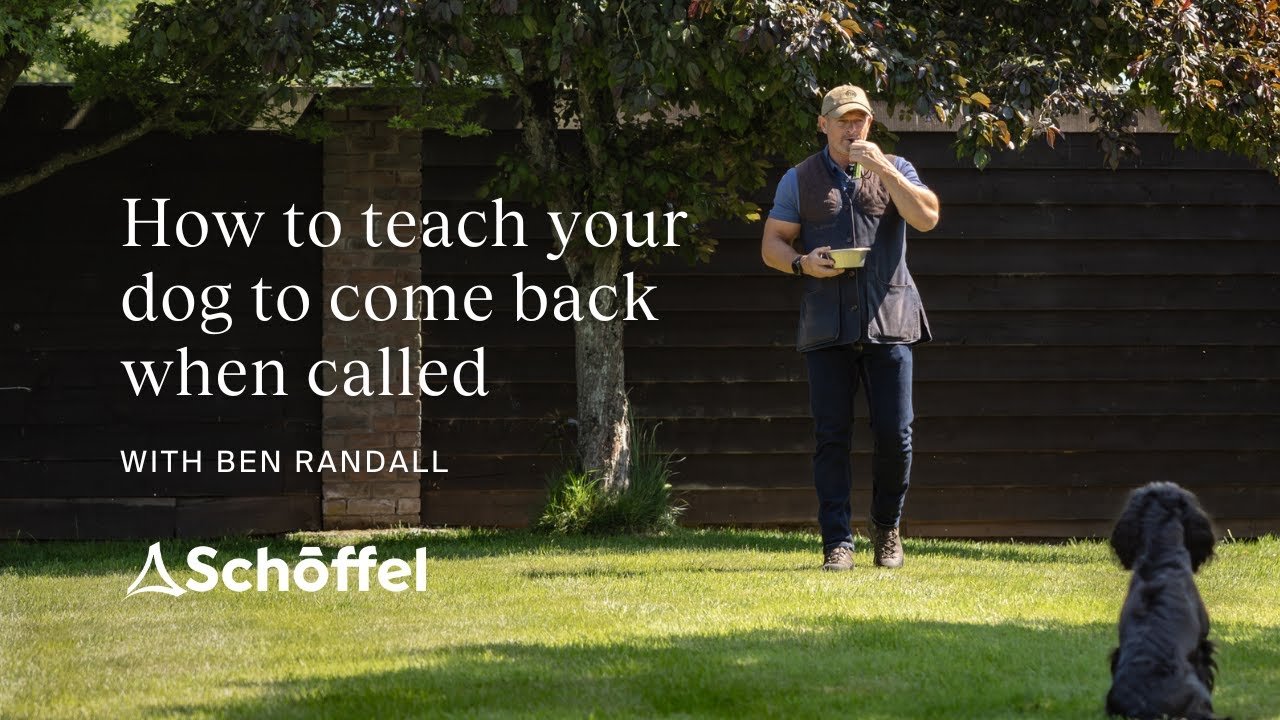
Credit: www.youtube.com
Using Effective Commands
Using effective commands is key to teaching your dog to come when called. Clear and simple commands help your dog understand what you want. Dogs learn faster when commands are easy and consistent. This section covers how to choose and use commands that work well.
Pick A Clear Cue
Choose a word or phrase that is short and easy to say. Common commands like “come,” “here,” or “come here” work well. Avoid using words that sound like other commands or everyday conversation. Your dog should recognize the cue quickly. Use a cheerful and firm tone to get your dog’s attention.
Keep Commands Consistent
Use the same command every time you call your dog. Consistency helps your dog learn faster. Avoid changing the word or adding extra sounds. Make sure everyone in your family uses the same command too. This prevents confusion and strengthens your dog’s response.
Positive Reinforcement Techniques
Positive reinforcement is a gentle and effective way to teach your dog to come when called. This method encourages good behavior by rewarding your dog immediately. Rewards make your dog happy and eager to listen. Training sessions stay fun and build trust between you and your dog. Consistency is key. The more your dog gets rewarded for coming, the more they want to repeat the behavior.
Treats And Rewards
Tasty treats are powerful motivators for dogs. Use small, soft treats your dog loves. Keep them handy during training. Call your dog’s name clearly. When your dog comes, give a treat right away. Quick rewards help your dog connect the action with the treat.
Try to vary the treats to keep your dog interested. Sometimes use a favorite snack. Other times, use a toy or a quick game. This variety keeps the training exciting and rewarding.
Praise And Affection
Dogs crave attention and love from their owners. Use cheerful words like “Good dog!” or “Well done!” in a happy tone. Your voice should sound excited and warm. Petting and gentle strokes can also reward your dog.
Physical affection strengthens your bond. It makes your dog feel safe and loved. Pair praise and petting with treats for best results. This combination teaches your dog that coming to you brings joy and kindness.

Credit: www.youtube.com
Step-by-step Training Process
Training your dog to come when called takes patience and consistency. Breaking down the process into clear steps helps your dog understand what you want. You’ll see progress faster if you focus on short, focused sessions and build up slowly.
Short Training Sessions
Keep each training session brief—about 5 to 10 minutes. Dogs learn best when they aren’t overwhelmed or bored. Frequent short sessions help your dog stay excited and attentive.
Use high-value treats or favorite toys to reward your dog immediately. This positive reinforcement makes your dog want to come to you every time. Have you noticed how your dog perks up when you bring out the treat bag?
Gradually Increase Distance
Start training with your dog just a few feet away. Once your dog reliably comes to you, slowly increase the distance. This builds your dog's confidence and strengthens their response.
Try calling your dog from across the room, then from another room, and eventually outside. Always reward your dog when they come, no matter how far they were. How far can your dog come to you without hesitation?
Practice In Different Settings
Dogs don’t generalize commands easily. Practice calling your dog in various places—your backyard, the park, or a friend’s house. Changing locations helps your dog understand that "come" means the same thing everywhere.
Introduce distractions gradually, like other dogs or people nearby. This tests your dog’s focus and improves reliability. When was the last time your dog came to you despite a squirrel running by?
Troubleshooting Common Challenges
Training your dog to come when called can have its hurdles. These common problems might slow progress or cause frustration. Understanding how to handle these issues helps maintain a positive training experience.
Dealing With Distractions
Distractions can make your dog ignore your call. Loud noises, other animals, and people can grab their attention. Start training in a quiet place. Gradually add distractions as your dog improves.
Use a high-value treat or toy to keep your dog's focus. Practice short sessions to avoid overwhelm. Reward your dog immediately when they come, even with distractions around.
Handling Reluctance To Come
Some dogs hesitate to come when called. They might be scared or unsure. Avoid forcing your dog to come. Instead, use a happy tone and encouraging words.
Make coming to you fun and rewarding. Use praise, treats, or playtime as rewards. Build trust by being patient and consistent. This helps your dog feel safe and eager to return.
Avoiding Punishment
Punishing your dog for not coming can harm training. It may cause fear or confusion. Focus on positive reinforcement instead.
Reward good behavior rather than punishing mistakes. Praise your dog warmly when they respond. This builds a strong, positive connection with the command.
Stay calm and patient. Training takes time. Positive methods lead to better results and a happier dog.

Credit: www.youtube.com
Maintaining The Recall Over Time
Maintaining your dog's recall over time is just as important as teaching it initially. Without ongoing effort, your dog may forget or ignore the command, especially when distractions appear. Consistency and creativity keep your dog eager to respond every time you call.
Regular Practice
Practice recall frequently, even when your dog seems to have mastered it. Short, daily sessions work best—just a few calls with immediate rewards.
Try calling your dog in different places and situations. This helps your dog understand that "come" means the same thing everywhere, not just in the backyard.
Have you noticed how your dog responds differently at the park versus at home? This shows why variety in practice is key.
Mixing Rewards
If your dog expects the same treat every time, they may lose interest. Mix up rewards to keep your dog guessing and motivated.
- Use high-value treats sometimes, like small pieces of chicken or cheese.
- Offer praise and petting as a reward on other occasions.
- Try a favorite toy for a quick game as a reward.
Switching rewards makes recall exciting. What kind of reward does your dog respond to best?
Keeping Training Fun
Training should be enjoyable for both you and your dog. Keep sessions upbeat and end on a positive note.
Use a happy tone and enthusiastic body language when calling your dog. If your dog senses fun, they are more likely to come eagerly.
Occasionally, turn recall into a game like hide-and-seek. This not only reinforces the command but also strengthens your bond.
Frequently Asked Questions
How Long Does It Take To Train A Dog To Come?
Training a dog to come can take a few weeks. Consistent daily practice and positive reinforcement speed up learning. Each dog learns at its own pace. Patience and regular training sessions are key to success.
What Is The Best Reward For Recall Training?
High-value treats and praise work best for recall training. Use treats your dog loves but receives only during training. Rewards motivate your dog to respond quickly and happily. Positive reinforcement builds a strong recall habit.
How To Prevent My Dog From Ignoring Recall?
Avoid punishment and always reward your dog for coming. Train in distraction-free areas first. Gradually increase distractions as your dog improves. Use a happy tone and enthusiastic praise to encourage response.
Can All Dog Breeds Learn Reliable Recall?
Yes, all dog breeds can learn reliable recall with effort. Training methods might vary based on breed traits. Consistency, patience, and positive rewards help every dog succeed. Tailor training to your dog’s personality for best results.
Conclusion
Training your dog to come when called is rewarding. With patience and consistency, success follows. Start with basic commands and positive reinforcement. Use treats and praise often. Practice in safe, distraction-free environments. Gradually introduce distractions. Keep sessions short and engaging.
Building trust is key. Remember, each dog learns at their own pace. Celebrate small victories. Consistent effort leads to improvement. Soon, your dog responds happily and promptly. This strengthens your bond and enhances safety. Enjoy the journey together. Happy training!