If you have a herding dog, you know how much energy and drive they bring. But that nipping behavior?
It can quickly become frustrating and even painful. You want your dog to listen and work with you, not nip at your heels or hands. What if you could train your herding dog to control that urge and focus on the job instead?
You’ll discover simple, effective steps that help stop nipping for good. Keep reading—your dog’s behavior and your peace of mind are about to get a whole lot better.
Causes Of Nipping In Herding Dogs
Nipping is a common behavior in herding dogs. Understanding why they nip helps in training them better. Several causes lead to this behavior. Recognizing these causes is the first step to control nipping effectively.
Natural Herding Instincts
Herding dogs have strong instincts to control animals. They use nipping to guide and move livestock. This behavior is part of their nature. It helps them herd animals by biting gently at heels. Without training, dogs may nip people as part of this instinct.
Puppy Teething Behavior
Puppies use their mouths to explore the world. During teething, their gums feel sore. They bite and nip to relieve discomfort. This phase lasts several weeks. Without guidance, puppies may continue nipping into adulthood.
Lack Of Proper Training
Dogs need clear rules about nipping. Without training, they don’t learn limits. They may think nipping is okay. Consistent guidance helps dogs understand when nipping is wrong. Lack of training makes behavior harder to change later.
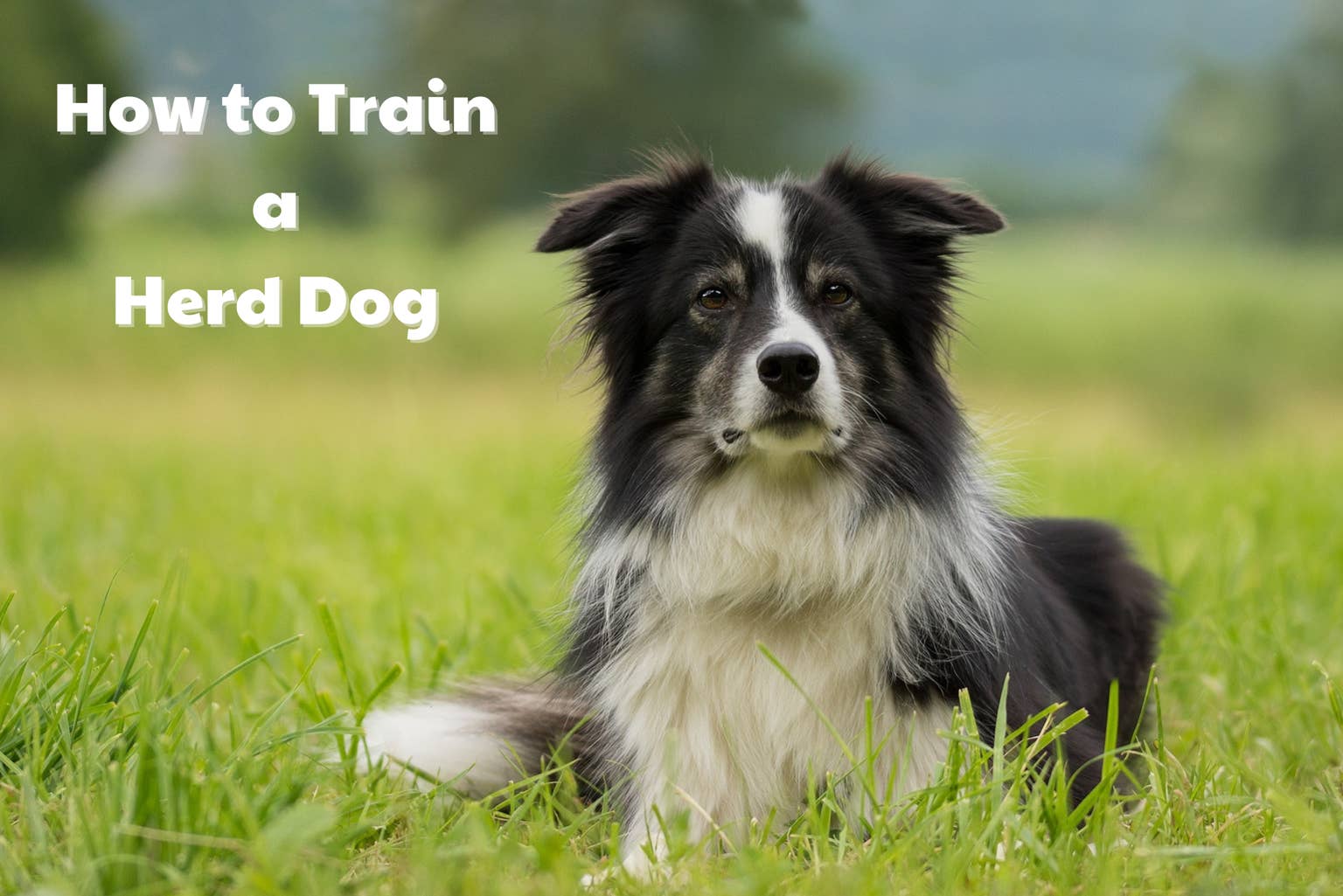
Credit: pethelpful.com
Early Training Techniques
Early training techniques set the foundation to stop herding dogs from nipping. These techniques help shape good behavior before unwanted habits form. Starting early can make training easier and more effective. Young dogs learn fast and respond well to gentle guidance. Focus on building trust and clear communication.
Socialization With People And Animals
Expose your dog to different people and animals often. This reduces fear and excitement that cause nipping. Let your dog meet calm dogs and friendly people. Watch how your dog behaves around others. Reward calm and gentle actions with praise or treats. Socialization helps your dog learn how to play nicely. Avoid overwhelming your dog with too many new experiences at once.
Teaching Bite Inhibition
Bite inhibition teaches your dog to control the strength of their bite. Use gentle play to practice this skill. When your dog nips too hard, say “ouch” or make a sharp sound. Stop playing for a moment to show the bite was too strong. Resume play only when your dog is gentle. This teaches your dog to be careful with their mouth. Consistency is key for your dog to understand limits.
Using Positive Reinforcement
Reward good behavior to encourage your dog to repeat it. Use treats, praise, or petting as rewards. Catch your dog being gentle and calm. Give rewards immediately to link the good behavior. Avoid punishment, which can cause fear or aggression. Positive reinforcement builds a strong bond and trust. It helps your dog learn what you want quickly and happily.
Behavioral Corrections
Behavioral corrections help herding dogs learn not to nip. These techniques teach dogs proper ways to express energy. Consistency and patience make training effective. Dogs respond best to clear signals and calm guidance. Correcting behavior early prevents bad habits from forming.
Redirecting Nipping To Toys
Offer a toy when your dog tries to nip. This shows what is okay to bite. Use strong, chew-safe toys for this purpose. Praise your dog for biting the toy, not hands. This teaches your dog to focus on toys only.
Consistent Commands And Signals
Use the same words for correction every time. Short commands like “No” or “Stop” work best. Use a firm, calm voice to avoid confusion. Pair commands with hand signals for clarity. Consistency helps your dog understand limits quickly.
Ignoring Undesired Behavior
Stop all attention when your dog nips. Turn away or walk out of the room calmly. Do not yell or hit, as this may scare your dog. Ignoring nipping shows that biting does not get rewards. Your dog will learn nipping leads to no fun.
Exercise And Mental Stimulation
Exercise and mental stimulation play a crucial role in training herding dogs not to nip. These dogs have high energy levels and sharp minds that need constant engagement. Without proper outlets, their nipping behavior can worsen due to boredom or excess energy.
Daily Physical Activities
Regular physical activity helps your herding dog release built-up energy, reducing the urge to nip. Aim for at least 30 to 60 minutes of brisk walks, runs, or play sessions every day. Activities like fetch or jogging alongside you can wear out your dog physically and calm their nipping tendencies.
Have you noticed how your dog behaves after a long walk? Often, a tired dog is a well-behaved dog. Keeping them physically active is the first step to curbing unwanted nipping.
Interactive Games And Puzzles
Mental stimulation is just as important as physical exercise. Use interactive games and puzzles to challenge your dog's brain and focus their energy positively. Toys that dispense treats or require problem-solving can keep your dog busy and distracted from nipping impulses.
Try rotating different puzzles to maintain your dog’s interest. It’s amazing how a clever toy can change your dog’s behavior by simply providing a mental task. What kind of puzzle has your dog enjoyed the most?
Structured Herding Exercises
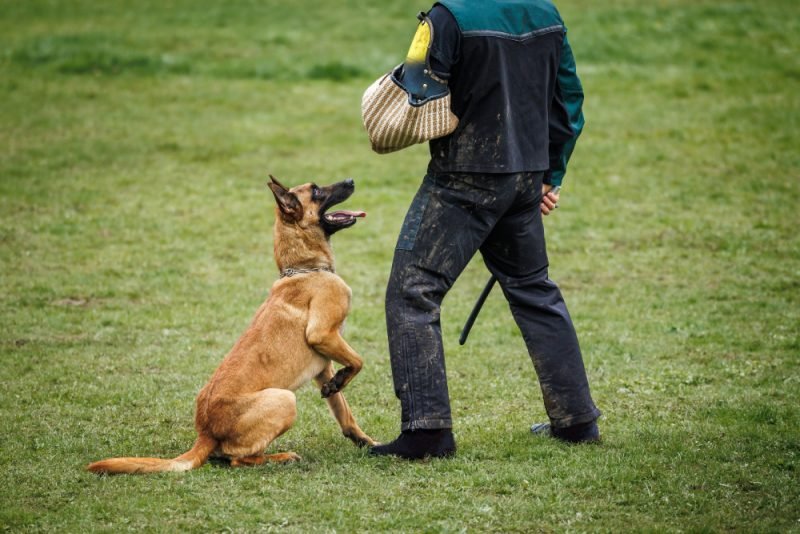
Structured herding exercises tap into your dog’s natural instincts while teaching control and discipline. These exercises provide a purposeful outlet for their herding drive, reducing frustration that often leads to nipping. Use commands and tools like herding balls or flags to guide your dog during these drills.
Training sessions focused on herding not only exercise your dog but also strengthen your communication. Have you tried controlled herding practice with your dog? It can transform their behavior and deepen your bond.
When To Seek Professional Help
Knowing when to seek professional help can save both you and your herding dog a lot of frustration. Nipping is a natural behavior for many herding breeds, but when it becomes persistent or aggressive, outside expertise can make a significant difference. Don’t wait until the problem escalates; recognizing the signs early can lead to faster and more effective solutions.
Recognizing Persistent Nipping
Ask yourself if your dog’s nipping happens frequently and despite your consistent corrections. Is the nipping more aggressive or causing injuries? Persistent nipping that doesn’t improve with your training efforts is a clear sign you need professional intervention.
Also, consider if your dog nips in varied situations or only during specific activities like play or herding drills. Consistency in problematic nipping often points to deeper behavioral issues that require expert analysis.
Choosing The Right Trainer
Look for trainers who specialize in herding breeds or dog aggression. Their experience with nipping behaviors can provide targeted strategies that generic trainers might miss.
- Check their credentials and ask for references.
- Observe how they interact with your dog during an initial session.
- Ensure their training methods align with your values—positive reinforcement usually works best.
Remember, the right trainer will not only address nipping but also help you understand your dog’s natural instincts better.
Behavioral Therapy Options
Sometimes, nipping is tied to anxiety, stress, or other underlying issues. Behavioral therapy can uncover these causes and provide tailored treatment plans.
Therapies may include:
- Desensitization to triggers that provoke nipping
- Controlled exposure combined with positive reinforcement
- Relaxation techniques and environmental modifications
Have you noticed if your dog’s nipping spikes during certain events or environments? A behavioral therapist can help you pinpoint these triggers and work on long-term solutions.

Credit: www.dogster.com

Credit: marleybones.com
Frequently Asked Questions
How Can I Stop My Herding Dog From Nipping?
To stop nipping, redirect your dog's energy with toys and commands. Use consistent training and positive reinforcement. Avoid harsh punishments, as they can increase aggression. Regular exercise reduces excess energy that causes nipping.
Why Do Herding Dogs Nip In The First Place?
Herding dogs nip to control movement, a natural instinct. They use nipping to gather or move animals. Without proper training, this behavior can transfer to humans. Understanding this helps tailor effective training methods.
What Training Methods Work Best For Nipping Behavior?
Use gentle corrections, like a firm "no" or timeouts. Reward calm behavior with treats and praise. Teach alternative behaviors, such as fetch or sit. Consistency and patience are key for success.
When Should I Seek Professional Help For Nipping?
Seek help if nipping is aggressive or causes injury. Professional trainers can assess behavior and create a plan. Early intervention prevents escalation and ensures safety. Don’t wait if the problem worsens.
Conclusion
Training herding dogs not to nip requires patience and consistency. Start with basic commands. Reward good behavior with treats. Redirect their energy through games and activities. Use firm, clear commands to correct nipping. Always stay calm and assertive. Avoid shouting or aggression.
Socialize your dog with other pets and people. Practice regularly to reinforce positive behavior. Remember, patience is key. Celebrate small victories along the way. With time, your herding dog will learn. Enjoy the bond you build during training. Happy herding!