Does your dog bark nonstop every time another dog walks by? It can be frustrating and exhausting for you—and stressful for your furry friend.
But don’t worry, you’re not alone, and there are simple, effective ways to help your dog stay calm around other dogs. Imagine peaceful walks where your dog stays relaxed, making outings enjoyable again. You’ll discover easy steps you can start using today to train your dog to stop barking at other dogs.
Keep reading, and take the first step toward a calmer, happier companion.
Reasons Dogs Bark At Others
Dogs bark at other dogs for several reasons. Understanding these reasons helps in training them effectively. Barking is a natural way for dogs to communicate. It can express emotions like fear, excitement, or warning. Recognizing the cause is the first step to stop unwanted barking.
Territorial Behavior
Dogs often bark to protect their space. They see other dogs as intruders. Barking warns others to stay away. This behavior is stronger in some breeds. It helps dogs feel safe and in control.
Fear And Anxiety
Some dogs bark because they feel scared. New or unfamiliar dogs can trigger this fear. Barking is a way to keep danger at a distance. Anxious dogs may bark loudly and repeatedly. This shows they feel threatened or unsure.
Attention Seeking
Dogs learn that barking gets attention. They want to play or be noticed. Barking may follow when they feel lonely. Owners often respond by petting or talking. This encourages dogs to bark more for attention.
Lack Of Socialization
Dogs not used to other dogs bark out of confusion. They do not know how to behave properly. Social skills develop by meeting other dogs early. Without this, dogs may react with loud barking. Training and exposure can reduce this behavior.
Recognizing Barking Triggers
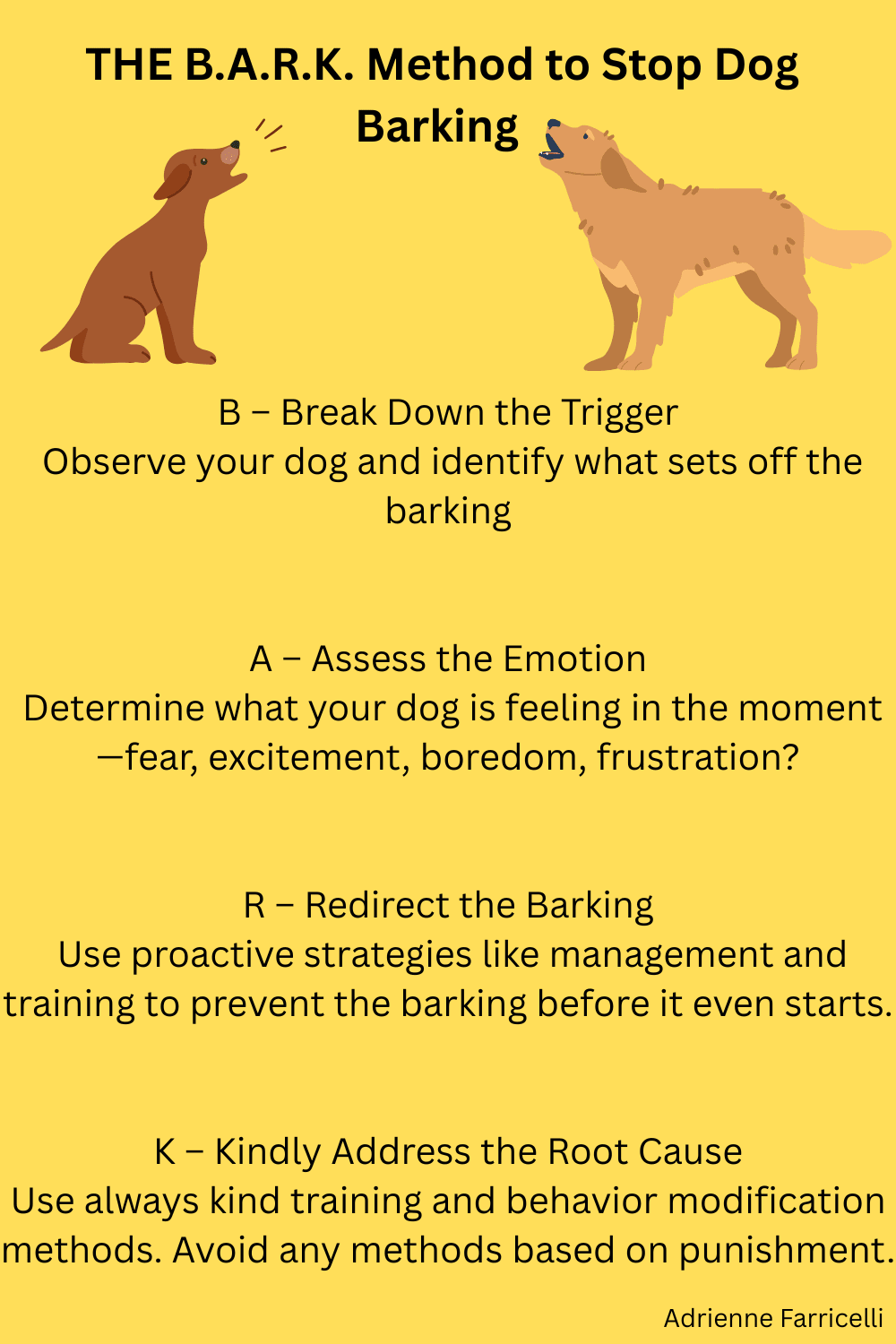
Recognizing what triggers your dog's barking at other dogs is the first step to changing this behavior. Each dog reacts differently, so paying close attention to the specific causes is key. By identifying these triggers, you can tailor your training approach and reduce unnecessary barking effectively.
Situational Cues
Certain situations often provoke barking. Your dog might bark when other dogs approach during walks or when left alone in the yard. Notice if your dog reacts more in crowded places or when unfamiliar dogs are nearby.
Think about your own experience: have you seen your dog bark more during a walk in the park or at a quiet neighborhood street? These clues help you pinpoint when your dog feels threatened or excited.
Environmental Factors
Noise levels, visibility, and the presence of distractions can increase barking. A noisy street or a busy dog park might overwhelm your dog, causing more vocal reactions.
Consider if your dog barks more behind a fence or in an open space. Changes in the environment often affect their comfort level and behavior.
Body Language Signs
Your dog’s body language often signals a brewing bark. Watch for stiff posture, raised hackles, or intense staring at other dogs.
Have you noticed your dog’s tail position or ear movements right before they start barking? These signs can alert you early, giving you a chance to intervene before the barking starts.
Basic Obedience Training
Basic obedience training lays the foundation for stopping your dog from barking at other dogs. Without solid commands and good behavior habits, it’s hard to control your dog’s reactions. Training your dog to listen and respond calmly can make a huge difference in how they behave around distractions.
Teaching The Quiet Command
Start by getting your dog to understand the word “quiet.” When your dog barks, calmly say “quiet” and wait for them to stop barking, even if it’s just for a second. The moment they pause, praise them and offer a treat immediately.
Repeat this several times during a session. You want your dog to connect the word “quiet” with stopping barking. Over time, increase how long they must stay quiet before getting a reward.
Using Positive Reinforcement
Rewarding good behavior works better than punishing bad behavior. Whenever your dog stays calm around other dogs, give them a treat or affection. This teaches them that staying quiet brings positive results.
Try to catch your dog being good before they start barking. This proactive approach helps build a strong habit of calmness. Treats, toys, or verbal praise can all motivate your dog to listen better.
Consistency In Training Sessions
Regular, short training sessions work best. Practice the “quiet” command daily and use the same words and tone every time. Your dog needs clear and consistent signals to understand what you expect.
Consistency also means involving everyone who interacts with your dog. If one person lets the dog bark, it confuses them. Make sure everyone follows the same rules and training approach to avoid mixed messages.
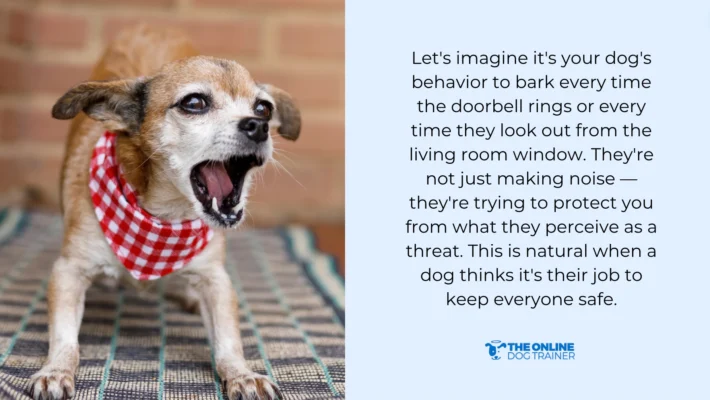
Credit: theonlinedogtrainer.com
Desensitization Techniques
Desensitization techniques help your dog get used to seeing other dogs without reacting with barking. This process gently reduces your dog's sensitivity by exposing them to triggers in a controlled way. It requires patience and consistency but can make a big difference in your dog's behavior.
Controlled Exposure To Other Dogs
Start by introducing your dog to other dogs in a calm and controlled environment. Choose a quiet park or a spot where dogs are present but at a low density. Keep your dog on a leash and stay relaxed, as your energy affects your dog's reaction.
Try to notice the distance at which your dog starts barking. This is your starting point for training. The goal is to expose your dog to other dogs without triggering the barking.
Gradual Increase In Distance
Once you find the distance that keeps your dog calm, gradually reduce it over time. Move a little closer each day or week, depending on your dog’s comfort level. Don’t rush this step — pushing too fast can cause setbacks.
Keep sessions short and positive. If your dog starts barking, increase the distance again before trying to close in more next time. This slow approach helps your dog build confidence.
Pairing With Rewards
Use treats and praise to reward your dog for calm behavior during exposure. Whenever your dog sees another dog and stays quiet, give immediate positive reinforcement. This teaches your dog that good things happen when they don’t bark.
You can also add toys or playtime as rewards, based on what your dog loves most. This creates a strong association between seeing other dogs and positive experiences, encouraging quieter behavior in the future.
Counter-conditioning Methods
Counter-conditioning is a powerful tool to help your dog stop barking at other dogs. It changes how your dog feels about seeing other dogs. Instead of feeling scared or excited, your dog learns to feel calm and relaxed. This method uses positive experiences to replace negative reactions. The goal is to create a new, peaceful habit that lasts.
Changing Emotional Responses
Dogs bark because they feel anxious, scared, or excited. Changing these feelings is key to reducing barking. Start by exposing your dog to other dogs at a distance. Use treats or toys to create a happy feeling. Gradually bring your dog closer while giving rewards for calm behavior.
This teaches your dog to associate other dogs with good things. Over time, the barking decreases as the new feelings grow stronger. Patience is important. Keep sessions short and positive to avoid stress.
Replacing Barking With Calm Behavior
Teaching your dog to stay calm can stop barking fast. Use commands like "sit" or "watch me" to get your dog's attention. Reward your dog for quiet and calm behavior near other dogs. Practice this often in safe, controlled settings.
Use treats or praise as rewards. This makes calmness more rewarding than barking. Slowly increase the challenge by adding more distractions. With regular practice, calm behavior will become your dog's habit.
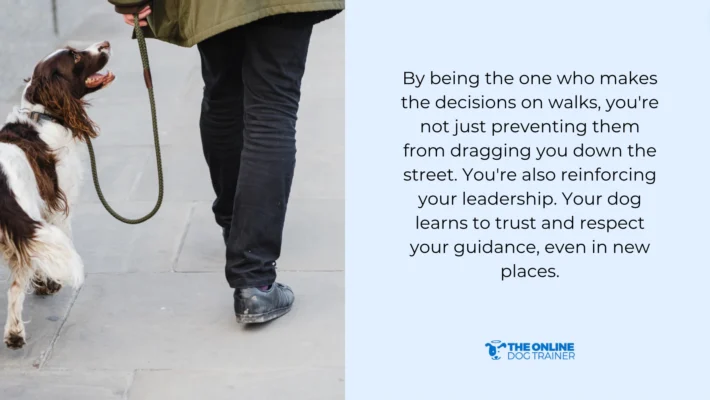
Credit: theonlinedogtrainer.com
Managing The Environment
Managing your dog's environment helps reduce barking at other dogs. Changing surroundings controls triggers and lowers stress. Proper management teaches calm behavior with less effort. Here are key ways to shape your dog's environment effectively.
Avoiding High-stress Situations
Keep your dog away from places with many dogs. Crowded parks or busy sidewalks raise anxiety and barking. Choose quiet areas for walks and playtime. Watch your dog's body language for signs of stress. Early removal prevents reactive barking and builds positive habits.
Using Physical Barriers
Physical barriers help limit your dog's view of other dogs. Fences, gates, or bushes create safe zones at home. Use barriers during walks, like parked cars or trees, as shields. Reducing visual contact lowers excitement and barking triggers. This gives your dog time to relax and focus on you.
Leash And Harness Control
A proper leash and harness give you better control during walks. Choose a comfortable harness that stops pulling without pain. Keep your dog close but relaxed on a short leash. This limits lunging toward other dogs and sudden barking. Controlled movement lets you guide your dog's attention easily.
Tools And Aids
Training your dog to stop barking at other dogs can feel overwhelming, but using the right tools and aids can make a big difference. These tools help you communicate clearly and keep your dog focused during training sessions. Choosing what fits your dog’s personality and your training style is key to success.
Clickers And Training Devices
Clickers are small devices that make a sharp, consistent sound to mark the exact moment your dog does something right. This helps your dog understand what behavior you want without confusion.
Pairing a clicker with treats or praise can accelerate learning. Many trainers find that using a clicker keeps their sessions clear and positive. Have you tried clicking right as your dog stops barking? The instant feedback can be surprising in how quickly your dog learns.
Anti-bark Collars: Pros And Cons
Anti-bark collars come in various types: vibration, citronella spray, or mild static correction. They aim to discourage barking by delivering a stimulus when your dog barks.
While some dogs respond well, others may become anxious or confused. It’s important to weigh the benefits against potential stress for your dog. Ask yourself: Is this collar helping your dog understand what you want, or just stopping the behavior temporarily?
Use these collars as a last resort and always combine them with positive training methods to ensure lasting results.
Interactive Toys For Distraction
Interactive toys can divert your dog’s attention from other dogs and reduce barking triggers. Toys that dispense treats or require problem-solving keep your dog mentally engaged.
Using these toys during walks or visits to dog parks can reduce anxiety and help your dog focus on something fun instead of barking. Have you noticed how a busy mind often means a quieter dog? Introducing play at the right moments can be a powerful tool in your training kit.
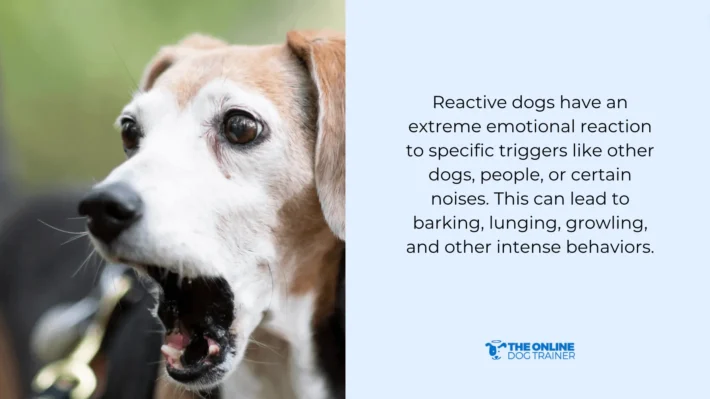
Credit: theonlinedogtrainer.com
When To Seek Professional Help
Knowing when to seek professional help is key to managing your dog’s barking at other dogs. Some behaviors need expert attention beyond basic training. Early intervention can prevent problems from worsening. It saves time and stress for both you and your dog.
Professional help offers tailored solutions and expert guidance. It helps address root causes and teaches you effective techniques. Recognizing signs like persistent barking, aggression, or anxiety is crucial. These often indicate the need for specialized support.
Behavioral Specialists
Behavioral specialists focus on your dog’s mental and emotional health. They assess triggers and develop personalized plans. These experts use science-based methods to change unwanted behaviors. Their approach often includes positive reinforcement and gradual exposure. They provide hands-on help for complex cases.
Advanced Training Programs
Advanced training programs offer structured learning beyond basic obedience. Trainers use specialized techniques for barking and socialization issues. Group classes help dogs interact safely with others. Programs often include real-life scenarios to practice control. They build confidence and reduce reactivity step by step.
Veterinary Consultation
Veterinarians check for medical causes of excessive barking. Pain, hearing loss, or neurological issues can trigger barking. A health check rules out these problems early. Vets may recommend medication or therapy alongside training. Regular check-ups keep your dog healthy and calm.
Frequently Asked Questions
How Can I Stop My Dog From Barking At Other Dogs?
To stop your dog from barking at other dogs, use consistent training. Start by teaching the "quiet" command and reward your dog for calm behavior. Gradually expose your dog to other dogs in controlled environments. Positive reinforcement, patience, and consistency are key to success.
What Causes Dogs To Bark At Other Dogs?
Dogs bark at other dogs due to excitement, fear, or territorial instincts. Understanding the root cause helps in addressing the behavior effectively. Observing your dog's body language can provide insights. Training and socialization can help manage and reduce unnecessary barking.
Is Professional Training Necessary For Barking Issues?
Professional training can be beneficial, especially for persistent barking issues. Trainers provide tailored strategies and guidance. They can help identify specific triggers and implement effective techniques. For severe cases, professional help ensures a structured approach, promoting faster progress and better results.
Can Socialization Reduce My Dog's Barking?
Yes, socialization can significantly reduce barking. Exposing your dog to various environments and other dogs can decrease anxiety and excitement. Regular socialization helps your dog become more comfortable and less reactive. It promotes better behavior in different situations.
Conclusion
Training your dog to stop barking at other dogs takes time and patience. Stay calm and consistent with your approach. Reward good behavior to encourage quiet moments. Practice regularly in different places for best results. Remember, your dog learns from you every day.
Small steps lead to big changes over time. Enjoy the process and celebrate progress. Your efforts will help create peaceful walks ahead.