Are you tired of stepping into unexpected messes and struggling to keep your home clean? Training your dog not to poop in the house can feel overwhelming, but it doesn’t have to be.
With the right techniques, patience, and a bit of consistency, you can teach your furry friend where it’s okay to go. Imagine enjoying a fresh, odor-free home and a happier pet who understands your rules. Keep reading, and you’ll discover simple, effective steps to make indoor accidents a thing of the past.
Your clean home and well-trained dog are closer than you think!

Credit: www.ohcrap.com.au
Choose The Right Spot
Choosing the right spot for your dog to poop is key to successful house training. A clear, specific place helps your dog know exactly where to go. This reduces accidents and builds good habits fast. Consider the dog's comfort and your home's layout when picking a spot.
Pick A Consistent Location
Use the same place every time your dog needs to poop. Consistency helps your dog learn quickly. Dogs remember spots by smell and routine. Avoid changing the location often. This can confuse your dog and slow training.
Make the spot easy to reach and safe. It should feel comfortable for your dog. Keep the area clean to encourage your dog to use it. Use training pads or a special mat if needed. Praise your dog when it uses the spot correctly.
Consider Outdoor Vs Indoor Options
Think about whether your dog will go outside or inside. Outdoor spots are natural but depend on weather and your schedule. Indoor spots work well for small spaces or bad weather days.
Outdoor training needs a spot with grass or dirt. Avoid busy or noisy areas that scare your dog. Indoor spots should be in a quiet corner, away from food and play areas.
Both choices need regular cleaning. Use the same spot to avoid accidents elsewhere. Observe your dog’s preferences and adjust the spot if needed. This makes training smoother and faster.
Establish A Routine
Establishing a routine is essential for teaching your dog not to poop inside the house. Dogs thrive on predictability, and a consistent schedule helps them understand when and where they should go to the bathroom. This reduces accidents and builds good habits over time.
Set Regular Feeding Times
Feeding your dog at the same times every day can regulate their digestion and bathroom needs. When you know exactly when your dog eats, you can better predict when they will need to go outside.
Try feeding your dog twice or three times a day at consistent hours. This prevents random bathroom urges and gives you control over their routine. Have you noticed how your own eating schedule influences your bathroom breaks? The same applies to your dog.
Schedule Frequent Bathroom Breaks
Taking your dog outside regularly is crucial, especially after meals, naps, and playtime. Puppies and smaller breeds may need bathroom breaks every 1-2 hours, while adult dogs can wait longer.
Keep a close eye on signs like sniffing or circling, which often mean your dog needs to go. Setting alarms or reminders can help you maintain these breaks without missing a beat. How often do you think your dog needs to go out to avoid accidents?
Use Positive Reinforcement
Using positive reinforcement is a gentle and effective way to teach your dog not to poop inside the house. This approach focuses on encouraging good habits by rewarding your dog for the right behavior. It creates a positive connection between going outside and receiving praise or treats.
Dogs learn best through rewards. They quickly understand which actions please their owner and which do not. Patience and consistency are key. Rewarding your dog each time they poop outside helps them repeat this behavior.
Reward Desired Behavior
Always praise your dog immediately after they poop outside. Use treats, petting, or cheerful words to show approval. The reward should happen right after the action so your dog links the two.
- Take your dog to the potty spot regularly.
- Give a treat or verbal praise after they finish.
- Make the reward exciting and motivating.
- Keep rewards small but frequent during training.
This clear reward system encourages your dog to choose the right place every time.
Avoid Punishment
Never scold or punish your dog for accidents inside. Punishment causes fear and confusion. Your dog may hide or become anxious, which slows down learning.
- Ignore accidents calmly.
- Clean messes thoroughly to remove odors.
- Focus on rewarding the correct behavior instead.
Positive reinforcement builds trust. It helps your dog feel safe and eager to please you. This method leads to better, faster results in house training.

Credit: www.amazon.com
Monitor Your Dog Closely
Keeping a close eye on your dog is essential when training them not to poop in the house. Dogs often give subtle clues before they need to go, and catching these signals can prevent accidents. Paying attention to your dog’s behavior helps you respond quickly and reinforces good habits.
Watch For Signs Of Needing To Go
Dogs rarely just squat without warning. They may sniff around, circle, or pace near the door. Some even whine or scratch at the floor. Noticing these signs means you can take your dog outside right away.
Have you ever seen your dog suddenly stop playing and start acting restless? That’s often a signal they need a bathroom break. The more you observe, the better you get at predicting their needs.
Limit Access To Unsupervised Areas
Giving your dog free run of the house too soon can lead to accidents. Use baby gates or closed doors to restrict areas where accidents might happen unnoticed. This makes supervision easier and helps your dog learn where it’s okay to go.
When I limited my puppy’s access to just one room, it was easier to spot when she needed to go out. This simple step saved me from cleaning many messes. Think about where your dog tends to have accidents and block off those spots.
Crate Training Benefits
Crate training offers a powerful way to teach your dog not to poop inside your house. It creates a safe, controlled environment that naturally encourages your dog to hold their bladder and bowels until they are outside. Many dog owners find that a well-used crate becomes a cozy den where their pet feels secure and less anxious.
Select The Right Crate Size
The size of the crate matters a lot. Your dog should have enough room to stand up, turn around, and lie down comfortably. But if the crate is too large, your dog might use one corner as a bathroom spot, which defeats the purpose.
Think about your dog’s current size and how much they might grow. Puppies especially need a crate that can adjust in size or be swapped out as they develop. A snug but not cramped space helps your dog learn to control their bathroom needs.
Introduce The Crate Gradually
Don’t just force your dog into the crate and close the door. Start by letting your dog explore the crate with the door open, maybe placing treats or toys inside. You want your dog to associate the crate with positive experiences.
Try feeding your dog meals inside the crate to build comfort. Then, close the door for short periods, gradually increasing the time. This slow introduction reduces stress and helps your dog accept the crate as their own spot.
Credit: pethelpful.com
Clean Accidents Properly
Cleaning up after accidents quickly and thoroughly is key to training your dog not to poop in the house. If any mess is left behind, even a tiny scent can invite your dog to repeat the behavior in the same spot. Proper cleaning removes those odors and helps your dog understand that the house is not a bathroom.
Use Enzyme Cleaners
Regular household cleaners might clean the visible mess but often fail to remove the smell deep in the carpet or floor. Enzyme cleaners break down the organic compounds in dog waste, eliminating odors at their source. This makes it less likely for your dog to mark that spot again.
When I first started training my dog, I underestimated this step and used bleach and soap. The smell lingered, and accidents kept happening in the same spot. After switching to an enzyme cleaner, those repeat accidents stopped almost immediately.
Prevent Repeat Incidents
After cleaning, take steps to block your dog’s access to the accident area. Use baby gates or furniture to create a barrier if needed. This physical prevention helps your dog associate that space with “no bathroom” and redirects them to the right spot.
Also, watch your dog’s behavior closely after an accident. Often, dogs return to the same place if it still smells like a bathroom. Combining thorough cleaning with careful supervision and timely bathroom breaks can stop the cycle before it starts again.
Address Medical Issues
Addressing medical issues is a crucial step in training your dog not to poop inside the house. Sometimes, health problems cause accidents, no matter how well-trained your dog is. Checking your dog’s health ensures there is no physical reason behind the behavior. This step helps prevent frustration and promotes better care for your pet.
Consult Your Veterinarian
Visit your veterinarian to discuss your dog’s house soiling. The vet can perform a full health check. They check for signs of illness or discomfort. Sharing detailed information about your dog’s behavior helps the vet diagnose problems. The vet may suggest tests or treatments. Early consultation avoids worsening health issues.
Rule Out Health Problems
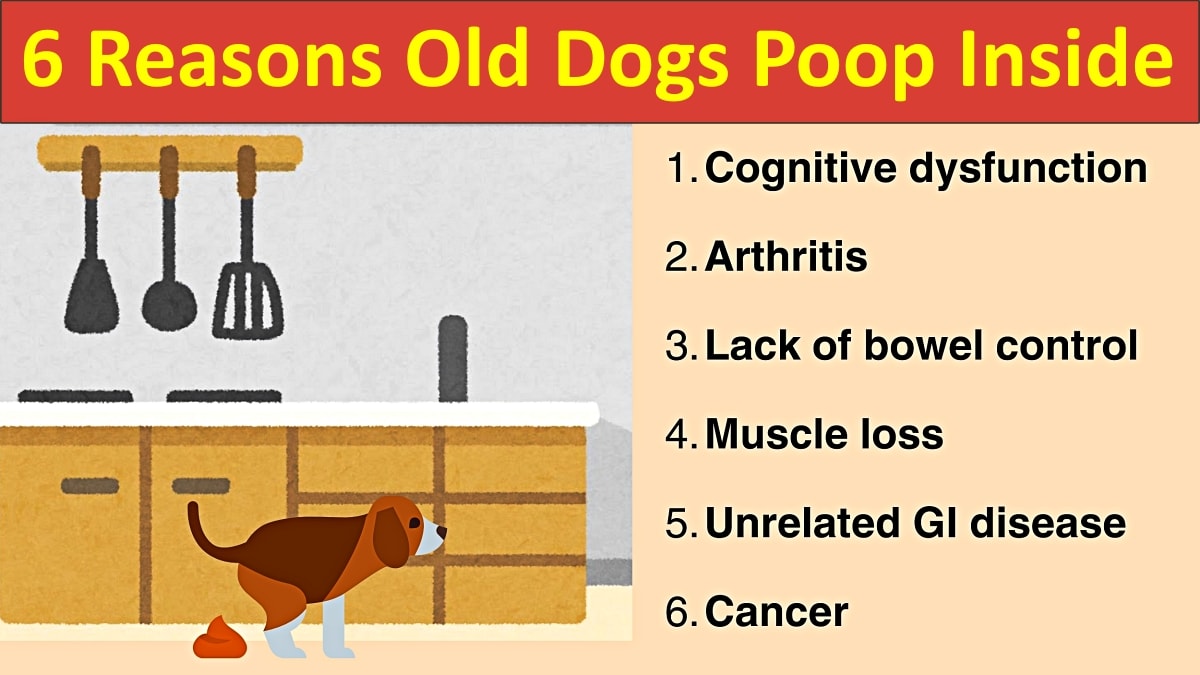
Health issues like infections, digestive problems, or parasites can cause indoor pooping. Conditions such as urinary tract infections or diarrhea need treatment. Sometimes, aging dogs face control loss due to arthritis or cognitive decline. Identifying these issues helps tailor your training approach. Treating health problems often stops accidents quickly. Keep monitoring your dog’s health during training.
Be Patient And Consistent
Training a dog not to poop inside the house takes time and effort. Patience and consistency are key. Dogs learn best through regular routines and clear signals. Avoid rushing the process or showing frustration. Stay calm and keep a steady approach. Small, steady steps help your dog understand what you expect.
Track Progress Over Time
Keep a daily log of your dog’s bathroom habits. Note times and places where accidents happen. Look for patterns in your dog's behavior. Celebrate small wins like longer stretches without accidents. Tracking progress helps you see improvements clearly. It also shows if your current routine works well.
Adjust Techniques As Needed
Every dog is different in how they learn. Watch how your dog responds to training methods. Change your approach if accidents continue often. Try different potty times or rewards for good behavior. Stay flexible but keep your core routine steady. Adjustments help make training smoother and more effective.
Frequently Asked Questions
How Long Does Dog House Training Usually Take?
House training a dog typically takes 4 to 6 weeks with consistent effort. Regular schedules and positive reinforcement speed up learning. Patience and routine are key to success.
What Are The Best Methods To Stop Indoor Pooping?
Use crate training, frequent outdoor breaks, and praise for outdoor pooping. Clean accidents thoroughly to remove smells. Avoid punishment, as it can confuse your dog and delay training.
How Often Should I Take My Dog Outside To Poop?
Take your dog outside every 2 to 3 hours, especially after eating, drinking, or waking. Frequent trips help establish a routine and reduce indoor accidents effectively.
Can Diet Affect My Dog’s Indoor Pooping Habits?
Yes, diet impacts digestion and stool consistency. Feed high-quality, consistent meals and avoid sudden diet changes to prevent accidents. Proper diet aids in regular bathroom habits.
Conclusion
Training your dog requires patience and consistency. Celebrate small wins. Reward your dog for doing the right thing. Maintain a routine. Dogs thrive on habits. Take them outside regularly. Give them enough time to relieve themselves. Clean accidents promptly with pet-safe products.
This prevents repeat mistakes. Stay calm during mishaps. Scolding can confuse your dog. Keep sessions short but frequent. Gradually, your dog will learn. A clean house is possible with effort. Remember, every dog learns at its own pace. Be patient and consistent.
Soon, your dog will understand the rules. Happy training!