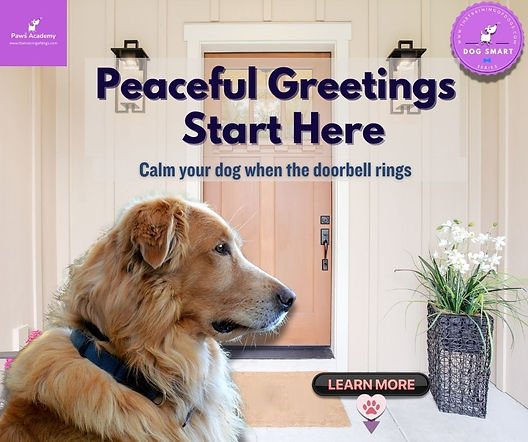
Does your dog go wild every time the doorbell rings? It can be frustrating and stressful, especially when guests arrive or you’re trying to focus.
But what if you could teach your dog to stay calm and quiet instead? You’re about to discover simple, effective steps to stop that barking habit for good. Keep reading, because your peaceful home—and a happier dog—are just around the corner.
Why Dogs Bark At Doorbells
Dogs bark at doorbells for many reasons. This behavior is natural and rooted in their instincts. Understanding why dogs react this way helps in training them effectively. It also creates a calm home environment for everyone. The following sections explain the main causes of barking at doorbells.
Instinctive Reactions
Dogs hear the doorbell as a signal of a visitor. Their natural instinct is to alert their family. Barking serves as a warning to protect their home. This reaction comes from their wild ancestors. It helped them stay safe from strangers and danger.
Territorial Behavior
Dogs see their home as their territory. The doorbell means someone wants to enter this space. Barking shows the dog’s claim over the area. It is a way to keep intruders away. This behavior is stronger in some breeds than others.
Anxiety And Excitement
Some dogs bark due to nervousness or excitement. The doorbell creates a sudden change in their environment. They might feel unsure or overly eager. Barking helps them express these strong emotions. Training can teach dogs to stay calm in these moments.

Credit: www.thetrainingofdogs.com
Preparing For Training
Preparing your dog for training to stop barking at the doorbell is a crucial first step. It sets the tone for success and keeps your sessions smooth. Preparation means gathering the right tools, choosing a quiet space, and setting clear goals. This foundation helps your dog learn faster and makes training less stressful for both of you.
Gathering Necessary Tools
Collect items that will help during training. Use treats as rewards for good behavior. Choose small, soft treats that your dog loves. Have a clicker or a marker word ready to signal correct actions. Prepare a leash to keep your dog close and focused. Also, ensure you have a doorbell sound source, like a recording or someone to ring it.
Choosing The Right Environment
Select a quiet place with few distractions. A calm room inside your home works best. Avoid noisy areas or places with many people. Keep your dog comfortable and relaxed. Make sure the training space is safe and free from hazards. This setting helps your dog pay attention to you and the training.
Setting Realistic Goals
Start with small, clear targets for your dog. Aim for less barking each time the doorbell rings. Reward moments of calm and quiet behavior. Keep training sessions short, around 5 to 10 minutes. Consistency is key, so practice often. Gradually increase difficulty as your dog improves.
Basic Training Techniques
Training a dog not to bark at the doorbell requires patience and clear techniques. Basic training helps your dog understand what behavior you want. Consistency in these techniques leads to better results. These simple steps focus on calm responses and control over barking.
Using Positive Reinforcement
Positive reinforcement rewards good behavior. Give treats or praise when your dog stays quiet. This encourages your dog to repeat calm actions. Avoid punishment, as it can cause fear or confusion. Reward calmness immediately after the doorbell rings.
Teaching The Quiet Command
Teaching "quiet" helps control barking. Start by letting your dog bark at the doorbell. Wait for a pause, then say "quiet" in a calm voice. Reward silence with a treat. Practice often until your dog learns to stop barking on command.
Desensitizing To Doorbell Sounds
Desensitizing reduces the dog’s reaction to the doorbell. Play doorbell sounds softly at first. Gradually increase volume over time. Reward calm behavior during the sound. This helps your dog get used to the noise without barking.
Advanced Strategies
Advanced strategies help deepen your dog’s training to stop barking at the doorbell. These techniques go beyond basic commands. They focus on changing your dog’s emotional response and managing the environment around them. This approach leads to longer-lasting calm behavior.
Counter-conditioning Methods
Counter-conditioning changes how your dog feels about the doorbell sound. First, play the doorbell sound at a low volume. Give your dog a treat every time they hear it and stay quiet. Gradually increase the volume over time. This helps your dog associate the doorbell with positive things, not alarm.
Managing Triggers
Identify what triggers your dog’s barking. It could be the doorbell, footsteps, or shadows. Reduce these triggers during training sessions. Use a visual barrier or soundproofing to lessen the impact. Control who rings the bell and how often. This helps your dog focus on learning calm behavior.
Incorporating Distraction Techniques
Distractions keep your dog’s mind off the doorbell. Offer a favorite toy or a chew treat when the bell rings. Teach your dog to look at you or go to a safe spot. Use simple commands like “sit” or “stay” combined with rewards. This redirects their attention away from barking.
Consistency And Patience
Consistency and patience form the core of training your dog not to bark at the doorbell. This process takes time and steady effort. Dogs learn best through repeated practice and calm guidance. Staying patient helps prevent frustration for both you and your dog. Consistent routines build clear expectations and faster results.
Maintaining Regular Practice
Train your dog at the same time each day. Short sessions work better than long ones. Keep training fun and positive. Repeat doorbell ringing and reward quiet behavior immediately. Regular practice strengthens the habit of staying calm. Avoid skipping days to keep progress steady.
Tracking Progress
Note your dog’s reactions after each session. Record how often your dog barks at the doorbell. Track improvements and any setbacks. Use a simple chart or journal. This helps identify patterns and measures success. Celebrate small wins to stay motivated.
Adjusting Techniques As Needed
Watch your dog’s behavior carefully. If barking continues, change your approach slightly. Try different rewards or timing for treats. Use a gentler tone or more calm commands. Adapt based on what works best for your dog. Flexibility keeps training effective and less stressful.

Credit: www.thetrainingofdogs.com
Common Challenges
Training your dog not to bark at the doorbell can be tricky. You might expect quick results, but common challenges often slow progress. Understanding these hurdles helps you stay patient and adjust your approach effectively.
Dealing With Persistent Barking
Some dogs keep barking even after training starts. This persistence often comes from excitement or anxiety linked to the doorbell sound. If your dog barks nonstop, try breaking the training into smaller sessions to avoid overwhelming them.
Reward calm behavior right away to encourage quiet moments. Have you noticed if certain times or situations make your dog bark more? Identifying triggers can help tailor your training.
Handling Multiple Dogs
Training one dog is different from training two or more. Dogs can influence each other's behavior, sometimes making the barking problem louder. When one dog barks, others may join in, increasing the challenge.
Work with each dog individually before training them together. This approach helps each dog learn self-control without distractions. Have you tried training separately and then combining sessions? It often reduces group barking.
When To Seek Professional Help
If your dog’s barking doesn’t improve, a trainer or behaviorist can offer fresh strategies. Professionals can spot issues you might miss and provide personalized plans.
Consider help if barking causes stress for you or your neighbors. Would extra guidance speed up your progress and make training less frustrating? Sometimes, outside support is the key to success.
Tips For Long-term Success
Training your dog not to bark at the doorbell takes patience and consistency. Long-term success depends on ongoing effort and smart strategies. Keep your training steady and positive for lasting results.
Reinforcing Good Behavior
Reward your dog immediately when it stays quiet at the doorbell. Use treats, praise, or play to show approval. Consistent rewards help your dog learn what behavior you want.
Practice this often. Repeat the training in different situations to strengthen the habit. Your dog will understand that calmness brings positive attention.
Preventing Relapses
Stay alert to signs your dog might bark again. Avoid situations that trigger barking without control. Keep training sessions regular to remind your dog of the rules.
If barking returns, stay calm. Do not punish your dog harshly. Instead, return to basic training steps to rebuild good habits.
Creating A Calm Home Environment
A peaceful home helps reduce your dog’s anxiety and excitement. Provide a safe space where your dog can relax. Use soothing sounds or gentle lighting to create calmness.
Limit sudden noises or visitors to avoid startling your dog. A calm dog is less likely to bark at the doorbell. Consistent routines also help your dog feel secure.
Credit: www.chewy.com
Frequently Asked Questions
How Can I Stop My Dog Barking At The Doorbell?
Train your dog to associate the doorbell with calm behavior. Use treats and commands like “quiet” to reward silence when it rings. Consistent practice helps your dog stay calm and reduces barking over time.
Why Does My Dog Bark At The Doorbell?
Dogs bark at doorbells due to excitement, alertness, or territorial instincts. They see the sound as a signal of visitors or potential threats. Understanding this helps in training them to respond calmly instead of barking.
What Training Methods Work Best For Doorbell Barking?
Positive reinforcement, desensitization, and counter-conditioning are effective. Reward your dog for calm behavior and gradually expose them to the doorbell sound. Avoid punishment, as it can increase anxiety and worsen barking.
How Long Does It Take To Train A Dog Not To Bark?
Training time varies by dog’s age and temperament but usually takes a few weeks. Consistency and patience are key. Daily short sessions with rewards improve results and help your dog learn faster.
Conclusion
Training your dog not to bark at the doorbell takes patience. Consistency is key. Practice regularly with your dog. Use positive reinforcement for good behavior. Stay calm during training sessions. Your dog will learn over time. Remember, every dog is different.
Some may learn faster than others. Keep sessions short and fun. Celebrate small wins with your dog. A quiet home is achievable with effort. Enjoy the peaceful results. Your dog will feel more relaxed. You’ll appreciate the calmness, too. Happy training!