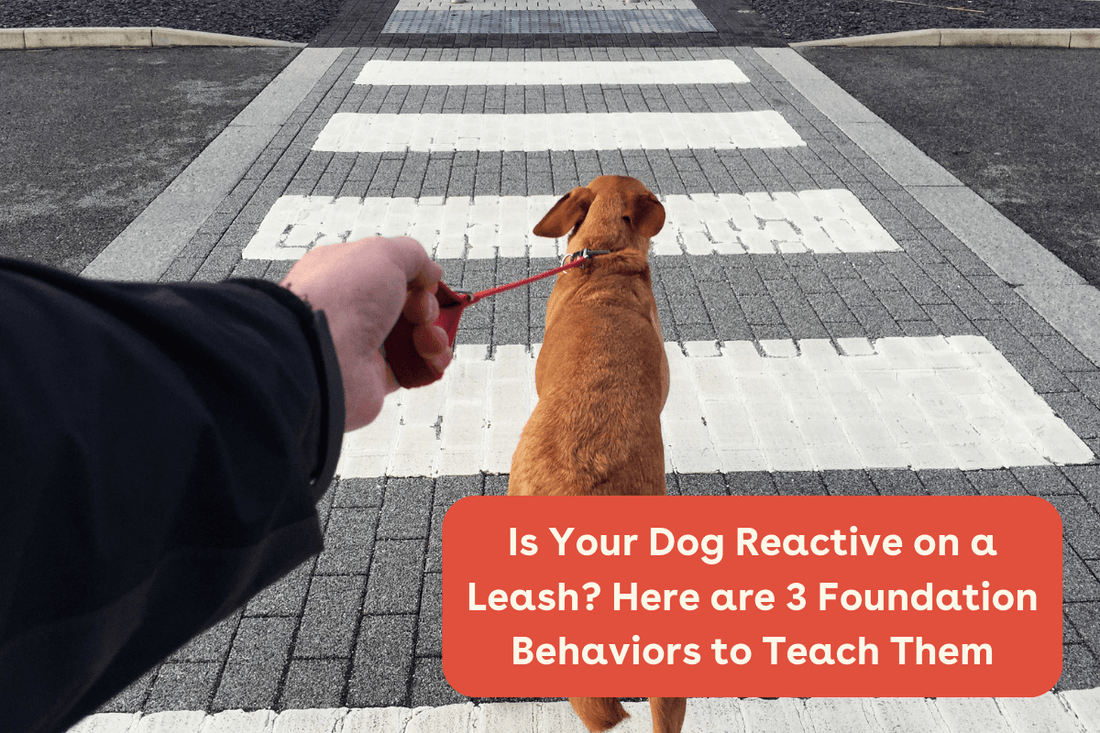
Do you struggle every time you take your dog for a walk because they pull, bark, or lunge at other dogs or people? It can feel frustrating and even embarrassing.
But what if you could turn those stressful walks into calm, enjoyable moments? Training a reactive dog on leash isn’t just possible—it can also strengthen the bond between you and your furry friend. In this guide, you’ll discover simple, effective steps that anyone can follow to help your dog stay calm and focused.
Keep reading, and you’ll learn how to transform your walks from chaos to calm.
Credit: theonlinedogtrainer.com
Causes Of Leash Reactivity
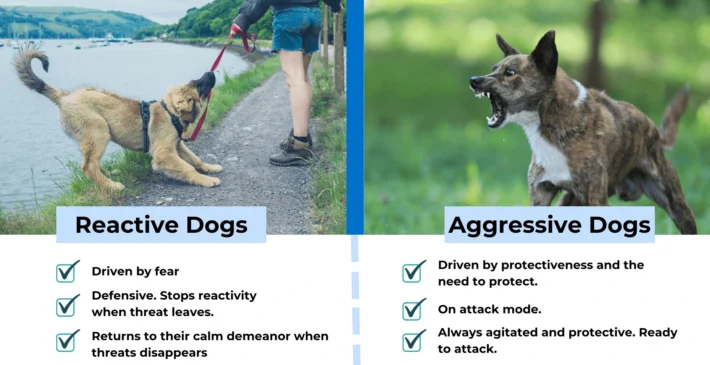
Leash reactivity can confuse many dog owners. Understanding its causes helps manage and reduce this behavior. Reactivity happens when a dog reacts strongly to stimuli while on a leash. The dog may bark, lunge, or growl. These reactions often stem from fear, frustration, or excitement.
Common Triggers
Several triggers can cause leash reactivity. Some common ones include:
- Other dogs passing by
- Strangers walking close
- Loud noises or sudden movements
- Cars or bicycles nearby
- Unfamiliar places or smells
Each dog reacts differently depending on their experiences and personality. Recognizing these triggers is the first step to helping your dog stay calm.
Behavioral Roots
Leash reactivity often has deep behavioral roots. Dogs may feel trapped or confined by the leash. This feeling can increase anxiety or frustration. Some dogs react to protect their owner or territory. Others may have past trauma or lack socialization. Stress and fear cause defensive behaviors. Understanding your dog's emotional state can guide your training approach.

Credit: theonlinedogtrainer.com
Preparing For Training
Getting ready to train a reactive dog on leash requires more than just patience. It demands thoughtful preparation that can set the tone for your entire training journey. How you prepare can make the difference between frustration and progress.
Choosing The Right Equipment
Your choice of equipment plays a huge role in managing your dog's reactivity safely and effectively. Opt for a sturdy leash about 4 to 6 feet long—it gives you control without restricting movement too much.
Consider harnesses designed to reduce pulling, such as front-clip or no-pull harnesses. These help redirect your dog's attention without causing discomfort. Avoid choke chains or prong collars; they can increase anxiety and worsen reactivity.
Adding a high-value treat pouch to your belt keeps rewards handy, making it easier to reinforce calm behavior immediately. Have you noticed how quick access to treats can shift your dog's focus faster?
Setting Realistic Goals
Training a reactive dog is a step-by-step process that needs clear and achievable goals. Instead of expecting your dog to remain calm around every trigger right away, start with small victories like looking at the trigger without lunging.
Break down progress into measurable steps, such as increasing the distance from the trigger gradually or extending calm periods before a reaction. This makes it easier to track improvement and stay motivated.
Ask yourself, what does success look like for your dog today? Maybe it’s just walking calmly past one distraction without pulling. Celebrating these small wins keeps you and your dog encouraged to keep going.
Basic Training Techniques
Basic training techniques build a strong foundation for managing a reactive dog on leash. These methods help your dog focus and behave calmly during walks. Consistency and patience are key to success. Training sessions should be short, fun, and regular. This approach reduces stress for both you and your dog.
Focus And Attention Exercises
Teaching your dog to pay attention to you is vital. Start indoors with minimal distractions. Use treats or a favorite toy as rewards. Hold the treat near your face to draw your dog's gaze. Say a cue like "look" or "watch me." Reward immediately when your dog makes eye contact.
Practice this frequently. Gradually add distractions and move outdoors. This exercise helps your dog stay calm around triggers. It also improves communication between you and your dog.
Loose Leash Walking
Loose leash walking prevents pulling and frustration. Use a short leash to maintain control. Stop walking when your dog pulls forward. Wait until the leash slackens, then continue walking. Reward your dog with treats or praise for walking beside you.
Change direction if the dog pulls. This teaches that pulling does not get them what they want. Practice in quiet areas before going to busy places. Loose leash walking creates a peaceful walking experience.

Credit: www.youtube.com
Advanced Strategies
Advanced strategies take your leash training with a reactive dog to a new level. They require patience, consistency, and a deeper understanding of your dog’s emotions. These methods help change your dog’s reactions from fear or aggression to calm curiosity.
Desensitization And Counter-conditioning
Desensitization means exposing your dog to triggers at a distance or intensity they can handle without reacting. This helps your dog get used to the trigger gradually. Counter-conditioning pairs the trigger with something positive, like treats, to change your dog’s emotional response.
Start by identifying the specific triggers that set your dog off. Then, keep your dog at a distance where they notice the trigger but don’t react. Reward calm behavior immediately. Over time, slowly decrease the distance as your dog stays relaxed.
One dog owner shared how their reactive pup went from lunging at joggers to calmly watching them pass by. They did this by feeding high-value treats every time a jogger appeared at a distance. This showed how powerful consistent desensitization and counter-conditioning can be.
Using Positive Reinforcement
Positive reinforcement means giving your dog something they want when they show the right behavior. This could be treats, praise, or play. It helps your dog learn that staying calm on leash brings rewards.
Be ready to reward immediately when your dog notices a trigger but doesn’t react. Use a clicker or a special word to mark the moment. This clear communication helps your dog understand what behavior you want.
- Carry small, tasty treats that your dog loves.
- Practice rewarding calm behavior in different environments.
- Gradually increase distractions while keeping rewards consistent.
Have you noticed how your dog’s focus shifts when you offer a treat right at the moment of tension? This simple act can stop reactive behavior in its tracks and build trust. What small reward could you start using today to encourage better leash manners?
Handling Challenges
Handling challenges is a key part of training a reactive dog on leash. It’s easy to feel frustrated when progress stalls or your dog becomes overwhelmed. But understanding how to manage these moments can turn obstacles into opportunities for growth.
Managing Overstimulation
Overstimulation happens when your dog’s senses go into overdrive, making it hard for them to focus. You might notice rapid barking, lunging, or stiff body language. The first step is to recognize early signs before your dog becomes fully reactive.
Try to create a calm environment by:
- Reducing distractions around you
- Using a quiet voice to redirect your dog’s attention
- Taking breaks in less busy areas
In my experience, carrying high-value treats and offering them before your dog reaches their threshold helps immensely. Have you noticed a specific place or trigger that always sets your dog off? Avoiding or slowly desensitizing these spots can reduce overstimulation.
Dealing With Setbacks
Setbacks are normal, even for the most patient trainers. Your dog may react unexpectedly, or progress might slow down. Instead of feeling defeated, use setbacks as a chance to learn what works and what doesn’t.
Keep a training journal to track:
- What triggered your dog’s reaction
- How you responded
- What helped calm your dog
This way, you can adjust your approach and celebrate small wins. Remember, every dog has unique needs—what worked yesterday might need tweaking today. How do you handle moments when your dog reacts despite your best efforts?
Maintaining Progress
Maintaining progress with a reactive dog on leash takes steady effort and patience. Small steps forward can lead to lasting change. Avoid rushing or expecting quick fixes. Keep training sessions regular and focused. This helps your dog feel safe and learn well. Celebrate small wins and stay calm during setbacks. Consistency and clear routines create trust and understanding between you and your dog.
Consistency In Practice
Practice every day, even if only for a few minutes. Regular sessions build good habits in your dog’s mind. Use the same commands and rewards each time. This helps your dog know what to expect. Keep training in different places to prevent confusion. Consistent practice strengthens your dog’s self-control on leash. Avoid long gaps between training to stop old behaviors from coming back.
Gradual Exposure To Triggers
Expose your dog to triggers slowly and carefully. Start at a distance where your dog stays calm. Reduce the distance over time as your dog learns to stay relaxed. Watch your dog’s body language for signs of stress. Stop or move back if your dog feels overwhelmed. Reward calm behavior near triggers to encourage good responses. Gradual exposure helps your dog build confidence without fear or frustration.
When To Seek Professional Help
Training a reactive dog on leash can be challenging. Sometimes, professional help becomes necessary. Knowing when to seek a trainer can save time and reduce stress for both you and your dog. Expert guidance offers tailored techniques that suit your dog's needs.
Signs To Consider A Trainer
- Your dog lunges or barks uncontrollably during walks.
- Leash reactivity causes fear or aggression towards other dogs or people.
- You feel overwhelmed or unsure how to handle your dog’s behavior.
- Your dog’s reaction worsens despite consistent training efforts.
- Safety becomes a concern for you, your dog, or others.
- Training progress stalls or moves very slowly.
Choosing The Right Expert
Look for trainers with experience in reactive dogs and positive methods.
Ask about their training philosophy and success stories.
Ensure they use reward-based techniques, not punishment or fear.
Check for certifications from recognized dog training organizations.
Meet the trainer first to see if they connect well with your dog.
Consider group classes or private sessions based on your dog’s needs.
Frequently Asked Questions
What Is Leash Reactivity In Dogs?
Leash reactivity is when dogs overreact to stimuli while on a leash. It causes barking, lunging, or growling at other dogs or people. This behavior stems from fear, frustration, or lack of socialization. Proper training can reduce these reactions effectively.
How Do I Start Training A Reactive Dog On Leash?
Begin training by using positive reinforcement and controlled exposure to triggers. Keep the dog at a comfortable distance from triggers. Reward calm behavior and gradually decrease distance over time. Consistency and patience are key to success.
Can Muzzle Training Help With Leash Reactivity?
Yes, muzzle training can provide safety during training sessions. It prevents biting while teaching self-control. Introduce the muzzle positively and ensure comfort. Muzzles are a management tool, not a solution by themselves.
How Long Does Leash Reactivity Training Take?
Training duration varies, typically weeks to months. Progress depends on the dog's history, severity, and consistency in training. Frequent short sessions yield better results. Patience and persistence are essential for lasting change.
Conclusion
Training a reactive dog on leash needs patience and consistency. Stay calm during walks and reward positive behavior. Slowly introduce distractions to build confidence. Practice makes it easier for both you and your dog. Seek help from a professional if needed.
Remember, every dog learns at their own pace. Celebrate small victories. Keep sessions short to avoid stress. Your bond with your dog will strengthen over time. With dedication, you'll see improvement. Enjoy your walks together.