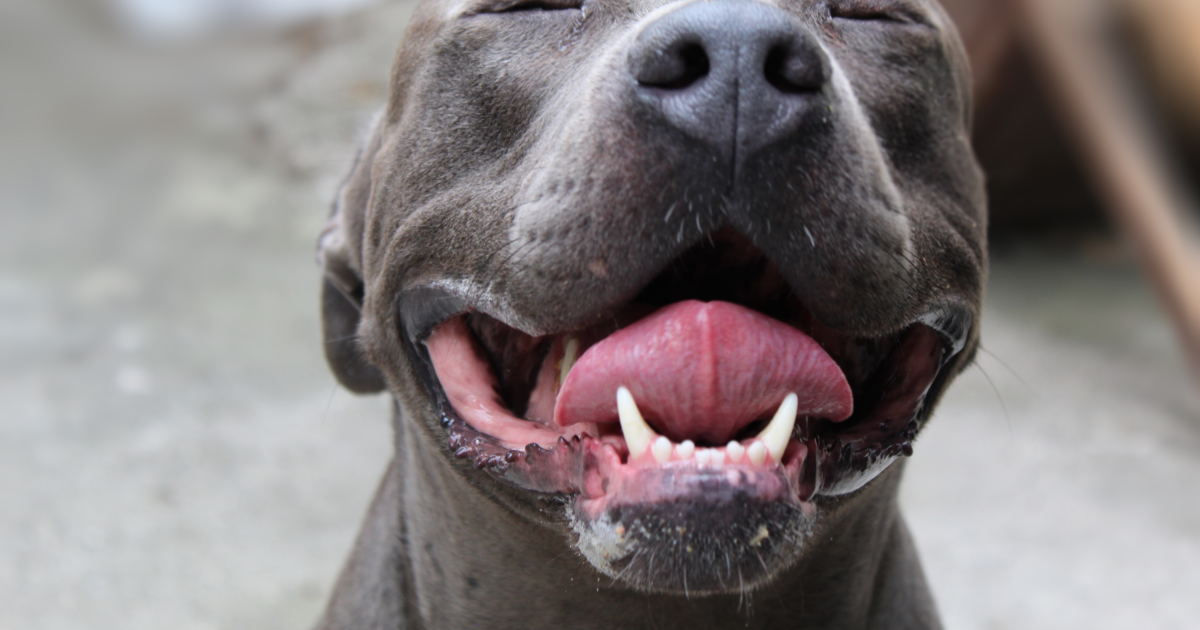
If you have a pitbull, you want to make sure they are friendly and safe around other dogs. But what if your pitbull shows signs of aggression?
You’re not alone, and the good news is that you can change this behavior. Training your pitbull to be less aggressive isn’t just about safety—it’s about building trust and confidence for both of you. You’ll discover simple, proven steps to help your pitbull stay calm and friendly when meeting other dogs.
Keep reading, because the way you train today can make all the difference in your dog’s future.
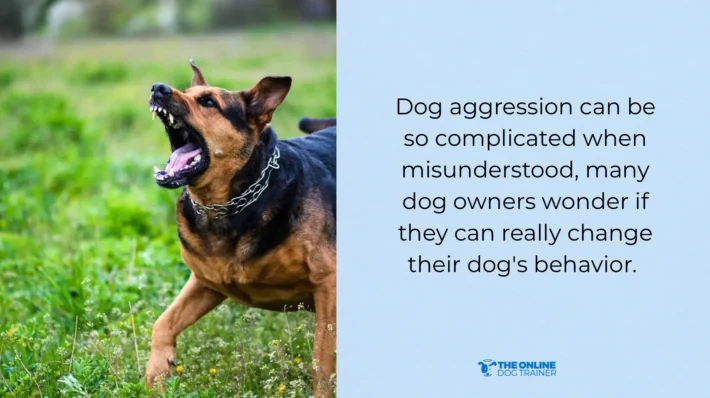
Credit: theonlinedogtrainer.com
Recognizing Aggression Signs
Recognizing signs of aggression in your Pitbull is key to managing and reducing aggressive behavior. Early detection helps prevent conflicts with other dogs and people. It also builds a safer environment for everyone around your dog.
Understanding what triggers aggression and how your dog shows it through body language helps you act wisely. You can calm your dog or remove them from stressful situations before things get worse.
Common Triggers In Pitbulls
- Protecting food, toys, or space from others
- Feeling threatened by strange dogs or people
- Experiencing pain or discomfort
- Sudden loud noises or fast movements
- Being startled during sleep or rest
- Frustration from being restrained or controlled
- Overexcitement during playtime
Body Language To Watch
- Stiff posture with raised hackles
- Growling or snarling with bared teeth
- Intense staring or hard eye contact
- Lips pulled back tightly
- Tail held high and stiff or tucked low
- Raised ears pointed forward or flat back
- Yawning or licking lips repeatedly
- Sudden freezing or stiffening in place
- Snapping or lunging motions

Credit: www.amazon.com
Early Socialization Techniques
Early socialization is key to shaping a pitbull’s behavior around other dogs. It helps reduce fear and aggression. Starting social experiences early builds confidence and calmness. These techniques teach your dog to interact safely and positively.
Introducing To Other Dogs
Begin introductions in a calm, controlled environment. Choose neutral places to avoid territorial behavior. Let your pitbull meet dogs one at a time. Keep initial meetings short and positive.
Observe body language closely. Look for signs of stress or aggression. Separate dogs if either shows discomfort. Use a leash for better control during introductions. Praise calm behavior with gentle words or treats.
Positive Exposure Strategies
Expose your pitbull to different dogs regularly but gradually. Use positive reinforcement to reward good behavior. This includes treats, praise, or playtime after calm interactions.
Introduce your dog to various dog sizes and breeds. This reduces fear and builds social skills. Avoid overwhelming your pitbull with too many dogs at once.
- Attend puppy socialization classes or controlled meetups
- Use toys and treats to create a fun atmosphere
- Stay patient and consistent with all social experiences
Basic Obedience Training
Basic obedience training lays the foundation for managing your Pitbull’s behavior, especially when dealing with aggression toward other dogs. It’s not just about teaching commands; it’s about building trust and clear communication between you and your dog. When your Pitbull understands what you expect, it becomes easier to guide them away from aggressive reactions.
Essential Commands
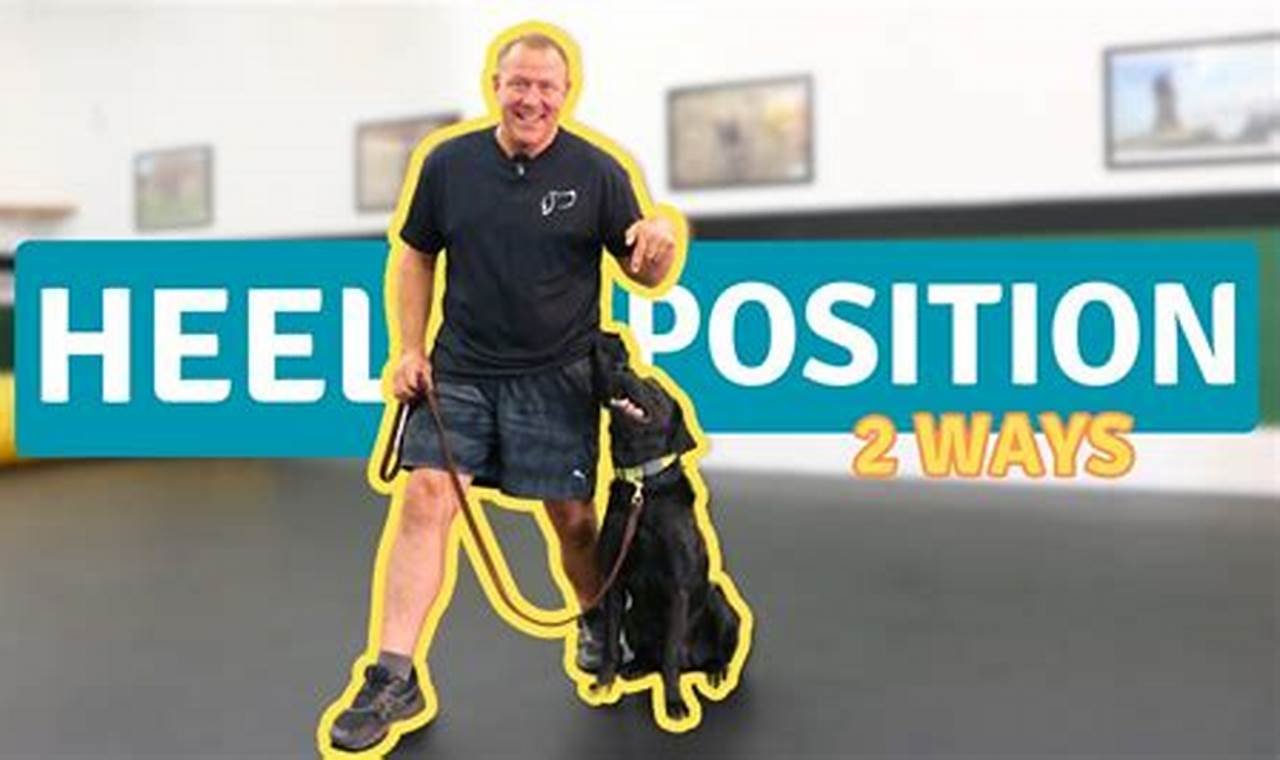
Start with simple commands like sit, stay, come, and leave it. These commands give you control during situations where your dog might feel threatened or excited. For example, teaching leave itcan help redirect your Pitbull’s attention away from another dog that triggers aggression.
Practice these commands in different environments to make sure your dog responds no matter what distractions are around. Use treats and praise generously to reinforce good behavior. Remember, the goal is to make your commands clear and reliable, so your dog listens even in challenging moments.
Consistency And Patience
Consistency in training is key to preventing dog aggression. Make sure everyone who interacts with your Pitbull uses the same commands and follows the same rules. Mixed messages can confuse your dog and slow down progress.
Patience plays a huge role too. Aggression doesn’t vanish overnight. It takes time for your dog to learn new behaviors and trust you in stressful situations. If you feel frustrated, take a step back and breathe—your calm attitude helps your dog stay calm as well.
Have you noticed that your dog responds better after short, frequent training sessions rather than long, exhausting ones? Keep sessions engaging but brief to maintain your Pitbull’s focus and enthusiasm.
Controlled Interaction Sessions
Controlled interaction sessions help your Pitbull learn calm behavior around other dogs. These sessions reduce fear and aggression through safe, planned meetings. Keep each session short to avoid stress. Watch your dog’s body language closely. Praise calm and friendly actions to build positive habits.
Using Leash And Muzzle Safely
Use a leash to keep control during dog meetings. Keep the leash loose to avoid tension. A tight leash can make your dog nervous or aggressive. A well-fitted muzzle adds safety without hurting your dog. Introduce the muzzle slowly and positively. Let your dog wear it for short times at first. Always stay calm and confident. Your dog will feel safer with your steady presence.
Gradual Group Settings
Start with one calm dog in a quiet space. Let your Pitbull observe before meeting. Gradually increase the number of dogs over time. Choose dogs that are friendly and relaxed. Avoid crowded or noisy places at first. Keep sessions short and positive. If your dog shows signs of stress, end the session gently. Repeat often to build trust and good behavior.
Positive Reinforcement Methods
Positive reinforcement is a powerful tool to help your pitbull overcome dog aggression. It focuses on encouraging the good behaviors you want to see, rather than punishing the bad ones. This approach builds trust and strengthens your bond, making training more effective and enjoyable.
Rewarding Calm Behavior
Recognize and reward your pitbull whenever they stay calm around other dogs. Use treats, praise, or toys immediately after your dog shows relaxed body language or ignores a nearby dog. Timing matters—rewards must come right after the calm moment to help your dog connect the behavior with the positive outcome.
Try to catch those quiet, non-aggressive moments throughout the day. This could be when your dog looks away from another dog or sits quietly instead of barking. By rewarding these small wins, you teach your pitbull that calmness brings good things.
Avoiding Punishment Pitfalls
It’s tempting to correct aggressive behavior with punishment, but this often backfires. Punishing your pitbull for growling or lunging can increase fear and anxiety, making aggression worse. Instead, focus on redirecting your dog’s attention and rewarding the alternative behavior you want.
Think about how you feel when someone shouts at you during a stressful moment. Would it help you calm down? Your pitbull reacts in a similar way. Avoid yelling or harsh corrections, and instead, provide a safe space and positive distractions to guide your dog toward better choices.
Managing High-drive Energy
Managing high-drive energy in pitbulls is key to reducing dog aggression. These dogs have strong instincts and need a way to release their energy safely. Without proper outlets, their energy can turn into unwanted behaviors.
Providing consistent physical and mental activities helps balance their drive. It keeps them calm and focused. This approach builds trust and reduces tension around other dogs.
Regular Exercise Routines
Daily exercise helps burn off excess energy. A tired pitbull is less likely to act aggressively. Include activities like:
- Long walks or jogs
- Fetch games
- Agility training
- Swimming sessions
Exercise should be consistent. Avoid skipping days. It helps maintain a calm and happy dog.
Mental Stimulation Activities
Mental tasks challenge your pitbull’s mind. They reduce boredom, which can lead to aggression. Try using:
- Puzzle toys
- Basic obedience training
- Hide and seek games
- Scent work exercises
Keep sessions short but frequent. Mental work tires the brain and improves focus.
Seeking Professional Help
Training a Pitbull to reduce dog aggression can be challenging. Professional help offers guidance tailored to your dog's specific needs. Experts use proven techniques to change aggressive behavior safely. Early intervention often leads to better results. Knowing when and what kind of help to seek is important.
When To Consult A Trainer
Seek a trainer if your Pitbull shows signs of aggression toward other dogs. Signs include growling, lunging, or biting attempts. Avoid waiting for the behavior to worsen. Trainers can assess your dog's triggers and create a clear plan. Choose someone experienced with aggressive dogs and Pitbulls. A professional can teach you how to manage and reduce aggression safely.
Behavioral Therapy Options
Behavioral therapy often works alongside training. Techniques include:
- Desensitization: Gradually exposing your dog to triggers in a controlled way
- Counter-conditioning: Changing your dog’s negative reaction to a positive one
- Positive reinforcement: Rewarding calm and friendly behavior
- Obedience training: Strengthening control and focus
Therapists may also recommend calming exercises and environmental changes. These methods reduce stress and improve your dog’s mood. A professional designs the therapy based on your dog’s behavior and needs.
Credit: tullystraining.com
Frequently Asked Questions
How Can I Stop My Pitbull's Dog Aggression?
Start with early socialization and positive reinforcement training. Use calm, consistent commands and reward good behavior. Avoid punishment, as it can increase aggression. Gradually expose your Pitbull to other dogs in controlled settings to build positive associations.
What Are Signs Of Dog Aggression In Pitbulls?
Signs include growling, snarling, raised hackles, lunging, and stiff body posture. Watch for intense staring and snapping. Early recognition helps prevent escalation and guides timely training interventions to manage aggression effectively.
Can Professional Training Help Reduce Pitbull Aggression?
Yes, professional trainers use behavior modification techniques tailored to your dog's needs. They provide structured socialization and obedience training. Experts identify triggers and teach owners how to respond calmly, improving safety and your dog's behavior.
Is Socialization Important For Pitbull Aggression?
Absolutely, socialization exposes your Pitbull to various people, dogs, and environments. It reduces fear and anxiety, common causes of aggression. Proper socialization helps your dog develop confidence and better control in different situations.
Conclusion
Training a pitbull takes patience and consistency. Start with basic commands. Socialize your dog early with other dogs. Use positive reinforcement to encourage good behavior. Avoid harsh punishments that can cause fear or aggression. Stay calm and patient during training sessions.
Consistency is key to success. Observing your pitbull's body language helps prevent conflicts. Gradually introduce your pitbull to different environments. Always reward calm behavior around other dogs. Training a pitbull not to be aggressive requires time and dedication. With effort, your pitbull can be a friendly and well-adjusted companion.