Do you struggle every time you take your dog for a walk? Does your furry friend pull ahead, lag behind, or dart in every direction except beside you?
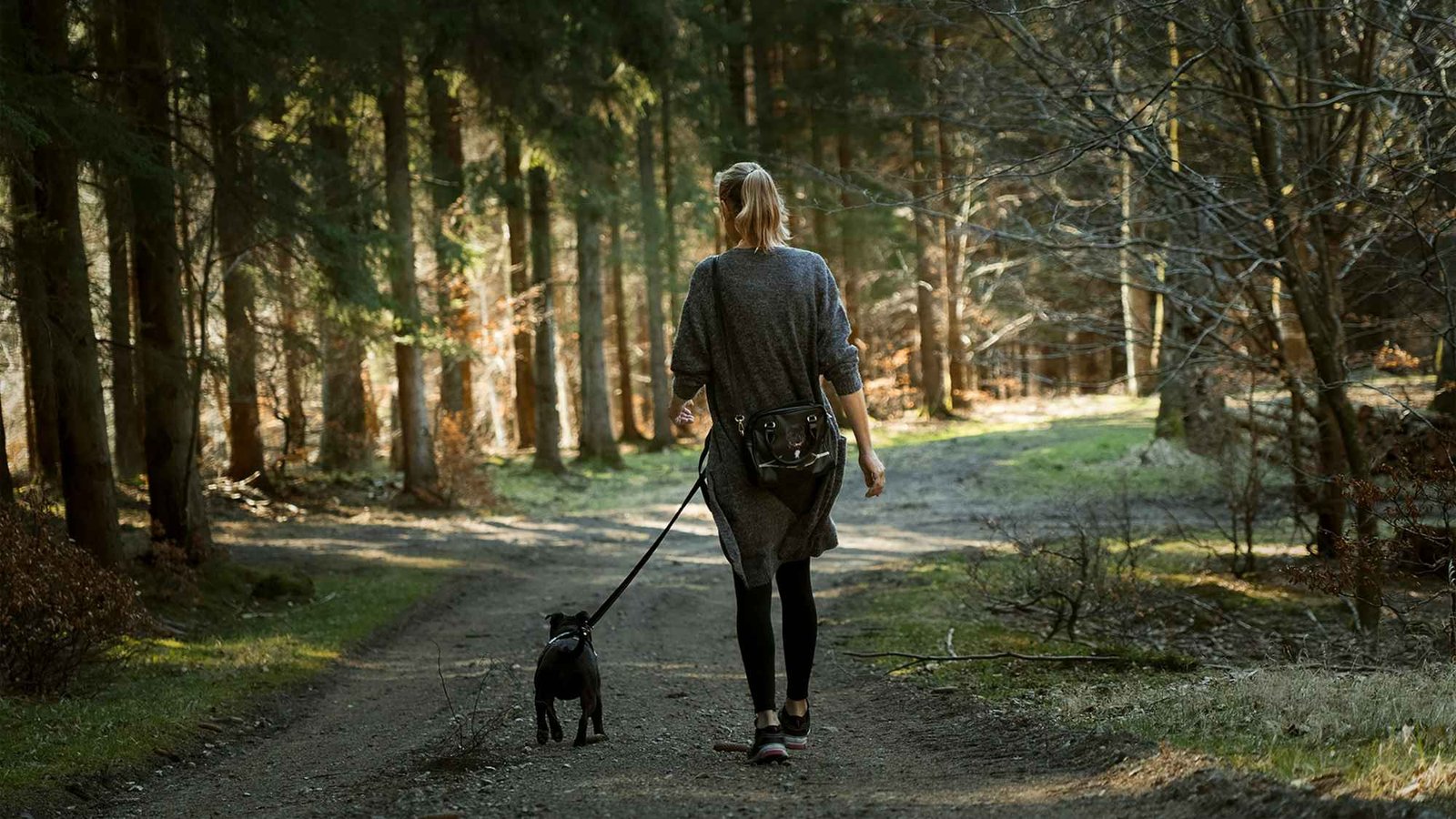
Teaching your dog to walk calmly by your side can change your daily walks from stressful to enjoyable. Imagine strolling confidently with your dog right beside you, relaxed and happy. You’ll discover simple, effective steps to train your dog to walk beside you with ease.
Keep reading, and you’ll soon turn those frustrating walks into the peaceful, bonding moments you both deserve.

Credit: www.amazon.ca
Choosing The Right Equipment
Choosing the right equipment plays a crucial role in training your dog to walk calmly beside you. The gear you pick influences your dog's comfort and control during walks. Poor choices can lead to pulling, discomfort, or even injury, making training harder for both of you.
Selecting A Suitable Leash
A leash isn’t just a tool; it’s your connection to your dog during walks. Opt for a leash that offers good control without being too heavy or too light. A standard 4 to 6-foot leash made of nylon or leather works best for training.
Long leashes might seem tempting, but they often encourage pulling and wandering. On the other hand, retractable leashes can make it difficult to maintain consistent control. Think about your dog's size and strength—stronger dogs need sturdier leashes that won’t snap under pressure.
Have you noticed how your dog reacts to different leash types? Try switching leashes to see which keeps your dog focused on walking beside you rather than pulling ahead.
Picking The Best Collar Or Harness
Your choice between a collar and a harness can change your training experience dramatically. Collars are simple but may cause strain on your dog’s neck if they pull. Harnesses distribute pressure more evenly, which is safer for dogs prone to pulling or with respiratory issues.
Look for harnesses with front-clip attachments to discourage pulling effectively. These designs gently steer your dog back toward you without harsh corrections. Avoid choke chains or prong collars—they can injure your dog and damage your relationship.
Consider your dog’s personality too. A shy dog might feel more secure with a snug harness, while a confident dog might do well with a flat collar. What gear makes your dog walk closer and calmer? Test different options and observe the changes in behavior.

Credit: k9connoisseur.com
Preparing Your Dog For Training
Before you start teaching your dog to walk beside you, it’s essential to prepare them properly. Preparation sets a strong foundation and makes the training process smoother. This phase helps your dog understand what you expect and builds a positive learning environment.
Building Basic Obedience
Your dog should know basic commands like sit, stay, and comebefore you begin leash training. These commands create a language you both understand and help your dog focus on you during walks.
Practice these commands in different settings—inside your home, in the backyard, and in quiet outdoor areas. This variety teaches your dog to listen regardless of distractions.
Consistency is key. Use the same words and gestures each time so your dog can quickly link commands to actions.
Establishing Attention And Focus
Walking calmly beside you requires your dog’s full attention. Start by practicing short sessions where you reward your dog for looking at you.
You can hold a treat near your face and say your dog’s name. When they make eye contact, reward them immediately. This simple exercise builds the habit of checking in with you.
Ask yourself: How often does your dog naturally seek your attention during walks? If it’s rare, these focus exercises will make a big difference.
Introducing Heel Position
Introducing the heel position is a crucial step in teaching your dog to walk calmly and attentively by your side. This position sets clear expectations for your dog, making walks more enjoyable and controlled. Understanding how to establish and reinforce the heel can change the way you both experience daily strolls.
Defining The Heel Spot
The heel spot is where your dog stays close to your left side, typically at your knee or slightly behind it. This position keeps your dog safe and out of the way of traffic or other distractions. You can start by standing still and encouraging your dog to sit or stand next to your left leg.
Try walking a few steps while gently guiding your dog to stay in that spot. If your dog moves ahead or falls behind, stop walking. This pause helps communicate that staying in the heel spot is essential to keep moving forward. Have you noticed how your dog reacts when you stop suddenly? That moment is a perfect opportunity to regain their attention.
Using Treats And Rewards
Treats are powerful tools to mark the correct heel position and motivate your dog. Hold a small treat close to your left knee to lure your dog into the right spot. As soon as your dog aligns with your side, reward immediately to reinforce the behavior.
Use a consistent marker word or clicker right before giving the treat to help your dog connect the action with the reward. Over time, you can reduce the frequency of treats but continue praising your dog verbally. Remember, timing is everything—reward your dog the instant they get it right to keep them eager and focused.
Teaching Walking At Your Side
Teaching your dog to walk beside you creates a safe and enjoyable experience. It builds trust and improves control during walks. The dog learns to stay close and respond to your movements. This training strengthens your bond and makes outings calm and pleasant.
Starting With Short Sessions
Begin training with brief walks in a quiet place. Keep sessions short, around 5 to 10 minutes. This keeps your dog focused and eager to learn. Use a leash and reward your dog often with treats or praise. Stop before your dog loses interest or gets tired. Gradually increase the walk time as your dog improves.
Using Verbal And Hand Cues
Choose simple words like "heel" or "close" to guide your dog. Combine these words with a clear hand signal, like a raised finger. Say the cue calmly before starting to walk. Reward your dog when it stays beside you. Repeat the cue and hand sign consistently during walks. This helps your dog understand what you expect.
Handling Distractions
Handling distractions is one of the biggest challenges when training your dog to walk beside you. Dogs are naturally curious creatures, and the world outside offers countless sights, sounds, and smells that can pull their attention away from you. Learning to keep your dog focused despite these distractions will make your walks more enjoyable and safer for both of you.
Practicing In Different Environments
Start training in quiet places with few distractions, like your backyard or a calm park. Once your dog gets the hang of walking beside you there, gradually introduce new environments with more distractions. Try a busy street, a dog park, or a trail with other animals around.
Changing locations helps your dog learn that walking beside you is important no matter where you are. You might notice your dog’s attention wavers more in noisy or crowded spots. That’s normal—expect to slow down and reward small successes.
Maintaining Focus Amid Interruptions
Interruptions happen constantly—like squirrels darting by, loud noises, or other dogs approaching. Instead of scolding, use a calm voice to regain your dog's attention. Calling your dog’s name or using a favorite treat can quickly bring focus back.
Practice using a cue word like “look” or “focus” to remind your dog to check in with you. When your dog responds, immediately reward them with praise or a small treat. This positive feedback teaches your dog that paying attention to you is more rewarding than distractions.
Ask yourself: how does your dog respond when a distraction appears? Do you get frustrated or stay patient? Remember, staying calm and consistent will help your dog stay calm too.
Correcting Unwanted Behaviors
Correcting unwanted behaviors is key to a smooth walking experience with your dog. These behaviors can distract or even endanger both of you. Early correction helps your dog learn the right way to walk beside you. Consistency and patience make a big difference.
Managing Pulling And Lunging
Pulling and lunging often happen when dogs get excited or see something interesting. Stop walking the moment your dog pulls. Stand still and wait until the leash is slack again. Use a calm but firm voice to say "easy" or "wait."
Reward your dog with treats or praise when walking calmly beside you. Change direction if pulling continues. This teaches your dog to pay attention to your movements. Avoid harsh corrections; gentle guidance works best.
Addressing Lagging Behind
Lagging behind can disrupt your walking pace and cause frustration. Encourage your dog by calling their name cheerfully. Use treats to lure your dog closer to your side. Keep your steps steady and confident.
Stop walking if your dog falls too far behind. Wait and gently encourage them to catch up. Praise your dog when they return to the correct position. This builds a habit of staying near you during walks.
Reinforcing And Maintaining Skills
Reinforcing and maintaining the skill of walking beside you is key to long-term success. Dogs learn through repetition and positive experiences. Regular practice helps keep their focus and good behavior strong. Without ongoing training, dogs may forget or lose interest. Consistency builds trust and understanding between you and your dog. It creates a smooth walking routine both enjoy.
Consistent Practice Routines
Set a daily schedule for training sessions. Short, frequent walks work best to keep your dog engaged. Use the same commands and cues every time. This helps your dog know what you expect. Reward your dog often with treats or praise when they walk correctly. Avoid long breaks from training to prevent slipping back.
- Practice at the same time each day
- Keep sessions brief but focused
- Use clear, simple commands
- Reward good behavior immediately
Gradually Increasing Difficulty
Start training in quiet, familiar places. Once your dog is confident, add distractions. Try busier streets, parks, or areas with other dogs. Change walking pace and direction without warning. This challenges your dog to pay closer attention. Gradual increases help your dog stay calm and responsive. Always end sessions on a positive note to keep training fun.
Credit: www.sagradobyme.cl
Troubleshooting Common Issues
Training your dog to walk calmly beside you is a rewarding experience, but it can come with some hiccups. Troubleshooting these common issues early on helps maintain a positive training environment. Understanding the root of the problem is the first step toward a smoother walk for both you and your furry friend.
Dealing With Stubbornness
Stubbornness in dogs often comes from confusion or lack of motivation. If your dog refuses to walk beside you, try breaking down the training into smaller, manageable steps. Use high-value treats or favorite toys to encourage your dog to stay close.
Keep training sessions short and fun to prevent frustration for both of you. Changing your pace or direction unexpectedly can also grab your dog's attention and make walking beside you more interesting.
Have you noticed your dog gets distracted by specific things? Try to train in a quiet area first, then slowly introduce distractions as your dog gets better. Patience is key—sometimes stubbornness is just a sign your dog needs more clarity.
When To Seek Professional Help
If your dog continues to pull, lunge, or refuses to walk beside you despite consistent training, it might be time to get a professional involved. Trainers can identify issues you might miss, like underlying anxiety or physical discomfort.
Look for trainers who use positive reinforcement methods. Avoid harsh corrections; they often make problems worse. A professional can also tailor a plan based on your dog's personality and your lifestyle.
Don’t wait until walks become stressful and unpleasant. Early intervention can save you from developing bad habits that are harder to change later. Have you thought about what kind of trainer would fit your needs best?
Frequently Asked Questions
How Do I Start Training My Dog To Walk Beside Me?
Begin by using a short leash and treats. Reward your dog for staying close. Practice in a quiet area with few distractions. Gradually increase the walk time and distractions as your dog improves.
What Commands Help Dogs Walk Beside Owners?
Use commands like “heel,” “let’s go,” or “close. ” Consistently say the chosen command before walking. Reward your dog immediately when they follow it. This builds clear communication and encourages proper walking behavior.
How Long Does It Take To Train Leash Walking?
Training duration varies by dog breed and age. Most dogs learn basic walking in 2 to 4 weeks. Regular, short training sessions improve results. Consistency and patience are key to success.
How Can I Stop My Dog From Pulling On Leash?
Stop walking when the dog pulls. Wait calmly for them to return beside you. Reward when they walk without pulling. Using a no-pull harness can also help control pulling behavior.
Conclusion
Training your dog to walk beside you strengthens your bond. Practice daily for consistent results. Keep sessions short and positive. Rewards and patience work wonders. Dogs love praise and treats. Consistency is key in every training session. Stay calm and confident, guiding with gentle commands.
Celebrate small successes together. Each step brings progress, building trust and understanding. Enjoy walks as a team, exploring the world together. Remember, your dog values your time and attention. Walking together should be fun and enjoyable for both. With time, you’ll find a rhythm that suits you both.
Happy walking!