
If you want your dog to feel safe and comfortable in their kennel, training them to sleep there is key. You might be wondering how to make this happen without stress for you or your furry friend.
The good news is, with the right steps, you can turn the kennel into your dog’s favorite cozy spot. Imagine a peaceful night where your dog happily settles down in their own space, giving you both rest and calm. Keep reading, and you’ll discover simple, effective tips that will help your dog sleep in their kennel with ease.
Benefits Of Kennel Training
Kennel training offers many benefits for both dogs and their owners. It helps create a safe space for your dog to relax. Dogs enjoy having a quiet, cozy spot that feels like their own. Kennel training also supports good habits and makes daily routines easier.
Safety And Security
A kennel provides a secure place to keep your dog safe. It prevents them from chewing harmful things or getting into trouble. Dogs feel calm and protected in their kennel. This reduces anxiety and helps them settle down faster.
House Training Aid
Kennels help with potty training by teaching dogs to hold their bladder. Dogs usually avoid soiling their sleeping area. This habit speeds up house training and reduces accidents. A kennel also encourages a regular bathroom schedule.
Travel Convenience
Using a kennel makes traveling with your dog easier and less stressful. Dogs are already familiar with their kennel space. This comfort reduces travel anxiety and keeps them calm. Kennels are also practical for vet visits and trips.

Credit: emlabradors.com
Choosing The Right Kennel
Choosing the right kennel is key to helping your dog feel safe and cozy. The kennel must suit your dog’s size and habits. Comfort and security will encourage your dog to use it gladly. Think about the kennel’s material and the best spot to place it. These choices affect your dog’s rest and training success.
Size And Comfort
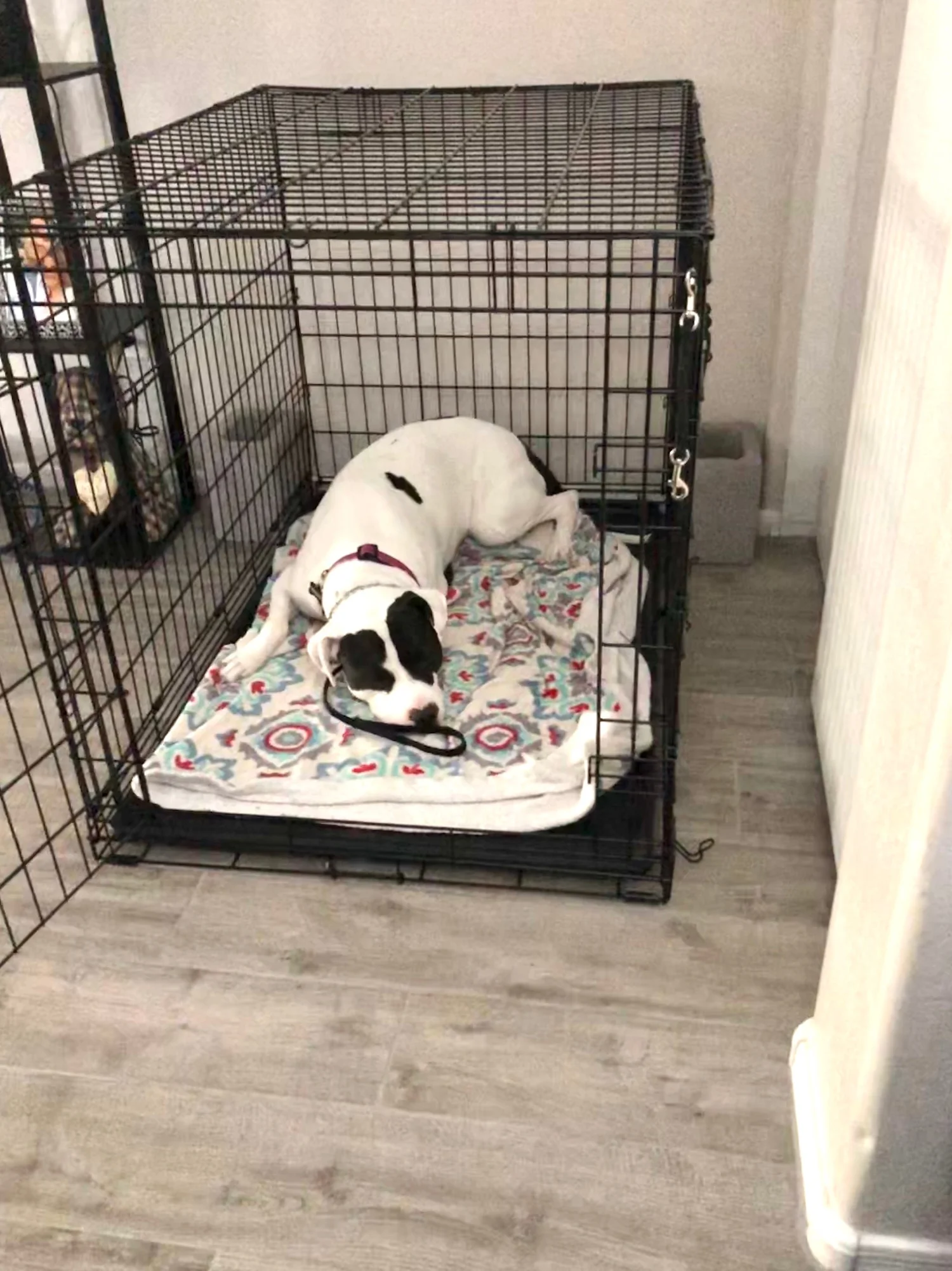
The kennel should be big enough for your dog to stand, turn, and lie down comfortably. Too small feels cramped and stressful. Too large may feel unsafe or allow your dog to use one corner as a bathroom. Add soft bedding or a blanket to make it warm and inviting. Comfort helps your dog relax and settle in faster.
Material Types
Common kennel materials include plastic, metal, and fabric. Plastic kennels give privacy and block drafts. Metal kennels offer good ventilation and visibility. Fabric kennels are lightweight and easy to carry but less durable. Choose a material that fits your dog’s needs and your lifestyle. Cleanliness and durability matter for long-term use.
Location Tips
Place the kennel in a quiet, low-traffic area. Avoid spots with loud noises or strong smells. Your dog will feel safer in a calm corner. Keep the kennel away from direct sunlight or cold drafts. A warm, quiet spot helps your dog relax and sleep better. Let your dog explore the area before closing the door.
Preparing Your Dog For The Kennel
Preparing your dog for the kennel sets the stage for a calm and happy experience. Taking time to make the kennel a positive place helps your dog feel safe and secure. This preparation reduces anxiety and builds trust in the new sleeping spot.
Introducing The Kennel Gradually
Start by placing the kennel in a familiar room. Keep the door open and let your dog explore freely. Place treats inside to encourage interest. Allow your dog to enter and exit without pressure. Short visits at first, then slowly increase time inside.
Using Positive Reinforcement
Reward calm behavior near and inside the kennel. Use treats, praise, and petting to create good associations. Never force your dog into the kennel. Positive moments help your dog connect the kennel with safety and comfort.
Creating A Comfortable Space
Add soft bedding or a favorite blanket inside the kennel. Include a toy your dog likes for comfort. Keep the kennel clean and dry. Make sure the kennel size fits your dog well. A cozy space invites your dog to rest peacefully.

Credit: www.pumpkin.care
Step-by-step Kennel Training
Training your dog to sleep comfortably in a kennel takes patience and a clear plan. Breaking down the process into manageable steps helps your dog adjust without feeling stressed. You’ll build trust and create a safe sleeping environment that your dog willingly accepts.
Short Initial Sessions
Start by introducing your dog to the kennel for just a few minutes at a time. Place treats and favorite toys inside to create positive associations. Keep these sessions brief—about 5 to 10 minutes—and stay nearby so your dog feels secure.
If your dog whines or seems uneasy, resist the urge to open the door immediately. Instead, wait for a moment of calm before letting them out. This teaches your dog that quiet behavior gets rewarded, not whining or barking.
Extending Kennel Time
Once your dog is comfortable spending short periods in the kennel, gradually increase the time they stay inside. Add 5 to 10 minutes every day while remaining patient and observant of their reactions. Use a calm voice to reassure them if needed.
Try to make the kennel a part of your dog’s daily routine by using it during nap times or quiet hours. This consistency builds a habit and helps your dog see the kennel as a normal, safe place. Have you noticed your dog settling faster when kennel time is predictable?
Encouraging Independent Sleep
Encourage your dog to sleep independently in the kennel by establishing a bedtime routine. Dim the lights, offer a cozy blanket, and avoid last-minute play that can raise energy levels. This signals to your dog that it’s time to wind down.
Resist the temptation to let your dog out every time they whimper at night. Instead, pause and listen—sometimes they just need a moment to settle. Over time, your dog will learn that the kennel is their own safe space to rest through the night.
Common Challenges And Solutions
Training a dog to sleep in a kennel can bring many challenges. Understanding common problems helps you fix them faster. Dogs may show signs of discomfort or stress at first. Patience and the right approach make the process smoother. Below are typical challenges and ways to solve them effectively.
Dealing With Whining
Whining is a common sign of distress or need. Dogs may whine to get attention or because they feel lonely. Ignoring whining helps your dog learn that noise won’t open the kennel door. Calmly reassure your dog before putting them inside. Use treats and praise when they stay quiet. This builds positive habits over time.
Handling Anxiety
Anxiety can make kennel training hard. Signs include pacing, barking, or scratching. Create a calm space with familiar blankets or toys. Keep kennel sessions short and gradually increase time. Use a consistent routine to give your dog a sense of security. Playing soft music or white noise can also reduce stress.
Avoiding Negative Associations
Negative feelings may form if the kennel is linked to punishment. Always use the kennel for rest and safety, not for discipline. Make it inviting with cozy bedding and treats. Never force your dog inside. Let them explore the kennel freely to build comfort and trust.
Maintaining Consistency
Maintaining consistency is key to helping your dog feel safe and comfortable in their kennel. Dogs thrive on routine and clear signals. Consistency builds trust and helps your dog understand what to expect each night. Without it, your dog may feel confused or anxious. Keep your approach steady to encourage calm and peaceful sleep.
Establishing A Routine
Create a regular schedule for kennel time. Put your dog in the kennel at the same hour each night. Follow the same steps before bedtime, like a short walk or quiet play. This signals to your dog that it is time to settle down. A steady routine helps your dog adjust quickly and reduces resistance.
Rewarding Good Behavior
Use treats and praise when your dog enters the kennel willingly. Positive reinforcement encourages your dog to repeat good behavior. Offer a small treat or gentle petting right after your dog settles. Avoid scolding or forcing your dog, as this creates fear. Rewards make kennel time a positive experience.
Adjusting As Your Dog Grows
Your dog’s needs change as they grow older. Puppies need shorter kennel times with more frequent breaks. Adult dogs can handle longer stays. Monitor your dog’s comfort and adjust the kennel routine as needed. Patience and observation help your dog stay happy and secure in their space.

Credit: www.care.com
Frequently Asked Questions
How Long Does It Take To Train A Dog To Sleep In A Kennel?
Training time varies by dog, but most learn within 1 to 2 weeks. Consistency, patience, and positive reinforcement speed up the process. Start with short kennel periods and gradually increase duration for best results.
What Is The Best Way To Introduce A Dog To A Kennel?
Introduce the kennel as a safe, comfortable space. Use treats, toys, and praise to create positive associations. Allow the dog to explore the kennel freely before closing the door.
Should I Leave The Kennel Door Open Or Closed At First?
Begin with the door open to let your dog explore. Once comfortable inside, close the door for short periods. Gradually increase closed-door time as your dog adjusts.
How Can I Make The Kennel More Comfortable For My Dog?
Add soft bedding, familiar toys, and a blanket with your scent. Keep the kennel in a quiet, cozy area. This creates a calming environment that encourages relaxation and sleep.
Conclusion
Training your dog to sleep in a kennel takes patience. Start with positive reinforcement. Reward good behavior with treats and praise. Consistency is key. Create a cozy, inviting space in the kennel. Make it feel like home. Your dog will soon see it as a safe haven.
Regular practice helps. Repeat the process daily. Gradually, your dog learns to love its kennel. Enjoy the peace of mind this brings. A well-rested dog is a happy dog. Remember, every dog learns at its own pace. Keep encouraging, and your efforts will pay off.