Are you looking for a way to keep your home safe and secure? Training your dog to protect your home can give you peace of mind and an added layer of security.
Imagine knowing that your loyal companion is ready to alert you to danger or even stand guard when needed. This guide will walk you through simple, effective steps to train your dog for protection. By the end, you’ll feel confident in turning your furry friend into a reliable protector of your home and family.
Let’s get started!

Credit: worldanimalfoundation.org
Choosing The Right Breed
Choosing the right dog breed is key to protecting your home. Each breed has unique traits that suit different protection needs. Some dogs are naturally alert and fearless, while others show loyalty and strong guarding instincts.
Understanding these differences helps you pick a dog that fits your lifestyle and security goals. The right breed can offer peace of mind and a safe home environment.
Traits Of Protective Breeds
- Strong guarding instincts and alertness
- Loyalty to family and territory
- High intelligence and trainability
- Fearless but controlled aggression
- Good sense of smell and hearing
Temperament Considerations
A protective dog must have a balanced temperament. They need to be confident but not overly aggressive. Calmness around family and visitors is important. A dog that is too shy or fearful may not guard well. Overly aggressive dogs can be hard to control and unsafe.
Size And Strength Factors
Size affects the dog's ability to protect your home. Large dogs often deter intruders by their presence alone. Strength helps in physical defense if needed. Small dogs can alert you with barking but may lack power. Choose a size that fits your home and your ability to handle the dog.

Credit: worldanimalfoundation.org
Basic Obedience Training
Basic obedience training lays the groundwork for teaching your dog to protect your home effectively. Without solid obedience, your dog may not respond reliably when safety matters most. Training your dog to listen and follow commands builds a foundation of control and understanding between you and your pet.
Establishing Commands
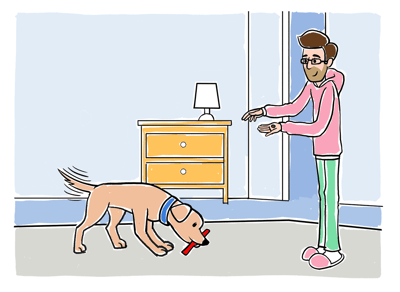
Start with simple, clear commands like sit, stay, and come. Use short, consistent words so your dog can easily recognize them. Always reward your dog immediately with treats or praise when they obey.
Try this: say “sit” and gently guide your dog into position. When they do, offer a treat and positive tone. Repeating this helps your dog connect the word with the action.
Building Trust And Respect
Your dog needs to trust you before they’ll respect your commands. Spend quality time together outside training sessions. Walks, playtime, and gentle petting build a strong bond.
Have you noticed how your dog reacts when you stay calm and confident? Dogs pick up on your emotions. Showing patience and kindness encourages them to listen rather than resist.
Consistency In Training
Consistency is key to making training stick. Use the same commands, tone, and gestures every time. Practice daily, even if only for a few minutes.
- Train in different locations to generalize commands.
- Have all family members use the same commands.
- Don’t reward bad behavior; wait for the right action.
Think about your own learning—would you remember instructions better if they changed every day? Your dog feels the same way. Keeping things consistent helps them understand exactly what you want.
Introducing Protection Skills
Introducing protection skills to your dog is an important step if you want them to guard your home effectively. This training focuses on teaching your dog how to recognize threats and respond appropriately without causing unnecessary harm. It builds a foundation of control, awareness, and communication between you and your dog.
Teaching Alert Barking
Alert barking is your dog’s first line of defense. You want your dog to bark only when something unusual happens, not all the time. Start by rewarding your dog when they bark at strangers or unusual noises around your home.
Practice this by having a friend approach the house and encouraging your dog to bark. Use a command like “Speak” to associate the bark with the command. Then, teach the “Quiet” command so your dog learns to stop barking on cue.
Have you noticed how some dogs bark excessively without reason? Training alert barking helps you avoid that problem while ensuring your dog communicates real threats.
Controlled Aggression Training
Controlled aggression is about teaching your dog to react firmly but only under your command. This training requires patience and clear boundaries so your dog understands when to act and when to stay calm.
Use a leash and controlled environment to introduce situations where your dog needs to show protective behavior. Reward calmness first, then gradually introduce mild triggers that require your dog to respond assertively.
Remember, your dog should never act aggressively without your permission. This control keeps your dog safe and prevents accidents with visitors or family members.
Boundary Awareness
Boundary awareness trains your dog to understand the limits of your property and where their protection duties begin and end. This helps prevent your dog from wandering off or reacting to harmless outside activity.
Walk your dog along the property edges regularly and use clear markers or commands to signal boundaries. Reward your dog when they respect these limits.
Think about how a dog that knows its boundaries can better protect your home without unnecessary risks. Teaching this skill strengthens their role as a reliable protector.
Socialization Techniques
Socialization is a crucial part of training your dog to protect your home effectively. It helps your dog understand the difference between normal situations and real threats. Proper socialization builds confidence and reduces fear, making your dog a reliable protector rather than a source of unnecessary alarm.
Exposure To Different Environments
Take your dog to various places like parks, busy streets, and quiet neighborhoods. This helps your dog get used to different sounds, smells, and sights. When your dog feels calm in many settings, they are less likely to be startled or react aggressively without reason.
Try to visit these places at different times of the day to expose your dog to changing conditions. This variety teaches your dog to remain alert but composed, which is essential for home protection.
Meeting Family And Visitors
Introduce your dog slowly to family members and visitors. Let your dog observe and interact calmly before expecting them to behave protectively. This builds trust and helps your dog learn who belongs in your home and who needs to be watched closely.
Encourage gentle greetings and reward your dog for calm behavior around people. This way, your dog learns to differentiate between friendly visitors and potential intruders.
Preventing Unwanted Aggression
Training your dog to protect does not mean encouraging aggression. Teach your dog to respond to commands like “sit,” “stay,” and “leave it” to control their reactions. Consistent training prevents fear or anxiety from turning into aggressive behavior.
Watch for signs of stress or overexcitement and redirect your dog’s focus with positive reinforcement. Remember, a well-socialized dog protects with confidence, not with uncontrolled aggression.
Using Professional Guidance
Using professional guidance improves your dog's protection training. Experts understand dog behavior and training techniques. They help create clear commands and boundaries for your dog.
Training a dog to protect a home requires skill and patience. Professionals offer tailored advice for your dog's breed and temperament. Their experience helps avoid common mistakes during training.
Hiring Experienced Trainers
Choose trainers with proven experience in protection training. Check their certifications and client reviews. Experienced trainers know how to build trust between you and your dog.
They teach your dog to respond to threats safely. Trainers also focus on your dog's social skills to prevent aggression problems. Their guidance ensures training is effective and humane.
Training Classes And Workshops
Classes provide structured learning in a controlled environment. Workshops offer hands-on practice with professional support. These sessions help your dog learn commands and protection skills step-by-step.
Group classes improve your dog's social behavior too. Trainers guide you on consistent commands and timing. Regular practice in classes speeds up your dog's learning.
Ongoing Evaluation And Adjustment
Protection training is not one-time work. Professionals regularly evaluate your dog’s progress. They adjust training plans to fit your dog’s needs and growth.
Ongoing checks prevent bad habits from forming. Trainers help maintain balance between protection and obedience. Their feedback keeps your dog confident and reliable.

Credit: worldanimalfoundation.org
Safety Measures And Legal Aspects
Training a dog to protect your home requires careful attention to safety and legal matters. These aspects help avoid accidents and legal trouble. Ensuring safety protects your family, neighbors, and the dog itself. Knowing the law prevents fines or court cases. Understanding liability clarifies your responsibilities as a dog owner.
Managing Risks At Home
Keep your dog under control at all times. Use secure fences and gates to prevent escapes. Teach your dog clear commands for protection and obedience. Socialize your dog to reduce unwanted aggression. Supervise interactions with visitors and family members. Avoid leaving your dog alone with strangers. Regularly check your dog’s health and behavior.
Understanding Local Laws
Research laws about guard dogs in your area. Some places require permits or specific training. Breed restrictions may apply in certain regions. Know rules about noise and aggression. Follow leash and containment regulations strictly. Comply with vaccination and licensing laws. Update yourself on changes in local dog laws.
Liability And Responsibility
Owners are responsible for their dog’s actions. Injuries caused by your dog may lead to legal claims. Use insurance to cover potential damages. Train your dog to avoid unnecessary harm. Report any incidents to proper authorities. Keep records of your dog’s training and behavior. Respect neighbors’ rights and concerns.
Maintaining Training Over Time
Maintaining your dog's protection training is essential for long-term success. Training should never stop after initial lessons. Consistent effort keeps your dog alert and responsive.
Regular reinforcement helps your dog remember commands and behaviors. Training that adapts to your dog's needs makes protection more effective. Let’s explore key ways to maintain training over time.
Regular Practice Sessions
Set a schedule for short training sessions weekly. Use familiar commands and practice protection drills. Keep sessions fun and engaging to hold your dog’s attention. Regular practice strengthens skills and builds confidence.
Reinforcing Commands
Always reward your dog for following commands correctly. Use treats, praise, or play as positive reinforcement. Repeat important commands often to prevent forgetting. Clear and consistent signals make learning easier for your dog.
Adapting To Changing Needs
Review your dog’s training as your home environment changes. Update commands or techniques to fit new situations. Watch for signs of stress or confusion in your dog. Adjust training pace and methods to keep it effective and safe.
Frequently Asked Questions
How Long Does It Take To Train A Dog For Protection?
Training a dog for protection usually takes several months. Consistent daily practice and positive reinforcement speed up learning. Patience and gradual skill-building are key for effective protection training.
What Dog Breeds Are Best For Home Protection?
Breeds like German Shepherds, Rottweilers, and Dobermans excel in home protection. These breeds are loyal, intelligent, and naturally alert, making them ideal guard dogs.
Can Any Dog Be Trained To Protect A Home?
Most dogs can learn basic protection skills, but temperament matters. Training works best with confident, alert, and obedient dogs. Proper socialization is essential for safety.
How Do I Start Protection Training Safely At Home?
Begin with obedience training and build trust. Use controlled environments and positive reinforcement. Avoid aggressive methods to ensure safe and effective training.
Conclusion
Training your dog to protect your home takes patience. Start with basic obedience. Build trust and a strong bond. Consistent practice helps reinforce commands. Use positive rewards to encourage good behavior. Never resort to harsh methods. Understand your dog's limits and personality.
Every dog learns at its own pace. Protecting your home is teamwork. Safety and security come from mutual understanding. Remember, a well-trained dog brings peace of mind. Enjoy the journey with your loyal companion.