

Training your dog to go outside might seem tricky at first, but with the right steps, you can make it simple and stress-free. Imagine never having to worry about accidents inside your home again.
You want your furry friend to understand where and when it’s okay to go. In this guide, you’ll discover easy, proven methods to help your dog learn quickly. By following these tips, you’ll build a stronger bond with your pet and enjoy a cleaner, happier living space.
Keep reading—you’re just a few steps away from success!
Preparing For Training
Preparing your dog for outdoor training is a crucial phase that sets the foundation for success. It’s not just about taking your dog outside; it’s about creating an environment that encourages the right behavior. Thoughtful preparation helps your dog understand what you expect, making training smoother and less frustrating for both of you.
Choosing The Right Spot
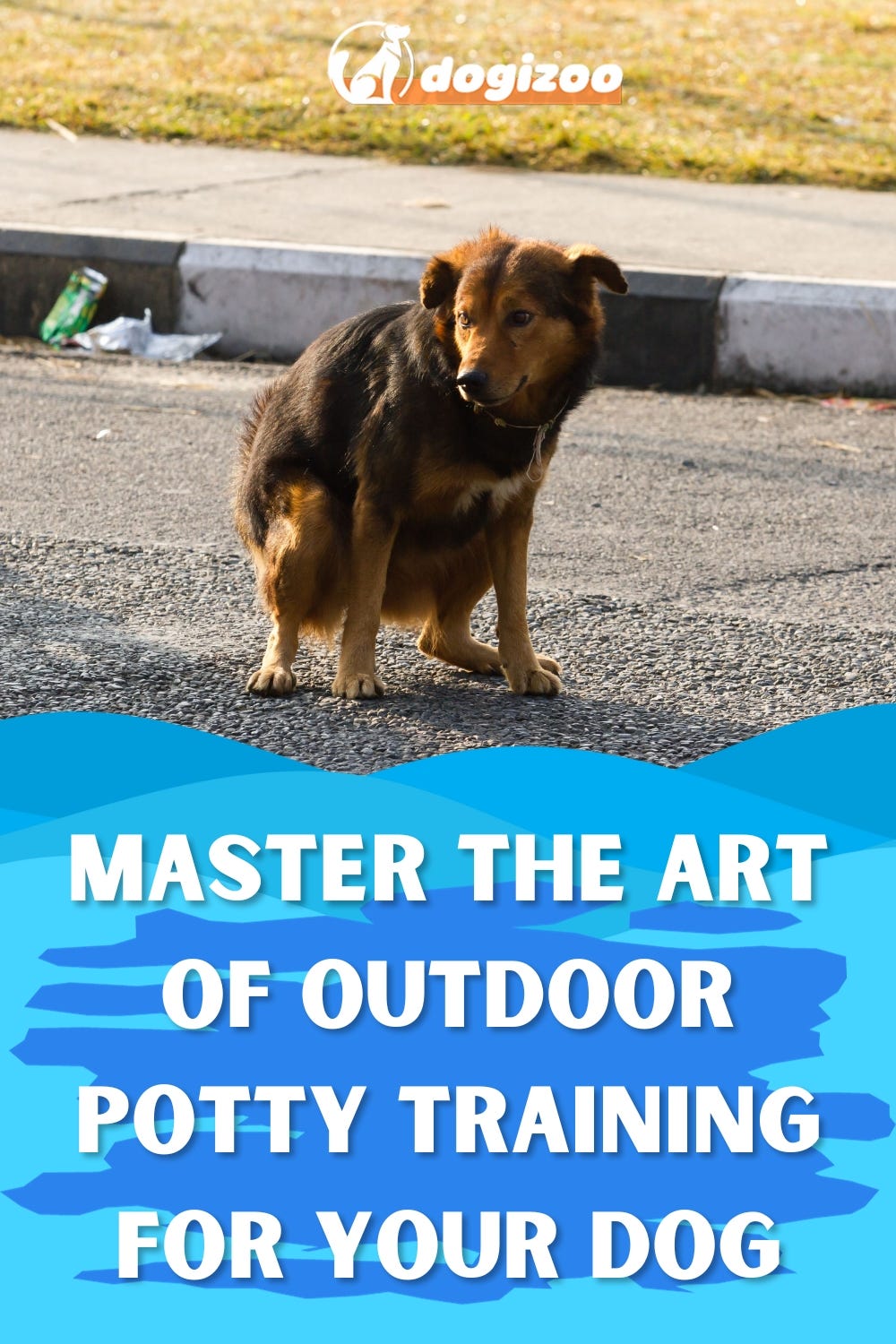
Pick a quiet, low-traffic area in your yard or nearby park where your dog can focus without distractions. Consistency is key, so use the same spot every time to help your dog associate that area with bathroom breaks. If you have a small yard, consider placing a patch of grass or a potty pad to simulate the outdoors.
Think about your dog’s comfort, too. Is the spot shaded on hot days? Is it safe and free from harmful plants or chemicals? Your dog’s willingness to go outside improves when the environment feels safe and familiar.
Gathering Necessary Supplies
Before you begin training, gather everything you might need to support your dog’s outdoor routine. Essentials include a leash, poop bags for clean-up, and treats for positive reinforcement. Having treats handy helps reward your dog the moment they perform the desired behavior.
Consider using a clicker if you want to mark good behavior clearly. Also, a comfortable collar or harness ensures your dog feels secure during outdoor trips. Preparing these supplies ahead saves time and keeps training sessions focused.
Setting A Consistent Schedule
Dogs thrive on routine, so set specific times for outdoor breaks—after meals, naps, and playtime work well. Regular timing helps your dog’s internal clock sync with bathroom needs, reducing accidents inside. Consistency also builds your dog’s trust in the process.
Ask yourself: Are you ready to commit to these set times daily? Missing sessions can confuse your dog and slow progress. Keep a training diary or use smartphone reminders to stay on track and observe your dog’s patterns closely.

Credit: www.youtube.com
Establishing A Routine
Training a dog to go outside needs a steady routine. Dogs learn best with regular habits. A clear schedule helps them understand when it is time to go out. Establishing a routine reduces accidents inside the house. It also makes your dog feel safe and secure.
Identifying Signs Your Dog Needs To Go
Dogs show many signs when they need to go outside. Watch for these clues:
- Sniffing around the floor
- Circling in one spot
- Whining or barking near the door
- Sudden restlessness or pacing
Recognizing these signs early helps prevent accidents. Pay close attention to your dog's behavior daily.
Timing Bathroom Breaks
Set bathroom breaks at consistent times every day. Common times include:
- First thing in the morning
- After meals
- Before bedtime
- Every two to four hours during the day
Stick to this schedule to help your dog learn faster. Regular timing creates a strong habit for your pet.
Using Commands Effectively
Choose simple words for bathroom commands. Examples are “Go potty” or “Outside.” Use the same command each time. Say it clearly and calmly before going outside.
Praise your dog immediately after they go. Use treats or kind words to encourage good behavior. This makes the dog connect the command with the action.
Positive Reinforcement Techniques
Positive reinforcement is a powerful way to teach your dog to go outside. It focuses on encouraging good behavior by rewarding your dog immediately when they do the right thing. This approach builds trust and motivation, making training smoother and more enjoyable for both of you.
Rewarding Desired Behavior
Catch your dog in the act of doing what you want, like going outside to potty. Immediately reward them to connect the behavior with a positive outcome. Timing is key—if you wait too long, your dog won’t understand what earned the reward.
Try using a consistent cue like “Go potty” and reward right after your dog finishes outside. This helps your dog link the cue, behavior, and reward together. Have you noticed how quickly dogs pick up on patterns when you reward them instantly?
Using Treats And Praise
Treats work wonders as rewards, but don’t underestimate the power of praise. A happy voice, petting, or even a favorite toy can be just as motivating as food. Your dog wants to please you, so showing excitement when they do right reinforces the behavior.
Mix up the rewards to keep your dog interested. Sometimes give a treat, other times just praise or play. This variety prevents your dog from expecting a treat every time and keeps them eager to listen.
Avoiding Punishment
Negative reactions like yelling or scolding can confuse your dog and damage your relationship. Dogs don’t understand punishment the way humans do; they may associate it with you, not their actions. This can lead to fear or anxiety rather than learning.
Instead of focusing on what your dog did wrong, pay attention to when they do right. Redirect mistakes gently and guide your dog back to the desired behavior. Ask yourself—does your training make your dog want to try again, or does it make them hesitant?
Credit: tncim.com
Handling Accidents
Handling accidents is a normal part of training a dog to go outside. Puppies and some adult dogs may not control their bladder or bowels perfectly. Patience and proper actions help prevent frustration and keep training on track. How you react to accidents can shape your dog’s learning and behavior.
Cleaning Up Properly
Clean the accident area immediately to remove all smells. Use an enzyme-based cleaner to break down urine and feces. Avoid ammonia cleaners; they smell like urine to dogs. Proper cleaning stops dogs from returning to the same spot. Dispose of waste in a sealed bag outside your home.
Staying Patient And Calm
Dogs sense your emotions. Stay calm and do not punish your dog after accidents. Harsh reactions can cause fear or confusion. Use a gentle tone and redirect your dog to the outdoor spot. Praise your dog when they go outside correctly. Patience builds trust and good habits over time.
Adjusting Training Methods
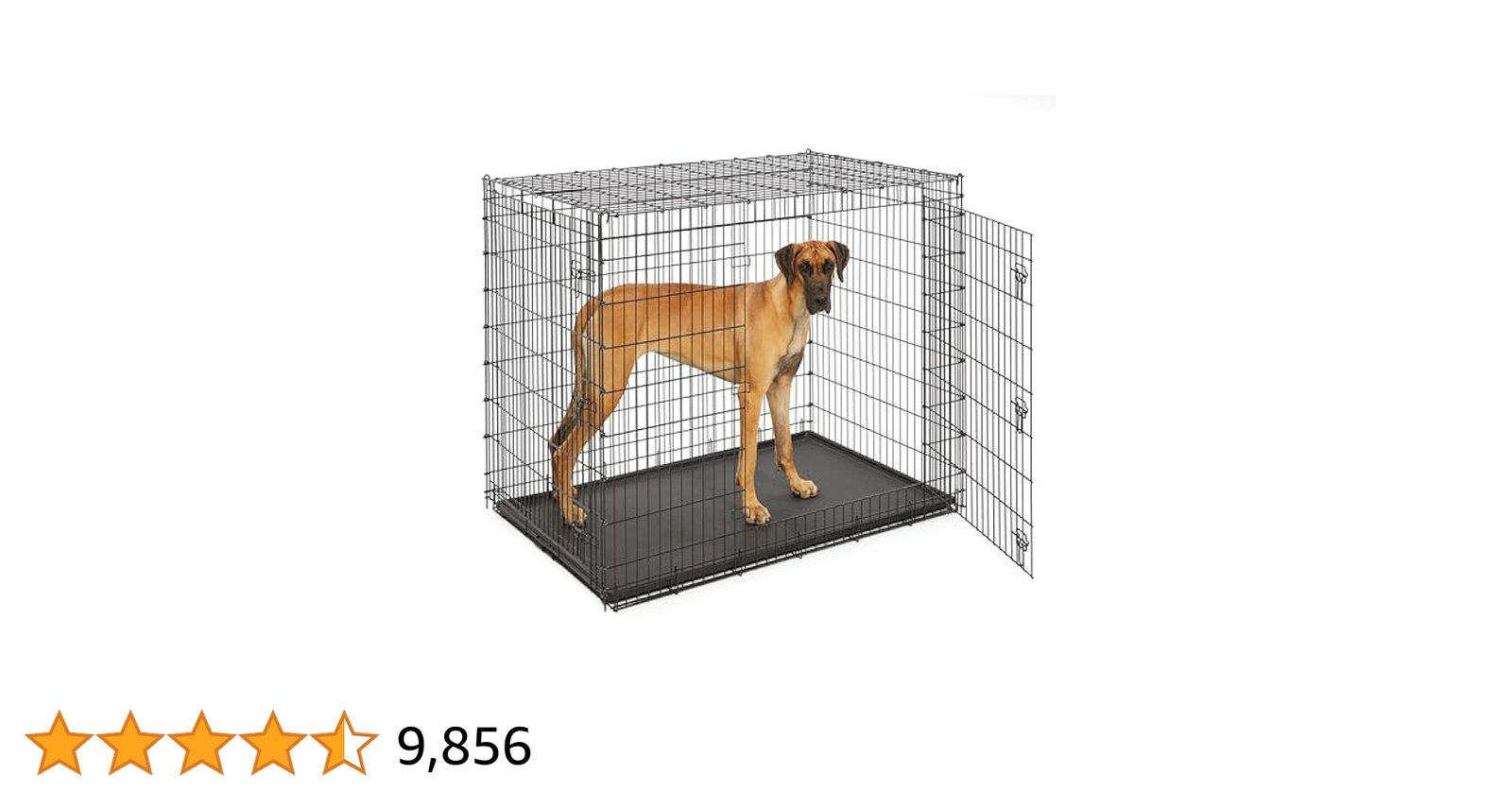
Every dog learns differently. If accidents continue, review your training steps. Increase outdoor breaks, especially after meals or naps. Use consistent commands and signals to guide your dog. Consider crate training to help control bathroom times. Consult a professional trainer for extra help if needed.
Advanced Tips For Success
Training your dog to go outside takes patience and persistence, especially when moving beyond the basics. Advanced tips can help you tackle common challenges and make the transition smoother for both you and your dog. Let’s dive into practical strategies that will keep your training effective and your dog confident.
Transitioning To Outdoor Freedom
Giving your dog more freedom outside means creating clear boundaries. Start by supervising your dog closely in the yard or designated outdoor space. Gradually extend their time alone outdoors, so they learn to go without constant reminders.
Use a consistent command each time you take your dog out. This cue builds a strong connection between the word and the action, making it easier for your dog to understand what you expect.
Have you noticed your dog hesitating to go outside? Sometimes, dogs feel unsure in new spaces. Make the area inviting by spending time playing or relaxing there together, so your dog sees it as a positive place.
Training In Different Environments
Dogs can behave differently depending on where they are. Practice outdoor training in various locations—your backyard, a park, or a friend’s garden—to strengthen your dog’s habits.
Each environment offers distractions. To keep your dog focused, bring treats and rewards to reinforce going outside properly despite noises, smells, or other animals around.
Think about your dog’s comfort level. If they seem overwhelmed, break the training into shorter sessions and slowly increase the difficulty. Have you tried mixing in playtime with training? It can help your dog stay motivated.
Maintaining Consistency Over Time
Consistency is key to preventing accidents and reinforcing good habits. Stick to a regular schedule for bathroom breaks, especially after meals and playtime.
Even after your dog masters going outside, continue praising and rewarding them. This ongoing positive feedback keeps the behavior strong and encourages your dog to stay on track.
What happens when life gets busy? It’s easy to slip up, but try to keep routines steady. Enlist family members or roommates to help maintain consistency, so your dog receives the same messages from everyone.
Credit: www.woofz.com
Frequently Asked Questions
How Long Does It Take To Train A Dog To Go Outside?
Training time varies by dog but usually takes 4-6 weeks. Consistency and patience speed up learning. Regular outdoor trips and positive reinforcement help dogs understand where to go.
What Are The Best Rewards For Outdoor Training?
Use treats, praise, and play as rewards. Choose high-value treats your dog loves. Immediate rewards motivate your dog to repeat desired behaviors outdoors.
How Often Should I Take My Dog Outside To Train?
Take your dog outside every 1-2 hours initially. Frequent trips prevent accidents and build good habits. Gradually extend time between outings as training improves.
How Do I Handle Accidents Inside During Training?
Stay calm and clean accidents promptly with enzymatic cleaners. Avoid punishment to prevent fear. Redirect your dog outside and reward successful outdoor elimination.
Conclusion
Training your dog to go outside requires patience and consistency. Start by establishing a routine. Reward positive behavior with treats or praise. Keep sessions short and fun. Use clear commands that are easy to understand. Watch for signs that your dog needs to go.
Be patient during accidents, as they are part of the process. Celebrate small successes to encourage your dog. With time, your dog will learn to go outside. Enjoy the journey with your furry friend. A well-trained dog is a happy dog.
Happy training!