Do you find your dog bouncing off the walls, making it hard to relax at home? Training your dog to be calm can change your daily life in ways you never imagined.
Imagine peaceful walks, quiet evenings, and a happier, more balanced pet by your side. This isn’t just wishful thinking—it’s something you can achieve with the right steps. Keep reading, and you’ll discover simple, effective techniques that will help your dog stay calm, no matter the situation.
Your journey to a calmer, more content dog starts here.
Credit: theonlinedogtrainer.com
Recognize Calm Behavior
Recognizing calm behavior in your dog is the foundation of effective training. Before you can teach your dog to be calm, you need to know what calm looks like. Observing your dog closely helps you identify moments of peace and relaxation, which you can then encourage and reward.
Signs Of A Calm Dog
A calm dog shows several clear signs that you can learn to spot easily. Look for relaxed body language, such as soft eyes, a loose mouth, and a wagging tail that isn’t stiff. Their breathing will be slow and steady rather than rapid or shallow.
Other signs include lying down comfortably, minimal barking or whining, and a steady, gentle gaze. Does your dog avoid jumping or pacing when they feel calm? That’s a strong indicator of a peaceful state. You might notice they respond calmly to your voice and movements, showing they feel safe and content.
Benefits Of Calmness
Encouraging calm behavior benefits both you and your dog in many ways. Calm dogs are easier to manage during walks, vet visits, and social interactions. This makes daily life less stressful for both of you.
Calmness also improves your dog’s health by lowering stress hormones, which can reduce the risk of illness. Have you ever noticed how your own mood improves when your dog is relaxed? That shared calm can strengthen your bond and create a more peaceful home environment.
Create A Calm Environment
Creating a calm environment is essential when training your dog to be calm. Dogs are highly sensitive to their surroundings, and a peaceful space helps them relax and focus better. You can make a big difference by adjusting small things in your home that influence your dog's mood and behavior.
Reduce Noise And Distractions
Excess noise can stress your dog and make training difficult. Try to keep the volume of TVs, radios, and conversations low when you work on calming exercises.
Close windows to block out loud street sounds. If you live in a noisy area, consider using white noise machines or soft music to mask sudden noises.
Limit distractions by turning off phones or putting them away. This helps your dog focus on you and the training, rather than on outside activity.
Designate A Relaxation Space
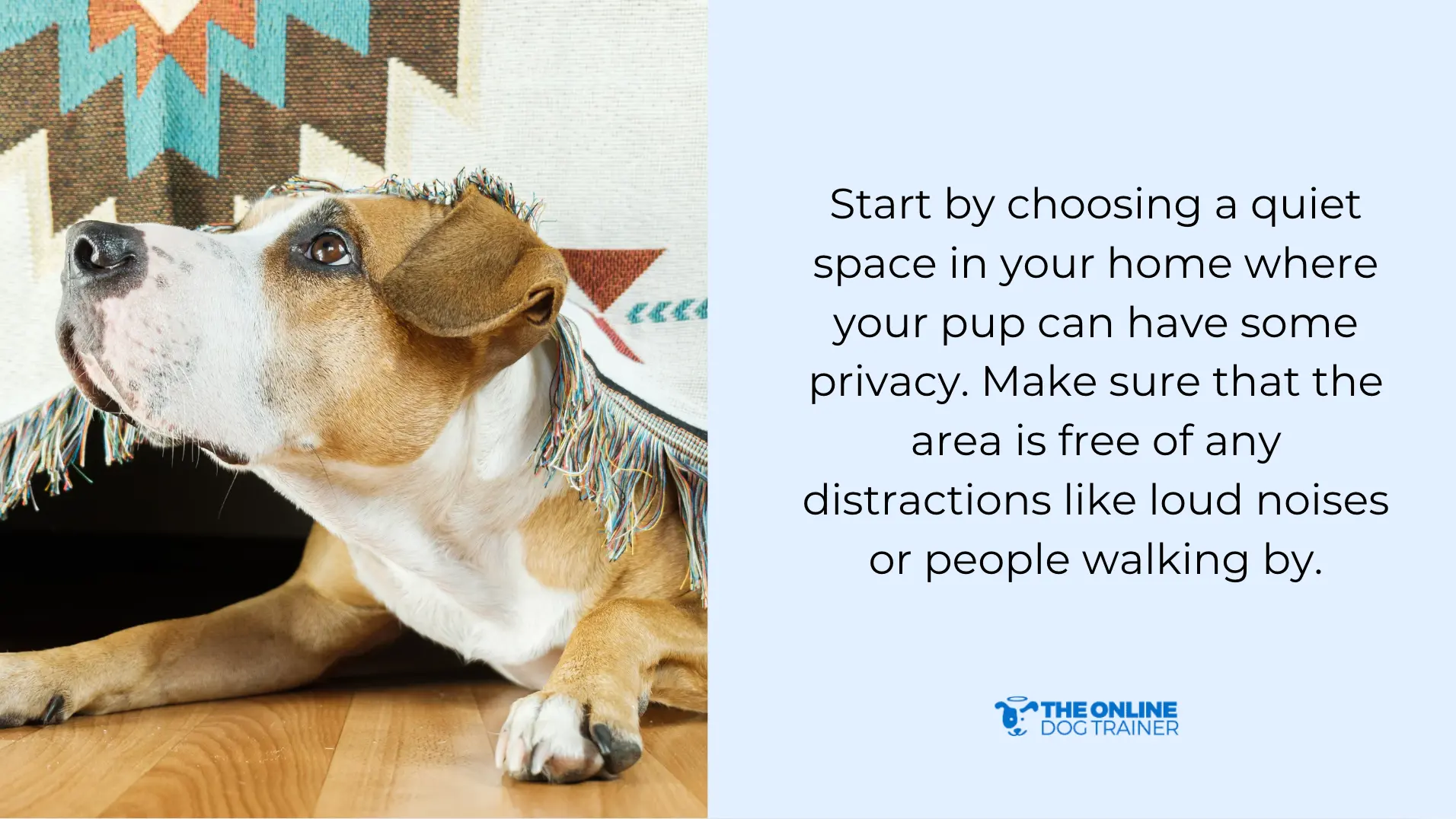
Give your dog a special spot where they feel safe and calm. This can be a crate, a bed, or a quiet corner with their favorite blanket or toy.
Keep this space tidy and free from clutter. Your dog will learn to associate it with rest and relaxation.
Visit this space often during the day and encourage your dog to settle there calmly. Have you noticed how your dog’s behavior changes when they have a place to retreat to?
Establish A Routine
Establishing a routine helps your dog feel secure and reduces anxiety, which naturally leads to a calmer demeanor. Dogs thrive on predictability; it sets clear expectations and minimizes confusion. When your dog knows what to expect and when, they are less likely to become restless or overly excited.
Consistent Feeding And Walk Times
Feeding your dog at the same times each day creates a rhythm that your pet can rely on. This consistency signals that their needs will be met, which helps lower stress and hyperactivity.
Walks also play a crucial role. Taking your dog out at regular times not only provides physical exercise but also mental stimulation. This combination helps reduce excess energy that might otherwise lead to disruptive behavior.
Think about your own daily schedule—how does sticking to a routine affect your mood? Dogs respond similarly, so try setting fixed meal and walk times to see a noticeable change in your dog’s calmness.
Regular Training Sessions
Short, frequent training sessions help your dog understand what behavior you expect. This builds focus and self-control, key ingredients for a calm dog.
Training at the same time each day, even if just for 5-10 minutes, adds structure and reinforces good habits. Use positive reinforcement to keep your dog motivated and relaxed during these sessions.
Have you noticed how training can double as a bonding moment? It’s a chance for your dog to engage mentally and feel connected to you, which naturally soothes their nerves.
Use Positive Reinforcement
Using positive reinforcement is a powerful way to teach your dog to stay calm. It focuses on encouraging the behavior you want to see, rather than punishing the ones you don’t. This approach creates a trusting bond and makes training a more enjoyable experience for both you and your dog.
Reward Calm Behavior
Notice the moments when your dog is relaxed, like sitting quietly or lying down calmly. Immediately reward these moments with treats, gentle petting, or soft praise. This helps your dog understand that staying calm brings positive attention and rewards.
Try to reward calm behavior consistently and right away. Delays can confuse your dog about what you are praising. Think about how you feel when someone recognizes your good work instantly—it feels good, right? Your dog feels the same way.
Have you ever tried to ignore hyperactive behavior only to find it getting worse? Positive reinforcement focuses on teaching your dog what you want instead of what you don’t want. That shift can change the whole dynamic in your home.
Avoid Punishment
Punishing your dog for being excited or anxious can backfire. It may cause fear or stress, making your dog even harder to calm down. Instead of building trust, punishment can create confusion and anxiety.
If your dog jumps around or barks, don’t shout or push them away. This might make them anxious or defensive. Instead, stay calm yourself and redirect your dog’s attention to a calm behavior, then reward that.
Ask yourself: how would you feel if you were punished for feeling excited or nervous? Your dog is no different. Avoid punishment and focus on guiding your dog gently towards calmness with patience and kindness.
Teach Relaxation Commands
Teaching your dog relaxation commands is a key step in helping them stay calm in various situations. These commands give your dog clear instructions on when to be still and composed, making it easier for both of you to manage excitement or anxiety. With consistent practice, your dog will learn to associate these commands with calm behavior, which can be a game-changer during walks, visits, or noisy environments.
Introduce 'sit' And 'stay'
The foundation of calmness often starts with the simple commands 'Sit'and 'Stay'. Begin by asking your dog to sit in a quiet environment. Reward them immediately with praise or a treat to reinforce the behavior.
Once your dog sits reliably, add the 'Stay'command to encourage patience. Start with a few seconds and gradually increase the time. This helps your dog learn to hold still, which is essential for calming down.
Have you noticed how your dog reacts when you hold the 'Stay'command? Their ability to wait quietly is a clear sign of growing self-control.
Train 'settle' And 'place'
The commands 'Settle'and 'Place'teach your dog to relax on cue in a specific spot. Start by choosing a comfortable mat or bed as the designated 'place'.
Lead your dog to this spot and use the command 'Place', encouraging them to lie down calmly. Reward calm behavior with treats and gentle petting.
The 'Settle'command is useful when your dog is already lying down but needs to relax further. Use a calm voice and slow movements to help your dog understand that it’s time to relax completely.
Imagine having a dog that, upon hearing 'Settle', takes a deep breath and settles into calmness. How would that change your daily routine?
Incorporate Physical Exercise
Incorporating physical exercise plays a vital role in training a dog to be calm. Exercise helps release extra energy that can cause restlessness. It also reduces anxiety and improves overall behavior. Regular activity supports both the body and mind, making dogs more relaxed and content.
Daily Walks And Playtime
Daily walks provide structured exercise and mental breaks. Walking helps dogs explore new scents and sights. It also strengthens the bond between owner and pet. Playtime offers a chance to burn energy quickly. Games like fetch or tug-of-war keep dogs active and engaged. These activities reduce hyperactivity and promote calmness.
Mental Stimulation Activities
Mental stimulation tires dogs in a different way than physical exercise. Puzzle toys challenge their problem-solving skills. Training sessions teach new commands and focus. Interactive games stimulate the brain and prevent boredom. Mental work helps dogs relax after completing tasks. Combining mental and physical exercise creates a balanced routine for calm behavior.
Manage Anxiety Triggers
Managing anxiety triggers is a key part of training your dog to stay calm. If you can spot what makes your dog nervous or scared, you can help them face those situations with more confidence. It’s about creating a safe space where your dog feels secure and less reactive.
Identify Stressors
Start by watching your dog closely. Notice what events or objects cause them to act anxious—loud noises, strangers, or certain places could be the culprits.
Write down these triggers and observe how your dog behaves around them. Does their breathing change? Do they try to hide or bark excessively?
Understanding these signals helps you prepare better. Have you ever noticed your dog suddenly tense up when the doorbell rings? That’s a clear stressor you can work on.
Use Calming Aids
Calming aids can make a big difference in reducing your dog’s anxiety. Products like anxiety wraps, pheromone diffusers, or calming treats often help dogs feel more relaxed.
Try a snug-fitting wrap that applies gentle pressure, similar to a comforting hug. Many dog owners find this eases their pet’s stress during thunderstorms or vet visits.
Don’t overlook the power of music or white noise. Soft, repetitive sounds can block out startling noises and create a peaceful environment for your dog.
Credit: theonlinedogtrainer.com
Practice Patience And Consistency
Training a dog to stay calm requires steady effort and a gentle approach. Practice patience and consistency throughout the process. Dogs learn best when they feel safe and supported. Sudden changes or harsh corrections can cause stress and slow progress.
Keep in mind that each dog has a unique pace. Some may calm down quickly, while others take more time. Consistency helps your dog understand what you expect. Patience allows your dog to adjust without fear or confusion.
Avoid Rushing Progress
Do not expect your dog to change overnight. Calm behavior develops slowly. Pushing your dog too fast can cause setbacks. Watch for small improvements and celebrate them.
Stay relaxed during training sessions. Your calm energy helps your dog feel safe. Avoid raising your voice or showing frustration. This keeps the learning environment positive.
Maintain Training Schedule
Set regular times for training each day. Short, frequent sessions work better than long, rare ones. This helps your dog build a habit of calmness.
Stick to simple routines. Repetition teaches your dog what to do. Use the same commands and rewards each time. This reduces confusion and builds trust.
Credit: theonlinedogtrainer.com
Frequently Asked Questions
How Long Does It Take To Train A Dog To Be Calm?
Training time varies by dog breed and age. Consistent daily sessions often show results in 4-6 weeks. Patience and positive reinforcement speed up progress. Calm behavior improves with ongoing practice and clear commands.
What Techniques Help Calm An Anxious Dog?
Use deep pressure therapy, gentle petting, and calming music. Regular exercise and structured routines reduce anxiety. Positive reinforcement rewards calm behavior, while avoiding punishment prevents stress. Consult a vet for severe anxiety.
Can Diet Influence A Dog's Calmness?
Yes, diet affects mood and energy levels. High-quality, balanced food supports brain health and calmness. Avoid excessive sugar and artificial additives. Omega-3 fatty acids promote relaxation and reduce hyperactivity.
Should I Use Calming Treats For Training?
Calming treats can support relaxation during training. Look for natural ingredients like chamomile and valerian root. Treats should complement, not replace, consistent training and exercise. Always check with your vet before use.
Conclusion
Training a dog to be calm takes time and patience. Consistency is key. Use simple commands and positive reinforcement. Reward your dog when it behaves calmly. Create a peaceful environment for your pet. Regular exercise helps reduce excess energy. Establish a routine to promote relaxation.
Remember, every dog learns differently. Be patient and stay committed. Celebrate small victories along the way. Your efforts will lead to a happier, calmer dog. Enjoy the journey with your furry friend. Building a bond is just as important as training.
Keep practicing and stay positive.