Does your dog snap or growl when new people come near? This can be scary for you, your visitors, and your dog too.
But don’t worry—teaching your dog not to bite strangers is possible. With the right steps, you can help your dog feel calm and safe around new faces. You’ll discover simple, proven techniques to stop biting before it starts. Keep reading to protect your dog and everyone around them.

Credit: www.dwdogtraining.com
Recognizing Bite Triggers
Recognizing bite triggers is key to preventing your dog from biting strangers. Understanding what causes biting helps you manage and change your dog’s behavior. It also keeps both your dog and others safe. Watch carefully to spot early signs of stress or fear.
Common Causes Of Biting
- Fear or anxiety from new people or situations
- Protecting territory or possessions
- Pain or illness making your dog irritable
- Startled by sudden movements or loud noises
- Lack of proper socialization with strangers
Each dog reacts differently. Knowing these causes helps you spot what triggers your dog’s biting.
Reading Your Dog’s Body Language
Your dog’s body shows clear signs before biting. Pay attention to these signals:
- Growling or snarling
- Raised hackles along the back
- Stiff body posture
- Avoiding eye contact or staring intensely
- Licking lips or yawning repeatedly
- Tail held low or tucked between legs
Recognizing these signs early lets you act before your dog bites. Calm your dog or remove them from the situation.
Building Positive Associations
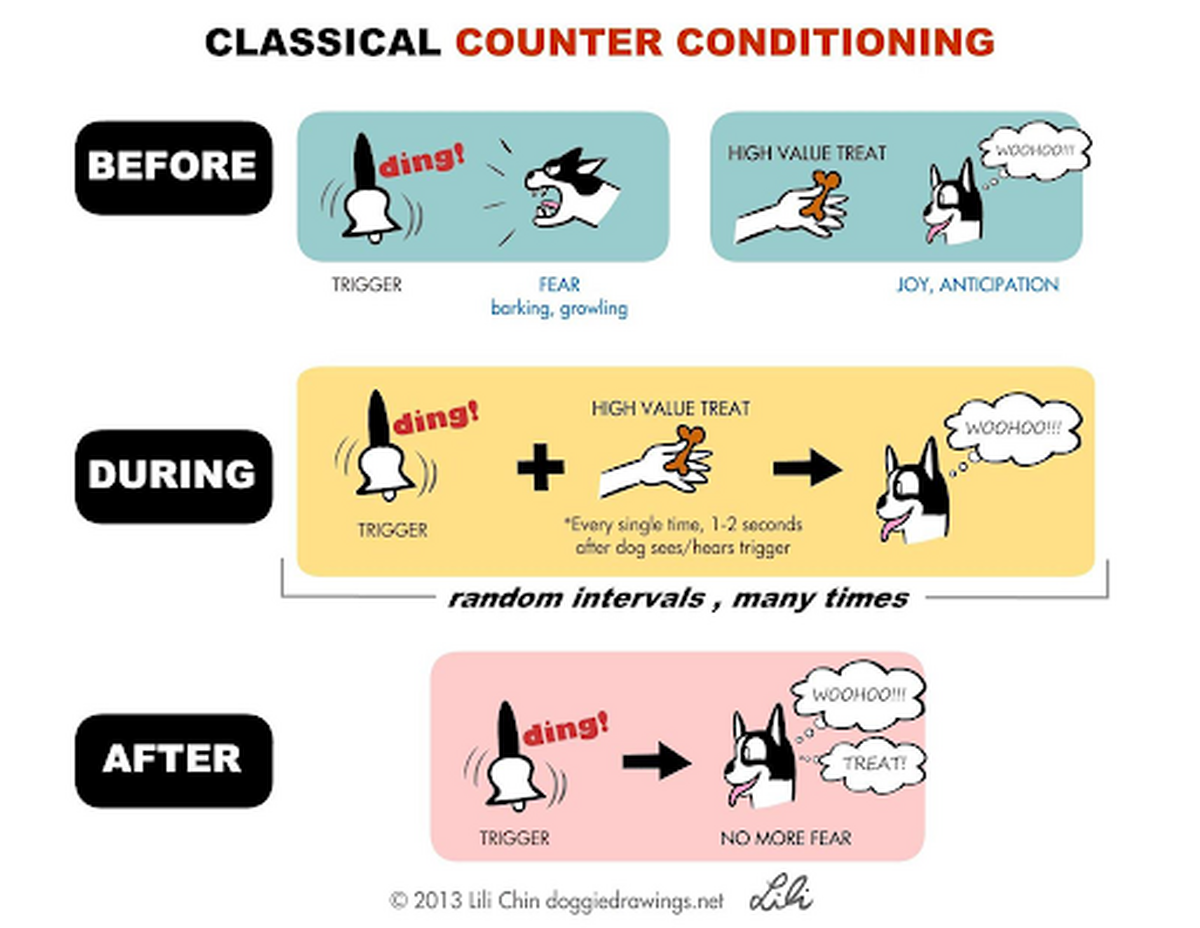
Building positive associations is key to teaching your dog not to bite strangers. Dogs often react out of fear or confusion. Helping your dog link strangers with good experiences can change their behavior dramatically.
Using Treats And Rewards
Use high-value treats your dog loves, like small pieces of chicken or cheese. When a stranger approaches, give your dog a treat immediately. This helps your dog connect strangers with something positive.
Keep treats ready during any interaction with new people. Reward calm behavior, such as sitting or looking away from the stranger. This encourages your dog to stay relaxed instead of reacting aggressively.
Try to notice the exact moment your dog starts feeling uncomfortable. Reward them just before that point to reinforce calmness. Have you noticed how your dog’s mood changes with different treats or praise?
Introducing Strangers Gradually
Start with people your dog already knows and trusts. Let these familiar faces interact gently with your dog while you supervise. This builds confidence in your dog without overwhelming them.
Slowly introduce new strangers at a distance where your dog feels safe. Over time, decrease this distance as your dog remains calm. This helps your dog learn that strangers are not a threat.
- Ask strangers to speak softly and avoid sudden movements.
- Encourage strangers to offer treats only if your dog is calm.
- End each introduction on a positive note.
Have you tried watching your dog’s body language closely during these introductions? It can tell you when it’s time to slow down or move forward.
Basic Obedience Training
Basic obedience training builds a strong foundation for your dog's behavior. It helps your dog listen and respond well. This training reduces fear and aggression toward strangers. Teaching clear commands makes your dog more confident and calm. Consistency and patience are key to success.
Teaching Commands Like Sit And Stay
Start with simple commands such as "sit" and "stay." These commands teach your dog to pause and focus. Use treats and praise to reward good behavior. Practice in quiet places before trying busy areas. This helps your dog learn without distractions. Gradually increase the time your dog holds the command.
Improving Impulse Control
Impulse control stops your dog from reacting too quickly. Teach your dog to wait for permission before acting. Use games like "leave it" or "wait" to build control. Reward calm behavior with treats or attention. Practice often to strengthen your dog's self-control. This helps your dog stay calm around strangers.
Socializing Your Dog Safely
Socializing your dog safely is key to preventing fear-based or defensive biting toward strangers. It helps your dog feel comfortable and confident around new people. Taking the right steps can turn nervousness into curiosity and friendliness.
Controlled Exposure To New People
Introduce your dog to new people slowly and in a calm setting. Start with one person at a time, preferably someone your dog can meet outside or in a quiet room. Keep your dog on a leash so you can easily guide and control the interaction.
Watch your dog’s body language closely. If your dog shows signs of stress, like backing away or growling, give them space and try again later. Reward calm and friendly behavior with treats and praise to encourage positive associations.
Think about the kinds of strangers your dog might meet—kids, adults, people with hats or glasses—and include those variations in your socialization. This helps your dog learn that different appearances don’t mean danger.
Group Training Sessions
Joining a group training class can expose your dog to many people and dogs in a controlled environment. The trainer can guide interactions and step in if your dog becomes overwhelmed. This setting also teaches your dog to focus on you despite distractions.
Group sessions offer a chance to practice commands like “sit” and “stay” around strangers, reinforcing your role as the leader. You’ll also learn tips from the trainer and see how other owners handle similar challenges.
Have you noticed your dog reacts differently when meeting people one-on-one versus in a group? Group sessions help you observe and manage these differences effectively.
Redirecting Aggressive Behavior
Redirecting aggressive behavior in dogs is essential to keep both your pet and strangers safe. Aggression often stems from fear or confusion, so guiding your dog’s focus away from the trigger can prevent biting before it happens. This approach requires patience and consistency but can transform your dog’s reactions over time.
Using Distraction Techniques
Distraction is a powerful way to interrupt your dog’s aggressive mindset. When you spot signs of tension, immediately offer something appealing to shift their attention.
- Use a favorite toy or chew item to engage your dog’s focus.
- Call your dog’s name and reward them with a treat when they respond.
- Practice simple commands like “sit” or “look” to redirect their energy.
Once, my dog started growling at a delivery person. I quickly gave him a treat while asking him to “sit.” His mood changed instantly. Have you tried rewarding calm behavior right at the moment your dog shows signs of aggression?
Calm Responses To Warning Signs
Your reaction influences your dog’s behavior more than you might expect. Staying calm sends a message that the situation is under control.
- Speak in a soft, steady voice to avoid escalating tension.
- Keep your body relaxed—avoid sudden movements or loud noises.
- Step back slightly to give your dog space without showing fear.
Dogs pick up on your emotions quickly. If you panic, they may feel justified in their aggressive response. How do you usually respond when your dog first shows signs of discomfort around strangers?

Credit: theonlinedogtrainer.com
Seeking Professional Help
Dealing with a dog that bites strangers is stressful and can feel overwhelming. Sometimes, your best effort isn’t enough to change this behavior alone. Seeking professional help can give you the right tools and guidance to keep everyone safe and build trust with your dog.
When To Consult A Trainer
If your dog has bitten someone or shows aggressive signs like growling or lunging at strangers, it’s time to get professional help. Waiting until the behavior worsens can make training harder and riskier.
Choose a trainer who specializes in aggression or fear-based behaviors. Look for certifications, positive reviews, and trainers who use reward-based methods instead of punishment. Have you noticed your dog’s anxiety around visitors or new people? A skilled trainer can assess these triggers and create a plan tailored to your dog’s needs.
Benefits Of Behavior Specialists
Behavior specialists bring deep knowledge of why dogs act aggressively and how to change those patterns. They can identify underlying causes like fear, territorial instincts, or past trauma.
Working with a specialist means you get personalized strategies, often involving controlled socialization and confidence-building exercises. This expert support can prevent future incidents and improve your dog’s overall well-being.
Imagine feeling confident walking your dog near strangers without worry. A behavior specialist can help you reach that point by turning a problem into progress.
Maintaining Consistency
Maintaining consistency is key when training your dog not to bite strangers. Dogs learn best when they experience the same rules and reactions every time. Without consistency, your dog can get confused, making the training less effective and possibly prolonging unwanted behavior.
Routine Training Practices
Set a clear schedule for training sessions. Short, daily practices work better than long, infrequent ones. This keeps your dog focused and helps build good habits faster.
Use the same commands and signals each time you train. If you switch words or tones, your dog may not understand what you want. For example, always say "No bite" firmly and calmly instead of mixing it with "Stop" or "Don't."
Consistency also means reacting the same way to biting attempts. If you ignore biting sometimes but scold at other times, your dog won't know which behavior is acceptable. Always respond calmly but firmly to discourage biting every time.
Involving Family Members
Everyone who interacts with your dog must follow the training rules. Dogs pick up on mixed messages quickly, so if one person allows biting and another doesn’t, it will confuse your dog.
Teach family members the commands and how to respond to biting attempts. You might create a simple guide or have a quick training session together to ensure everyone is on the same page.
Ask yourself: Are all family members consistent with the rules? If not, your dog might test boundaries with strangers and family alike. Make training a family effort to strengthen your dog’s understanding and improve behavior around everyone.

Credit: www.hillrag.com
Frequently Asked Questions
How Can I Stop My Dog From Biting Strangers?
Consistently train your dog with positive reinforcement. Teach bite inhibition using gentle mouth handling. Socialize your dog early with many people. Use commands like "leave it" and reward calm behavior around strangers.
Why Does My Dog Bite Strangers Suddenly?
Dogs bite strangers due to fear, anxiety, or lack of socialization. Sudden changes in environment or health issues can also trigger biting. Identifying the cause helps in addressing the behavior effectively with proper training or veterinary advice.
What Are The Best Training Methods To Prevent Biting?
Use positive reinforcement and reward calm behavior. Avoid punishment, which can increase fear or aggression. Gradually expose your dog to new people while controlling interactions. Teach commands like "sit" and "stay" to manage behavior around strangers.
When Should I Seek Professional Help For Biting?
Seek professional help if biting persists or worsens despite training. Immediate help is needed if bites cause injury or if the dog shows aggressive tendencies. A certified dog trainer or behaviorist can provide tailored strategies for safety.
Conclusion
Training a dog not to bite strangers takes patience and consistency. Start with small steps and reward good behavior. Ensure your dog feels safe and comfortable. Use positive reinforcement to encourage progress. Be patient; some dogs need more time. Seek help from a professional trainer if needed.
Remember, every dog is unique. Consistent training builds trust and safety. A well-trained dog is a joy for everyone. Practice regularly to maintain good habits. Your efforts create a loving and safe environment. With dedication, your dog will learn to behave calmly around strangers.
Keep practicing and enjoy the journey together.