Have you ever wished your cat could master the art of using a litter box with ease? Imagine a life where you no longer have to worry about accidents or unpleasant odors.
You’re not alone in this desire. Many cat owners dream of a seamlessly trained feline friend. The good news is, with the right approach, it’s entirely possible! In this guide, you’ll discover simple, effective techniques to toilet train your cat.
You’ll learn how to transform this daunting task into a rewarding experience, creating a happier home for both you and your cat. Ready to unlock the secrets of a cleaner, more harmonious household? Let’s dive in and explore the steps that will get you there.
Preparing For Toilet Training
Preparing for toilet training your cat is a key step to ensure success. It takes patience and the right setup. This phase helps your cat feel safe and comfortable. The right environment makes the training easier and less stressful. Start by selecting the right litter box and toilet location. Gather all needed supplies before beginning the training process.
Choosing The Right Litter Box
Pick a litter box that suits your cat’s size. A larger box gives your cat more space to move. Choose a box with low sides for easy access. Avoid covered boxes; they can trap odors and scare your cat. Plastic material is easy to clean and durable. A simple, sturdy box works best during training.
Selecting The Perfect Toilet Location
Place the litter box near the toilet for easy transition. Avoid noisy or busy areas that might scare your cat. Keep the spot quiet and private. Make sure the location has good lighting. Avoid places with strong smells or drafts. The spot should be easy for you to access for cleaning.
Gathering Necessary Supplies
- Cat-friendly litter that clumps and controls odor
- A stable litter box with smooth edges
- Step stool or small platform for toilet access
- Cleaning supplies to maintain hygiene
- Treats to reward your cat during training
Having these ready keeps the process smooth. It helps your cat adjust faster and feel secure.
Credit: advantia.com.au
Introducing The Toilet To Your Cat
Introducing your cat to the toilet is a delicate process that requires patience and careful observation. Your cat’s comfort and confidence during this transition will determine how smoothly the training goes. The key is to make the toilet seem like a natural extension of their litter box routine rather than an abrupt change.
Gradual Litter Box Elevation
Start by slowly raising the litter box a few inches every few days. Use sturdy items like phone books or small boxes to create a stable platform. This gentle elevation helps your cat get used to the new height without feeling unstable or scared.
Watch how your cat reacts at each stage. If they hesitate or avoid jumping up, hold the elevation level longer until they feel confident. Remember, rushing this step can cause anxiety and setbacks.
Encouraging Exploration
Allow your cat to explore the toilet area without pressure. Leave the bathroom door open and place treats or toys near the toilet to spark curiosity. This encourages positive associations rather than fear or avoidance.
Try sitting with your cat near the toilet and gently guiding them to investigate. Cats often mimic your calm behavior, so your relaxed attitude can make a big difference. Have you noticed how your cat reacts to new places? Use that insight to tailor exploration sessions.
Monitoring Your Cat’s Comfort
Throughout the training, closely observe your cat’s body language and behavior. Signs of stress, like excessive meowing or avoidance, mean you might need to slow down. On the other hand, confident steps forward show you’re on the right track.
Keep a journal or note any changes in bathroom habits. This helps you pinpoint what’s working and what isn’t. How often do you think about your cat’s comfort during training? Paying attention here can save you frustration later.
Transitioning From Litter Box To Toilet
Transitioning your cat from a litter box to using the toilet is a process that requires careful steps and patience. This phase is crucial because it helps your cat adjust comfortably without stress or accidents. Each cat is unique, so observing your cat’s behavior closely will guide you through this transition smoothly.
Using A Training Seat
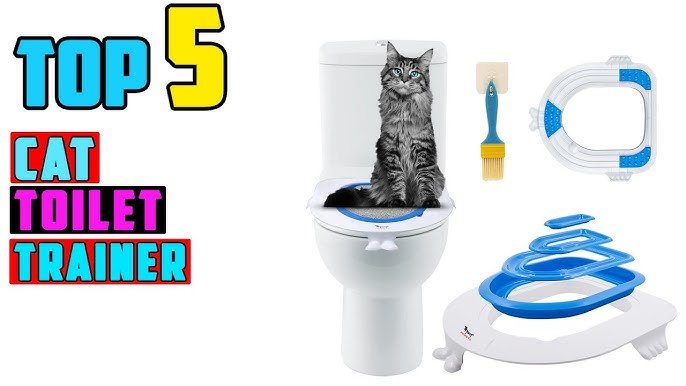
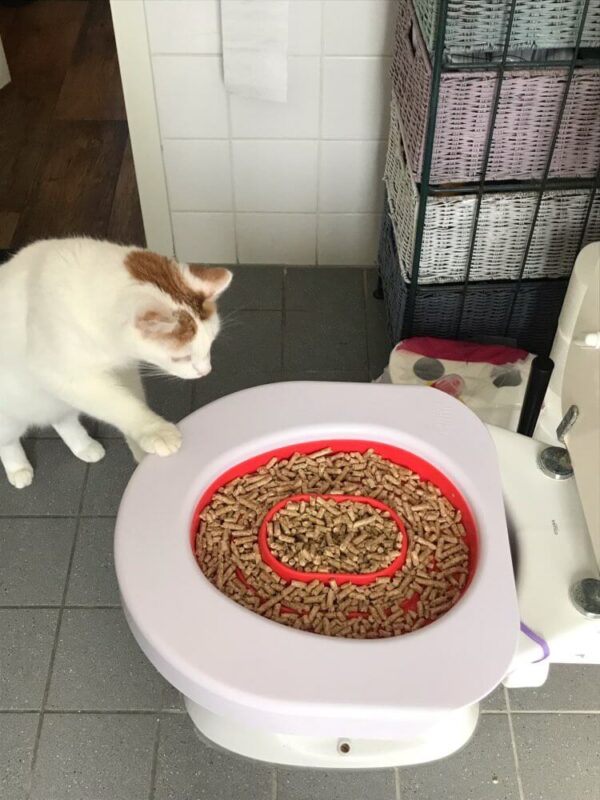
A training seat is a key tool for helping your cat get used to the toilet. It fits over your toilet bowl and holds litter, mimicking the litter box environment your cat is familiar with. Start by placing the training seat on the toilet and encouraging your cat to jump up and explore it.
Gradually, the training seat will help your cat balance on the toilet rim while still feeling secure. Make sure the seat is stable and safe to avoid any accidents that could scare your cat away. You might need to show your cat the new spot by gently lifting them onto the seat at first.
Reducing Litter Gradually
One effective way to help your cat transition is by slowly reducing the amount of litter in the training seat. Start with the usual amount so your cat feels comfortable, then decrease it little by little over several days. This change encourages your cat to use less litter until it becomes unnecessary.
Watch your cat closely during this phase. If you notice hesitation or accidents, pause the reduction and give your cat more time. This gradual approach keeps the experience positive and prevents setbacks.
Timing And Patience Tips
Timing is everything. Begin the transition when your cat is calm and healthy, avoiding stressful periods like moving homes or introducing new pets. Patience is your best friend; rushing the process can cause confusion and resistance.
Celebrate small wins, like your cat sitting on the toilet or staying calm near the training seat. This positive reinforcement builds confidence and trust. Ask yourself: How can I make this change feel easy and safe for my cat?
Troubleshooting Common Issues
Troubleshooting common issues is part of toilet training a cat using a litter box. It helps keep your training on track. Problems may occur, but patience and good care solve most of them. Understanding how to handle accidents, resistance, and hygiene keeps your cat happy and healthy.
Handling Accidents
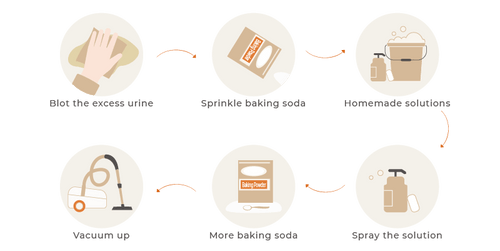
Accidents happen during training. Stay calm and avoid punishment. Clean the area well to remove odor. Use an enzyme cleaner to stop your cat from returning there. Watch for patterns in accidents. They can show where your cat feels unsafe or uncomfortable.
- Check if the litter box is clean.
- Ensure the box is in a quiet, safe spot.
- Use the same type of litter your cat prefers.
Dealing With Resistance
Some cats resist using the litter box. They may be scared or confused. Try to make the box inviting. Place it where your cat likes to rest. Offer praise or treats when they use it. Avoid forcing your cat near the box. Gradual encouragement works best.
- Keep the training sessions short and positive.
- Use gentle voice and calm movements.
- Consider a different litter box style or size.
Maintaining Hygiene
Cleanliness is key to successful training. Scoop the litter box daily. Change litter fully at least once a week. Wash the box with mild soap and water. Avoid strong smells that can scare your cat. A clean box invites your cat to use it regularly.
- Use unscented, dust-free litter.
- Place a mat under the box to catch litter.
- Keep the area around the box tidy and dry.
Finalizing The Training Process
Finalizing the training process is a crucial step in toilet training your cat using a litter box. This phase ensures your cat fully adapts to the new routine and feels comfortable without extra aids. Patience and consistency help your cat make a smooth transition.
Removing The Training Seat
Gradually take away the training seat from the litter box. Start by making the hole larger until the seat is no longer needed. Observe your cat’s behavior to ensure it uses the box confidently. Removing the seat too fast can confuse your cat. Move slowly and allow your cat time to adjust.
Ensuring Consistent Behavior
Keep the litter box in the same place to avoid confusion. Check the box daily for cleanliness, as cats prefer a clean spot. Watch for signs your cat is ready to use the box without assistance. Consistency helps your cat build a strong habit. Avoid sudden changes in the routine.
Rewarding Your Cat
Use treats or gentle praise when your cat uses the litter box correctly. Positive reinforcement encourages your cat to repeat good behavior. Avoid punishment, which can cause fear or stress. Small rewards work best and keep your cat motivated. Celebrate progress to strengthen your cat’s confidence.

Credit: www.amazon.co.uk

Credit: www.walmart.com
Frequently Asked Questions
How Long Does It Take To Toilet Train A Cat?
Toilet training a cat usually takes 4 to 8 weeks. Consistency and patience are essential during this process. Gradual steps help your cat adjust comfortably. Each cat learns at a different pace, so be flexible and encouraging.
What Supplies Do I Need For Cat Toilet Training?
You need a litter box, flushable litter, and a cat toilet training seat. A step-by-step training kit can help. Patience and positive reinforcement are also important tools for success.
Can All Cats Learn To Use A Toilet?
Most cats can learn, but some may resist. Age, temperament, and previous habits influence success. Younger cats often adapt faster. Be prepared for setbacks and adjust training as needed.
How Do I Transition My Cat From Litter Box To Toilet?
Gradually move the litter box closer to the toilet over days. Then replace the box with a training seat. Slowly reduce litter amount until your cat uses the toilet directly. Always reward your cat for progress.
Conclusion
Training your cat to use a litter box takes time and patience. Start with a clean, quiet place for the box. Use positive words and gentle praise when your cat uses it. Watch your cat’s habits and adjust the box location if needed.
Keep the litter box clean every day. Remember, every cat learns at its own pace. Stay calm and consistent throughout the process. Soon, your cat will feel comfortable and confident using the litter box. This simple step makes life easier for both you and your pet.