Have you ever walked into your home and wondered if it smells like your dog? Sometimes, pet odors can sneak in without you even noticing.
If you’re unsure whether your house carries that distinct doggy scent, you’re not alone. Knowing how to tell if your house smells like dog is the first step to keeping your space fresh and inviting. You’ll discover simple ways to identify those hidden smells and easy tips to banish them for good.
Keep reading—your nose will thank you!
Common Causes Of Dog Odor
Dog odor in a house can be unpleasant and persistent. Knowing the common causes helps to tackle the smell effectively. The scent often comes from daily pet activities and their natural body oils.
Understanding these sources allows better cleaning and freshening strategies. Each cause contributes differently to the overall odor.
Pet Dander And Skin Oils
Dogs shed tiny skin flakes called dander. This dander mixes with natural oils on their skin. These oils have a distinct smell. When dander and oils spread on furniture, carpets, and curtains, the odor builds up. Regular cleaning reduces this cause of dog smell.
Wet Dog Smell
Wet fur traps moisture and bacteria. This combination creates a strong odor known as wet dog smell. After baths or rainy walks, the scent can linger in the house. Proper drying and ventilation help prevent this smell from sticking around.
Accidents And Stains
Pee and poop accidents leave stains and odors. Even small spots can cause lasting smells if not cleaned immediately. Bacteria in stains continue to produce odor over time. Using pet-safe cleaners removes both stains and smells effectively.
Dirty Bedding And Toys
Dog beds and toys collect dirt, saliva, and skin flakes. These items absorb odors and bacteria. Over time, they become a major source of dog smell. Washing bedding and toys regularly keeps the house smelling fresh.
Identifying Dog Smell In Your Home
Identifying dog smell in your home is the first step to freshening up your space. Dogs bring joy but also odors that can linger in certain areas. Recognizing where and how these smells hide helps you clean better and keep your home pleasant.
Detecting Odor Hotspots
Dog smells often gather in specific spots. Check places your dog visits the most:
- Dog beds and blankets
- Couch cushions and fabric chairs
- Carpets and rugs
- Corners and under furniture
- Near food and water bowls
These areas trap oils, dirt, and moisture, causing odors to build up.
Using Your Nose Effectively
Use your nose like a detective. Walk slowly around your home and breathe deeply. Smell near the floor, corners, and soft surfaces. Fresh air can help reset your sense of smell. Step outside for a moment, then come back in to sniff again.
Asking Others For Input
Sometimes, your nose gets used to the smell. Ask family or friends to visit and give honest feedback. They might notice odors you miss. Different noses detect smells differently. Their input can help identify hidden dog smells.
Quick Fixes To Mask Dog Odor
Dealing with dog odor in your home can be frustrating, especially when guests are on their way. Quick fixes to mask that distinct smell can make a big difference while you work on deeper cleaning. These simple tricks help freshen your space instantly and keep it welcoming.
Air Fresheners And Sprays
Air fresheners and sprays are the fastest way to cover up dog smells. Choose products designed to neutralize pet odors instead of just covering them up. Spritz them around your living room, carpets, and pet bedding for immediate freshness.
Keep in mind, some air fresheners can be overpowering or irritate sensitive noses. Test a small area first and opt for unscented or lightly scented options if you’re unsure. Have you noticed how a quick spray can instantly lift the room’s vibe?
Essential Oils And Natural Scents
Essential oils offer a natural alternative to chemical sprays. Scents like lavender, eucalyptus, and lemon not only smell great but also help combat odors. You can add a few drops to a diffuser or mix with water in a spray bottle for a homemade air freshener.
Be cautious using oils around pets; some can be harmful. Always research or consult your vet before introducing new scents. Have you tried making your own natural spray? It’s simple and feels more personal.
Ventilation Tips
Proper ventilation is a game changer for managing dog odor. Open windows and doors regularly to let fresh air circulate through your home. Even a few minutes a day can reduce stale smells significantly.
Fans and air purifiers also help move and clean the air, especially in closed spaces. Try positioning a fan near your dog’s favorite spots to keep the air fresh there. How often do you air out your home to keep things smelling clean?
Credit: www.familyhandyman.com
Deep Cleaning To Remove Odors
Deep cleaning is essential to truly remove dog odors from your home. Surface-level cleaning might mask the smell temporarily, but deep cleaning targets the source. It refreshes your living space and keeps your home welcoming, even with pets around.
Washing Pet Bedding
Pet bedding often holds the strongest smell since your dog spends hours there. Wash all blankets, cushions, and beds regularly using hot water and pet-safe detergents. Adding a cup of white vinegar to the rinse cycle can neutralize stubborn odors.
Have you noticed how even freshly washed pet bedding can sometimes still smell? That’s often because residues build up over time. A thorough soak before washing can help break down oils and dirt.
Cleaning Carpets And Upholstery
Carpets and upholstery trap pet hair, dander, and odors deep inside fibers. Use a vacuum with a HEPA filter to remove debris first. Follow with a steam cleaner or a pet-safe enzymatic cleaner to break down odor-causing molecules.
If your carpet still smells after cleaning, sprinkle baking soda over it, let it sit for a few hours, then vacuum again. This simple trick often makes a big difference in freshness.
Scrubbing Floors And Surfaces
Floors and hard surfaces can absorb odors, especially if your dog has accidents or tracks in dirt. Use a mixture of warm water and a mild detergent to scrub floors thoroughly. For tile or hardwood, a vinegar solution can help neutralize smells without damaging finishes.
Don’t forget to clean baseboards, corners, and under furniture where odors may linger unnoticed. Regularly disinfecting these areas stops smells from building up over time.
Preventing Future Dog Smells
Preventing future dog smells in your home takes consistent effort, but it's completely manageable with the right habits. You can create a fresher environment by tackling odors at their source and maintaining a clean space. Let’s look at practical ways to keep your house smelling inviting, even with a furry friend around.
Regular Grooming For Your Dog
Keeping your dog clean is the first defense against lingering smells. Regular baths help remove dirt, oils, and dander that contribute to odors. Brushing your dog often also cuts down on loose fur and distributes natural oils evenly across their coat.
Don’t forget to check ears and teeth, as infections there can cause unpleasant smells. Have you noticed how your dog’s scent changes after a good groom? That fresh smell can make a huge difference in your home’s atmosphere.
Frequent Cleaning Routines
Cleaning your home frequently reduces the buildup of dog-related smells. Wash your dog’s bedding, blankets, and toys weekly to keep odors from settling in. Vacuum carpets and furniture regularly to remove hair and dander that carry smells.
Pay special attention to areas your dog spends the most time in. Even wiping down hard floors and walls can stop smells from lingering. What if you set a weekly cleaning schedule specifically targeting pet areas? It might just keep your home smelling noticeably fresher.
Using Odor Absorbers
Odor absorbers work behind the scenes to neutralize smells instead of just covering them up. Products like activated charcoal bags, baking soda, or specialized pet odor absorbers can be placed around your home. These help trap and eliminate odors in the air and on surfaces.
Try placing odor absorbers near your dog's favorite spots or in enclosed spaces like closets. Have you experimented with natural odor absorbers versus commercial ones? You might find a simple solution that fits your lifestyle perfectly.

Credit: www.yahoo.com
When To Seek Professional Help
Sometimes, the smell of dog in your home won’t go away no matter how much you clean. This is the moment to consider professional help. Recognizing when to call in experts can save your home from lingering odors and protect your living space.
Hiring Carpet Cleaners
Carpets often trap pet odors deep in their fibers. If regular vacuuming and spot cleaning don’t work, a professional carpet cleaner can make a big difference. They use powerful equipment and special solutions that reach beyond the surface, removing stubborn smells you can't see.
Think about how your home feels after a professional carpet cleaning. Doesn’t it feel fresher and more inviting? This service is especially useful if your dog has had accidents or if the smell has soaked into the fabric over time.
Using Odor Removal Services
There are companies that specialize in removing pet odors from your entire home. These services use techniques like ozone treatment or thermal fogging that neutralize smells at their source. You might be surprised how effective these treatments are compared to just masking the odor with air fresheners.
If your home still smells like dog after cleaning and airing out, consider odor removal services. Ask yourself: is the smell affecting your comfort or guests’ experience? If yes, this professional help could be exactly what you need.
Veterinary Advice For Persistent Smells
Sometimes, persistent odors come from your dog’s health issues, like skin infections or dental problems. If you notice the smell seems to originate directly from your pet and won’t fade, a vet visit is important. They can identify any underlying issues causing the odor and suggest treatment.
Have you ever thought that your dog’s smell might be a sign of health trouble? Taking action early can improve your pet’s well-being and reduce odors at the same time. Don’t hesitate to ask your vet if you’re unsure.
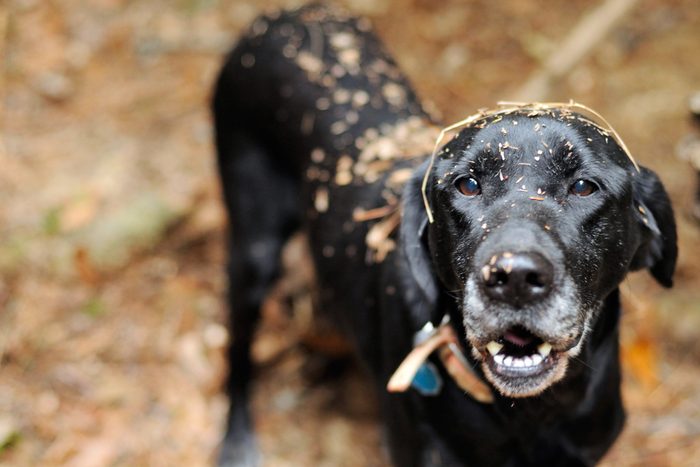
Credit: www.rd.com
Frequently Asked Questions
How Can I Detect If My House Smells Like Dog?
Check for a persistent, musky odor in carpets, furniture, and air. Use your nose and ask guests for feedback.
What Causes A Dog Odor In The Home?
Dog odor comes from pet dander, saliva, and oils in their fur. Poor ventilation and dirty fabrics also trap smells.
Which Areas In The House Hold Dog Smells Most?
Common spots are carpets, upholstery, pet beds, curtains, and air vents. These areas absorb and retain dog odors easily.
How Often Should I Clean To Reduce Dog Smell?
Clean pet areas and fabrics weekly. Vacuum and air out rooms regularly to keep the smell minimal.
Conclusion
A fresh-smelling home is inviting and pleasant. Regular cleaning helps reduce dog odors. Focus on areas where your dog spends time. Use natural deodorizers like baking soda. Check for hidden spots that might trap smells. Wash pet items often, including bedding and toys.
Open windows for ventilation. Consider professional cleaning for stubborn smells. A clean environment benefits both you and your pet. Keep your home smelling fresh and welcoming. A little effort goes a long way. Enjoy a home that's comfortable and odor-free.
Your guests and nose will thank you.