Have you ever walked into your home and noticed a strange smell you can’t quite place? If you have cats, that scent might be more common than you think.
Knowing how to tell if your house smells like cat is important—not just for comfort, but for keeping your space fresh and welcoming. You’ll discover simple signs to watch for and easy steps to fix the problem. Keep reading to make sure your home always smells just the way you want it.
Common Causes Of Cat Odor
Noticing a lingering cat smell in your home can be frustrating. Understanding where that odor comes from is the first step to tackling it effectively. Cats have unique habits and needs, and sometimes these create subtle or strong smells you might not immediately connect to them.
Litter Box Issues
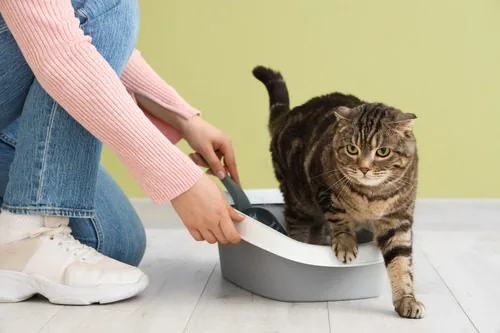
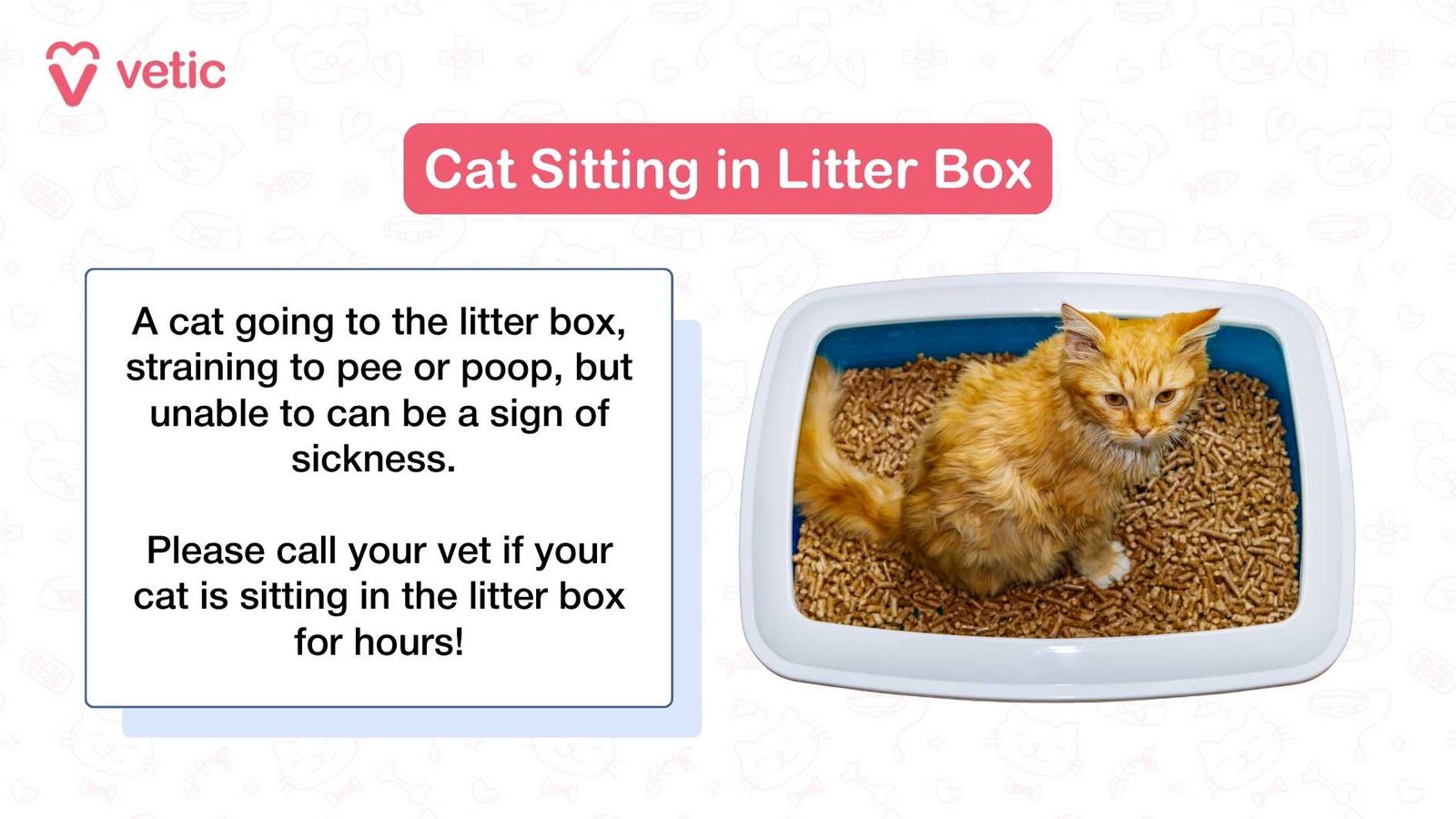
The litter box is often the main source of cat odor. If it’s not cleaned regularly, waste builds up and produces a strong ammonia-like smell.
Even the type of litter you use can affect the odor. Some litters clump better and control smell more effectively, while others might not absorb moisture well.
Have you checked the location of your cat’s litter box? Placing it in a poorly ventilated area can trap odors, making your whole room smell.
Cat Marking Behavior
Sometimes cats mark their territory by spraying urine, especially if they feel stressed or threatened.
This scent marking often happens on walls, furniture, or corners and can create a persistent, pungent smell.
Are you aware of any new pets or changes in the household that might trigger your cat to mark? Addressing the cause can reduce this behavior and the resulting odor.
Hidden Accidents
Not all accidents are easy to spot. Cats sometimes urinate or defecate in hidden spots like under furniture, behind appliances, or inside closets.
These hidden messes can soak into carpets or wood, causing a lasting smell even after you clean the surface.
Have you noticed any dark spots or damp areas where your cat might be sneaking off to? Using a blacklight can help reveal these hidden stains.
Cat Bedding And Toys
Cat beds and toys absorb smells over time, especially if your cat spends a lot of time with them.
Regular washing or replacing these items can drastically reduce the odor in your home.
Do you have a cleaning routine for your cat’s belongings? Neglecting this can make your house smell like a cat even if everything else is spotless.

Credit: www.reddit.com
Detecting Cat Smell In Your Home
Detecting cat smell in your home can be trickier than you think. Sometimes, the odor is subtle and hides in unexpected places. Knowing how to pinpoint these smells helps you keep your living space fresh and welcoming.
Identifying Odor Hotspots
Cat smells often concentrate in specific areas. Check litter boxes first—they’re the most obvious source. But don’t stop there; look around furniture, carpets, and corners where your cat likes to nap or hide.
Have you noticed a persistent smell near your sofa or under the bed? These spots can trap odors from fur or accidents. Don’t forget places like curtains or fabric-covered chairs where the scent can cling tightly.
Using Your Senses Effectively
Your nose is the best tool for detecting cat odors, but it can get used to smells over time. Try sniffing your home after a few hours away to catch any lingering scents. Fresh air often resets your sense of smell, making it easier to detect odors you might otherwise miss.
Visual cues can also help—look for discoloration or dampness that might hint at hidden smells. Trust your instincts: if something smells “off,” it probably is.
When To Use Odor Detection Tools
If you suspect cat odors but can’t locate the source, odor detection tools come in handy. Portable air quality meters can reveal ammonia levels, which rise with cat urine. Blacklight flashlights expose hidden stains invisible to the naked eye.
Consider these tools if your nose has grown accustomed to the smell or if you have multiple cats. They provide a clear guide on where to focus your cleaning efforts, saving you time and guesswork.
Quick Fixes For Cat Odor
Cat odor can sneak into your home faster than you realize. Luckily, there are quick fixes you can try that make a noticeable difference right away. These simple steps help you take control of the smell without overwhelming your schedule or budget.
Cleaning Litter Boxes Regularly
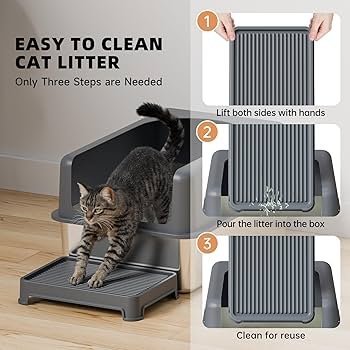
One of the biggest sources of cat odor is the litter box. Cleaning it daily stops smells before they spread. You might be surprised how much fresher your home feels after just a quick scoop each day.
Try changing the litter completely once a week. This resets the smell and keeps bacteria at bay. Using clumping litter also helps trap odors better than traditional types.
Washing Fabrics And Bedding
Cat hair and dander cling to fabrics, holding onto odors. Washing your pet’s bedding and your own regularly cuts down on lingering smells. Don’t forget curtains, couch covers, and even your favorite throw pillows.
Use a pet-safe detergent or add a cup of white vinegar to your wash cycle. Vinegar neutralizes odors naturally and leaves fabrics smelling fresh. How often have you ignored that cozy blanket, only to notice it smells off?
Ventilating Your Home
Fresh air is one of the easiest ways to reduce indoor odors. Open windows and doors whenever you can. Even a few minutes of cross-ventilation can push out trapped smells and bring in clean air.
If outdoor conditions don’t allow for open windows, consider using fans or an air purifier. These tools help circulate air and filter out pet odors effectively. What’s the last time you let fresh air change the atmosphere in your home?
Using Odor Neutralizers
Odor neutralizers target smells instead of just masking them. Products like baking soda sprinkled on carpets or specialized sprays can absorb or break down odors at their source. Keep a box of baking soda handy for quick freshening between deep cleans.
Activated charcoal bags and essential oil diffusers also work well. These create a pleasant environment without overwhelming scents. Which neutralizer fits your lifestyle best for ongoing odor control?

Credit: www.reddit.com
Long-term Solutions To Prevent Odor
Preventing cat odor in your home requires consistent effort and good habits. Long-term solutions focus on keeping your cat clean, choosing the right products, and maintaining your living space. These actions help stop smells before they start. A fresh-smelling home feels welcoming and comfortable for everyone.
Maintaining Cat Hygiene
Clean cats are less likely to cause odor problems. Brush your cat regularly to remove loose fur and dirt. Check for any skin issues or infections that might cause smells. Bathing cats is rare but may help if they get very dirty. Keep their bedding clean and wash it often.
Choosing The Right Litter
Pick a litter that controls odor well. Clumping litter makes cleaning easier and faster. Some litters contain baking soda or charcoal to absorb smells. Try different brands to find what works best for your cat. Make sure to change the litter box frequently to stop odor buildup.
Regular Deep Cleaning
Cleaning your home deeply reduces trapped smells. Use pet-safe cleaners for floors and furniture. Wash litter boxes weekly with soap and water. Clean spots where your cat marks or urinates outside the box. Vacuum carpets and upholstery regularly to remove fur and dander.
Behavioral Training For Cats
Teach your cat where to go to the bathroom. Reward your cat for using the litter box correctly. Discourage bad habits like urinating on furniture. Use deterrents or covers on areas your cat likes to mark. Consistent training helps reduce accidents and odors over time.
When To Seek Professional Help
Knowing when to seek professional help is key to managing cat odors effectively. Some smells don’t go away with regular cleaning. These odors might signal deeper problems in your home or with your cat’s health. Acting early can protect your living space and your pet.
Persistent Odor Issues
Odors that last for weeks need attention beyond home cleaning. Deep stains and smells in carpets or furniture can be tough. Professionals use special tools and cleaners to remove embedded smells. Persistent odors can also mean hidden damage to walls or floors.
Professional Cleaning Services
Cleaning experts offer services like steam cleaning and odor neutralizing. They remove bacteria and allergens that cause smells. Professionals can treat areas hard to reach at home. Hiring cleaning services can restore freshness and improve air quality quickly.
Veterinary Advice For Cat Health
Sometimes, bad smells come from your cat’s health issues. Illness or poor hygiene can cause unusual odors. A vet can check for infections or dental problems. Proper treatment can stop the smell at its source. Regular vet visits keep your cat healthy and your home smelling fresh.

Credit: www.threads.com
Frequently Asked Questions
How Can I Detect If My House Smells Like Cat?
You can detect cat odor by noticing a strong ammonia-like smell. Check areas where cats frequently stay, such as carpets, furniture, and litter boxes. Persistent odors often indicate missed cleaning spots or hidden accidents.
What Causes A House To Smell Like Cat Urine?
Cat urine contains ammonia and other compounds that produce a strong, pungent odor. The smell worsens if accidents are not cleaned promptly. Old urine stains and litter boxes are common sources of cat odors indoors.
How Do I Remove Cat Smell From My Home?
Clean affected areas with enzymatic cleaners designed for pet odors. Regularly change and clean litter boxes. Ventilate rooms well and use air purifiers to reduce lingering smells. Prompt cleaning prevents odor buildup.
Can Cat Odors Affect My Health?
Strong cat urine odors can cause respiratory irritation, headaches, and allergies. Prolonged exposure to ammonia fumes may worsen breathing issues. Proper cleaning and ventilation help maintain a healthy indoor environment.
Conclusion
Detecting cat odors in your home is crucial. It ensures a fresh atmosphere. Regular cleaning helps manage these smells effectively. Keep litter boxes clean and use air fresheners. Pay attention to fabric surfaces, as they absorb odors. Ventilate rooms to improve air quality.
Invite a friend to sniff your house. They can help identify any lingering smells. Maintaining a clean home benefits everyone living there. A fresh-smelling house is more inviting. It also promotes a healthier environment. Taking these steps can make a big difference.
Your house will feel more comfortable and welcoming.