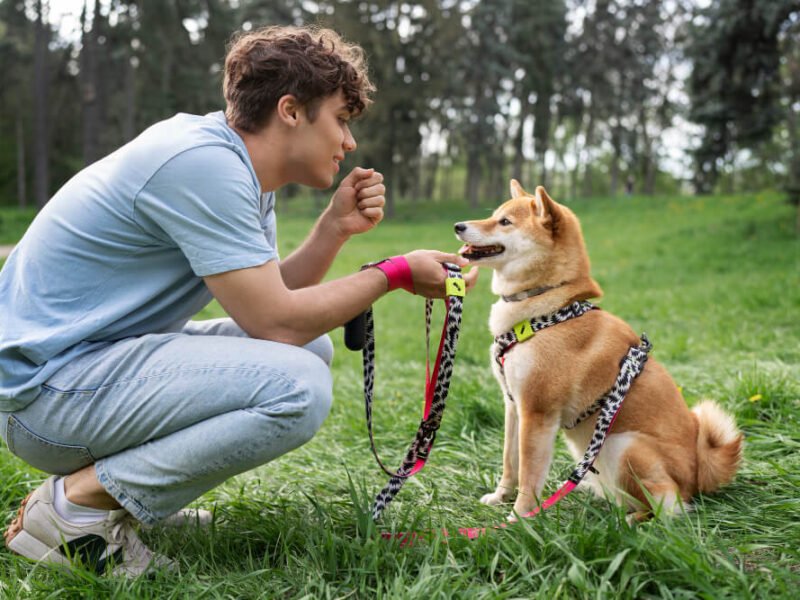
Teaching your dog to heel on leash can transform your daily walks from a tug-of-war into a peaceful, enjoyable time together. Imagine walking side by side with your dog, relaxed and focused on you, no matter the distractions around.
You might think it’s hard or even impossible, but with the right steps, you can make it happen faster than you expect. You’ll discover simple, effective techniques that work for any dog, helping you build trust and control. Ready to turn your walks into a smooth, happy experience?
Let’s dive in and learn how to teach your dog to heel on leash.

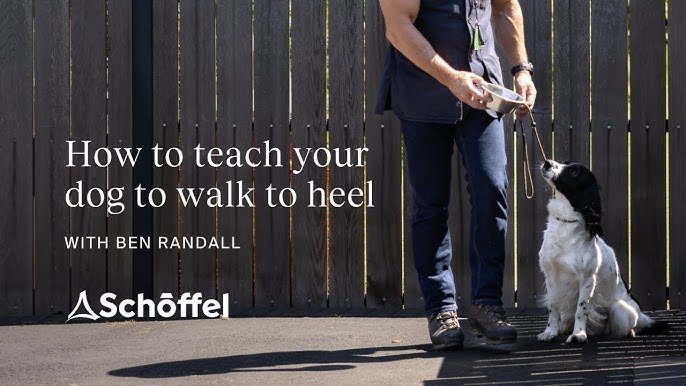
Credit: www.youtube.com
Why Teach Heel
Teaching your dog to heel on leash is more than just a neat trick. It creates a foundation for safe, enjoyable walks and strengthens your bond. But why should you focus on this specific skill? Understanding the reasons behind teaching heel helps you stay motivated and see the real value in your training efforts.
Benefits For You And Your Dog
Walking with your dog at heel makes outings smoother and less stressful. You gain better control, which is crucial in busy or unpredictable environments. This control helps prevent your dog from darting into traffic or lunging at other dogs.
Your dog also benefits significantly. Heel training encourages focus and discipline, making your dog more attentive to your commands. It reduces pulling, which can be tiring and harmful to their neck and spine.
Imagine walking without the constant tugging and stopping. You both enjoy the walk more and get better exercise. Plus, your dog learns to stay calm and close, which can improve behavior in other situations too.
Common Challenges
Many dog owners find heel training tricky at first. Dogs are naturally curious and may want to sniff or explore ahead. This makes staying right beside you difficult.
Another challenge is consistency. If you don’t practice regularly or use clear commands, your dog might get confused. It’s common for dogs to test boundaries, pulling or lagging behind.
Have you noticed your dog pulling despite your best efforts? This often happens when the dog gets excited or distracted. Recognizing these moments helps you intervene early and keep training on track.
Patience and short, frequent training sessions work best. Celebrate small wins and be ready to adjust your approach. With time, your dog will learn that walking at heel is rewarding and expected.

Credit: www.walkiesandwaggietails.co.uk
Choosing The Right Equipment
Choosing the right equipment helps make leash training easier for your dog. The right tools offer comfort and control. They also keep your dog safe. Picking the best leash and collar improves your training sessions. It supports your dog's learning and keeps walks enjoyable.
Leash Types
Leashes come in many styles and lengths. Each type serves a different training purpose. Short leashes offer more control. Long leashes give your dog more freedom to explore. Some popular leash types include:
- Standard leash:Usually 4 to 6 feet long. Good for basic training and daily walks.
- Retractable leash:Allows your dog to roam farther. Not ideal for heel training as it offers less control.
- Training leash:Often longer or adjustable. Helps teach commands like “heel” and “come.”
- Slip leash:Tightens if your dog pulls. Useful for quick control but should be used carefully.
Collar Options
Choosing the right collar is as important as the leash. It affects how your dog responds to commands. Some collars provide gentle guidance, while others offer more control. Common collar types include:
- Flat collar:Simple and comfortable. Best for dogs that don’t pull much.
- Martingale collar:Tightens slightly if your dog pulls. Prevents slipping out without choking.
- Head halter:Controls the dog's head direction. Helps reduce pulling but needs gentle introduction.
- Harness:Distributes pressure evenly. Good for dogs with neck issues or strong pullers.
Preparing Your Dog
Getting your dog ready to learn the heel command is crucial for success. Preparation sets the tone for effective training and helps your dog understand what you expect. Taking time to prepare your dog can make teaching them to walk calmly by your side much easier and more enjoyable for both of you.
Basic Obedience Skills
Before you start teaching your dog to heel, make sure they have a good grasp of basic commands like sit, stay, and come. These commands build a foundation of communication between you and your dog.
Practicing these skills regularly helps your dog focus on you, which is essential when learning to heel. If your dog struggles with these basics, consider spending extra time here before moving forward.
Setting The Training Environment
Choose a quiet, familiar place to start training. Avoid busy parks or noisy streets at first, where distractions can overwhelm your dog.
Keep training sessions short and positive—about 5 to 10 minutes—to maintain your dog’s attention. Use treats or toys your dog loves as rewards to keep motivation high.
Have you noticed how your dog reacts to different environments? Use this insight to pick the best spot that encourages focus and minimizes stress.
Credit: affiliates.bloodstock.uk.com
Step-by-step Heel Training
Teaching your dog to heel on a leash takes patience and clear communication. Breaking down the process into manageable steps helps both you and your dog stay focused and motivated. Let’s dive into the practical actions you can take to shape this important behavior.
Introducing The Heel Position
Start by deciding where you want your dog to walk—usually on your left side, close to your leg. Stand still and hold a treat at your side to lure your dog into the correct spot. Once your dog moves beside you, reward immediately to mark the behavior.
Keep your body relaxed and use a consistent verbal cue like “heel” or “close.” This helps your dog connect the word with the position. Don’t expect perfection right away; small steps build a strong foundation.
Using Treats And Praise
Food rewards are powerful motivators, especially when teaching a new skill. Use small, tasty treats that your dog loves and offer them frequently at first. Pair treats with enthusiastic praise like “Good heel!” to strengthen the positive association.
Try to time the reward exactly when your dog is in the heel position. This clear feedback helps your dog understand what you want. Over time, you can reduce treats and rely more on praise and petting.
Practicing Short Sessions
Keep training sessions brief—around 5 to 10 minutes—to maintain your dog’s interest. Dogs learn better with frequent, short practices rather than long, tiring ones. End each session on a positive note to keep your dog eager for the next.
Experiment with different environments in these sessions, but start indoors or in a quiet backyard. This reduces distractions and allows your dog to focus on learning the heel position. How might your dog respond differently in a busy park?
Increasing Duration And Distractions
Gradually lengthen the time your dog stays in the heel position while walking. Add distractions like other people, dogs, or noises once your dog is comfortable. This step challenges your dog and builds real-world reliability.
If your dog breaks position, gently guide them back and reward immediately when they return. This teaches your dog that staying close to you is rewarding no matter what’s happening around. What distractions do you think might be hardest for your dog to ignore?
Troubleshooting Common Issues
Troubleshooting common issues while teaching your dog to heel on leash can save you hours of frustration. Each dog is different, and challenges like pulling, lagging, or getting distracted are normal bumps on the road. Understanding these problems and knowing how to fix them will make your training sessions smoother and more enjoyable for both of you.
Pulling Ahead
If your dog keeps pulling ahead, it often means they’re excited or trying to explore. Avoid yanking the leash; instead, stop walking as soon as the leash tightens. This teaches your dog that pulling doesn’t get them where they want to go.
Try changing direction suddenly or calling your dog back to your side with a cheerful voice. Reward your dog immediately when they come back or walk beside you calmly. Consistency matters here—do this every time your dog pulls, and you’ll see progress quickly.
Lagging Behind
A dog that lags behind may be tired, distracted, or simply not interested in walking close to you. To fix this, use treats or toys as motivation to keep your dog engaged. Hold the reward near your side so your dog learns that staying close means good things.
Make sure your walks are the right length and pace for your dog’s age and breed. Sometimes a slow walker just needs a bit more encouragement, not punishment. Ask yourself—are the rewards exciting enough to keep your dog moving with you?
Getting Distracted
Distractions like other dogs, people, or noises can pull your dog’s attention away from heel training. When this happens, pause and regain your dog’s focus by calling their name or using a familiar command. Reward eye contact to reinforce their attention on you.
Training in low-distraction areas before moving to busy places helps build your dog’s focus gradually. Think about what really grabs your dog’s interest and use that as a tool to bring their attention back during walks. Are you prepared to be patient and consistent as your dog learns to ignore distractions?
Maintaining Heel Behavior
Maintaining heel behavior is key to having a well-behaved dog on walks. It ensures your dog stays close and focused on you. Consistency and patience help your dog understand what you expect. This builds trust and makes walks more enjoyable.
Consistent Practice
Practice the heel command every day. Short sessions work best to keep your dog’s attention. Repeat the command calmly and clearly. Consistent timing helps your dog learn faster. Avoid long breaks between sessions to prevent confusion.
Reinforcing With Rewards
Use treats or praise to reward your dog when it heels correctly. Rewards motivate your dog to keep good behavior. Give rewards right after your dog heels well. This links the behavior with positive outcomes. Use different rewards to keep your dog interested.
Adapting To Different Environments
Train your dog to heel in various places. Start in quiet areas and move to busy spots. Different environments teach your dog to focus despite distractions. Gradually increase the difficulty as your dog improves. This prepares your dog for real-world walks.
Frequently Asked Questions
How Long Does It Take To Teach A Dog To Heel?
Teaching a dog to heel usually takes 2 to 4 weeks with consistent daily training. Patience and positive reinforcement speed up progress. Each dog learns at its own pace, so practice regularly and keep sessions short and engaging to maintain your dog’s focus.
What Is The Best Leash For Teaching Heel?
A standard 4 to 6-foot leash is best for heel training. It offers control without too much slack or tension. Avoid retractable leashes as they hinder consistent guidance. Using a comfortable harness or flat collar also supports effective training sessions.
How Do I Stop My Dog From Pulling While Heeling?
Use gentle leash corrections and stop walking when your dog pulls. Reward your dog when walking beside you. Consistency and patience are key. Teaching your dog to focus on you during walks helps reduce pulling and encourages proper heel behavior.
Can All Dog Breeds Learn To Heel On Leash?
Yes, all dog breeds can learn to heel on leash. Some breeds may take longer due to energy levels or temperament. Tailor your training approach to your dog’s personality. Consistent, positive methods work best regardless of breed or size.
Conclusion
Teaching your dog to heel takes patience and practice. Consistency is key. Praise and reward your dog for good behavior. Keep training sessions short and fun. Use treats and positive reinforcement. Gradually increase distractions as your dog improves. Always stay calm and patient.
Celebrate small successes along the way. A well-behaved dog makes walks enjoyable. Remember, every dog learns at their own pace. Enjoy the bonding time with your furry friend. Your efforts will pay off. Keep practicing and have fun together.