If you have an older dog struggling with bathroom habits, teaching them to pee on a pad can make life much easier for both of you. You might feel frustrated or worried about changing routines at this stage, but it’s possible to help your furry friend adapt.
Imagine less mess, fewer accidents, and more peace of mind in your home. You’ll discover simple, effective steps to guide your old dog to use a pee pad confidently. Keep reading—you’re about to learn how small changes can bring big relief for you and your pet.
Choosing The Right Pee Pad
Choosing the right pee pad is key to training an old dog to use it. The right pad makes the process easier and cleaner. It helps your dog feel comfortable and prevents accidents around the house. Focus on the pad's material, size, absorbency, and where you place it. These factors affect your dog's success in using the pad.
Materials And Size
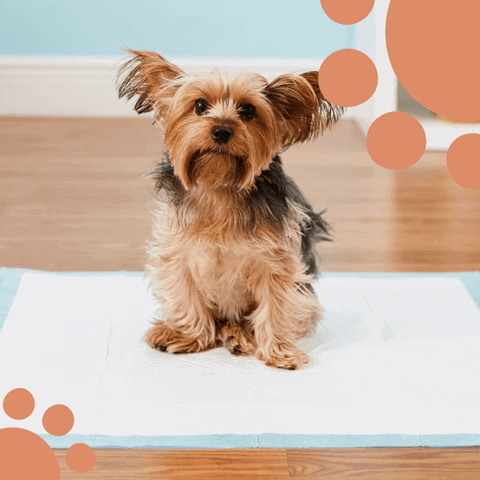
Pee pads come in various materials. Look for soft, non-slip surfaces that feel safe under your dog's paws. The size should fit your dog's body comfortably. Small pads suit small dogs, while larger breeds need bigger pads. Oversized pads can give dogs more space to aim. This reduces mess and helps your dog learn faster.
Absorbency And Odor Control
High absorbency stops leaks and keeps floors dry. Choose pads with multiple layers to lock in moisture. Good odor control helps keep your home smelling fresh. Some pads have built-in scents or odor-blocking materials. This makes cleaning easier and encourages dogs to use the pad again.
Placement Tips
Place the pad in a quiet, easy-to-reach spot. Avoid busy or noisy areas that might scare your dog. Keep it consistent so your dog knows where to go. Use a tray or holder to keep the pad in place. This prevents shifting and helps your dog feel more secure.
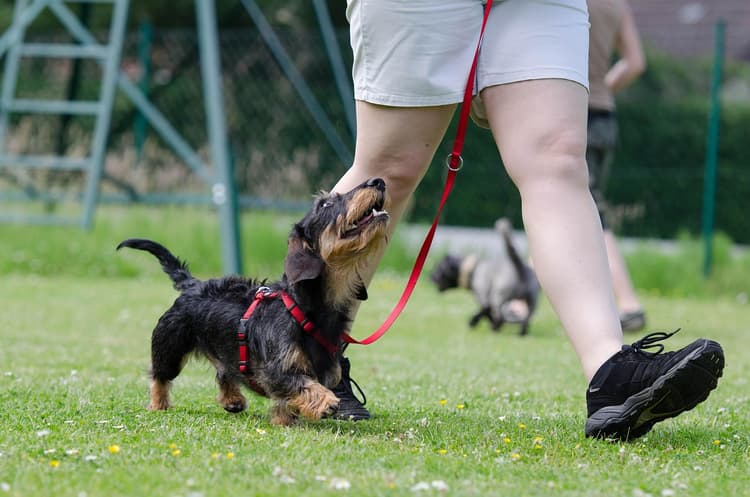
Credit: basepaws.com
Preparing Your Dog For Training
Preparing your dog for training is an important first step. It helps your dog understand what to expect. Preparation creates a calm environment. It makes learning easier for your dog. Take time to get ready before training starts.
Assessing Current Habits
Observe where your dog usually pees. Note the times of day your dog needs to go. Watch for signals your dog gives before peeing. This helps you know when and where to place the pad. Understanding current habits guides your training plan.
Health Checkup
Visit the vet to rule out health issues. Urinary tract infections can cause accidents. Older dogs may have incontinence problems. A clean bill of health supports successful training. This step ensures your dog is ready to learn.
Gathering Necessary Supplies
Collect all items needed for pad training. Get pee pads with good absorbency. Use a tray or holder to keep pads in place. Have cleaning supplies ready for accidents. Keep treats nearby for rewarding your dog. Being prepared helps the training run smoothly.
Step-by-step Training Process
Training an old dog to pee on a pad takes patience and a clear plan. The key is to guide your dog through each phase with kindness and consistency. This step-by-step process helps your dog understand exactly what you expect, making the transition smoother for both of you.
Introducing The Pee Pad
Start by placing the pee pad in a quiet, accessible spot where your dog usually goes to relieve itself. Let your dog sniff and explore the pad without pressure. You might want to move the pad closer to where your dog has had accidents before to build an association.
Try to keep the pad in the same place initially to avoid confusion. If your dog shows interest, reward them with a treat or gentle praise. This helps your dog see the pad as a positive and safe place.
Using Commands And Cues
Choose a simple word or phrase like “go potty” to use consistently when guiding your dog to the pad. Use this cue every time you take your dog to the pad to build a clear connection.
Watch your dog’s behavior for signs they need to go, such as sniffing or circling. Take them to the pad immediately and say your cue word. Repeating this consistently trains your dog to recognize the command and the location.
Positive Reinforcement Techniques
Reward your dog with treats, praise, or playtime right after they successfully pee on the pad. This positive feedback encourages your dog to repeat the behavior.
Timing matters. Deliver the reward immediately after the action to make the connection clear. Avoid scolding or punishing accidents, as this can create fear and confusion.
Handling Accidents Calmly
Accidents will happen, especially with older dogs adjusting to new habits. Stay calm and avoid yelling or showing frustration. Clean the area thoroughly to remove any lingering smells that might attract your dog back to the same spot.
Instead of punishment, redirect your dog gently to the pad when you notice signs they need to go. Ask yourself: How can I make this learning experience positive and stress-free for my dog?
Establishing A Routine
Establishing a routine helps your old dog learn where and when to pee. Dogs thrive on regular schedules. Predictable times make them feel safe and understand expectations. A steady routine reduces accidents and speeds up training.
Consistent Feeding And Potty Times
Feed your dog at the same times every day. This creates a natural schedule for bathroom needs. After eating, take your dog to the pee pad promptly. Try these times:
- Morning after waking up
- After meals
- Before bedtime
- Every two to three hours during the day
Consistency helps your dog link eating with potty breaks. It also teaches bladder control over time.
Monitoring Progress
Watch your dog’s behavior closely. Look for signs they need to pee, like sniffing or pacing. Note how often they go on the pee pad. Keep a simple chart:
| Day | Number of Pee Pad Uses | Accidents Outside Pad |
|---|---|---|
| Monday | 4 | 1 |
| Tuesday | 5 | 0 |
Tracking helps you see improvements and identify problems early.
Adjusting Training As Needed
Be ready to change the routine if your dog struggles. Increase potty breaks if accidents rise. Try moving the pee pad to a different spot. Use gentle encouragement and praise when your dog uses the pad. Patience is key. Training takes time, especially with older dogs.
Troubleshooting Common Issues
Troubleshooting common issues is key when teaching an old dog to pee on a pad. Challenges often pop up, but they don’t mean failure. Understanding why your dog acts a certain way helps you adjust your approach and find solutions that work.
Reluctance To Use The Pad
Your dog might avoid the pad because it smells unfamiliar or uncomfortable. Try placing the pad in a quiet, low-traffic spot where your dog feels safe. Adding a little of your dog’s urine to the pad can make it more inviting.
Sometimes the pad’s texture or size is the problem. If it’s too slippery or small, your dog may resist stepping on it. Switching to a larger or textured pad can make a big difference.
Marking Behavior
Older dogs often mark territory even after learning to use a pad. This behavior can be confusing and frustrating. Neutering or spaying can reduce marking, but it’s not a quick fix.
Redirect your dog to the pad immediately after they sniff or circle, signs they’re about to mark. Praise and reward them when they use the pad instead. Consistency here is crucial for changing habits.
Regression And Setbacks
Setbacks happen, especially if there’s a change in routine or environment. Your dog might forget or get confused, but patience is your best tool. Watch for stress triggers like new pets, visitors, or moving furniture.
Keep the training positive and don’t punish accidents. Instead, clean up thoroughly to remove any scent that might encourage repeat accidents. Ask yourself: what changed recently that might have affected your dog’s behavior?

Credit: aminpetshop.com
Maintaining Long-term Success
Maintaining long-term success in teaching an old dog to pee on a pad takes patience and consistency. Habits form over time, so steady efforts help your dog keep good behavior. Avoid rushing changes to prevent confusion or accidents. A clear plan supports smooth progress and lasting results.
Gradual Pad Reduction
Start by slowly making the pad smaller. Cut the pad edges a little each week. This helps your dog adjust without stress. It encourages your dog to aim carefully on a smaller area. Keep the pad in the same spot during this process. Watch for signs your dog is ready for the next step.
Transitioning Outdoors
Move the pad closer to the door over days. This shows your dog the way outside. After some time, place the pad just outside the door. Praise your dog for going outside or on the pad. Gradual changes help your dog learn new bathroom spots. Do not force your dog to go outside too fast.
Ongoing Praise And Rewards
Always praise your dog for peeing on the pad. Use gentle words and petting to show approval. Treats can motivate your dog to repeat good actions. Avoid scolding if your dog makes mistakes. Positive feedback builds trust and encourages good habits. Keep rewards consistent to maintain progress over time.
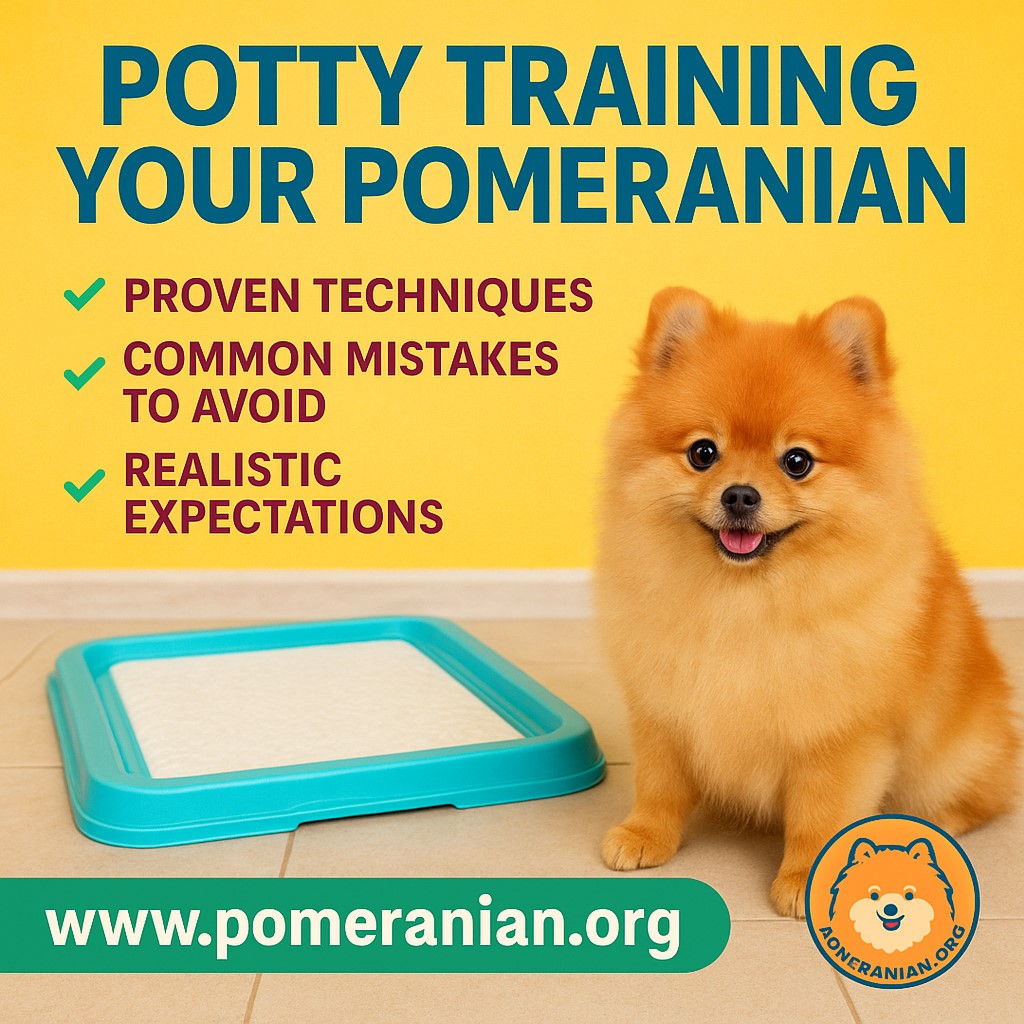
Credit: pomeranian.org
Frequently Asked Questions
How Long Does It Take To Teach An Old Dog To Pee On A Pad?
Training duration varies by dog, but typically it takes 2 to 4 weeks. Consistency and patience speed up learning. Use positive reinforcement and regular bathroom breaks. Older dogs may need extra encouragement due to established habits.
What Is The Best Type Of Pee Pad For Older Dogs?
Choose absorbent, leak-proof, and odor-controlling pads. Larger pads offer more space for accuracy. Some pads have attractants to encourage use. Select pads that suit your dog's size and bathroom habits.
How Can I Encourage My Old Dog To Use The Pee Pad?
Place the pad in a consistent, quiet spot. Reward your dog immediately after using the pad. Use verbal praise and treats. Avoid punishment to prevent fear. Regularly guide your dog to the pad during bathroom times.
Can An Old Dog Learn To Use A Pee Pad Indoors?
Yes, older dogs can learn indoor pee pad use. Consistent training and patience are essential. Modify routines gradually and use positive reinforcement. Adapt training to your dog's pace and health conditions.
Conclusion
Training an old dog requires patience and consistency. Stick to a schedule. Praise your dog for using the pad. Reward often with treats. Make the pad a familiar spot. Keep it clean and accessible. Dogs learn at their own pace.
Stay calm and encourage positive habits. Consistent actions help reinforce learning. Don't rush the process. Celebrate small victories along the way. Your efforts will lead to success. With time, your dog will adapt well. Happy training!