Imagine enjoying a peaceful walk with your dog, free from the tug of a leash, where your furry friend stays close and listens to you perfectly. Sounds amazing, right?
Teaching your dog to walk without a leash can make every stroll more relaxing and fun. But it takes the right approach, patience, and clear steps. If you want to build trust and control during your walks, keep reading. This guide will show you exactly how to teach your dog to walk off-leash safely and confidently.
Your next walk could be the start of a stronger bond and more freedom for both of you.
Benefits Of Off-leash Walking
Teaching your dog to walk without a leash opens up a world of benefits that go beyond simple convenience. It allows your dog to explore with more confidence and gives you a chance to deepen your connection. Let’s look closely at how off-leash walking can improve your dog’s life and your relationship with them.
Improved Freedom For Your Dog
Your dog experiences a new level of freedom when they are off-leash. They can roam, sniff, and play without constant restraint, which satisfies their natural curiosity. This freedom allows them to express themselves and behave more like their instincts want.
Have you noticed how your dog’s tail wags more enthusiastically when given space to explore? That’s a sign they feel happier and more comfortable.
Enhanced Bonding Experience
Walking without a leash requires strong communication between you and your dog. This shared understanding builds trust and respect. When your dog stays close by your side without a leash, it shows they listen and feel secure with you.
Think about the last time your dog looked to you for direction during an off-leash walk. Moments like these strengthen your partnership in ways a tethered walk cannot.
Better Physical And Mental Health
Off-leash walking encourages more movement and play, which benefits your dog’s physical health. They get to run, jump, and explore diverse terrain, which keeps their muscles strong and joints flexible.
Mentally, this freedom provides stimulation that reduces boredom and stress. It challenges your dog to think and make decisions, improving their focus and behavior over time.
Have you seen how a tired, content dog behaves after an off-leash adventure? It’s a clear sign that their body and mind both benefit.
Preparing Your Dog For Off-leash
Preparing your dog for off-leash walking is a crucial phase that sets the foundation for safe and enjoyable adventures. It’s not just about taking off the leash but ensuring your dog is ready to respond and stay close. This phase demands patience, consistent training, and a clear understanding of your dog's behavior.
Building Basic Obedience Skills
Before you let your dog roam free, they need to master basic commands like sit, stay, come, and heel. These commands act as your control points during off-leash walks.
Start practicing these skills daily in a quiet environment. Gradually increase distractions to test your dog’s focus. Remember, a dog that listens well on a leash will likely obey off-leash too.
Using Positive Reinforcement
Positive reinforcement is the key to encouraging good behavior. Reward your dog immediately with treats, praise, or play when they follow commands correctly.
This approach makes learning enjoyable and motivates your dog to repeat the behavior. Have you noticed how your dog’s tail wags faster when they get a treat? That’s your cue to keep rewarding those good moments.
Choosing The Right Environment
Pick a safe, enclosed space for early off-leash training sessions. Parks with fenced areas or quiet backyards work best to minimize risks.
Ensure the area is free from hazards like busy roads or aggressive dogs. This controlled setting helps build your dog’s confidence before moving to more challenging places.
Essential Commands To Teach
Teaching your dog to walk without a leash needs strong basic commands. These commands keep your dog safe and close. They build trust between you and your dog. Start with simple commands and practice often. Patience and consistency are key.
Reliable Recall Techniques
Recall means your dog comes to you when called. Use a clear, happy word like "come." Practice in quiet places first. Reward your dog with treats or praise every time they obey. Avoid calling your dog for bad things. Make coming to you fun and safe.
Heel And Stay Commands
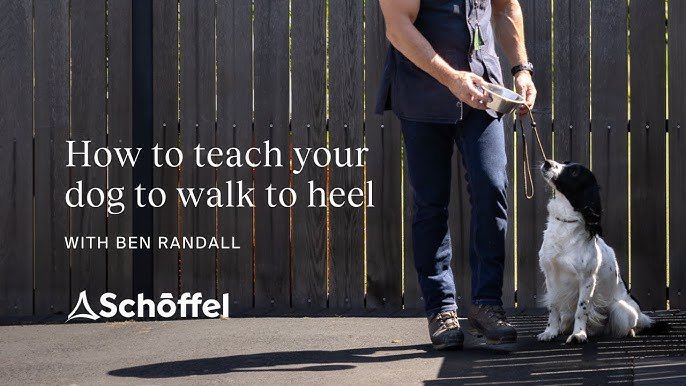
The heel command keeps your dog walking beside you. Use a short leash to guide your dog at first. Praise your dog for walking close without pulling. The stay command helps your dog hold position. Use a firm voice and hand signal. Gradually increase the time your dog stays.
Emergency Stop Signals
Stop signals prevent danger in sudden situations. Teach your dog a word like "stop" or "wait." Use a hand gesture to show the command. Practice stopping your dog during walks. Reward your dog for obeying quickly. This saves your dog from harm near roads or other animals.

Credit: pupford.com
Step-by-step Training Process
Teaching your dog to walk without a leash takes patience and a clear plan. The process involves building trust and control gradually. You’ll guide your dog step-by-step, ensuring they stay close and responsive even without a physical tether.
Starting With A Leash And Long Line
Begin training with a standard leash and then switch to a long line, which gives your dog more freedom while still keeping control. This setup helps your dog learn to follow commands without feeling completely free. Use treats and praise to reward your dog each time they stay close and respond promptly.
Try short walks in a quiet, familiar area first. If your dog pulls or gets distracted, gently reel them back and encourage focus. Have you noticed how your dog reacts differently when given more space? This insight helps adjust your approach.
Gradual Increase Of Distance
Once your dog is comfortable on the long line, start increasing the distance between you. Let your dog walk a few steps ahead or explore nearby, but stay ready to call them back. Keep the training sessions short and positive to maintain their attention.
- Use a clear recall command like “come” or “here”
- Reward immediately when your dog returns
- Practice varying the distance daily
Do you feel your dog’s confidence growing as they learn to respond from further away? This stage is crucial for building trust and reliability.
Practicing In Various Settings
Dogs behave differently in new environments. To ensure your dog walks off-leash safely, practice in multiple places—parks, quiet streets, or even your backyard. This variety teaches your dog to listen no matter the distractions.
Start with low-distraction areas and gradually add more stimuli. Always keep a leash handy in case your dog gets overwhelmed or distracted. Have you tried changing locations and noticed how it affects your dog’s focus? This can guide your next training steps.
Common Challenges And Solutions
Teaching your dog to walk without a leash is rewarding but comes with its own set of challenges. Understanding these hurdles helps you stay patient and effective in training. Let’s look closely at the common issues you might face and how to handle them confidently.
Dealing With Distractions
Distractions are everywhere: other dogs, people, noises, and even smells. Your dog’s attention can easily wander, making off-leash walking tricky. Start training in a quiet, familiar area before moving to busier spots.
Use high-value treats or toys to keep your dog focused on you. If your dog gets distracted, calmly call them back and reward their return immediately. This reinforces that paying attention to you is more rewarding than the distraction.
Ask yourself: What types of distractions pull your dog away the most? Tailor your practice sessions to gradually introduce those triggers while maintaining your dog’s focus.
Handling Fear Or Anxiety
Some dogs feel uneasy without a leash, especially in new environments. Fear can cause them to bolt or freeze, which makes training harder. Observe your dog’s body language to spot signs of anxiety early.
Build confidence by slowly exposing your dog to new places on a leash first. Allow them to explore safely while giving lots of praise and treats. Once they seem comfortable, try short off-leash sessions in controlled areas.
Remember, forcing your dog into stressful situations can backfire. Would you push your dog to walk leash-free in a crowded park if they seem scared? Patience and gradual exposure are key.
Addressing Unwanted Behaviors
Unwanted behaviors like chasing, excessive barking, or ignoring commands can surface during off-leash walks. These habits not only disrupt training but can also be dangerous. Consistency is your best tool here.
Set clear boundaries using simple commands like “stay,” “come,” and “leave it.” Reward your dog immediately when they obey. If they chase after something, calmly redirect their attention without punishment.
Think about the last time your dog ignored a command off-leash—what was the trigger? Identifying the cause helps you create targeted solutions that work in real situations.

Credit: www.youtube.com
Safety Tips For Off-leash Walking
Walking your dog without a leash can be freeing and fun. Safety must come first to keep your dog and others secure. Consider key safety tips before heading out for off-leash walks. These steps help avoid accidents and stress.
Choosing Safe Locations
Select open spaces where dogs are allowed off-leash. Parks with fenced areas work best. Avoid busy streets or places with heavy traffic. Look for spots free of hazards like sharp objects or poisonous plants. Quiet areas reduce distractions and risks.
Using Identification Tags
Always use ID tags on your dog’s collar. Include your phone number and address clearly. Tags help others return your dog if it gets lost. Microchipping adds an extra layer of protection. Check tags regularly for wear or damage.
Monitoring Your Dog’s Behavior
Watch your dog closely during off-leash time. Notice signs of stress or distraction. Call your dog back if it wanders too far. Be ready to intervene if other animals or people approach. Staying alert keeps your dog safe and happy.
Tools And Gear To Support Training
Training a dog to walk without a leash requires patience and the right equipment. The proper tools keep your dog safe and focused during training sessions. They also help build trust between you and your pet.
Choosing the right gear supports your dog's comfort and makes learning easier. Here are some essential tools to consider for effective training.
Best Collars And Harnesses
Pick collars or harnesses that fit well and feel comfortable. Harnesses often give better control without hurting the dog’s neck. Look for adjustable straps and soft materials to avoid chafing. Reflective gear adds safety during low light walks. Avoid choke chains or prong collars, as they can cause pain and fear.
Training Treats And Toys
Tasty treats motivate dogs to listen and obey commands. Use small, soft treats for quick rewards during training. Toys can also encourage your dog to focus and enjoy sessions. Choose durable, safe toys that your dog loves. Switch between treats and toys to keep your dog interested and excited.
Technology Aids Like Gps Trackers
GPS trackers help you find your dog if it wanders too far. Attach small, lightweight trackers to collars or harnesses. Some devices send alerts if your dog leaves a set area. These tools give peace of mind during off-leash training. Combine technology with good training habits for the best results.
Credit: www.monsterk9.com
Maintaining Off-leash Skills
Maintaining your dog's off-leash skills takes ongoing effort. Consistency keeps your dog safe and responsive. Practice helps your dog remember commands and behave well without a leash. It builds trust between you and your pet. Regular attention prevents bad habits from forming.
Regular Practice Routines
Practice off-leash skills often in safe, enclosed areas. Short sessions work best to keep your dog focused. Use positive rewards like treats or praise. Practice at different times of the day. This helps your dog stay sharp and confident.
Refreshing Commands Periodically
Review basic commands like “come,” “stay,” and “heel” regularly. Use clear, simple words your dog understands. Mix old commands with new ones to keep training interesting. Avoid long or confusing instructions. This keeps your dog alert and eager to obey.
Adapting To Changing Environments
Train your dog in various places to build reliability. Start in quiet spots, then try busier areas. Watch your dog’s reactions to new sounds and smells. Adjust training to suit each environment. This helps your dog stay calm and responsive everywhere.
Frequently Asked Questions
How Long Does It Take To Train Leash-free Walking?
Training varies by dog, but expect 4 to 8 weeks. Consistency and positive reinforcement speed up progress. Short, daily sessions work best for effective learning.
What Commands Are Essential For Off-leash Walking?
Basic commands like "come," "stay," and "heel" are crucial. These commands ensure your dog's safety and control during off-leash walks.
How Do I Ensure My Dog’s Safety Off-leash?
Use a secure, enclosed area initially. Always supervise your dog and avoid busy or unsafe locations. Regular training and recall practice enhance safety.
Can All Dogs Learn To Walk Without A Leash?
Most dogs can learn, but temperament and breed affect success. High-energy or easily distracted dogs may need more training and patience.
Conclusion
Teaching a dog to walk off-leash takes patience and practice. Start with short sessions in a safe area. Consistency builds trust and understanding. Reward good behavior with treats and praise. Gradually increase the complexity of the environment. Always watch your dog’s behavior closely.
Safety is key. Ensure your dog listens to commands like "stop" or "come. " Practice regularly to reinforce skills. Enjoy the freedom this training brings to both you and your dog. Happy walking!