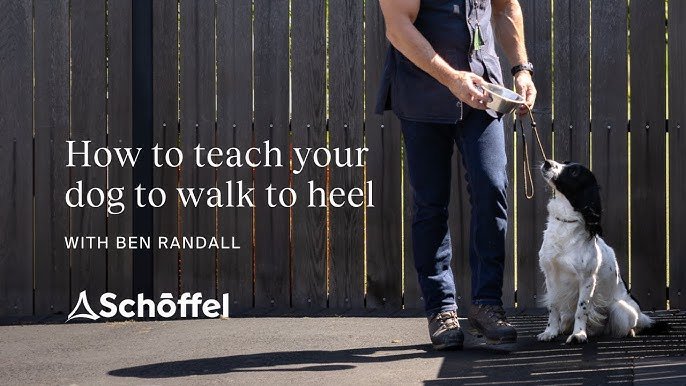
Teaching your dog to walk off leash can feel like a big challenge. You want your furry friend to enjoy freedom while staying safe and close to you.
Imagine the joy of seeing your dog happily exploring without a leash, yet always coming back when you call. You’ll discover simple, effective steps that make off-leash walking possible for you and your dog. Keep reading, and soon you’ll both enjoy a new level of trust and fun during your walks.
Prepare Your Dog For Off-leash
Preparing your dog for off-leash walking is essential for their safety and your peace of mind. Before you even think about letting your dog roam free, invest time in training and understanding their behavior. This preparation helps you build trust and control, making off-leash walks enjoyable rather than stressful.
Build Basic Obedience Skills
Start with simple commands like sit, stay, and heel. These form the foundation of good behavior and make your dog easier to manage without a leash.
Practice these commands regularly in various environments. This helps your dog learn to obey you despite distractions.
Use positive reinforcement like treats and praise. I once struggled with my dog ignoring commands in the park, but consistent rewards changed that quickly.
Establish Reliable Recall
Recall is the most important skill for off-leash safety. Your dog must return to you immediately when called.
Train recall in a low-distraction area first, then gradually increase distractions as your dog improves. Use a happy tone and high-value treats to make coming back more rewarding than exploring.
Ask yourself: Would your dog come back if they saw a squirrel or another dog? If not, keep practicing until they do.
Assess Your Dog’s Temperament
Not every dog is suited for off-leash walking. Consider your dog’s energy level, focus, and reaction to other animals.
A dog that frequently chases or gets anxious may need more training or may never be ready for off-leash freedom. Safety should always come first.
Spend time observing your dog in different settings. This insight will guide your decision and help you create a plan tailored to your dog’s personality.

Credit: www.monsterk9.com
Choose The Right Environment
Choosing the right environment helps your dog learn to walk off leash safely and confidently. A controlled setting reduces risks and distractions. It builds trust between you and your dog. The right place makes training easier and more effective.
Start In A Safe, Enclosed Area
Begin training where your dog cannot run away. Use a fenced yard or a secure dog park. This keeps your dog safe while practicing commands. Your dog feels more relaxed in a closed space. It also helps you focus on teaching without interruptions.
Gradually Increase Distractions
After your dog learns basic commands, add distractions slowly. Choose places with few people or noises at first. Then, move to busier spots step by step. This helps your dog stay focused even with more things happening. It builds better off-leash behavior over time.
Select Familiar Locations
Train in places your dog knows well. Familiar spots reduce anxiety and improve learning. Your dog feels comfortable and listens better. Repeat training in these locations before trying new ones. This strengthens your dog’s off-leash skills in safe settings.
Use Effective Training Techniques
Teaching your dog to walk off leash requires more than just patience—it demands effective training techniques that build trust and clear communication. Using the right approach helps your dog understand your expectations and feel confident while exploring without a leash. Let’s look at some practical ways to train effectively.
Positive Reinforcement Methods
Reward your dog with treats, praise, or play whenever they respond correctly to your cues. This encourages them to repeat the behavior without fear or hesitation. I once rewarded my dog with a favorite toy every time he returned promptly, and his eagerness to come back surprised me.
Try to catch your dog doing the right thing rather than only correcting mistakes. This builds a positive connection to off-leash walking and makes training enjoyable for both of you.
Consistent Commands And Signals
Use the same words and hand signals every time you give a command. Dogs learn best when they don’t have to guess what you want. For instance, choose one word like “come” and stick with it, rather than switching between “here” or “come here.”
Clear consistency reduces confusion and speeds up learning. Have you noticed how your dog reacts when you change your tone or words? Keeping commands steady helps avoid mixed messages.
Leash Training As A Foundation
Before letting your dog off leash, make sure they walk well on a leash. This step teaches them to pay attention to your movements and cues. If your dog pulls or ignores commands on leash, off-leash training will be much harder.
Start in quiet areas with fewer distractions and gradually increase challenges. Walking calmly on a leash is the groundwork your dog needs to succeed off leash, making the transition smoother and safer.

Credit: www.greensafaris.com
Practice Off-leash Walks Step-by-step
Teaching a dog to walk off leash takes patience and careful practice. Start slow and build confidence in small steps. Each session should focus on clear communication and positive reinforcement. Consistency helps your dog understand expectations and stay safe.
Begin With Short Sessions
Keep off-leash practice brief at first. Choose a quiet, enclosed area free from distractions. Let your dog explore while staying close. Praise and reward often to encourage good behavior. Short sessions prevent your dog from feeling overwhelmed.
Monitor Your Dog’s Behavior
Watch your dog’s body language closely. Signs of stress or distraction mean it’s time to pause. Look for relaxed ears, tail wagging, and focused eyes. Adjust your approach if your dog seems anxious or restless. Staying aware helps keep training safe and fun.
Increase Distance And Duration
Gradually allow your dog to roam farther from you. Slowly extend the length of each session. Always keep your dog within sight and voice range. Use recall commands regularly to reinforce control. Increasing distance builds trust and reinforces obedience.
Manage Challenges And Setbacks
Teaching a dog to walk off leash is rewarding but not without hurdles. Challenges and setbacks often arise during training. Managing these difficulties effectively helps your dog learn better and faster. It also keeps the experience positive for both of you.
Handling Distractions And Temptations
Distractions can pull your dog’s attention away quickly. Sights, sounds, and smells may tempt your dog to wander. Start training in quiet, low-distraction places. Gradually introduce more distractions as your dog improves.
Use treats and praise to keep focus. Call your dog often and reward them for returning. Short training sessions work best to maintain attention.
Correcting Unwanted Behaviors
Unwanted behaviors like chasing or ignoring commands will happen. Calmly redirect your dog’s focus without yelling or punishment. Use a firm voice and a clear command to stop bad behavior.
Consistency is key. Always correct the behavior immediately so your dog understands. Replace bad habits with positive actions and rewards.
Staying Patient And Persistent
Learning off-leash walking takes time. Dogs do not learn everything at once. Stay patient and keep training sessions short and regular.
Celebrate small wins and avoid frustration. Persistence helps your dog build confidence and trust in you. Remember, every dog learns at its own pace.
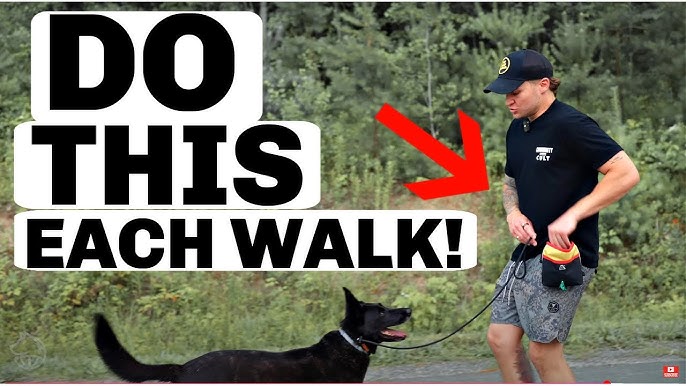
Credit: www.youtube.com
Safety Tips For Off-leash Walking
Walking your dog off leash can be a wonderful experience, but safety must always come first. Ensuring your dog’s security and your peace of mind requires some thoughtful preparation. Here are essential safety tips to keep your off-leash walks enjoyable and worry-free.
Use Gps Trackers Or Id Tags
One of the smartest safety moves is to equip your dog with a GPS tracker or a reliable ID tag. GPS trackers allow you to monitor your dog’s location in real-time, which is especially helpful if your dog wanders off or chases something suddenly.
ID tags should include your contact information clearly printed and securely attached to your dog’s collar. Have you ever experienced that moment of panic when your dog slips away? A simple tag can turn that panic into a quick reunion.
Avoid Dangerous Areas
Choosing safe locations for off-leash walking is crucial. Steer clear of busy roads, dense woods where visibility is low, or areas known for wildlife that could pose a threat to your dog.
Think about the terrain too—rocky paths or places with sharp objects can injure your dog’s paws. When you scout a new spot, take a moment to consider what hazards might be hidden. Would you feel comfortable running barefoot there?
Know Local Laws And Regulations
Before letting your dog roam freely, check the local laws regarding off-leash walking. Some parks and cities have strict rules, and violating them can result in fines or worse.
Understanding these regulations not only protects you legally but also helps maintain a good reputation for dog owners in your community. Have you ever wondered how many dog owners unknowingly break off-leash laws? Knowing the rules keeps everyone safe and happy.
Frequently Asked Questions
How Long Does It Take To Teach Off-leash Walking?
Training duration varies, but consistent daily sessions for 4-8 weeks usually work. Patience and repetition are key to success.
What Are The Essential Commands For Off-leash Walking?
Basic commands like “come,” “stay,” “heel,” and “leave it” are essential. They ensure control and safety during off-leash walks.
How Do I Ensure My Dog’s Safety Off-leash?
Choose safe, enclosed areas and use a long leash initially. Always supervise and avoid busy or dangerous locations.
When Is The Best Age To Start Off-leash Training?
Start training when your dog is at least 6 months old and understands basic commands clearly.
Conclusion
Teaching your dog to walk off-leash can be rewarding. Patience is key. Start with small steps and build trust. Use treats for positive reinforcement. Practice regularly in safe, open spaces. Always keep an eye on your dog's behavior. Safety should be your priority.
Consistency helps your dog learn faster. Enjoy the freedom and bond this training brings. With time, your dog will walk off-leash confidently. Remember, each dog learns at its own pace. Celebrate small successes along the way. Keep the experience fun and stress-free for both of you.