
Have you ever watched a dog happily chase after a ball and wished your furry friend could do the same? Teaching your dog to fetch a ball is not only fun but also strengthens the bond between you two.
Imagine the joy of tossing a ball and seeing your dog eagerly bring it back every time. In this guide, you’ll discover simple, step-by-step tips that make training easy and enjoyable for both you and your dog. Ready to turn playtime into a rewarding experience?
Let’s get started!
Choosing The Right Ball
Choosing the right ball is important to teach your dog how to fetch. The ball should fit your dog’s size and chewing style. The wrong ball can cause discomfort or even harm. A good ball makes playtime safe and fun. Focus on size, material, and safety to pick the best one.
Size And Material
The ball must fit your dog’s mouth comfortably. Too small balls can be a choking hazard. Too big balls might be hard to carry. Choose a size that your dog can easily hold and carry.
Material matters for durability and comfort. Rubber balls are soft and easy to chew. Tennis balls wear out fast and may harm your dog’s teeth. Look for balls made from non-toxic, durable materials. Some balls have a gentle texture that dogs enjoy.
Safety Considerations
Safety is the top priority when picking a ball. Avoid balls with small parts that can break off. Check the ball for any sharp edges or cracks before play. Make sure the ball is non-toxic and pet-safe.
Supervise your dog during playtime to prevent accidents. Replace the ball if it shows signs of damage. Clean the ball regularly to avoid bacteria build-up. Safe play keeps your dog healthy and happy.
Preparing Your Dog
Preparing your dog to fetch a ball sets the stage for a fun and successful learning experience. Before tossing the ball, your dog needs to understand basic commands. Building a strong foundation with simple instructions helps your dog focus. Clear communication creates a better learning environment. Motivation is key in keeping your dog eager and engaged. Using rewards strengthens positive behavior and encourages your dog to repeat actions.
Basic Commands
Teaching basic commands like "sit," "stay," and "come" is essential. These commands help your dog listen and wait for your signal. Start with short training sessions to keep your dog’s attention. Use a calm voice and clear hand signals. Consistency in commands builds your dog’s understanding. Practice commands daily before introducing the ball.
Motivation And Rewards
Positive reinforcement motivates your dog to learn faster. Use treats, praise, or playtime as rewards. Small, tasty treats work best to keep your dog interested. Reward your dog immediately after the correct action. This helps your dog connect the behavior with the reward. Avoid punishment; it can cause confusion and fear. Celebrate small successes to build your dog’s confidence.
Introducing The Fetch Game
Teaching your dog to fetch a ball opens up a world of fun and exercise for both of you. Starting the fetch game means sparking your dog's natural curiosity and playfulness. The goal is to make the game enjoyable and easy to understand, so your dog wants to join in eagerly every time.
Getting Your Dog Interested
Begin by choosing a ball or toy your dog finds exciting. Some dogs prefer soft toys, while others love bouncy balls. Watch how your dog reacts to different objects and pick the one that grabs their attention.
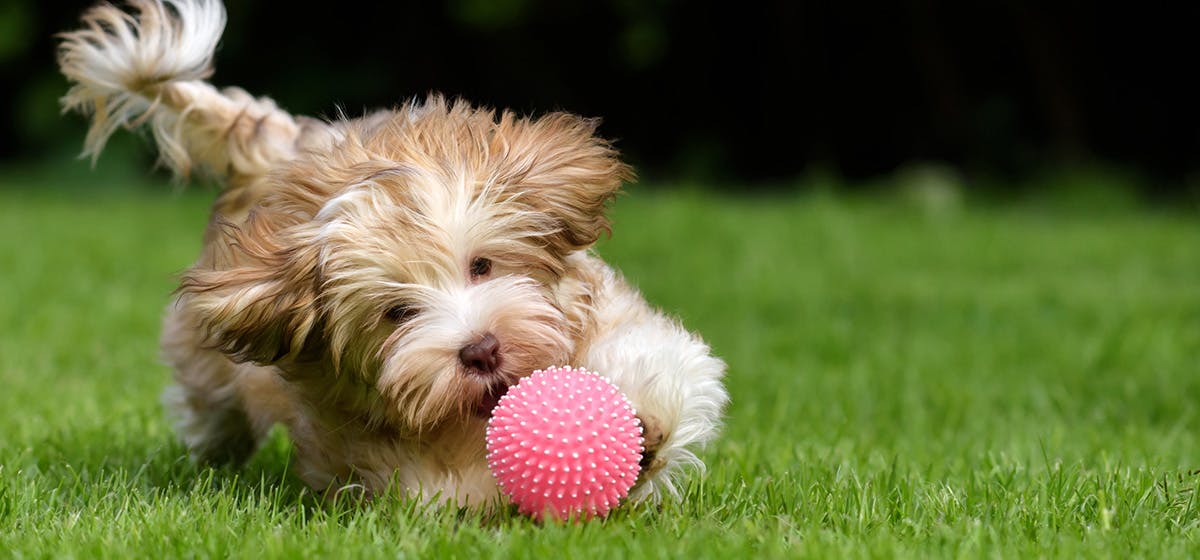
Hold the ball in front of your dog and let them sniff and investigate it. You might notice their tail wagging or a playful stance—these are good signs. If your dog seems unsure, try tossing the ball a short distance to spark curiosity.
Ask yourself, what motivates your dog more: treats, praise, or play? Use that to your advantage. A quick treat or enthusiastic "Good job!" can make your dog more eager to engage with the ball.
Using Play To Encourage Fetch
Turn the fetch game into a fun play session rather than a strict training routine. Throw the ball gently and encourage your dog to chase it with excitement. Celebrate every attempt, even if they don’t bring it back right away.
Use positive energy to keep the game lively. Your enthusiasm can be contagious, making your dog want to join in again and again. Try calling your dog back with a cheerful voice and reward them for returning near you, even if they don’t have the ball yet.
Play short rounds to keep your dog’s focus sharp. Overdoing it can tire them or cause distraction. Think about what would make your dog want to play fetch again tomorrow—how can you make today’s game memorable?

Credit: cupooch.com
Teaching The Fetch Sequence
Teaching your dog to fetch a ball involves clear steps that build their understanding. This sequence helps your dog learn to chase, pick up, and bring back the ball. Patience and praise work best during this process. Each part of the fetch sequence has a purpose and helps your dog enjoy the game more.
Throwing The Ball
Start by choosing a quiet spot with few distractions. Show the ball to your dog and let them sniff it. Toss the ball a short distance. Keep your throw easy to follow. Use a calm voice to encourage your dog to watch the ball fly.
Encouraging Retrieval
Wait for your dog to reach the ball. Use happy words to cheer them on. If your dog picks up the ball, praise them right away. If they seem unsure, try walking toward the ball yourself. Show excitement to make fetching fun. You can also play tug with the ball to increase interest.
Practicing The Return
Call your dog back using a clear command like "come" or "bring it." Use treats or favorite toys as motivation. When your dog returns with the ball, give praise and a reward. If your dog drops the ball before coming back, gently guide them to pick it up again. Repeat this step to build a strong habit of returning the ball to you.
Reinforcing Good Behavior
Reinforcing good behavior is key to teaching your dog to fetch a ball. Dogs learn best when they receive clear signals that they are doing the right thing. Positive reinforcement helps your dog understand what you expect. This makes training sessions more productive and fun.
Consistent rewards encourage your dog to repeat the desired actions. Praise and treats act as motivation. Patience and repetition build strong habits. Keep your training short and positive for the best results.
Using Praise And Treats
Praise your dog warmly each time it fetches the ball. Use a happy voice to show approval. Dogs respond well to kind words and smiles.
Treats work as a powerful reward. Choose small, tasty snacks your dog loves. Give a treat right after your dog returns the ball. This links the behavior with a positive outcome.
Make sure to give praise and treats immediately. Delays can confuse your dog. Clear timing helps your dog connect the action with the reward.
Consistent Training Sessions
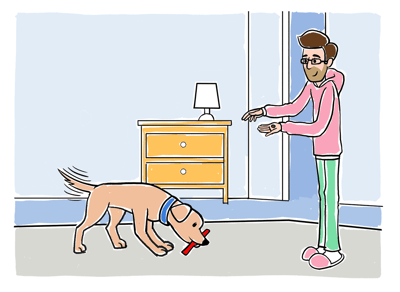
Train your dog regularly to build good habits. Short sessions of 10 to 15 minutes work best. Frequent, consistent practice helps your dog remember what to do.
Use the same commands and signals each time. This avoids confusion and speeds learning. A calm, steady routine builds your dog’s confidence.
End each session on a positive note. Praise your dog’s effort, even if it is not perfect. Consistency and kindness make training enjoyable and effective.
Credit: wagwalking.com
Troubleshooting Common Issues
Troubleshooting common issues helps keep your training on track. Teaching a dog to fetch can face small hurdles. These problems often cause frustration but are easy to fix. Understanding what stops your dog will speed up learning.
Dog Not Interested In Ball
Some dogs do not find balls exciting. Try different toys like frisbees or squeaky toys. Use high-value treats to create positive feelings. Play short sessions to keep interest high. Make the ball a fun part of playtime, not a chore.
Dog Won't Bring Ball Back
Bringing the ball back needs clear rewards. Call your dog with a happy voice. Offer treats or praise when they return. Practice near you at first, then increase distance. Use a leash if needed to guide your dog back.
Keeping Your Dog Focused
Distractions can break your dog’s attention quickly. Train in quiet places at the start. Keep training sessions short and fun. Use clear commands like “fetch” and “come.” Reward your dog immediately to keep focus strong.
Advanced Fetch Techniques
Once your dog masters the basic fetch, it's time to sharpen their skills with advanced techniques. These not only improve your dog's obedience but also keep the game exciting for both of you. Adding complexity challenges your dog's mind and body, making fetch more rewarding and fun.
Adding Commands
Try introducing specific commands during fetch to enhance control and communication. Teach your dog to “drop it” or “wait” before fetching the ball. This helps prevent possessiveness and encourages patience.
You can also add directional commands like “left” or “right” to guide your dog where to fetch. This can be fun during walks or in the yard, turning fetch into a more interactive game. Have you noticed how your dog responds when you mix commands with play?
Playing In Different Environments
Changing the location adds new challenges and keeps your dog alert. Try playing fetch in the park, on the beach, or even indoors. Different surfaces and distractions test your dog’s focus and adaptability.
When I took my dog to a busy park, she learned to ignore other dogs and noises while fetching. This improved her attention span significantly. What new environment could you explore to make fetch more interesting for your dog?
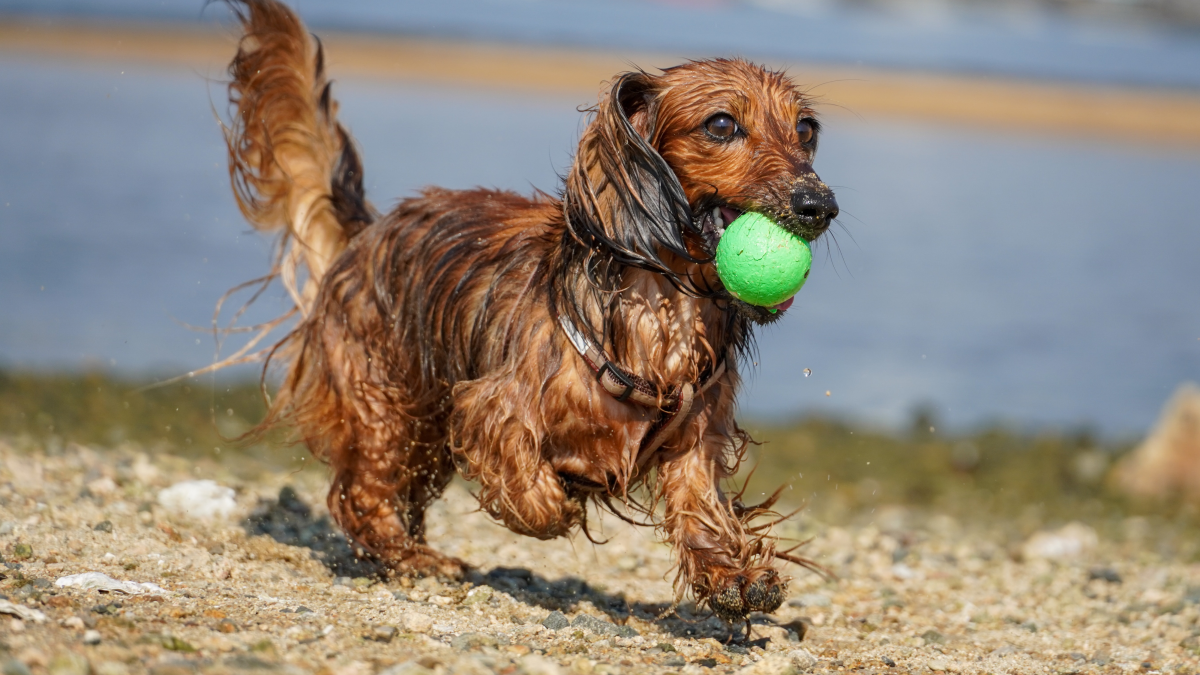
Credit: pethelpful.com
Frequently Asked Questions
How Long Does It Take To Teach A Dog To Fetch?
Teaching a dog to fetch usually takes 1 to 2 weeks. Consistent daily practice speeds up learning. Patience and positive reinforcement are key.
What Is The Best Ball For Teaching Fetch?
Use a lightweight, durable ball suitable for your dog's size. Tennis balls or rubber balls work well. Avoid small balls that pose choking hazards.
How Do I Encourage My Dog To Bring The Ball Back?
Use treats and praise to motivate your dog. Call them enthusiastically and reward when they return the ball. Avoid chasing your dog to prevent play confusion.
Can All Dog Breeds Learn To Fetch A Ball?
Most dog breeds can learn to fetch, but some may need more patience. Retrievers and herding breeds often excel. Tailor training to your dog's temperament.
Conclusion
Teaching your dog to fetch a ball is simple and fun. Start with patience. Practice daily for best results. Dogs love playtime and rewards. Keep sessions short and exciting. Use treats to motivate your furry friend. Gradually, your dog will fetch with joy.
Celebrate small successes along the way. Remember to stay calm and positive. This builds a strong bond with your pet. Fetching keeps dogs active and happy. Enjoy the playful moments together. Your efforts will pay off. Soon, fetching becomes your dog's favorite activity.
Keep playing, keep smiling!