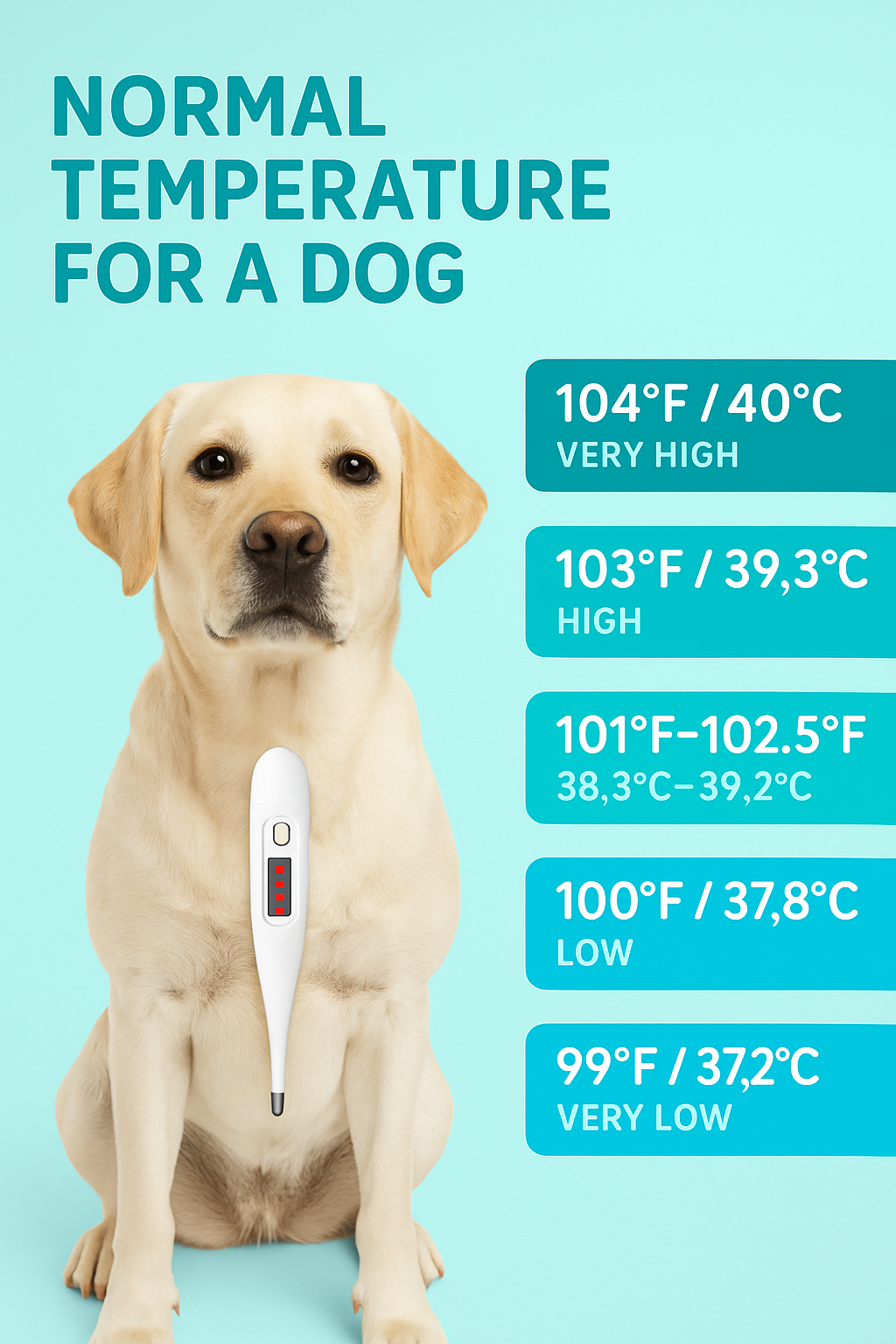
Knowing when your dog isn’t feeling well can be tough, especially if you don’t have a thermometer handy. But what if you could check your dog’s temperature without one?
Imagine being able to spot a fever early and take quick action to keep your furry friend safe. You’ll discover simple, effective ways to tell if your dog’s temperature is off—no special tools needed. Keep reading, because your dog’s health could depend on it.
Signs Of A Fever In Dogs
Recognizing the signs of a fever in your dog is crucial, especially if you don’t have a thermometer handy. Dogs can’t tell you when they feel hot or unwell, so you need to be alert to subtle changes in their behavior and appearance. Spotting these signs early can help you decide if a vet visit is necessary.
Behavioral Changes
One of the first signs of a fever is a shift in your dog’s usual behavior. You might notice your dog becoming unusually tired or reluctant to move around. They may hide more often or seem less interested in playing or eating.
Have you ever seen your dog suddenly lose interest in their favorite game? That could be a red flag indicating they don’t feel well. Watch for increased irritability or restlessness too—these can signal discomfort from a rising temperature.
Physical Symptoms
Physical signs are often easier to spot. Check if your dog’s nose feels dry or warmer than usual, though this alone isn’t a reliable indicator. Pay close attention to their gums; they might appear pale or bright red.
Other symptoms include shivering, panting excessively even without exercise, or a noticeable warmth around the ears and paws. Swelling or redness in certain areas can also point to an infection causing the fever.
When To Be Concerned
Not every sign means your dog has a dangerous fever, but some symptoms require quick action. If your dog shows signs of dehydration, such as dry gums or sunken eyes, it’s time to seek help.
Also, persistent vomiting, diarrhea, or difficulty breathing are serious symptoms. Ask yourself: Is my dog’s behavior or condition worsening by the hour? If yes, don’t wait—contact your vet immediately.
Alternative Methods To Check Temperature
Knowing your dog’s temperature helps spot illness early. A thermometer is best but not always handy. Some simple ways check if your dog feels hot or unwell. These methods rely on touch and observation. They give quick clues about your dog’s health.
Using Touch And Feel
Place your hand on your dog’s belly or inside the ear flap. These areas show body heat well. A normal dog’s skin feels warm but not hot. If the skin feels very hot or dry, your dog might have a fever.
Check your dog’s paws too. Cold or very warm paws can signal health problems. Always compare to how your dog usually feels.
Observing Nose And Ears
A dog’s nose changes with health. A moist, cool nose usually means good health. If the nose is dry, cracked, or warm, it could suggest fever.
Look at the ears. Warm or hot ears may mean your dog’s temperature is high. Touch gently and feel the warmth level.
Checking Gum Color And Moisture
Lift your dog’s lip and check the gums. Healthy gums are pink and moist. Pale, white, or blue gums might show illness.
Dry or sticky gums also warn of dehydration or fever. This simple check helps spot problems quickly.
Step-by-step Guide To Manual Temperature Check
Checking your dog’s temperature without a thermometer might seem tricky, but it’s possible to get a good sense of their health by using your hands and paying close attention. This guide walks you through simple, practical steps to do a manual temperature check safely and effectively. You’ll learn how to prepare your dog, where to feel for warmth, and how to understand what you find.
Preparing Your Dog
Start by choosing a calm moment when your dog feels relaxed. Sit down next to them and speak softly to create a soothing environment. You want your dog to be still and comfortable, which makes it easier to notice changes in body temperature.
Make sure your hands are warm before touching your dog. Cold hands can give you a false sense of coolness on their body. Also, wash your hands to avoid transferring any germs.
Feeling The Body Areas
Use your palm and fingers to gently feel areas where the skin is thin and blood vessels are close to the surface. These spots include:
- Inside the ears
- Under the armpits
- Inside the groin area
- Between the toes
Compare one area to another to notice any unusual warmth. A healthy dog should feel warm but not hot or burning. If one spot feels much hotter than the others, it could be a sign of fever or inflammation.
Interpreting Your Findings
Think about what you usually feel when you touch your dog’s skin on a normal day. Is today warmer or cooler? If you detect a noticeably higher temperature in the key areas, your dog may have a fever. Dogs typically have a normal temperature between 101°F and 102.5°F.
Also, watch for other signs like lethargy, shivering, or loss of appetite alongside your temperature check. These clues help you decide whether to call your vet. How confident do you feel about judging your dog’s health just by touch? Practice often to become more sensitive to these subtle changes.

Credit: autumntrailsvet.com
Home Remedies To Help Reduce Fever
When a dog has a fever, home remedies can help lower their temperature safely. These remedies provide comfort and support recovery. Using simple techniques, you can help your dog feel better without special tools.
Cooling Techniques
- Use a cool, damp cloth on your dog’s paws and ears.
- Place a wet towel gently over your dog’s body.
- Keep your dog in a shaded, well-ventilated area.
- Use a fan to circulate air but avoid direct cold air on your dog.
- Offer a cool water bath, but avoid ice-cold water.
Hydration Tips
- Provide fresh, clean water at all times.
- Encourage small, frequent sips instead of large gulps.
- Offer ice cubes to lick if your dog prefers.
- Mix water with a little low-sodium broth for taste.
- Monitor water intake to prevent dehydration.
Comfort Measures
- Let your dog rest in a quiet, calm space.
- Use soft bedding to keep your dog comfortable.
- Keep noise and activity levels low to reduce stress.
- Gently massage your dog to soothe muscles.
- Observe your dog’s behavior for changes or worsening symptoms.
When To Seek Veterinary Care
Knowing when to seek veterinary care is crucial for your dog’s health. Some signs mean your dog needs professional help immediately. Understanding these signs helps prevent serious health problems. Watch your dog closely after checking its temperature without a thermometer.
Persistent Symptoms
Symptoms lasting more than 24 hours need attention. Constant coughing, vomiting, or diarrhea can signal illness. Loss of appetite and weakness are warning signs. If your dog remains lethargic or refuses to move, consult a vet. Persistent symptoms may indicate an infection or other health issues.
Severe Behavioral Changes
Notice sudden changes in your dog’s behavior. Aggression, confusion, or hiding could mean pain or distress. Excessive panting or trembling also requires veterinary evaluation. Unusual behavior often points to serious health conditions. Immediate care can prevent worsening symptoms.
Emergency Situations
Recognize emergency signs for quick action. Difficulty breathing or choking demands urgent help. Seizures, collapse, or unconsciousness are critical emergencies. Severe bleeding or injury needs immediate veterinary care. Acting fast can save your dog’s life in emergencies.

Credit: autumntrailsvet.com

Credit: autumntrailsvet.com
Frequently Asked Questions
How Can I Check My Dog's Temperature Without A Thermometer?
You can observe signs like lethargy, shivering, or warm ears. Feel your dog’s nose and gums; dryness may indicate fever. Always consult a vet for accurate diagnosis and treatment.
What Are Common Signs Of Fever In Dogs?
Common signs include lethargy, loss of appetite, shivering, and warm, dry nose. Dogs may also pant excessively or have red gums. If you notice these, contact your vet promptly.
Is It Safe To Rely On Touch To Check Dog’s Temperature?
Touching your dog can give clues but isn’t accurate. Warm ears or dry nose suggest fever but aren’t definitive. Use a thermometer or seek veterinary advice for precise results.
When Should I See A Vet If My Dog Feels Hot?
If your dog shows lethargy, loss of appetite, or persistent warmth, see a vet immediately. Prolonged fever can be dangerous and requires professional care. Early treatment ensures better recovery.
Conclusion
Taking your dog's temperature without a thermometer is simple. Observe their behavior closely. Check for signs like panting or shivering. Feel their ears and paws for unusual warmth. Notice changes in their activity levels. These methods can help monitor your dog's health.
Always stay attentive and caring. A healthy dog is a happy dog. If you suspect a fever, consult a vet. Trust your instincts. Keep your furry friend safe and comfortable. Your attention ensures their well-being. Remember, a little observation goes a long way.