
You love watching the colorful dance of birds at your backyard feeder, but it’s often interrupted by the mischievous antics of squirrels. These clever critters are notorious for their acrobatics and determination to snag seeds meant for your feathered friends.
You’ve probably tried different solutions, only to find them foiled by these furry invaders. Imagine the tranquility and satisfaction of a squirrel-free bird feeder, where only the flutter of wings breaks the silence. We'll reveal effective strategies to keep those persistent squirrels at bay, ensuring your bird feeder remains a haven for the birds you cherish.
Read on, and discover the secrets to a peaceful, squirrel-free bird-watching experience.
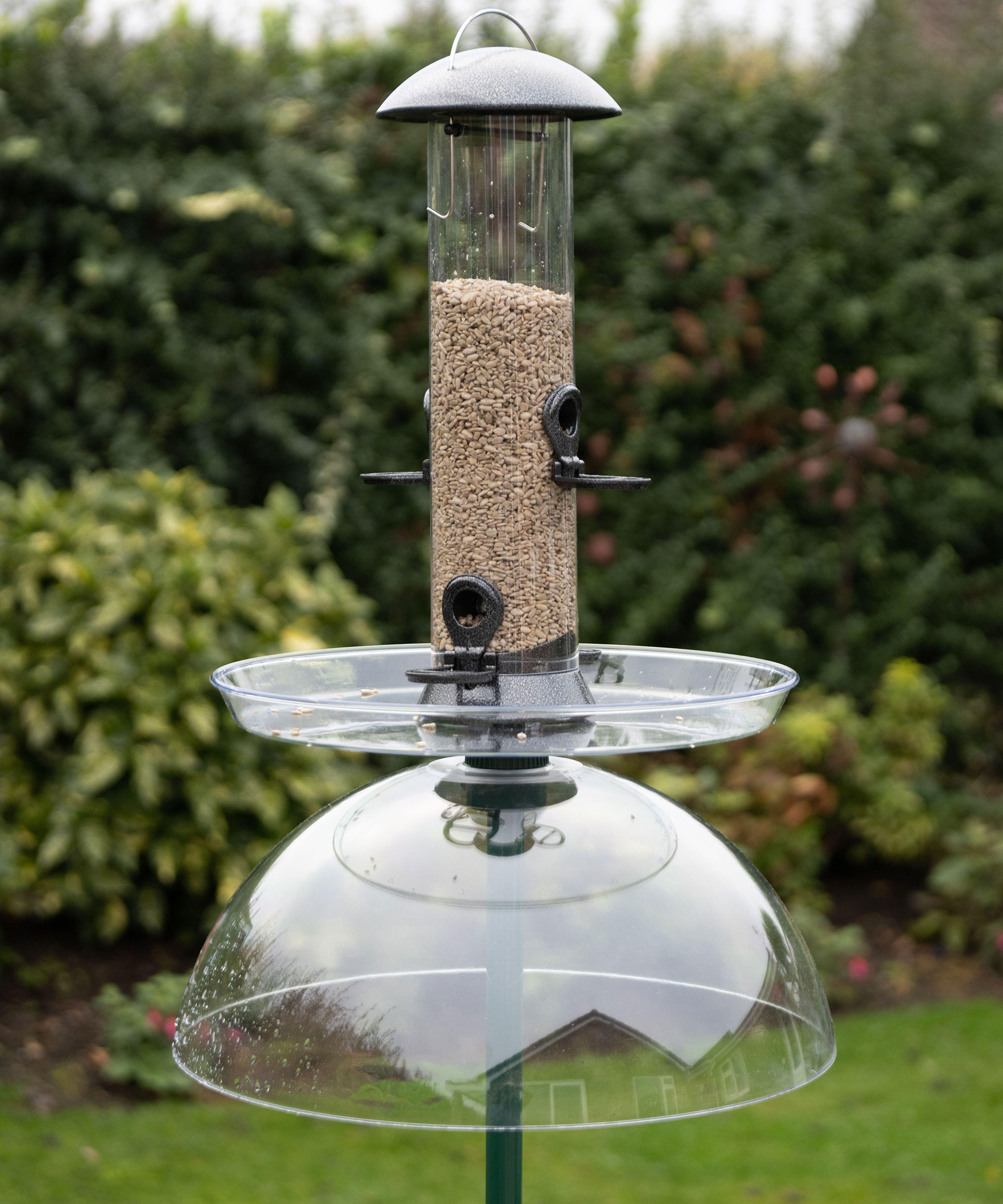
Credit: www.homesandgardens.com
Why Squirrels Target Bird Feeders
Squirrels are clever and persistent creatures. Bird feeders offer them an easy food source. Their natural instincts drive them toward these feeders. Understanding why squirrels target bird feeders helps in stopping them effectively.
Squirrel Behavior And Feeding Habits
Squirrels are active during the day. They search for high-energy foods to fuel their activity. Seeds and nuts from bird feeders are rich in calories. Squirrels use their sharp teeth to crack open shells. They are agile climbers, making feeders easy targets. Squirrels remember food locations and return often. Their strong sense of smell helps them find feeders quickly.
Common Attraction Factors
- Easy access to food without much effort
- Variety of seeds and nuts that squirrels enjoy
- Bird feeders placed near trees or structures for climbing
- Feeders that are not squirrel-proof or lack barriers
- Availability of food during colder months when natural food is scarce
Squirrels see bird feeders as a reliable food source. They are motivated to reach feeders despite obstacles. Knowing these attraction factors can guide better feeder placement and protection.
Choosing The Right Feeder
Choosing the right bird feeder is key to keeping squirrels at bay. Not all feeders are created equal, and selecting one designed with squirrels in mind can save you frustration and protect your birdseed investment. Let’s look at what features to focus on so you can enjoy watching birds without the unwanted furry visitors.
Squirrel-resistant Feeder Designs
Squirrel-resistant feeders have special features that make it hard for squirrels to get to the seed. Some have weight-sensitive mechanisms that close feeding ports when a heavy animal like a squirrel tries to feed. Others use cages or baffles to block squirrels while allowing birds to access the food.
Choosing a feeder with a built-in squirrel guard can make a big difference. Have you noticed how squirrels can figure out simple feeders in minutes? These designs force squirrels to work harder, often making them give up entirely.
- Weight-activated feeders:Close when a squirrel lands, reopening only for lighter birds.
- Caged feeders:Surround seed with a metal cage that fits small birds but keeps squirrels out.
- Tube feeders with small perches:Limit the space squirrels need to hold on and feed.
Material And Placement Tips
The materials used in a feeder affect its durability and squirrel resistance. Metal feeders or those with metal parts are tougher for squirrels to chew through. Plastic feeders might be easier targets, especially for determined squirrels.
Where you place your feeder also matters. Mount it on a smooth metal pole with a baffle underneath to stop squirrels from climbing up. Avoid placing feeders near trees or structures squirrels can jump from.
- Use metal or thick plastic feeders:These withstand squirrel teeth and claws better.
- Install baffles:Cone-shaped or dome baffles on poles block squirrels from climbing.
- Keep feeders 10 feet away from jumping points:This distance reduces squirrel access.
Have you tried moving your feeder to different spots? Sometimes a small change in placement can stop squirrels from reaching it altogether. It’s a simple tweak that’s often overlooked but very effective.
Physical Barriers To Prevent Climbing
Physical barriers stop squirrels from climbing bird feeders. They create obstacles squirrels cannot pass. These barriers protect your feeder and keep birds safe. Simple and effective, physical barriers reduce squirrel visits quickly. Use the right tools and mounts for best results.
Using Baffles And Guards
Baffles and guards block squirrels from climbing poles or hanging wires. They are round or cone-shaped shields placed below the feeder. Made from metal or plastic, they are smooth and slippery. Squirrels cannot grip or climb past these barriers. Install baffles high enough to keep squirrels off the feeder.
- Place baffles at least 3 feet above the ground.
- Choose wide, smooth surfaces to prevent squirrel grip.
- Check baffles regularly for damage or wear.
Pole And Mounting Solutions
Choosing the right pole or mount helps keep squirrels away. Use metal poles instead of wooden ones. Metal is harder for squirrels to climb. Add a squirrel-proof sleeve or tube around the pole. Mount feeders away from trees or fences squirrels use to jump. The distance should be at least 6 feet.
- Install poles with smooth, slippery surfaces.
- Keep feeders at a height of 5 to 6 feet.
- Use mounts that do not allow squirrels to grip.

Credit: happygardens.com
Natural Deterrents And Repellents
Natural deterrents and repellents offer a gentle way to keep squirrels away from bird feeders. These methods use smells and tastes that squirrels dislike. They help protect bird food without harming animals or the environment. Using natural options can make your garden peaceful and squirrel-free.
Scent-based Repellents
Squirrels have a strong sense of smell. Certain scents can make them avoid an area quickly. You can use natural smells that squirrels dislike to protect bird feeders. Some common scent repellents include:
- Hot pepper or cayenne powder around the feeder
- Garlic cloves or garlic powder near feeding spots
- Sprays made from essential oils like peppermint or eucalyptus
- Used coffee grounds scattered below the feeder
These scents irritate squirrels but do not harm birds. Reapply scent repellents regularly, especially after rain. This keeps the smell strong and effective.
Taste Deterrents
Taste deterrents make the bird seed unpleasant to squirrels. Birds do not mind, but squirrels find the taste bad. One popular option is to mix bird seed with hot pepper flakes. The spicy taste deters squirrels from eating the seed.
Another choice is commercial taste repellents made for squirrels. These products coat the seed with a bitter or spicy taste. Squirrels quickly learn to avoid the feeder.
These natural taste deterrents keep squirrels away without chemicals. They help protect your bird food while keeping birds happy and safe.
Feeding Squirrels Elsewhere
Feeding squirrels elsewhere is a smart way to keep them away from your bird feeder without causing harm. By giving squirrels their own spot to enjoy food, you can reduce their interest in your bird feeder. This approach helps maintain peace in your backyard while still appreciating the lively presence of squirrels.
Creating Alternative Feeding Stations
Set up a separate feeding station specifically for squirrels away from your bird feeder. Choose a location that is safe and easy for squirrels to reach but far enough so they won’t be tempted to climb the bird feeder. Use squirrel-friendly foods like sunflower seeds, corn, or nuts to attract them.
Place the feeding station on a sturdy platform or a tree branch. Adding a small roof or cover will protect the food from rain and keep it fresh longer. You might find that squirrels quickly prefer their own spot and leave your bird feeder alone.
Benefits Of Distracting Squirrels
By feeding squirrels elsewhere, you create a win-win situation for both birds and squirrels. The birds get to eat undisturbed, and squirrels get their own food source. This reduces the risk of damage to your bird feeder and stops squirrels from dominating the feeding area.
Have you noticed how squirrels can be surprisingly picky? Offering them a variety of foods in their own space often keeps them busy and satisfied. It also gives you a chance to observe their playful behavior without worrying about your feathered friends getting pushed away.
Maintenance And Regular Checks
Keeping squirrels away from your bird feeder isn’t a one-time fix. Regular maintenance and checks play a crucial role in ensuring your feeder remains a safe haven for birds only. By staying vigilant and proactive, you can catch issues early and reduce the chances of squirrels making their way up.
Cleaning Feeders To Reduce Attraction
Dirty feeders can attract squirrels as much as birds. Leftover seeds and hulls create a tempting snack for these clever critters.
Make it a habit to clean your feeder at least once a week. Use warm, soapy water and rinse thoroughly to remove any residue. This keeps the feeder less appealing to squirrels and healthier for your feathered visitors.
Have you noticed squirrels more active near feeders with spilled seeds? Cleaning up those spills around the feeder can also help reduce squirrel visits. It’s not just about the feeder itself but the surrounding area too.
Inspecting For Damage And Wear
Regular checks help you spot damage that squirrels might exploit to climb or access the feeder. Look for loose parts, cracked poles, or bent guards that could make it easier for them to get a grip.
Repair or replace damaged components promptly. Even small gaps or broken barriers can become a squirrel’s entry point. Don’t wait until squirrels have already figured out how to bypass your feeder’s defenses.
Ask yourself: Are the squirrel baffles still secure? Is the feeder hanging straight and stable? Keeping everything in top shape makes a big difference in stopping squirrels from getting a free meal.

Credit: www.yahoo.com
Frequently Asked Questions
How Can I Squirrel-proof My Bird Feeder Effectively?
Use baffles, place feeders away from trees, and choose squirrel-resistant feeders. These methods prevent squirrels from reaching seeds and discourage climbing.
What Natural Deterrents Keep Squirrels Off Feeders?
Peppermint oil, cayenne pepper, and garlic sprays repel squirrels. Apply them around feeders to make the area less attractive without harming birds.
Are Squirrel Baffles Really Effective For Bird Feeders?
Yes, squirrel baffles create physical barriers that block squirrels from climbing poles or hanging feeders. They are a proven, humane solution.
Can Feeder Placement Reduce Squirrel Access?
Placing feeders at least 10 feet from trees or structures limits squirrels’ jumping ability. This strategic positioning greatly reduces squirrel visits.
Conclusion
Stopping squirrels from climbing your bird feeder takes patience and smart steps. Use barriers or baffles to block their path. Choose feeders designed to keep squirrels out. Keep the area clean to avoid attracting them. Changing feeder locations can also help.
Remember, squirrels are clever and persistent. Stay consistent with your methods for best results. Enjoy watching birds without unwanted visitors. Protect your feeder and feed the birds peacefully. Simple actions can make a big difference.