If you’ve recently brought a rescue dog into your home, you might be facing a common challenge: your new friend peeing inside the house. It can feel frustrating and confusing, especially when you want to give your dog the best start.
But don’t worry—this problem is fixable. You’ll discover simple, effective steps to stop your rescue dog from peeing indoors. By understanding why it happens and how to respond, you’ll create a happier home for both you and your furry companion.
Keep reading to find out exactly what you need to do to make accidents inside a thing of the past.

Credit: greensafaris.com
Identify Causes Of Indoor Peeing
Understanding why your rescue dog is peeing inside is the first step to fixing the problem. Dogs don’t usually make a mess indoors without a reason. Pinpointing the cause helps you choose the right solution and creates a better environment for your furry friend.
Medical Issues To Rule Out
Sometimes, indoor peeing is a sign of a health problem. Urinary tract infections, bladder stones, or kidney issues can cause frequent accidents. Have your vet check your dog to make sure nothing medical is causing this behavior.
Older dogs might struggle with incontinence, while younger dogs may have weaker bladder control. If your dog suddenly starts peeing inside after being house-trained, a medical checkup is a must.
Stress And Anxiety Factors
Rescue dogs often carry emotional baggage. Changes in environment, loud noises, or even separation from you can trigger stress. Stress can make your dog lose control or pee as a coping mechanism.
Try to identify what triggers your dog’s anxiety. Does your dog pee more when guests arrive, or when left alone? Addressing these stress points with calm routines and reassurance can reduce indoor accidents.
Territorial Marking Behavior
Some dogs pee indoors to mark their territory, especially males. This behavior can flare up if a new pet or person enters the home. Your dog is trying to leave their scent and feel more secure.
Watch for small, frequent spots rather than full accidents. Neutering can help reduce marking, but consistent training and clear boundaries are key. Have you noticed if your dog marks after certain events or changes?

Credit: www.amazon.ca
Establish A Consistent Routine
Creating a consistent routine is key to helping your rescue dog feel secure and understand when and where to pee. Dogs thrive on predictability, especially those adjusting to a new home after rescue. When you set clear expectations through a steady routine, accidents inside the house become far less frequent.
Regular Potty Breaks
Take your dog outside at the same times each day. Early morning, after meals, and before bedtime are great starting points. This helps your dog learn the pattern and reduces the chances of them needing to go indoors.
Watch for signs that your dog needs to go, like sniffing or circling. Acting quickly when you notice these signs reinforces good habits. Have a designated potty spot outside to make it easier for your dog to understand what you expect.
Feeding And Water Schedule
Feed your dog at the same times daily. This regularity helps regulate their bathroom needs. Avoid free feeding, as it makes it harder to predict when your dog will need a potty break.
Keep water available but monitor intake in the evening to reduce nighttime accidents. You might find that limiting water an hour or two before bed helps your dog hold it through the night. Remember, every dog is different; adjust based on your dog's needs and behavior.
Exercise And Playtime
Exercise influences your dog’s bathroom schedule. Regular walks and play help digestion and bladder control. Plus, a tired dog is less likely to have accidents due to anxiety or boredom.
Try to stick to consistent times for walks and play sessions. This adds to the structure your dog needs. Can you notice if your dog’s urge to pee changes after exercise? Use that to guide your potty schedule for better results.
Effective House Training Techniques
Training a rescue dog to stop peeing inside your home requires patience and the right techniques. You need methods that build trust and encourage good habits without causing fear. Effective house training combines clear communication, consistency, and positive experiences for your dog.
Positive Reinforcement Methods
Rewarding your dog when they pee outside helps them understand what behavior you want. Use treats, praise, or playtime immediately after they go in the right place. Timing is key—rewards must come right after the action to connect the behavior with the reward.
Try to catch your dog in the act and gently guide them outside if they start to pee indoors. Never punish your dog after the fact; it only creates confusion and fear. Instead, celebrate every success to encourage repeat behavior.
Crate Training Benefits
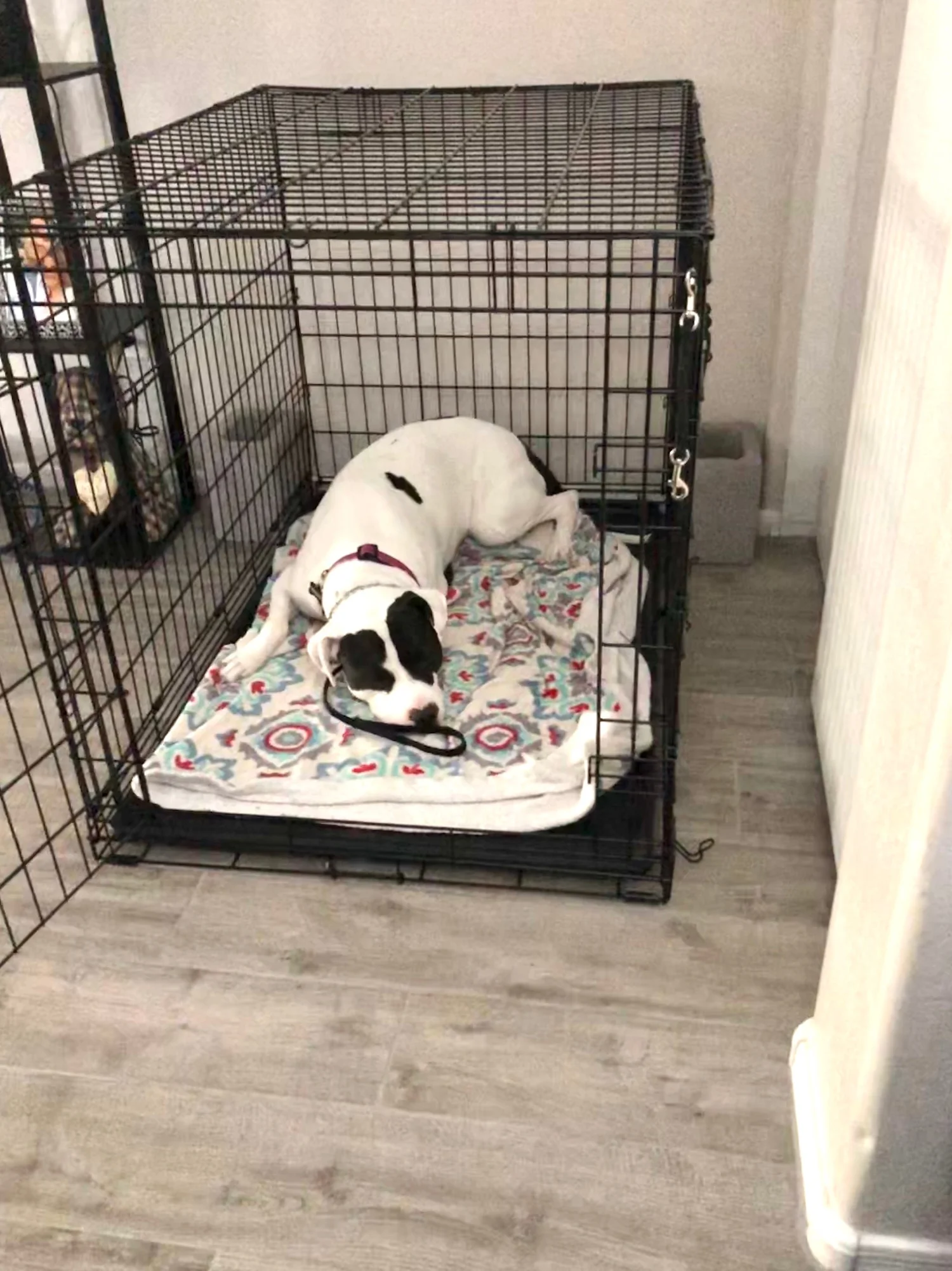
Crate training can be a powerful tool to prevent accidents. Dogs naturally avoid soiling their sleeping area, so a crate helps them hold their bladder until you take them out. Introduce the crate as a safe, comfortable space rather than a punishment.
Start with short periods and gradually increase the time your dog spends in the crate. This technique also helps you manage your dog’s schedule, making it easier to predict when they need bathroom breaks. Have you noticed how much more controlled your dog’s routine becomes with crate use?
Supervision And Confinement
Keeping a close eye on your dog is essential during the training phase. Use baby gates or playpens to limit their access to the entire house. This reduces the chance of accidents and helps you intervene quickly when needed.
Set a regular schedule for bathroom breaks, especially after meals and naps. Consistency helps your dog learn when and where to go. What changes can you make in your daily routine to support your dog’s house training journey?
Manage The Environment
Managing the environment is key to stop a rescue dog from peeing in the house. Dogs often repeat behaviors based on their surroundings. Changing the environment helps break this habit. It also makes house training easier and faster.
Cleaning And Odor Removal
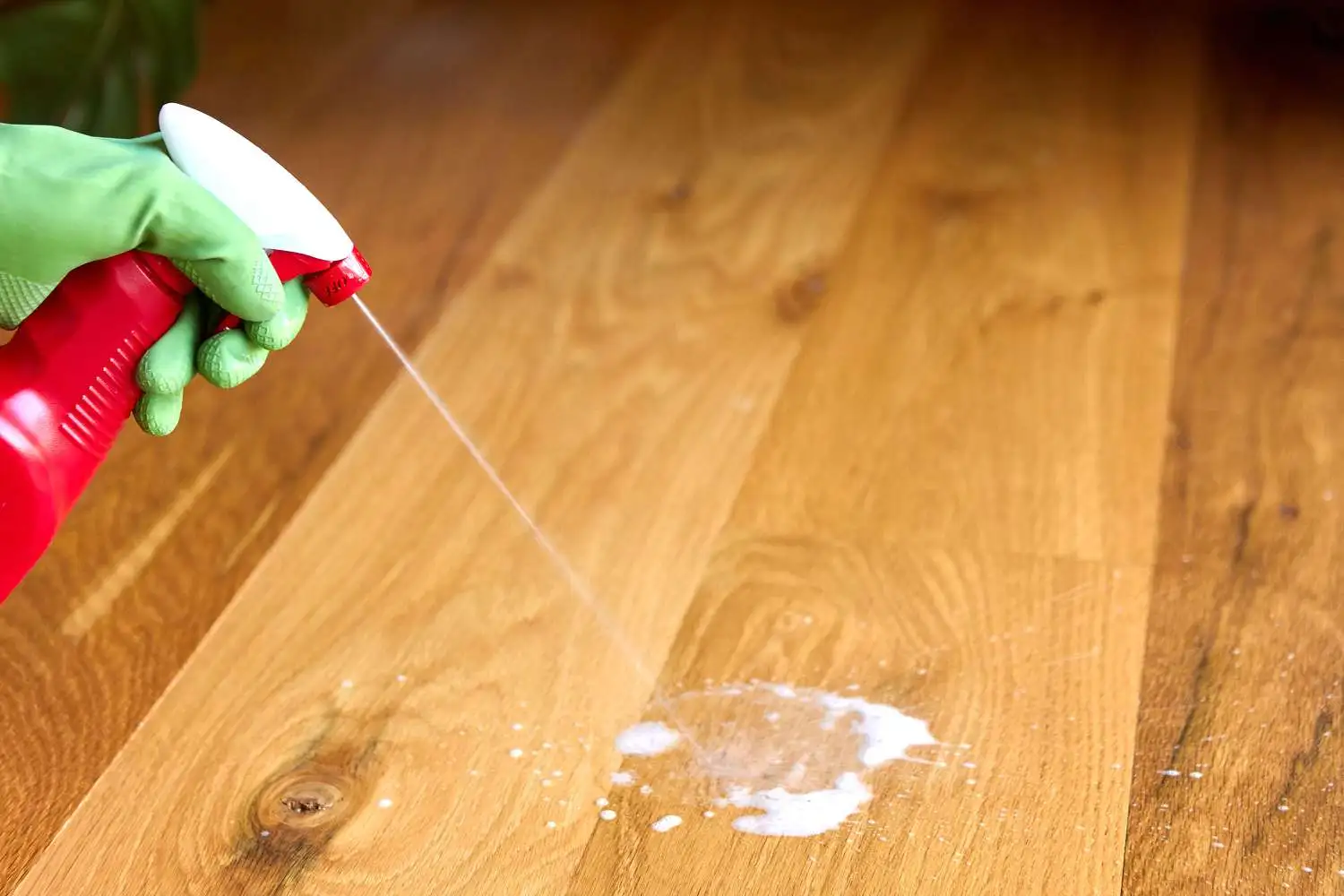
Clean all accidents immediately. Use an enzyme cleaner to remove urine smells. Ordinary cleaners do not remove the odor fully. Dogs smell old urine and return to the same spot. A clean area discourages repeat accidents. Focus on corners, carpets, and furniture.
Limiting Access To Problem Areas
Block off rooms or spots where your dog pees often. Use baby gates or closed doors. Keep your dog in a smaller area when unsupervised. Smaller spaces are easier to monitor and clean. This helps your dog learn where not to pee. Gradually increase access as training improves.
Using Puppy Pads Or Designated Spots
Place puppy pads in a specific area for indoor bathroom use. Choose a quiet, low-traffic spot. Encourage your dog to use the pads with praise. Slowly move pads toward the door or outside. This guides your dog to pee outside eventually. Designated spots create clear bathroom rules.
Address Behavioral Issues
Addressing behavioral issues is key to stopping a rescue dog from peeing inside. Many rescue dogs carry stress or fear that leads to accidents. Understanding and managing these feelings can help your dog feel safe and secure. This builds trust and reduces unwanted behavior.
Reducing Anxiety And Stress
Rescue dogs often feel anxious in new homes. Anxiety causes them to pee inside as a way to cope. Create a calm environment with a quiet space for your dog. Use soothing sounds or gentle music to lower stress levels. Daily routines help dogs predict what happens next. This predictability makes them feel more relaxed.
Provide plenty of exercise to release nervous energy. Short, frequent walks are better than long, rare ones. Use calming products like pheromone diffusers after checking with your vet. Avoid harsh punishments, which increase fear and stress.
Socialization With People And Pets
Many rescue dogs lack positive experiences with people or other animals. Socialization helps them learn to trust and feel safe. Introduce your dog slowly to new people in a quiet setting. Watch for signs of stress, such as cowering or growling. Let your dog approach at their own pace.
Meet friendly dogs in controlled environments to build confidence. Use treats and praise to reward calm behavior. Socialization reduces fear-based urination by making your dog feel comfortable. Regular, gentle exposure helps your dog adapt to new situations.
Professional Training Support
Some behavioral issues need expert help. Professional trainers understand rescue dogs’ needs and fears. They teach you how to handle accidents without punishment. Trainers offer techniques to improve house training and build confidence.
Find trainers who use positive reinforcement methods. Avoid trainers who use harsh corrections. A good trainer creates a plan based on your dog’s personality. Follow their advice for consistent results. This support speeds up your dog’s adjustment and reduces peeing inside.

Credit: www.amazon.sg
Frequently Asked Questions
How Can I Stop My Rescue Dog From Peeing Indoors?
Consistently take your rescue dog outside for bathroom breaks. Use positive reinforcement when they pee outside. Clean indoor accidents with enzymatic cleaner to remove odors. Establish a regular feeding and potty schedule to prevent accidents.
Why Does My Rescue Dog Pee Inside The House?
Rescue dogs may pee indoors due to stress, fear, or lack of training. Medical issues or incomplete house training also cause accidents. Identifying the root cause helps in applying the right training and care methods.
How Long Does House Training A Rescue Dog Take?
House training a rescue dog typically takes 4 to 6 weeks. Consistency, patience, and positive reinforcement speed up the process. Each dog learns at its own pace, depending on age and past experiences.
What Products Help Prevent Indoor Accidents By Rescue Dogs?
Enzymatic cleaners remove urine odors effectively, preventing repeat accidents. Dog belly bands or diapers can temporarily manage accidents. Use crate training and puppy pads as training aids to support housebreaking.
Conclusion
Helping your rescue dog stop peeing inside takes time and patience. Consistent routines and positive reinforcement are key. Celebrate their progress, no matter how small. Keep calm during setbacks. Your support means everything to them. Use treats and praise to encourage good behavior.
Regular walks and bathroom breaks help reduce accidents. Understand their needs and give them love. Soon, your efforts will create a happy, accident-free home. Remember, every dog is unique. What works for one may not for another. Stick with it.
Your bond will strengthen, and peace will return to your home.