If your older dog has started pooping in the house, you’re not alone—and you don’t have to accept it as just part of aging. You might feel frustrated, confused, or even worried about what this means for your furry friend.
The good news is, there are simple and effective ways to stop this behavior and bring back the peace in your home. You’ll discover practical steps that are easy to follow and designed to work with your dog’s unique needs.
Keep reading—you’re just moments away from turning this challenge into a success story.

Credit: www.ohcrap.com.au
Reasons Older Dogs Poop Indoors
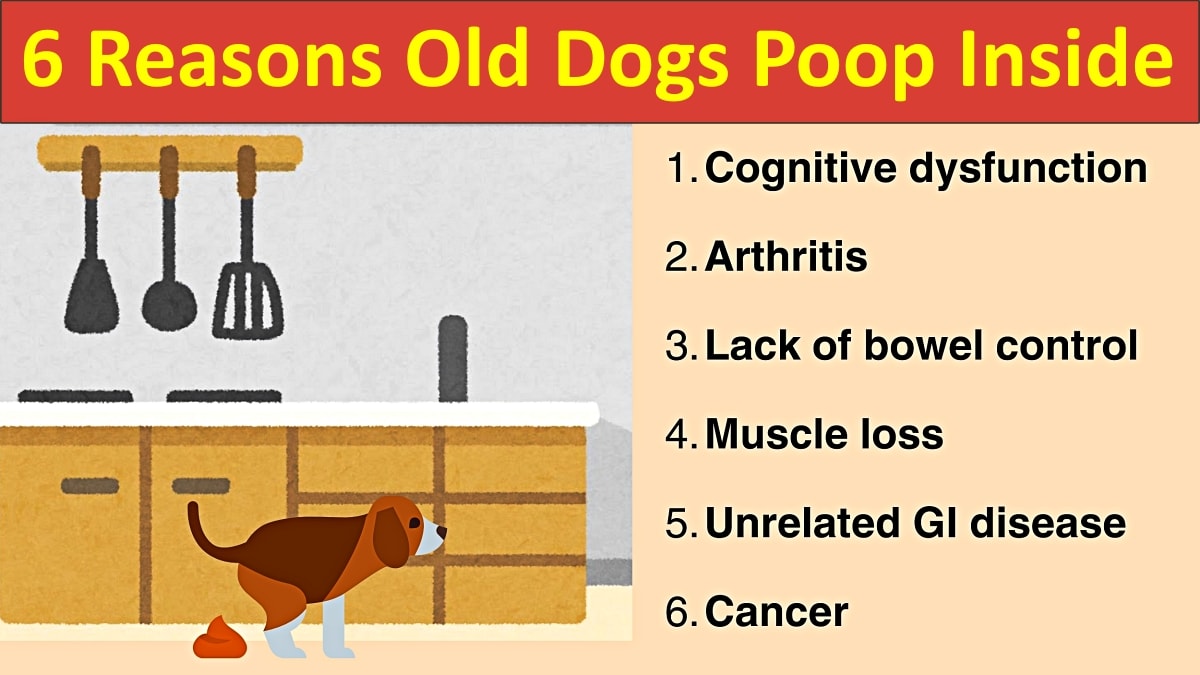
Older dogs may start pooping indoors for many reasons. These changes can confuse pet owners. Knowing the causes helps to find the right solution. Some reasons are health-related, while others are about behavior or environment.
Health Issues
Health problems often cause indoor accidents. Dogs with digestive troubles may not control their bowels well. Arthritis or pain can make going outside hard. Urinary tract infections can also lead to accidents. Regular vet visits catch these issues early.
Changes In Routine
Older dogs thrive on routine. Changes in schedule or environment can confuse them. New family members or moving houses may cause stress. Less frequent walks reduce bathroom opportunities. Keeping a consistent routine helps prevent accidents.
Cognitive Decline
Older dogs can suffer from memory loss. They may forget where to go outside. Confusion can cause accidents inside the house. Cognitive decline affects their normal habits. Patience and gentle training support dogs during this phase.
Anxiety And Stress
Stress can cause older dogs to poop indoors. Loud noises, strangers, or separation anxiety may trigger accidents. Dogs express discomfort through changes in behavior. Creating a calm environment reduces anxiety. Comfort and reassurance help them feel safe.

Credit: www.amazon.com
Identifying Medical Problems
When your older dog suddenly starts pooping inside the house, it's easy to assume it's a behavioral issue. However, medical problems often play a key role. Identifying these health concerns early can save both you and your pet a lot of frustration and discomfort.
Common Conditions
Several medical conditions can cause your older dog to lose control over bowel movements. Issues like intestinal parasites, colitis, and anal gland problemsare frequent culprits. Even arthritis can make it hard for your dog to get outside in time.
Digestive diseases such as inflammatory bowel disease or food allergies might also trigger sudden accidents. Keep an eye out for symptoms like diarrhea, blood in stool, or frequent licking of the rear area. These signs can help pinpoint the root cause.
When To Visit A Vet
Ask yourself: Has your dog’s bathroom behavior changed abruptly? Are there other signs like weight loss, vomiting, or lethargy? If yes, it’s time to see a vet without delay.
Waiting too long might worsen the problem or mask serious diseases. Your vet can run tests such as stool analysis or blood work to uncover hidden issues. Early diagnosis improves the chance of effective treatment.
Medication Effects
Some medications your dog takes could be the reason behind indoor pooping. Antibiotics, steroids, and painkillers sometimes cause digestive upset or diarrhea as side effects. If your dog started a new drug recently, watch for changes in bathroom habits.
Never stop or change medication without consulting your vet. Instead, discuss your concerns and ask if there are alternatives or ways to manage side effects. Sometimes, adjusting the dose or adding probiotics can make a big difference.
Adjusting Feeding And Bathroom Schedule
Adjusting your older dog's feeding and bathroom schedule helps control accidents inside. A steady routine supports healthy digestion and regular bathroom habits. It also makes it easier to predict when your dog needs to go out.
Consistent Meal Times
Feed your dog at the same times every day. Consistency helps regulate digestion. It reduces surprise bowel movements inside the house. Avoid free feeding or leaving food out all day. Set specific meal times and stick to them.
Frequent Bathroom Breaks
Take your dog outside often, especially after meals. Older dogs may need more bathroom breaks than younger ones. Watch for signs like sniffing or circling. Create a schedule that fits your dog’s needs. Make outdoor trips a positive experience.
Monitoring Water Intake
Keep an eye on how much water your dog drinks. Proper hydration is important but too much at once can cause accidents. Offer water regularly but in smaller amounts if needed. Note any changes in drinking habits and discuss them with a vet.
Creating A Comfortable Bathroom Area
Creating a comfortable bathroom area helps your older dog feel safe and relaxed. A clear and easy-to-access place encourages good habits. Comfort reduces accidents and stress for your pet. Consider both outdoor and indoor options to suit your dog’s needs and limitations.
Accessible Outdoor Spaces
Make sure the outdoor bathroom spot is easy to reach. Remove obstacles like tall grass or steps. Use a leash or guide to help your dog get there. Choose a quiet, familiar area with soft ground. This helps older dogs move without pain or fear. Regular trips outside build a routine your dog can trust.
Indoor Potty Options
Some dogs may need an indoor solution due to health or mobility issues. Use potty pads, litter boxes, or artificial grass mats. Place them in a low-traffic, quiet corner. Change and clean these areas daily to keep them inviting. Offer treats and praise to encourage use. This keeps your dog comfortable and prevents accidents on floors.
Cleanliness And Hygiene
Keep bathroom areas clean to avoid odors and germs. Use pet-safe cleaners to disinfect without harming your dog. Remove waste promptly to prevent stains and smells. Wash bedding and mats often to maintain freshness. A clean space makes your dog want to use it again and keeps your home healthy.
Training And Reinforcement Techniques
Training and reinforcement techniques are key to helping your older dog stop pooping inside the house. Consistency and patience make a big difference here. You’ll find that clear communication and positive feedback encourage your dog to adopt better habits faster.
Positive Reinforcement
Reward your dog immediately after they go outside. Use treats, praise, or a favorite toy to show them they did the right thing. This creates a strong connection between outdoor bathroom trips and positive outcomes.
Try to catch your dog in the act or take them out frequently, especially after meals or naps. The quicker you reward, the clearer the message becomes. Have you noticed how your dog lights up when praised? That’s your chance to reinforce good behavior.
Using Commands
Teach your dog a simple command like “Go potty” to signal when it’s time to relieve themselves. Be consistent with the phrase and use it every time you take them out. Over time, your dog will link the command with the action.
Commands give your dog structure and help you control the timing. When your dog is about to go inside, gently interrupt and guide them outside while repeating the command. This helps redirect their behavior without punishment.
Addressing Accidents Calmly
Accidents happen, especially with older dogs who may have health or mobility issues. Avoid yelling or scolding, as this can cause fear and confusion. Stay calm and clean the area thoroughly to remove any lingering scent.
Instead of punishing, focus on preventing future accidents by increasing bathroom breaks and watching for signs your dog needs to go. How often do you check your dog for signals like sniffing or circling? Recognizing these signs early can prevent indoor messes.
Managing Anxiety And Cognitive Issues
Older dogs may start pooping inside due to anxiety or cognitive decline. These issues affect their ability to control their bathroom habits. Managing anxiety and cognitive problems can reduce accidents and improve your dog's comfort.
Calm and clear surroundings help your dog feel safe. Mental activities keep their brain active. A steady routine offers predictability that lowers stress.
Calming Products
Calming products can ease anxiety in older dogs. Options include:
- Adaptil diffusers or collars that release calming pheromones
- Natural supplements like CBD or chamomile
- Comforting anxiety wraps or vests
- Soft, cozy bedding in quiet areas
These products reduce stress and create a soothing environment. Consult your vet before starting supplements.
Mental Stimulation
Keep your dog's mind sharp to slow cognitive decline. Try these activities:
- Simple puzzle toys with treats
- Training sessions with basic commands
- Short, gentle walks exploring new smells
- Interactive play with soft toys
Regular mental exercise boosts focus and lowers confusion. It also helps your dog feel engaged and happy.
Routine Consistency
Stick to a regular schedule for feeding and bathroom breaks. Key tips include:
- Take your dog outside at the same times daily
- Use consistent commands for bathroom time
- Limit sudden changes in environment or routine
- Keep mealtimes steady to regulate digestion
A predictable routine reduces anxiety and accidents inside. Your dog learns when and where to go over time.
Cleaning Up Accidents Effectively
Cleaning up accidents effectively is crucial when managing an older dog that suddenly starts pooping in the house. How you handle these messes can influence whether your dog repeats the behavior. A thorough, thoughtful approach helps eliminate odors and signals to your dog that the spot is not a bathroom.
Choosing The Right Cleaners
Using the right cleaner is more important than you might think. Avoid ammonia-based products because they smell similar to urine and can encourage your dog to return to the spot. Instead, opt for enzymatic cleaners designed to break down organic stains and odors.
Enzymatic cleaners target the bacteria in feces and urine, removing the scent markers your dog relies on. If you’ve ever tried regular detergent and still noticed your dog sniffing around the same area, this might explain why it didn’t work well. Investing in a good enzymatic cleaner can save you repeated cleanups and frustration.
Preventing Repeat Accidents
Once the area is clean, preventing your dog from returning is the next step. Dogs often revisit spots that smell like their bathroom, so eliminating the scent is critical. You might also consider temporarily restricting your dog’s access to the area or using baby gates.
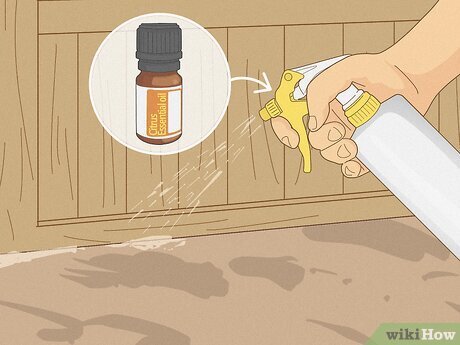
Adding a deterrent, like placing a plastic carpet runner with the spikes up or using pet-safe sprays, can discourage your dog from settling there again. Have you noticed your dog lingering in one spot? That’s your cue to act fast before the habit forms. Consistency in cleanup and boundary setting makes a big difference over time.
Maintaining A Fresh Environment
Keeping your home smelling fresh goes beyond just cleaning accidents. Regular vacuuming and washing your dog’s bedding can reduce lingering smells that attract your pet to certain spots. Air purifiers with HEPA filters can also help control pet odors and allergens.
Consider adding natural odor absorbers like baking soda in carpets or bowls of white vinegar in rooms your dog frequents. These simple steps create a more inviting environment and reduce the chances your dog will choose the house as their bathroom again. How often do you refresh your dog's space to keep it inviting and odor-free?
Credit: pethelpful.com
Frequently Asked Questions
Why Is My Older Dog Pooping Inside The House?
Older dogs may poop indoors due to health issues, cognitive decline, or changes in routine. It’s important to consult a vet to rule out medical problems and adjust their care accordingly.
How Can I Train My Senior Dog To Stop Pooping Indoors?
Use consistent potty schedules, positive reinforcement, and frequent outdoor breaks. Clean indoor accidents thoroughly to remove odors and prevent repeat behavior. Patience and routine help retrain older dogs effectively.
Could Medical Problems Cause My Older Dog’s Indoor Pooping?
Yes, conditions like arthritis, urinary tract infections, or digestive issues can cause accidents. A vet checkup is essential to diagnose and treat any underlying health problems causing indoor pooping.
How Often Should I Take My Older Dog Outside To Prevent Accidents?
Take your senior dog outside at least every 3-4 hours during the day. Frequent breaks help manage their bathroom needs and reduce the chance of indoor accidents.
Conclusion
Training your older dog takes patience and consistency. Understand their needs and adjust your approach. Maintain a regular feeding schedule to avoid accidents. Always praise your dog for good behavior. This encourages them to repeat it. Clean accidents thoroughly to remove scents.
This prevents repeat markings. Consider a vet visit if issues persist. Health problems might be causing indoor accidents. Remember, every dog is different. What works for one might not work for another. Be patient and persistent. With time, you’ll see improvements.
Enjoy the journey with your furry friend.