
Is your dog peeing in the house at night? It can be frustrating and stressful, especially when you wake up to a mess.
You want your home clean and your furry friend happy. The good news is, you can stop this behavior with the right steps. You’ll discover simple and effective ways to keep your dog from peeing indoors at night. Keep reading to learn how to protect your home and enjoy peaceful nights again.
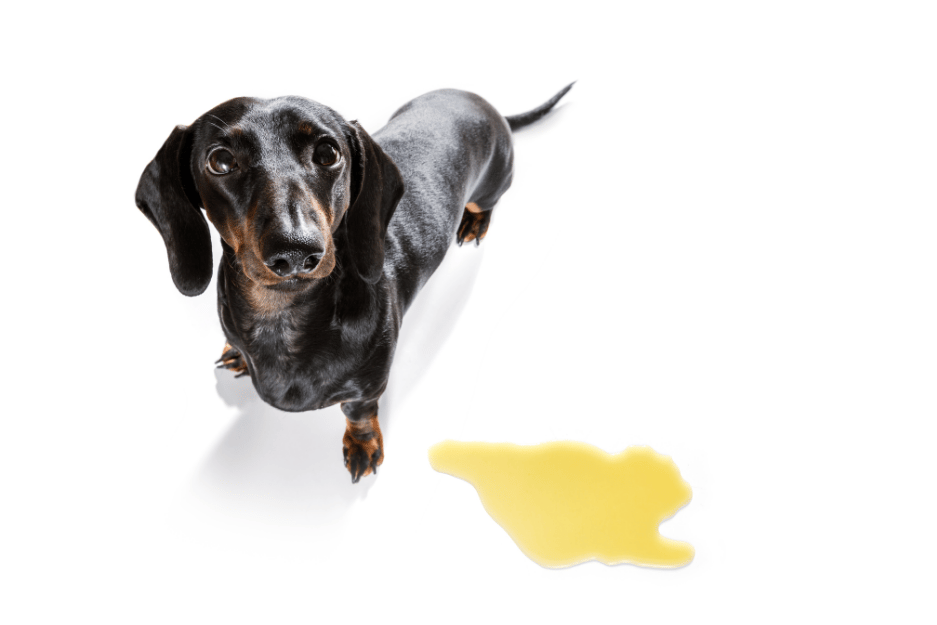
Credit: rockykanaka.com
Reasons Dogs Pee Indoors At Night
Understanding why your dog pees indoors at night is key to solving the problem. Dogs don’t pee inside just to annoy you; there’s usually a reason behind it. Recognizing these reasons helps you address the root cause and protect your home.
Medical Causes
Health issues often make dogs lose control over their bladder. Conditions like urinary tract infections, kidney problems, or diabetes can cause frequent urination. If your dog suddenly starts peeing inside at night, a vet visit is essential.
Older dogs may face incontinence due to aging. Sometimes, medication side effects also play a role. Keep an eye on any other symptoms like lethargy or excessive drinking, which might point to medical concerns.
Behavioral Factors
Stress and anxiety can lead dogs to pee indoors, especially at night when things are quiet and still. Separation anxiety is common; your dog might pee because they feel lonely or scared. Has your dog experienced changes like a new pet, moving house, or loud noises at night?
Some dogs mark territory by peeing inside. This is more common in unneutered males but can happen with any dog under stress. Training and consistent routines often help reduce this behavior.
Environmental Triggers
Your dog’s surroundings at night can also affect their bathroom habits. Is your dog’s sleeping area comfortable and accessible? If they can’t easily reach the door or outdoor space, they might pee inside instead.
Changes in weather, like heavy rain or cold temperatures, can discourage outdoor bathroom trips. Also, loud noises or unfamiliar scents in the house can stress your dog, prompting indoor urination. Have you noticed any changes in your home environment that might upset your dog?
Preparing Your Dog For Nighttime
Preparing your dog for nighttime helps reduce accidents indoors. It sets clear expectations and builds good habits. A calm and consistent routine makes your dog feel safe and secure at night. This reduces anxiety and the urge to pee inside the house.
Establishing A Bathroom Routine
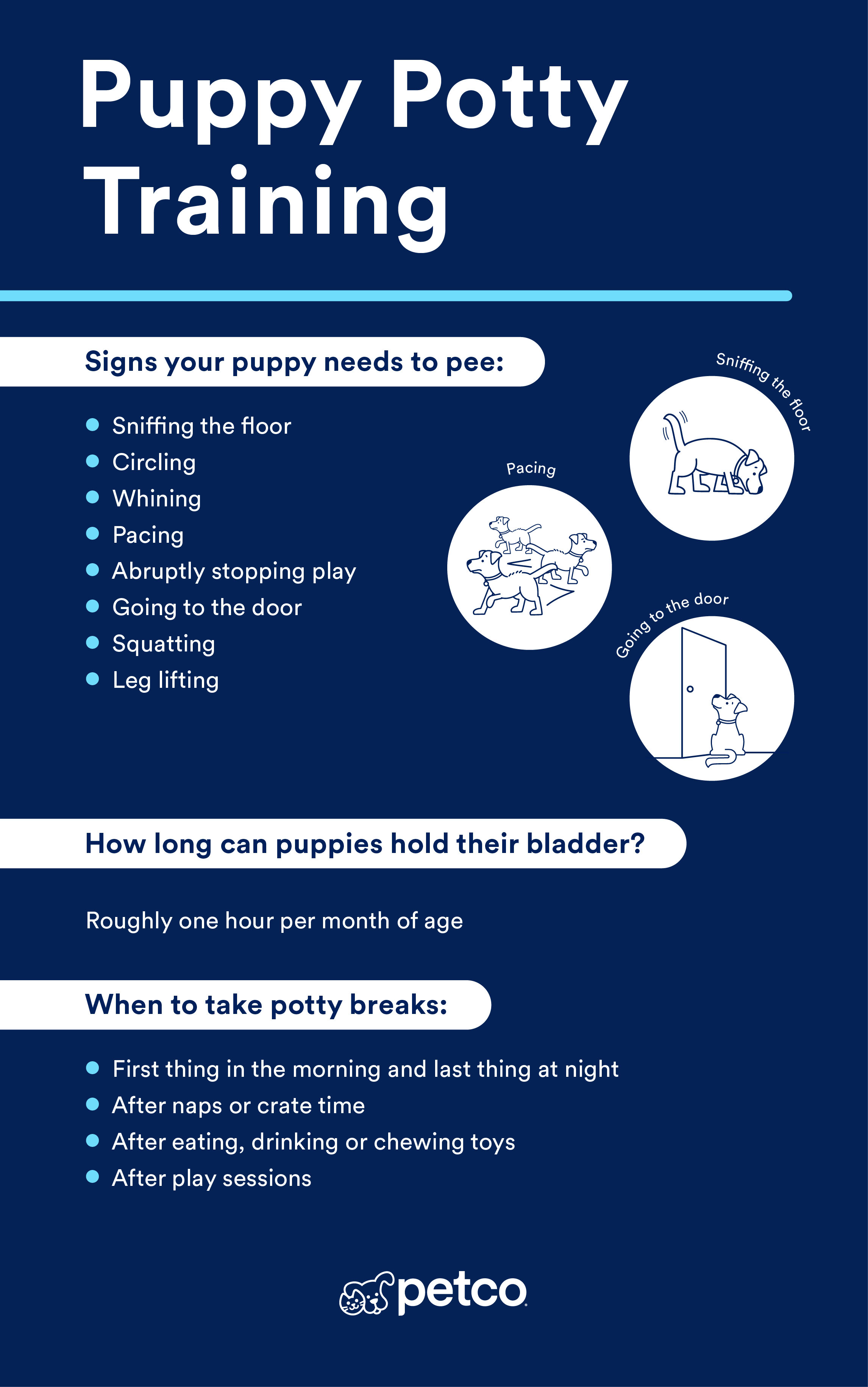
Set regular times for bathroom breaks before bedtime. Take your dog outside at least 30 minutes before sleep. Use the same spot each time to help your dog associate it with peeing. Praise and reward your dog after going outside. This encourages them to repeat the behavior.
Limiting Water Intake Before Bed
Reduce your dog's water intake one to two hours before sleep. This helps control the need to pee overnight. Do not restrict water too much to avoid dehydration. Monitor your dog's overall water consumption during the day. Adjust timing based on your dog’s size and health.
Creating A Comfortable Sleep Area
Provide a cozy and quiet place for your dog to sleep. Use a soft bed and keep the area clean. Avoid placing the bed near loud noises or distractions. A comfortable space calms your dog and lowers bathroom accidents. Consistency in the sleeping spot helps your dog relax and rest well.
Training Techniques To Prevent Nighttime Peeing
Training your dog to stop peeing in the house at night needs clear and gentle techniques. Dogs learn best with consistent actions and kind guidance. Using training methods helps your dog understand where and when to go to the bathroom. Practice every night and keep routines steady to see good results. Here are some effective training techniques to prevent nighttime peeing.
Positive Reinforcement Methods
Reward your dog for peeing outside or in the right spot. Use treats, praise, or petting to show approval. This makes your dog want to repeat good behavior. Avoid punishment as it can cause fear or confusion. Instead, focus on encouraging the actions you want to see.
- Give a treat immediately after your dog pees outside.
- Use a happy voice to praise your dog.
- Be consistent with rewards every time.
Using Crate Training Effectively
Crate training helps teach bladder control. Dogs naturally avoid soiling their sleeping area. Choose a crate that fits your dog comfortably but is not too large. Let your dog rest in the crate overnight. Take your dog outside right before bedtime and first thing in the morning.
- Introduce the crate gradually with positive experiences.
- Keep the crate clean and cozy.
- Never use the crate as punishment.
Consistency And Patience
Stick to a regular schedule for feeding and bathroom breaks. Take your dog out at the same times each day. Be patient; accidents can happen as your dog learns. Clean any messes thoroughly to remove odors. This prevents your dog from returning to the same spot.
- Create a bathroom routine and follow it strictly.
- Use enzymatic cleaners to eliminate urine smells.
- Stay calm and supportive during setbacks.
Credit: www.petco.com
Cleaning And Managing Accidents
Cleaning up after your dog’s nighttime accidents is vital. It stops stains and smells from settling in. A clean home helps your dog learn where to pee.
Proper cleaning also prevents your dog from peeing in the same spot again. Managing accidents quickly keeps your house fresh and your dog comfortable.
Choosing The Right Cleaners
Pick cleaners made for pet stains and odors. Regular household cleaners may not remove all traces of urine. This can cause your dog to pee again in the same place.
Look for enzyme-based cleaners. They break down urine and stop smells. These cleaners are safe for floors, carpets, and furniture.
- Check the label for pet safety
- Test cleaner on a small area first
- Use enough cleaner to soak the spot well
- Follow instructions carefully for best results
Removing Odors To Prevent Repeat Incidents
Odor removal is key to stopping repeat accidents. Dogs mark spots by smell. If the scent stays, they return there.
After cleaning, air out the room well. Use fans or open windows. This helps remove lingering smells.
Try natural odor absorbers like baking soda. Sprinkle it on the spot, wait a few hours, then vacuum.
Keep your dog’s sleeping area clean and fresh. A pleasant space reduces accidents at night.
When To Consult A Veterinarian
Knowing when to consult a veterinarian is crucial if your dog keeps peeing in the house at night despite your efforts. Sometimes, the issue isn’t just about training or behavior but could signal an underlying health problem. Ignoring these signs can make the situation worse, so understanding when to seek professional help will save you and your dog unnecessary stress.
Recognizing Health Issues
If your dog suddenly starts peeing indoors after being house-trained, it might indicate a medical issue. Conditions like urinary tract infections, kidney problems, or diabetes can cause increased urination or loss of bladder control.
Watch for symptoms such as:
- Frequent attempts to urinate with little output
- Blood in the urine
- Excessive thirst
- Signs of pain or discomfort while peeing
Have you noticed your dog waking up more often at night or acting restless? These could be red flags that warrant a vet visit. Early diagnosis can lead to effective treatment and stop the nighttime accidents.
Behavioral Assessments
Sometimes, your dog’s nighttime accidents might stem from anxiety, stress, or changes in their environment. A veterinarian can help determine if behavior is the root cause and suggest appropriate interventions.
They might ask questions about:
- Recent changes at home, like new pets or family members
- Any traumatic events your dog may have experienced
- Your dog’s daily routine and bathroom schedule
Getting a professional behavioral assessment can uncover hidden triggers. This insight helps you create a calm, secure environment that reduces accidents. Have you considered if your dog might be reacting to something you haven’t noticed yet?

Credit: luxeweavers.com
Additional Tools And Products
Stopping your dog from peeing in the house at night can be easier with the right tools. Some products help manage accidents and encourage better habits. These tools support your training efforts and keep your home clean.
Dog Diapers And Pads
Dog diapers catch urine and protect your floors. They are useful for puppies, seniors, or dogs with health issues. Pads absorb accidents and provide a specific place for your dog to pee. Place pads near the door or a favorite spot. Change pads often to keep the area fresh and inviting.
Nighttime Lighting Options
Soft lighting helps dogs find the bathroom area at night. Use dim night lights in hallways or near the door. Avoid bright lights that might disturb your dog's sleep. A gentle glow guides your dog without stress or confusion.
Motion-activated Devices
Motion-activated devices can alert you if your dog moves at night. These include alarms or lights that turn on when your dog gets up. They help you respond quickly to bathroom needs. Some devices discourage your dog from going in unwanted spots by making a noise. Use these tools to support training, not to scare your pet.
Frequently Asked Questions
How Can I Stop My Dog From Peeing At Night Indoors?
To stop nighttime indoor peeing, establish a consistent bathroom schedule. Take your dog out before bed. Limit water intake a few hours before sleeping. Use positive reinforcement when they pee outside. Clean accidents with enzymatic cleaners to remove odors completely.
Why Does My Dog Pee Inside Only At Night?
Nighttime peeing can stem from anxiety, incomplete house training, or medical issues. Dogs may also have weaker bladder control at night. Observe your dog’s behavior and consult a vet if accidents persist despite training and schedule adjustments.
What Is The Best Cleaning Method For Dog Urine Indoors?
Use enzymatic cleaners specifically designed for pet urine. These break down urine molecules and eliminate odors. Avoid ammonia-based cleaners as they mimic urine smell and encourage re-marking. Prompt cleaning prevents your dog from returning to the same spot.
How Long Should I Wait Before Letting My Dog Out At Night?
Take your dog out 10 to 15 minutes before bedtime. This helps empty their bladder fully. If your dog is young or has medical issues, consider an additional nighttime bathroom break to prevent accidents.
Conclusion
Helping your dog stop peeing indoors at night is possible. Start by establishing a consistent routine. Regular bathroom breaks are important. Offer praise when your dog goes outside. Clean any indoor accidents thoroughly. This removes scent markers that might attract your dog back.
Consider crate training to promote control. Ensure your dog feels secure and comfortable. Address any medical issues with a vet. Patience is key in this process. With time, your dog will learn. A dry house is within reach. Keep encouraging your furry friend.
Success is just around the corner.