
Are you tired of waking up to unexpected messes on your floor? When your dog poops in the house at night, it can disrupt your sleep and create extra work you didn’t ask for.
But what if you could stop this from happening once and for all? You’ll discover simple, practical steps that make a big difference. By understanding why your dog behaves this way and how to guide them gently, you’ll reclaim peaceful nights and a cleaner home.
Keep reading—your evenings are about to get a whole lot easier.

Credit: www.ohcrap.com.au
Reasons Dogs Poop Indoors At Night
Understanding why your dog poops indoors at night is key to stopping this behavior. Dogs don’t usually choose to soil inside without a reason. Pinpointing the cause helps you address it effectively and keeps your home clean.
Health Issues
Sometimes, health problems cause dogs to lose control over their bowel movements. Conditions like gastrointestinal infections, parasites, or even arthritis can make it hard for your dog to hold it until morning.
If your dog suddenly starts pooping inside at night, check for signs like diarrhea, lethargy, or changes in appetite. A quick vet visit can rule out medical causes or provide treatment if needed.
Anxiety And Stress
Stress affects dogs just like it does people. Changes in routine, loud noises, or separation anxiety can trigger indoor accidents at night.
Think about recent changes in your dog’s environment. Has there been a move, a new pet, or loud neighborhood activity? These factors can upset your dog’s bathroom habits.
Lack Of Proper Training
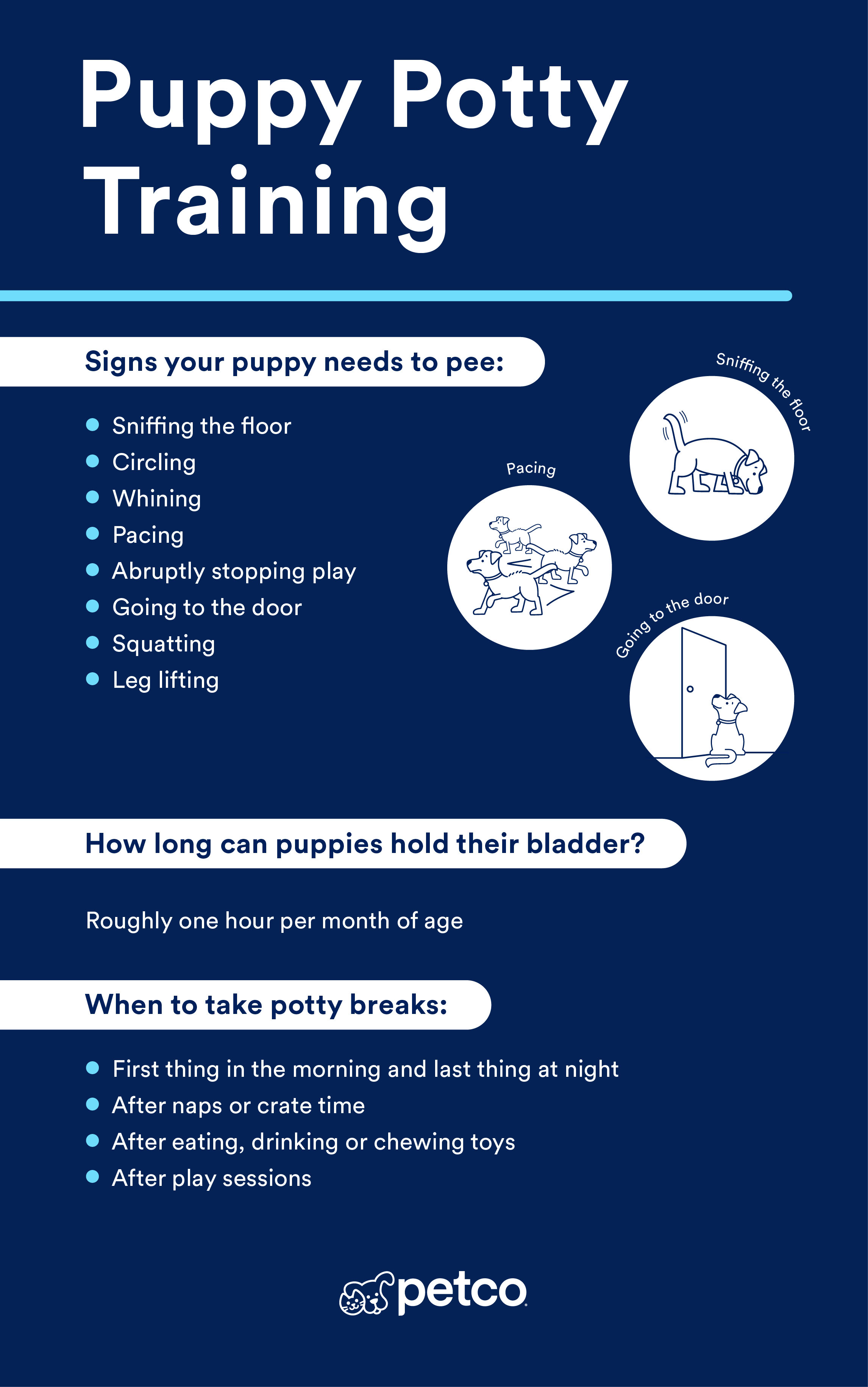
Sometimes, the problem is simple: your dog hasn’t fully learned where it’s appropriate to go. Puppies and newly adopted dogs often need clear guidance and consistent routines.
Ask yourself if you’ve been consistent with bathroom breaks before bedtime. Have you rewarded your dog for going outside? Proper training and patience can make a big difference.
Credit: www.petco.com
Setting A Nighttime Routine
Setting a nighttime routine helps your dog learn when and where to go to the bathroom. Dogs thrive on routine. A clear schedule reduces accidents inside the house at night. Consistency builds good habits and comfort for your dog.
Consistent Feeding Schedule
Feed your dog at the same times every day. Avoid late-night meals that can cause a full bladder overnight. A regular feeding time helps predict when your dog needs to go out. This also aids digestion and bathroom timing.
Evening Bathroom Breaks
Take your dog outside just before bedtime. Make sure the spot is familiar and quiet. Give your dog enough time to relieve themselves fully. This step greatly lowers the chance of accidents during the night. Repeat this routine every night without fail.
Creating A Calm Environment
Keep your dog's sleeping area calm and quiet. Dim the lights and reduce noise to help your dog relax. Avoid playing or feeding right before bed. A peaceful space encourages your dog to rest and hold their bathroom needs until morning.
Training Techniques To Prevent Indoor Pooping
Training your dog to avoid pooping inside at night requires patience and clear techniques. Consistent training helps your dog understand where and when to relieve itself. Using positive methods builds trust and encourages good habits. The following training techniques can help stop indoor accidents effectively.
Positive Reinforcement
Reward your dog immediately after it poops outside. Use treats, praise, or petting to show approval. This teaches your dog that outdoor pooping brings rewards. Avoid punishment as it can cause fear and confusion. Positive reinforcement makes your dog want to repeat good behavior.
Crate Training Benefits
Crate training uses a small, comfortable space for your dog. Dogs naturally avoid soiling their sleeping area. Keep the crate just big enough to stand and turn around. This helps your dog hold its bladder overnight. Gradually increase crate time to build tolerance. Crate training also helps with overall house training.
Using Commands Effectively
Teach a clear command for bathroom time, such as “go potty.” Say the command consistently before taking your dog outside. Praise your dog when it responds correctly to the command. This builds a strong connection between the word and the action. Use short, simple words to avoid confusion.
Managing Anxiety And Stress In Dogs
Dogs often poop inside the house at night due to anxiety or stress. Managing these feelings helps reduce accidents. Calm dogs tend to have better bathroom habits. Understanding and easing your dog's anxiety is key to a peaceful night.
Exercise And Mental Stimulation
Exercise lowers stress and tires your dog physically. A tired dog sleeps better through the night. Mental games keep their brain busy and calm. Simple puzzles or training sessions work well. Regular activity balances your dog's mood and behavior.
Comforting Tools And Products
Comfort items create a safe space for your dog. Soft beds and familiar blankets provide warmth. Calming sprays or diffusers release soothing scents. Weighted blankets can reduce nervousness. These tools help your dog feel secure at night.
Professional Help When Needed
Some dogs need extra help managing anxiety. A vet can suggest treatments or therapies. Trainers offer behavior techniques for stress relief. Therapists may use calming exercises or medication. Seeking help shows care for your dog's wellbeing.
House Cleaning Tips To Deter Repeat Accidents
Cleaning your house properly after a dog poops inside is key to stopping repeat accidents. Dogs often return to spots that smell like their waste. Thorough cleaning removes these smells and discourages your dog from using the same place again. Using the right cleaning products and techniques makes a big difference. Avoiding harsh reactions also helps your dog learn better habits.
Using Enzyme Cleaners
Enzyme cleaners break down waste molecules completely. They remove stains and smells that regular cleaners miss. Use enzyme cleaners on all soiled areas. Let the cleaner sit for a few minutes. Then blot or wipe the spot gently. This stops dogs from smelling old accidents and returning.
Removing Odor Traces
Odor can linger even after cleaning. Spray odor neutralizers after using enzyme cleaners. Open windows to air out the room. Wash any fabric or bedding near the spot. Use baking soda on carpets and let it sit. Vacuum it up to remove hidden smells. A fresh-smelling home keeps your dog away from old spots.
Avoiding Punishment
Punishing your dog can create fear and confusion. Dogs do not connect punishment with past accidents. Instead, reward good behavior and proper bathroom use. Praise and treats work better to teach your dog. Patience and kindness build trust. This helps your dog learn where to go calmly and happily.
When To Consult A Veterinarian
Knowing when to consult a veterinarian is key if your dog keeps pooping in the house at night. Sometimes, the issue isn’t just about training or behavior—it could signal a health problem. Acting early can save you stress and help your dog feel better faster.
Identifying Medical Problems
Has your dog suddenly started pooping indoors despite good training? This change might mean something is wrong physically. Look for signs like diarrhea, constipation, frequent urination, or signs of pain when going to the bathroom.
Other symptoms to watch for include lethargy, loss of appetite, or vomiting. These clues can point to infections, digestive issues, or even more serious conditions like parasites or organ problems. Don’t ignore these signs because they often need professional care.
Treatment Options
Once you visit the vet, they’ll likely perform tests to find the root cause. Treatments could include medication, dietary changes, or special supplements. Sometimes, a simple change in food or a prescribed antibiotic can stop the problem quickly.
If your dog has anxiety or stress-related issues contributing to accidents, the vet might suggest calming strategies or behavioral therapy. Treatment is more effective when it targets both health and behavior.
Monitoring Progress
After starting treatment, keep a close eye on your dog’s behavior and bathroom habits. Note any improvements or new symptoms and share this information with your vet. Regular updates help adjust the treatment plan if needed.
Remember, recovery can take time. Patience and consistency are essential. Ask yourself: Are you ready to track these changes carefully to help your dog get back to normal?
Credit: pethelpful.com
Frequently Asked Questions
How Can I Train My Dog To Avoid Pooping Indoors At Night?
Consistently take your dog outside before bedtime. Use positive reinforcement when they poop outdoors. Maintain a regular feeding and potty schedule. Limit water intake a few hours before sleep to reduce nighttime accidents.
What Causes Dogs To Poop Inside The House At Night?
Dogs may poop indoors due to anxiety, health issues, or lack of proper potty training. Nighttime accidents can also result from irregular feeding schedules or limited outdoor access before bed.
How To Create A Nighttime Potty Routine For Dogs?
Establish a consistent evening routine by taking your dog out 30 minutes before bed. Praise and reward them for outdoor elimination. Stick to fixed feeding times and restrict water intake before sleep.
Can Health Problems Cause Dogs To Poop Indoors At Night?
Yes, gastrointestinal issues, infections, or parasites can lead to indoor accidents. If your dog suddenly starts pooping inside, consult a vet to rule out medical conditions.
Conclusion
Helping your dog stop pooping indoors takes patience and consistency. Stick to a regular schedule for feeding and bathroom breaks. Praise your dog when they go outside. Keep their sleeping area clean and comfortable. Consider a night-time bathroom trip to prevent accidents.
Use positive reinforcement to encourage good habits. Clean up accidents quickly to remove odor. Avoid punishment, as it can confuse your dog. With time and effort, your dog will learn where to go. Stay patient and positive. Your efforts will pay off.
Soon, you'll both enjoy peaceful nights.