
Are you tired of waking up to a wet surprise in your dog's crate? It can be frustrating and confusing when your furry friend keeps peeing where they sleep.
But don't worry; you're not alone, and there are effective ways to tackle this issue. If you've been asking yourself how to stop your dog from peeing in their crate, you've come to the right place. You'll discover simple yet powerful techniques to help your pet learn where to do their business.
Get ready to transform your dog's habits and enjoy a cleaner, happier home!

Credit: www.impactdogcrates.com
Reasons Dogs Pee In Crates
Dogs may pee in their crates for several reasons. Understanding these causes helps in solving the problem quickly. Most often, it is about their comfort, health, or training. Identifying the exact reason leads to better care and a cleaner crate.
Stress And Anxiety
Many dogs feel stressed or anxious in crates. This can cause them to pee as a reaction. Separation from their owner or loud noises may trigger this behavior. A crate should feel like a safe place, not a punishment.
Medical Issues
Health problems can make dogs unable to hold their urine. Urinary tract infections, bladder stones, or kidney issues are common causes. If a dog pees suddenly in the crate, a vet visit is necessary. Treating medical issues stops the problem quickly.
Improper Crate Size
A crate that is too big or too small causes discomfort. When the crate is too large, dogs may use one corner as a bathroom. If it is too small, they cannot move comfortably. The right crate size encourages dogs to keep it clean.
Lack Of House Training
Without proper training, dogs do not learn where to pee. Puppies especially need clear guidance on bathroom spots. Regular potty breaks and positive reinforcement help. Consistent training teaches dogs to wait until outside.

Credit: greensafaris.com
Choosing The Right Crate
Choosing the right crate is key to preventing your dog from peeing inside it. The crate should feel like a safe, comfortable space—not a place that causes stress or discomfort. Selecting the right size, material, and comfort level can make all the difference in helping your dog develop good habits.
Size Matters
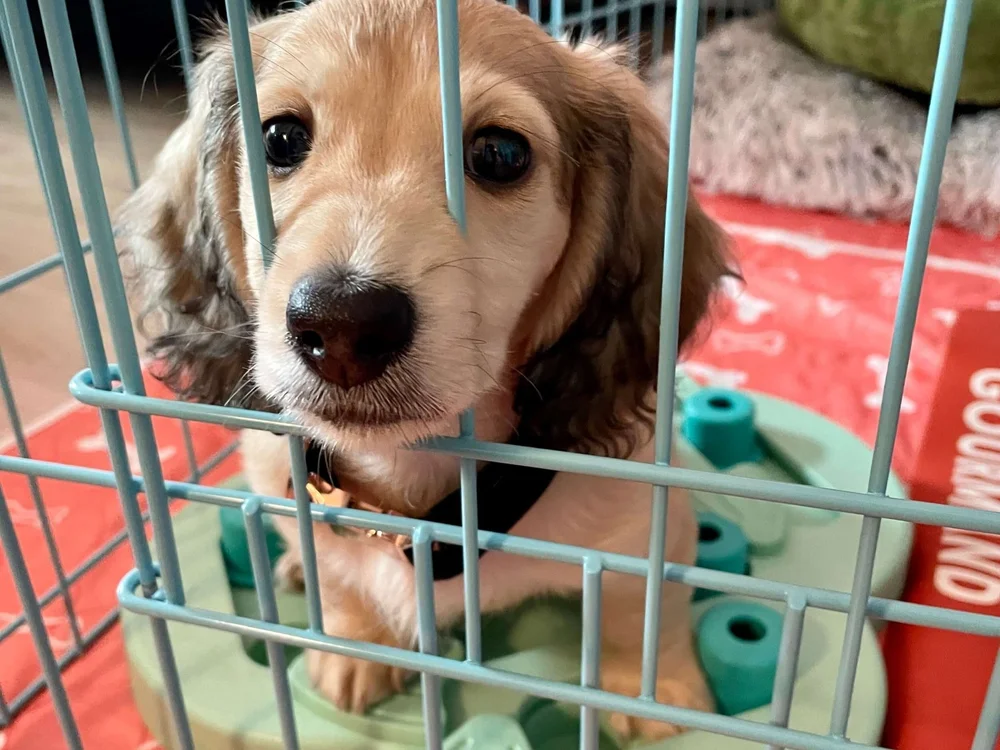
Your crate should be just big enough for your dog to stand, turn around, and lie down comfortably. A crate that’s too large might encourage your dog to use one corner as a bathroom spot. Too small, and your dog will feel cramped and stressed.
Think about your dog’s growth if they are a puppy. You might want a crate with a divider panel so you can adjust the space as they grow. Have you noticed your dog avoiding the crate or acting anxious? That might be a sign the crate size isn’t right.
Material And Ventilation
The crate’s material affects your dog’s comfort and cleanliness. Wire crates offer excellent ventilation, which helps reduce odors and keeps your dog cool. Plastic crates provide more privacy and a den-like feel but can trap heat and odors if not cleaned often.
Consider your dog’s behavior too. If your dog tends to chew, a durable metal crate might be safer. Proper airflow can prevent your dog from feeling confined and reduce the chance of accidents caused by stress.
Crate Comfort
Adding comfort to the crate encourages your dog to see it as a positive space. Soft bedding or a crate mat helps, but make sure it’s washable in case of accidents. Avoid large blankets that could cause overheating or get tangled.
Some dogs prefer a covered crate for a cozy feeling, while others like open spaces. Watch how your dog reacts and adjust the setup to suit their preferences. Does your dog enter the crate eagerly or seem hesitant? Comfort plays a bigger role than you might think.
Effective House Training Techniques
Stopping your dog from peeing in the crate needs clear and effective house training. It takes patience and consistent actions. Using proven techniques helps your dog learn faster. These methods build trust and comfort in the crate. Your dog will feel safe and know where to go potty.
Establishing A Routine
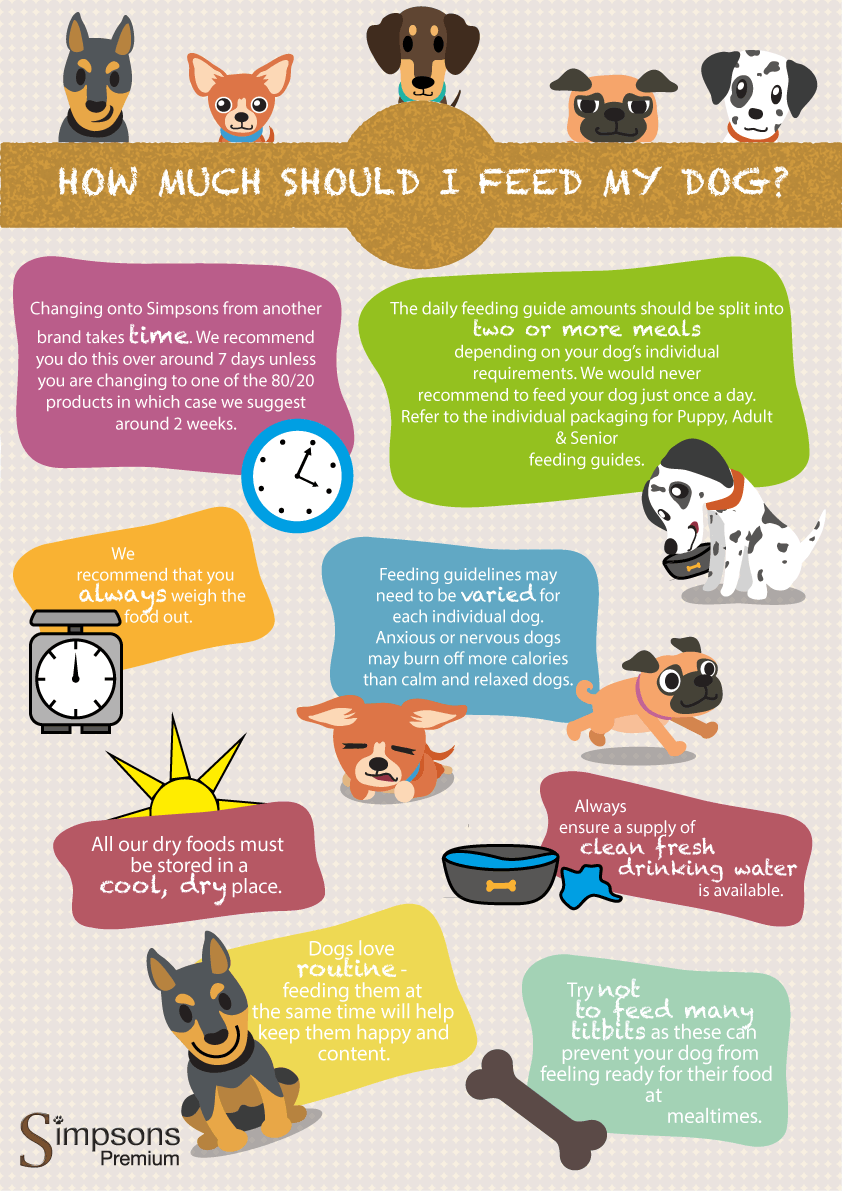
Set specific times for feeding and bathroom breaks. Take your dog outside right after meals and naps. Dogs learn best with a regular schedule. A routine reduces accidents in the crate. It also helps your dog understand when it is time to pee or poop.
Consistency is key. Use the same spot outside for bathroom breaks. Praise your dog after they go outside. This makes the routine clear and easy to follow.
Positive Reinforcement
Reward good behavior immediately. Use treats, praise, or playtime to encourage your dog. Positive reinforcement makes your dog want to repeat the behavior. Avoid punishment for accidents. This can cause fear and confusion.
Celebrate when your dog waits to pee until outside. Reinforce calm and quiet behavior in the crate. A happy dog learns faster and feels secure.
Supervised Crate Time
Watch your dog closely when inside the crate. Look for signs they need to go out, like whining or sniffing. Take your dog outside quickly at these signs. Don’t leave your dog in the crate too long. This prevents accidents and builds trust.
Supervision helps you correct mistakes gently. It also prevents your dog from developing bad habits. Gradually increase crate time as your dog learns to hold it.
Managing Anxiety And Stress
Stress and anxiety can cause dogs to pee in their crates. Managing these feelings helps your dog feel safe and calm. A relaxed dog is less likely to have accidents. Focus on creating a positive and comfortable crate experience. Small changes can make a big difference in your dog's behavior.
Gradual Crate Introduction
Start by making the crate a welcoming space. Place soft bedding inside and add your dog’s favorite toys. Leave the door open at first. Let your dog explore the crate on their own time. Use treats to encourage your dog to enter the crate. Increase the time your dog spends inside slowly. Avoid forcing your dog to stay in the crate. This builds trust and reduces fear.
Calming Products And Tools
Use calming aids to ease anxiety during crate time. Try pheromone sprays or collars designed for dogs. These products mimic natural calming scents. A soft blanket or a piece of your clothing inside the crate can help. Consider a white noise machine to block loud sounds. These tools create a soothing environment. They help your dog feel secure and relaxed.
Exercise And Mental Stimulation
Give your dog plenty of physical activity before crate time. Tired dogs are calmer and less anxious. Short walks or play sessions work well. Provide puzzle toys or chew treats to keep your dog busy. Mental challenges tire your dog just like exercise. A tired and stimulated dog stays calm in the crate. This reduces the chance of accidents from stress.
Health Checks And Vet Visits
Health checks and vet visits play a key role in stopping dogs from peeing in their crate. Sometimes, health problems cause this behavior. Regular care and attention to your dog’s health help identify any issues early. This way, you can treat problems before they get worse. Understanding your dog’s health status makes crate training easier and more effective.
Identifying Urinary Issues
Urinary problems often cause unwanted peeing. Watch for signs like frequent urination or blood in the urine. Your dog may also strain or cry while peeing. These signs need immediate vet attention. Early diagnosis of infections or bladder stones can prevent accidents in the crate.
- Frequent urination
- Blood in urine
- Straining during urination
- Accidents outside the crate
Urinary tract infections and bladder problems are common causes. They can make your dog feel the need to pee more often. Treating these issues stops crate peeing caused by pain or discomfort.
Regular Vet Exams
Routine vet visits keep your dog healthy and happy. Vets check for hidden problems that may cause accidents. They can spot signs of illness before you notice them. Schedule regular exams every six to twelve months. This helps maintain your dog’s overall well-being.
- Physical checkup
- Urine tests
- Blood work
- Vaccinations and parasite control
Regular exams also allow you to discuss behavior issues. Your vet can suggest health-related solutions for crate training problems. A healthy dog is less likely to pee in the crate.
Cleaning And Odor Control
Cleaning and odor control are key to stopping your dog from peeing in the crate. If the crate smells like urine, your dog may return to pee there again. Proper cleaning removes both stains and smells. This encourages your dog to keep the crate clean. Use safe products that work well on pet urine. Regular cleaning keeps the crate fresh and inviting for your dog.
Choosing The Right Cleaners
Select cleaners made specifically for pet urine. These break down urine molecules and remove odors completely. Avoid bleach or ammonia-based cleaners. They can harm your dog and may attract more peeing. Enzyme-based cleaners work best. They digest urine and stop the smell at the source.
- Use enzyme cleaners for deep odor removal
- Test cleaners on a small area first
- Rinse and dry the crate well after cleaning
Preventing Repeat Accidents
After cleaning, keep the crate dry and odor-free. Use puppy pads or waterproof liners inside the crate. Wash bedding often to avoid smell buildup. Air out the crate regularly. Praise your dog for staying clean in the crate. This builds good habits and prevents accidents.
- Clean accidents quickly and thoroughly
- Keep the crate cozy without smells
- Use odor neutralizers if needed
- Monitor your dog’s crate time and bathroom breaks
When To Seek Professional Help
Recognizing when to seek professional help is key to stopping your dog from peeing in the crate. Sometimes, despite your best efforts, the problem persists. This may indicate deeper behavioral or medical issues. Professional guidance can offer tailored solutions and support. Early intervention often leads to faster, better results. Understanding the right time to ask for help saves stress for both you and your dog.
Behavioral Specialists
Behavioral specialists study animal habits and emotions. They identify causes behind unwanted actions like crate peeing. These experts create personalized plans for your dog's needs. Their advice goes beyond basic training, addressing anxiety or fear. Specialists can detect hidden triggers that you might miss. Working with them improves your dog's comfort and confidence in the crate.
Training Classes
Training classes provide structured learning for dogs and owners. Group sessions teach proper crate habits step by step. Trainers demonstrate effective techniques to prevent accidents. Classes offer social interaction, helping dogs adjust better. Trainers also give feedback on your progress and challenges. Joining a class builds routine and consistency at home.

Credit: www.reddit.com
Frequently Asked Questions
How Can I Stop My Dog From Peeing In The Crate?
To stop crate peeing, ensure the crate is the right size. Take your dog out frequently to urinate. Clean accidents thoroughly. Use positive reinforcement when they pee outside the crate. Establish a consistent potty schedule for better results.
Why Does My Dog Pee In The Crate Repeatedly?
Dogs may pee in crates due to anxiety, lack of training, or medical issues. Stress or fear can cause accidents. Make sure your dog has proper crate training and rule out health problems with a vet visit.
How Often Should I Take My Dog Out Of The Crate?
Take your dog out every 2 to 4 hours to pee. Puppies need more frequent breaks. Regular potty breaks prevent accidents and help build good habits. Always praise your dog for going outside.
Can Crate Size Affect My Dog's Peeing Habits?
Yes, a crate too big allows dogs to pee in one corner and sleep in another. Choose a crate just large enough to stand and turn around. Proper size encourages dogs to hold their bladder.
Conclusion
Stopping your dog from peeing in the crate takes time and patience. Keep the crate clean and dry to encourage good habits. Take your dog outside often, especially after meals and naps. Praise your dog for going in the right place.
Watch for signs that your dog needs to go out. Remember, accidents happen, so stay calm and consistent. Soon, your dog will learn to use the crate properly. This helps both your pet and your home stay happy and clean.
Keep practicing these steps every day for best results.