Is your dog barking nonstop in the crate at night? It can be frustrating and exhausting for both you and your furry friend.
You want your dog to feel safe and calm, but those late-night barks keep interrupting your sleep. The good news is, you can stop this behavior with the right approach. You’ll discover simple and effective ways to help your dog settle quietly in their crate.
Keep reading to learn how to create peaceful nights for both you and your pet.

Credit: m.youtube.com
Reasons Dogs Bark In Crates
Understanding why your dog barks in their crate at night is key to finding the right solution. Dogs don’t just bark to annoy you; they communicate discomfort, fear, or unmet needs. Recognizing these reasons helps you respond with patience and effectiveness.
Separation Anxiety
Many dogs bark in their crate because they feel lonely or scared when left alone. Separation anxiety can cause intense stress, leading to continuous barking or whining. Have you noticed your dog pacing or chewing on the crate bars? These are signs of anxiety that need your attention.
Discomfort Or Needs
Sometimes barking is your dog’s way of telling you they’re uncomfortable. They might be too hot, too cold, or need to go outside to relieve themselves. Check if their bedding is cozy and the crate is in a quiet spot. Does your dog have access to water before bedtime?
Lack Of Exercise
If your dog hasn’t had enough physical activity during the day, they might have excess energy at night. This restlessness often turns into barking as they struggle to settle down. Think about adding a walk or playtime before crate time—does your dog seem calmer after exercise?
Boredom And Attention-seeking
Dogs are social animals and crave interaction. Barking can be a call for attention when they feel bored or neglected. Leaving a safe chew toy or puzzle in the crate might help distract your dog. Have you tried spending some extra quality time before bedtime to reduce this behavior?
Creating A Comfortable Crate Space
Creating a comfortable crate space helps your dog feel safe and calm at night. A cozy crate reduces stress and can stop excessive barking. Focus on making the crate inviting and familiar.
Choosing The Right Crate
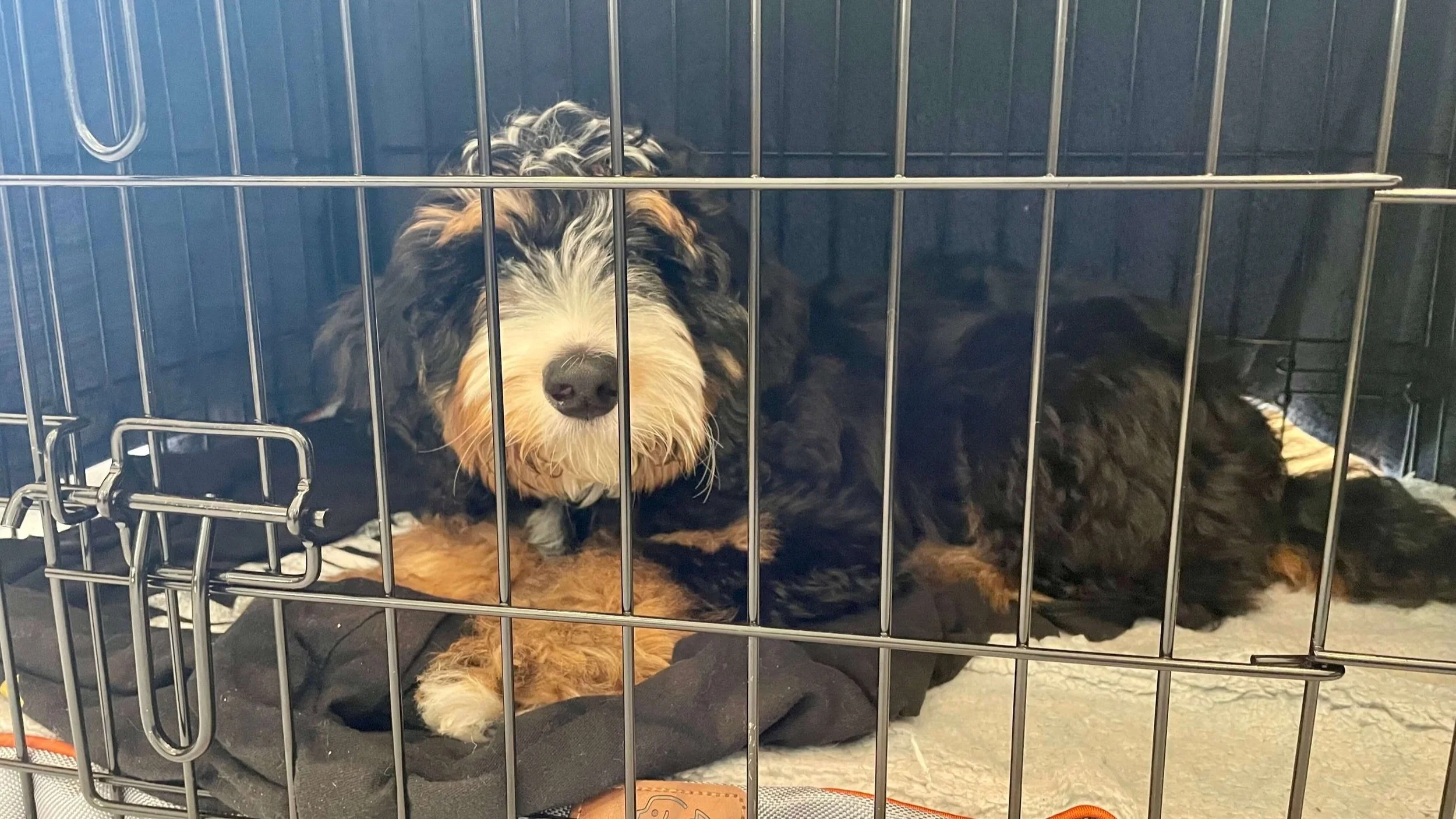
Select a crate that fits your dog’s size. It should be large enough to stand, turn, and lie down comfortably. Avoid crates that are too big; dogs may feel insecure in too much space. Materials like plastic or wire offer different benefits. Plastic crates give a den-like feel. Wire crates provide more airflow and visibility.
Adding Cozy Bedding
Place soft bedding inside the crate. Use blankets, dog beds, or cushions to add warmth. Bedding makes the crate feel like a safe nest. Wash the bedding regularly to keep it fresh. Avoid materials that cause allergies or discomfort. Comfortable bedding helps your dog relax and sleep well.
Using Familiar Scents
Familiar smells create comfort for your dog. Add an item with your scent, like a worn T-shirt, inside the crate. Use toys or blankets your dog already knows. These scents reduce anxiety and make the crate feel like home. Avoid strong smells that might irritate your dog.
Establishing A Nighttime Routine
Creating a calm and predictable nighttime routine helps reduce your dog's barking in the crate. Dogs feel safer and more relaxed with regular patterns. Establishing a routine signals bedtime and encourages quiet behavior. Consistency builds comfort and eases anxiety.
Exercise Before Bedtime
Exercise helps your dog burn off energy before sleep. A short walk or play session works well. Tired dogs settle down faster and bark less. Avoid intense exercise right before crate time. Gentle activities calm the mind without causing excitement.
Consistent Feeding Schedule
Feed your dog at the same times each day. A regular feeding schedule supports digestion and comfort. Avoid feeding too close to bedtime to prevent discomfort. A calm stomach reduces restlessness and barking in the crate.
Calm Pre-sleep Activities
Include quiet, soothing activities before crate time. Gentle petting or soft music helps your dog relax. Avoid loud noises or exciting games. A calm environment prepares your dog for sleep. This peaceful time lowers stress and barking at night.
Training Techniques To Reduce Barking
Training your dog to stop barking in the crate at night takes patience and clear techniques. Consistent training helps your dog feel safe and calm. Using positive and gradual methods builds trust and reduces anxiety. Teaching your dog to respond to quiet commands also encourages better behavior. These training techniques create a peaceful bedtime routine for both you and your dog.
Positive Reinforcement
Reward your dog with treats or praise when they stay quiet in the crate. This shows your dog that calm behavior brings good things. Use a calm voice and gentle petting to encourage silence. Avoid yelling or punishing, as this can increase stress and barking. Keep rewards immediate so your dog connects silence with positive outcomes.
Gradual Crate Conditioning
Introduce the crate slowly and make it a pleasant place. Start with short crate sessions while your dog is awake and calm. Increase time in the crate little by little each day. Offer toys or chew items to keep your dog relaxed. Avoid forcing your dog into the crate. Let them enter on their own to build comfort and trust.
Teaching Quiet Commands
Train your dog to understand a command like “quiet” or “enough.” Wait for your dog to stop barking, then say the command clearly. Immediately reward your dog with a treat or praise when they listen. Practice this often during the day and at night. Consistency helps your dog learn to control barking on command.
Managing Separation Anxiety
Separation anxiety is a common cause of night-time barking in crates. Dogs with this issue often feel scared or lonely when left alone, leading to vocal distress. Understanding how to manage separation anxiety can help you create a calm environment for your dog and reduce barking effectively.
Desensitization Methods
Desensitization means gradually getting your dog used to being alone without stress. Start by leaving your dog in the crate for very short periods while you stay nearby. Slowly increase the time and distance, so your dog learns that being alone is safe.
Try to keep your departures and arrivals low-key to avoid triggering anxiety. You might notice your dog barking less as they get more comfortable with alone time. Patience is key—this process can take days or weeks depending on your dog’s temperament.
Using Calming Aids
Calming aids can support your dog during anxious moments in the crate. Items like pheromone diffusers, calming collars, or specially formulated supplements might help soothe your pet. These aids create a more relaxed atmosphere and reduce stress-related barking.
Try playing soft music or white noise to mask outside sounds that may trigger barking. A favorite chew toy or blanket with your scent can also provide comfort. Always check with your vet before introducing supplements to ensure they are safe and appropriate.
Professional Help Options
If your dog's barking and anxiety persist, professional help could be necessary. A certified dog trainer or animal behaviorist can assess your situation and tailor a plan specific to your dog's needs. They often use techniques that you might not be able to apply effectively on your own.
Veterinarians can also recommend medications if anxiety is severe. Don’t hesitate to ask for expert advice—your dog's well-being and your peace of mind are worth it. What steps have you tried so far, and could professional support be the missing piece?
Addressing Physical Needs At Night
Addressing your dog's physical needs during the night helps reduce barking in the crate. A tired and comfortable dog is less likely to bark out of discomfort or restlessness. Meeting basic needs like bathroom breaks, hydration, and health checks creates a calm environment for your pet to sleep.
Bathroom Breaks
Take your dog out for a bathroom break before bedtime. A full bladder can cause discomfort and barking. Schedule a quick trip outside late in the evening. This reduces the chance your dog will need to go during the night.
For puppies or older dogs, a middle-of-the-night break may be necessary. Watch your dog’s signals to know when they need to go. Consistent bathroom routines help your dog feel secure and reduce nighttime noise.
Hydration Management
Provide water during the day but limit it before bedtime. Drinking too much water late at night can make your dog restless. Set a cutoff time for water, usually two hours before sleep.
Ensure your dog stays hydrated throughout the day to avoid thirst at night. Avoid withholding water too long, which can cause discomfort. Balanced hydration helps your dog sleep soundly and bark less.
Health Checkups
Regular health checkups catch issues that may cause nighttime barking. Pain, illness, or discomfort can make your dog restless. Visit the vet for routine exams and discuss any changes in behavior.
Watch for signs like limping or excessive scratching. These may indicate problems that disrupt sleep. Healthy dogs are calmer and less likely to bark in their crate at night.
Avoiding Common Mistakes
Stopping your dog from barking in the crate at night needs patience and smart work. Many dog owners make simple mistakes that slow down progress or make problems worse. Avoid these common errors to help your dog feel calm and safe in the crate.
Ignoring Barking
Ignoring barking does not stop the noise. Dogs bark to get attention or express needs. If you ignore barking, your dog may feel scared or lonely. Respond calmly to understand what your dog wants. This builds trust and reduces barking.
Punishing The Dog
Punishing a dog for barking can cause fear and anxiety. Harsh words or actions make the crate a scary place. Instead, use gentle encouragement and rewards for quiet behavior. Positive feelings make your dog more comfortable at night.
Inconsistent Training
Training must be regular and consistent. Changing rules or routines confuses your dog. Set a clear schedule for crate time and stick to it. Consistency helps your dog learn faster and feel secure.

Credit: www.dogsavvylosangeles.com
Additional Tools And Products
Stopping your dog from barking in the crate at night can be challenging. Using extra tools and products can help calm your pet. These items provide comfort, distraction, or gentle correction. They support training and make crate time peaceful.
White Noise Machines
White noise machines create a steady, soothing sound. This sound masks noises that might trigger barking. They help dogs relax and fall asleep faster. Many machines have adjustable volume and sound options. Choose a machine with soft, natural sounds like rain or wind.
Interactive Toys
Interactive toys keep dogs busy and reduce boredom. Toys with treats inside encourage problem-solving. Chew toys can calm anxious dogs. Rotate toys to keep them interesting. These toys make crate time more enjoyable and less lonely.
Anti-bark Devices
Anti-bark devices offer gentle correction when barking starts. Some use sound or vibration to distract the dog. These devices do not harm but help train quiet behavior. Use them along with positive reinforcement for best results. Always follow product instructions carefully.
Credit: www.dogsavvylosangeles.com
Frequently Asked Questions
Why Does My Dog Bark In The Crate At Night?
Dogs bark in crates due to anxiety, boredom, or discomfort. They may also seek attention or feel isolated. Understanding these causes helps in addressing the issue effectively and creating a calm sleeping environment.
How Can I Stop Nighttime Barking In A Dog Crate?
Establish a bedtime routine, provide toys, and ensure comfort. Use positive reinforcement for quiet behavior. Avoid punishment as it increases anxiety, which worsens barking.
Is Crate Training Effective For Reducing Night Barking?
Yes, crate training builds a safe space and routine. It reduces anxiety by providing security, helping dogs feel calm and less likely to bark at night.
What Role Does Exercise Play In Reducing Crate Barking?
Regular exercise tires your dog physically and mentally. A tired dog is less likely to bark from excess energy or boredom during crate time at night.
Conclusion
Solving your dog's barking at night is possible with patience. Consistency is key. Establish a calming bedtime routine. Make the crate a safe, cozy space. Use positive reinforcement to encourage quiet behavior. Avoid punishment, as it may cause stress. Understand your dog's needs and signals.
Sometimes, they just want comfort or a break. Practice makes progress. Gradually, your dog will feel secure and quiet down. Remember, every dog is unique. Tailor your approach to suit your pet. With time and effort, peaceful nights are achievable.
Your bond with your furry friend will grow stronger.