
Are you frustrated with finding little surprises outside your cat's litter box? You're not alone.
Many cat owners face the challenge of their furry friends peeing where they shouldn’t. Not only can this be inconvenient, but it can also be a sign that something is amiss with your beloved pet. But don't worry—understanding why your cat is behaving this way is the first step to solving the problem.
In this guide, you'll discover simple, effective strategies to encourage your cat to return to the litter box. Imagine a home free from unexpected messes and the peace of mind that comes with it. Read on to learn how you can reclaim your clean space and ensure your cat's happiness.

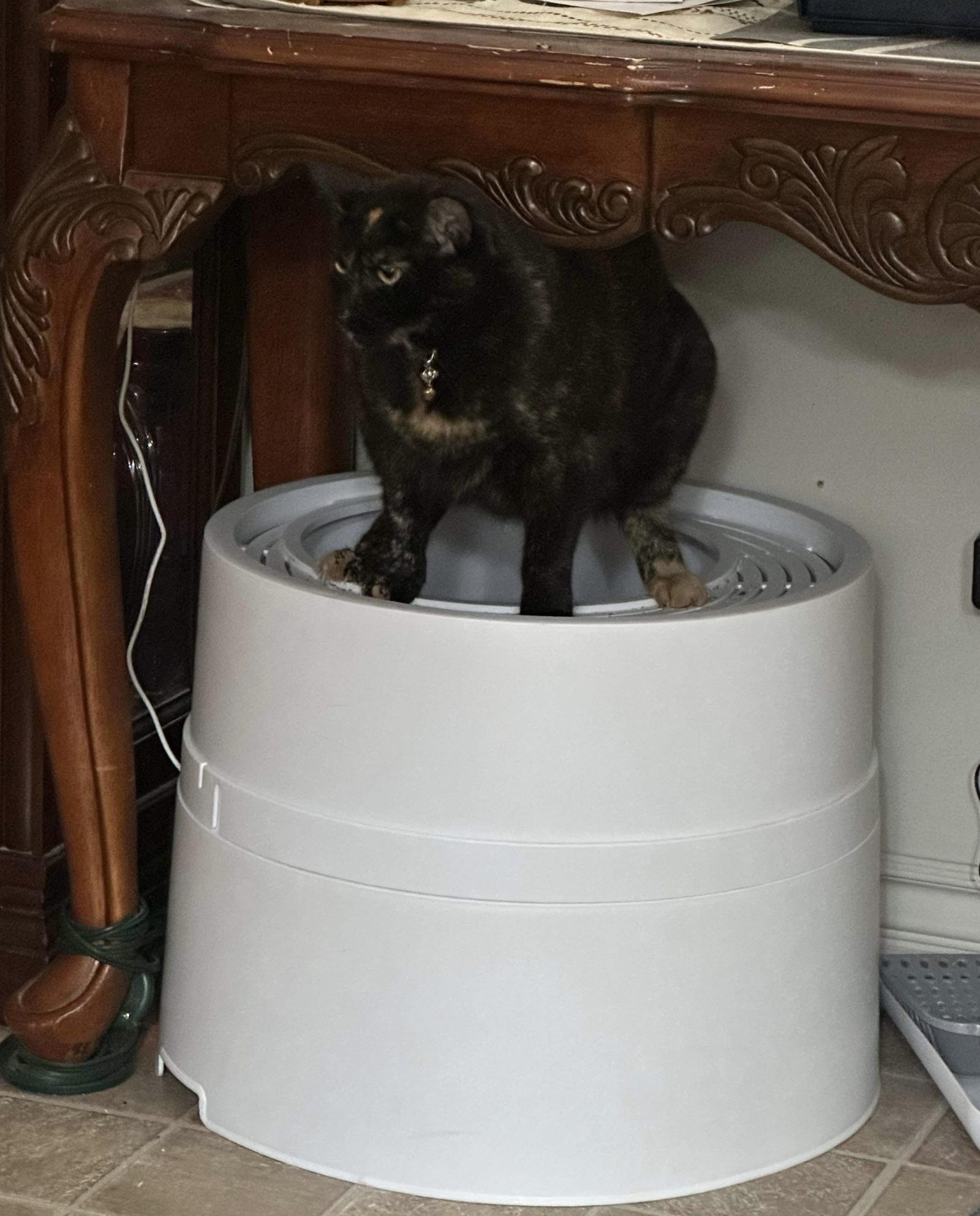
Credit: www.reddit.com
Reasons Cats Pee Outside Litter Box
Cats usually use the litter box without problems. When they stop, it signals an issue. Understanding why cats pee outside the litter box helps solve this behavior. Several common reasons explain this problem. Identifying the cause is key to finding the right fix.
Medical Issues
Health problems can make cats avoid the litter box. Urinary tract infections cause pain during urination. Kidney disease or diabetes also affect bathroom habits. Cats with medical issues feel discomfort. They may associate the litter box with pain. A vet checkup is essential to rule out illness.
Stress And Anxiety
Cats are sensitive to changes around them. Moving to a new home or a new pet can stress them. Loud noises or new people also cause anxiety. Stress changes a cat’s behavior, including litter box use. They may pee outside to show distress. Creating a calm environment helps reduce stress.
Litter Box Problems
Some litter box issues make cats avoid it. A dirty box is one common problem. Cats dislike strong smells or clumps of waste. The wrong litter type or size can bother them. The box’s location matters too. It should be quiet and easy to reach. Providing clean, comfortable litter boxes encourages use.
Territorial Marking
Cats mark their territory by peeing in places. This is common in multi-cat homes. Unneutered male cats often mark to show dominance. Marking is a way to communicate with other animals. It can look like random peeing outside the box. Spaying or neutering helps reduce this behavior.
Choosing The Right Litter Box
Choosing the right litter box plays a key role in stopping your cat from peeing outside. Cats have preferences for size, style, and location. A suitable litter box makes them feel safe and comfortable. This encourages proper litter habits and reduces accidents.
Box Size And Style
Select a litter box that fits your cat’s size well. Small boxes can feel cramped and discourage use. Bigger boxes offer enough room for turning and digging. Open boxes provide easy access but offer less privacy. Covered boxes give privacy but may trap odors. Observe your cat’s behavior to see which style suits them best.
Number Of Boxes Needed
The rule of thumb is one box per cat plus one extra. Multiple boxes prevent competition and stress. This reduces the chance of accidents outside the box. Place boxes in different areas to give your cat options. It also helps if one box gets dirty or blocked.
Placement Tips
Put litter boxes in quiet, low-traffic spots. Avoid noisy or busy areas that scare your cat. Keep boxes away from their food and water dishes. Good ventilation helps reduce smells. Check that the spot is easy for your cat to reach. This encourages consistent use of the litter box.
Selecting Suitable Litter
Choosing the right litter can make a big difference in stopping your cat from peeing outside the litter box. Cats are picky creatures, and the texture, smell, and depth of the litter can either invite or repel them. Paying attention to these details can help you create a comfortable and appealing spot that your cat will prefer over your floor or furniture.
Types Of Cat Litter
There are many types of cat litter available, each with unique features. Clay-based litter is popular for its excellent clumping ability, making cleaning easier. However, some cats dislike the dusty texture.
Natural litters made from materials like corn, wheat, or pine are softer and less dusty, which some cats prefer. If your cat has allergies or respiratory issues, these might be a better option. Experimenting with different types can reveal your cat’s favorite.
Scented Vs Unscented
Scented litters often claim to mask odors, but they can irritate your cat’s sensitive nose. Many cats avoid scented litter simply because it smells too strong. Choosing an unscented litter lets your cat feel more comfortable and less stressed.
Think about your cat’s reaction to strong smells at home. Does your cat shy away from air fresheners or perfumes? If yes, unscented litter is likely the safer choice to encourage consistent use.
Litter Depth
Litter depth is more important than many realize. Most cats prefer about 2 to 3 inches of litter to dig and cover their waste. Too little litter can make your cat feel exposed, while too much can be overwhelming or messy.
Have you noticed your cat scratching excessively outside the box? It might be trying to compensate for insufficient litter depth. Adjust the amount and watch your cat’s behavior closely to find the sweet spot.
Cleaning And Maintenance
Keeping your cat’s litter box clean is crucial to prevent unwanted accidents outside the box. Cats are very sensitive to cleanliness and odors, and a poorly maintained litter area can push them to pee elsewhere. Let’s look at practical ways to maintain your cat’s litter box so it stays inviting and odor-free.
Daily Cleaning Routine
Start by scooping out waste at least once a day. This simple habit keeps the box fresh and shows your cat that their space is cared for.
Replace any soiled litter with fresh litter to maintain the right texture and smell. Don’t forget to check the corners and edges where waste can accumulate unnoticed.
Dealing With Odors
Odors can be a major turn-off for cats. Use baking soda sprinkled lightly under the litter to neutralize smells without irritating your cat.
Try to keep the litter box in a well-ventilated area to reduce lingering smells. Have you noticed how a closed, stuffy space can make odors worse?
Consider litter that is specifically designed to control odor if your cat tolerates it well.
Deep Cleaning Techniques
Every week, empty the entire litter box and wash it with warm water and mild soap. Avoid harsh chemicals that can leave residues or strong smells.
Rinse thoroughly and dry completely before adding new litter. This prevents bacteria buildup and keeps the box hygienic.
If plastic boxes develop scratches, replace them, as these rough surfaces can trap odors and bacteria.
Behavioral Training Techniques
Behavioral training plays a crucial role in helping your cat stop peeing outside the litter box. Cats respond well to clear signals and consistent routines. By using the right training techniques, you can guide your cat back to good bathroom habits and reduce stress for both of you.
Positive Reinforcement
Reward your cat every time it uses the litter box correctly. This could be with a small treat, gentle petting, or enthusiastic praise. Your cat will start associating the litter box with positive experiences.
Consistency is key—make sure to praise immediately after the desired behavior. If your cat seems hesitant, try placing treats inside the box to encourage exploration. Have you noticed how your cat perks up when you offer a favorite snack? Use that to your advantage.
Deterring Unwanted Spots
Identify the spots your cat prefers outside the litter box and make them less appealing. You can use safe deterrents like citrus scents, double-sided tape, or aluminum foil. These textures and smells usually discourage cats from returning.
Sometimes, simply cleaning the area thoroughly with an enzyme cleaner can remove lingering odors that attract your cat. Ask yourself: what might be drawing your cat to that particular spot? Addressing those reasons can prevent repeat incidents.
Creating A Safe Environment
Your cat needs to feel safe and comfortable using the litter box. Place boxes in quiet, low-traffic areas where your cat won’t be startled. Avoid locations near loud appliances or busy hallways.
Offer multiple litter boxes if you have a large home or multiple cats. This reduces competition and territorial behavior. Have you observed your cat’s favorite hiding or resting spots? Positioning a litter box nearby can encourage use.
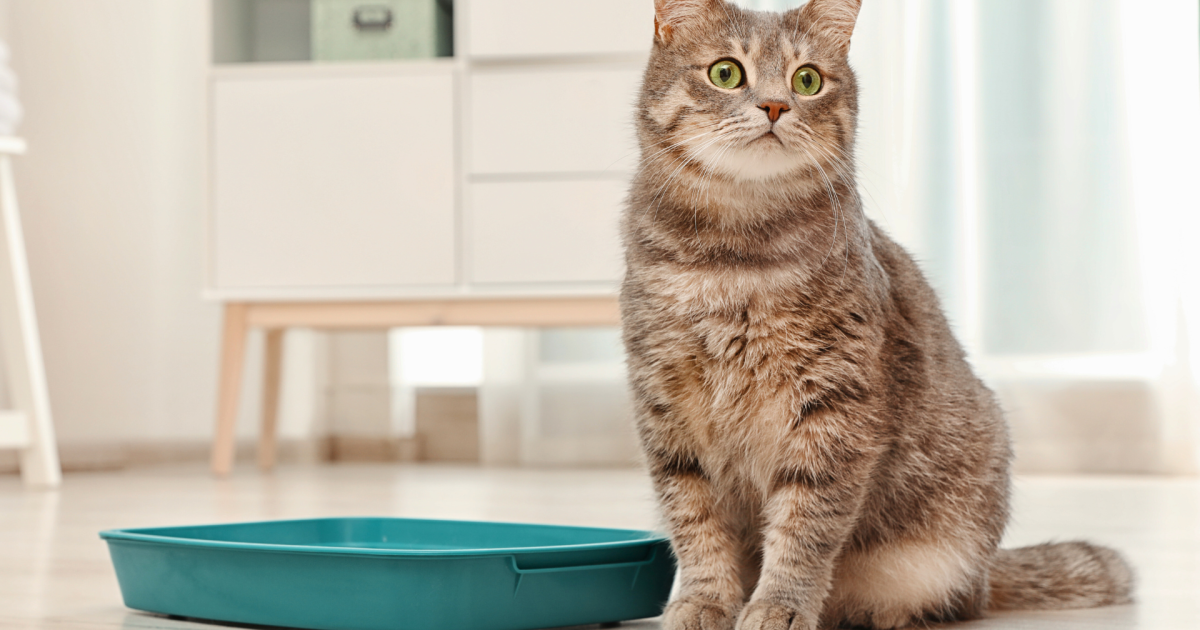
Credit: pethelpful.com
Managing Stress And Anxiety
Stress and anxiety can make your cat avoid the litter box. Just like people, cats feel overwhelmed by changes or discomfort in their surroundings. Managing these emotions is key to helping your cat feel safe and stop peeing outside their litter box.
Environmental Enrichment
Adding toys, scratching posts, and climbing trees keeps your cat busy and happy. A bored cat is more likely to act out, including using the wrong bathroom spot. Think about your cat’s daily life—do they have enough stimulation?
Try rotating toys to keep things fresh. Window perches can offer hours of entertainment by watching birds or outside activity. Small changes can reduce stress and improve your cat’s mood.
Use Of Calming Products
Calming products like pheromone diffusers or sprays can create a sense of security. These products release scents that mimic natural cat pheromones, helping your cat relax. Have you noticed your cat calms down with familiar smells?
Other options include herbal supplements or calming collars. Always check with your vet before introducing new products. These tools can be powerful allies against anxiety-driven behavior.
Routine And Consistency
Cats thrive on routine. Feeding, playtime, and litter box cleaning at consistent times can reduce anxiety. Does your cat know what to expect every day?
Keep changes slow and gradual. Sudden moves or new family members can cause stress that leads to inappropriate peeing. Stability in your cat’s daily life encourages proper litter box use.
When To See A Veterinarian
Knowing when to see a veterinarian is key if your cat starts peeing outside the litter box. This behavior might signal health issues or stress that you can’t solve alone. Acting quickly can save your cat discomfort and prevent the problem from getting worse.
Signs Of Health Problems
Watch closely for any changes in your cat’s bathroom habits. Blood in the urine, frequent attempts to urinate with little success, or sudden accidents can all point to medical issues like urinary tract infections or bladder stones.
If your cat seems to be in pain while urinating or is excessively licking its genital area, don’t ignore these signs. These symptoms need a vet’s evaluation to rule out infections, kidney problems, or other conditions that require treatment.
Have you noticed your cat drinking more water than usual? Increased thirst combined with litter box avoidance can suggest diabetes or kidney disease, both needing prompt veterinary care.
Behavioral Consultations
Sometimes, your cat’s refusal to use the litter box isn’t medical but behavioral. Stress from changes in the home, new pets, or even the type of litter can trigger accidents.
If your vet clears health issues, ask about a behavioral consultation. Professionals can help identify anxiety triggers and recommend strategies like pheromone diffusers or environmental enrichment.
Don’t hesitate to bring your cat’s litter box habits to the attention of a behaviorist if you feel stuck. They can provide tailored advice that goes beyond general tips, improving your cat’s comfort and your peace of mind.

Credit: www.feliway.co.uk
Frequently Asked Questions
Why Is My Cat Peeing Outside The Litter Box?
Cats may pee outside due to stress, health issues, or dirty litter boxes. Behavioral problems or changes in their environment can also cause this. Identifying the cause helps in finding the right solution quickly and prevents recurring issues.
How Can I Clean Cat Urine Smell Effectively?
Use enzymatic cleaners to break down urine molecules. Avoid ammonia-based products as they can attract cats back. Clean the area thoroughly to remove all traces of odor and prevent repeat marking or accidents.
What Type Of Litter Box Prevents Accidents?
Choose a large, uncovered litter box with low sides for easy access. Use unscented, clumping litter to appeal to your cat's preferences. Keep the box clean by scooping daily and changing litter regularly.
How Often Should I Clean My Cat’s Litter Box?
Clean the litter box daily by scooping waste. Replace all litter and wash the box with mild soap weekly. A clean box encourages cats to use it consistently and reduces the chance of accidents.
Conclusion
Stopping a cat from peeing outside the litter box needs patience and care. Keep the litter box clean and in a quiet place. Watch for any signs of illness and visit the vet if needed. Use gentle training and reward good behavior.
Remember, sudden changes can confuse your cat. Small steps lead to big improvements. Soon, your home will stay fresh and your cat happy. Care and attention make all the difference.