Are you tired of finding unwanted surprises outside your cat's litter box? You're not alone.
Many cat owners face this frustrating issue, and it can feel overwhelming. But don't worry—there's hope! Understanding why your feline friend might be avoiding the litter box is the first step to solving the problem. We'll explore simple and effective strategies to keep your cat from defecating outside the litter box.
Imagine a cleaner home and a happier cat. Read on to discover the secrets to restoring peace in your household and strengthening your bond with your furry companion.

Credit: smart.dhgate.com
Reasons Cats Avoid Litter Box
Understanding why your cat avoids the litter box is the first step to fixing the problem. Cats don't just randomly choose to go elsewhere; there are clear reasons behind this behavior. Pinpointing these reasons helps you address the issue effectively and keeps your home clean and stress-free.
Medical Issues
Health problems often cause cats to avoid their litter box. Urinary tract infections, kidney disease, or arthritis can make using the box painful or difficult. If your cat suddenly stops using the litter box, a vet visit is essential to rule out medical causes.
Litter Box Cleanliness
Cats are clean creatures and dislike dirty litter boxes. If the box smells or has not been scooped regularly, your cat will look for cleaner spots. Are you scooping daily? Even if you think the box is clean, your cat might disagree.
Stress And Anxiety
Changes in the household can stress your cat, leading to litter box avoidance. New pets, loud noises, or even rearranged furniture can cause anxiety. Have you noticed any changes around your home that might upset your cat?
Litter Type Preferences
Not all cats like the same kind of litter. Some prefer fine, clumping litter, while others dislike scented or dusty varieties. Experimenting with different litters can help you find the one your cat prefers.
Location Problems
The litter box location plays a crucial role in your cat’s willingness to use it. Boxes placed near noisy appliances or in high-traffic areas can deter use. Is your cat’s litter box in a quiet, accessible spot?

Credit: www.petmd.com
Choosing The Right Litter Box
Choosing the right litter box plays a crucial role in stopping your cat from defecating outside it. Cats are particular about their bathroom habits, and a poorly chosen box can discourage them from using it. Understanding what makes a litter box comfortable and accessible can save you from many cleaning headaches.
Size And Accessibility
Your cat needs enough room to turn around comfortably inside the litter box. A cramped box can make your cat feel trapped or uneasy, leading to avoidance. Aim for a box at least 1.5 times the length of your cat from nose to tail.
Accessibility matters, especially for kittens, elderly cats, or those with mobility issues. Low-entry boxes help older cats step in easily, while deeper sides prevent litter scatter but may be hard to enter. Have you noticed your cat struggling to get into its box? Adjusting the height could make a big difference.
Covered Vs. Uncovered Boxes
Some cats prefer privacy, while others dislike feeling trapped. Covered boxes offer privacy and help contain odors, but can make some cats feel confined. Uncovered boxes provide open space and better ventilation but might spread odors more easily.
Watch your cat’s behavior around the box. If it hesitates or avoids the covered box, try switching to an uncovered one. Remember, your cat’s comfort is more important than aesthetics.
Number Of Boxes Needed
The general rule is to have one more litter box than the number of cats in your home. This prevents territorial disputes and ensures each cat has access when needed. If you have two cats, provide at least three litter boxes in different locations.
Placing boxes in quiet, low-traffic areas encourages use. Multiple boxes give your cat choices and reduce stress, which can be a major factor in inappropriate elimination. Have you placed enough boxes around your home to suit your cat’s needs?
Selecting Suitable Litter
Choosing the right litter is key to keeping your cat using the litter box. Cats can be picky about the litter’s feel and smell. The wrong type can cause them to avoid the box. Picking litter that suits your cat’s preferences helps stop unwanted accidents. Consider the texture, scent, and clumping ability of the litter for the best results.
Texture And Material
Cats like litter that feels soft on their paws. Fine-grained litter is usually more comfortable. Some cats prefer natural materials like clay, corn, or wood. Rough or hard litter may scare your cat away. Try a few types to see which texture your cat likes best.
Scented Vs. Unscented
Scented litter masks odors but can irritate some cats. Unscented litter is more natural and less likely to cause allergies. Many cats prefer unscented litter because it smells less strong. If your cat avoids the box, try switching to unscented litter first.
Clumping Vs. Non-clumping
Clumping litter forms solid clumps when wet. It is easier to clean and keeps the box fresh. Non-clumping litter absorbs moisture but does not form clumps. Some cats prefer one type over the other. Clumping litter is usually better for odor control and quick cleaning.
Maintaining Litter Box Hygiene
Keeping your cat’s litter box clean is key to stopping accidents outside it. Cats prefer a tidy spot for their bathroom needs. Dirty litter boxes can make them seek other places. Maintaining good hygiene helps your cat feel comfortable and safe.
Regular cleaning also controls odors and bacteria. It makes the litter box inviting. A clean box encourages your cat to use it every time. Ignoring this can lead to stress and bad habits.
Cleaning Frequency
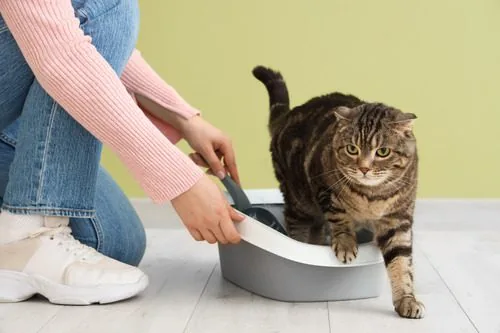
Clean the litter box daily by scooping out waste. This keeps the box fresh and odor-free. Replace all litter and wash the box completely once a week. Frequent cleaning prevents buildup and keeps your cat happy.
Proper Waste Disposal
Dispose of waste in a sealed bag or dedicated container. This stops smells from spreading in your home. Avoid flushing cat waste, as it can harm plumbing and the environment. Secure disposal keeps your space clean and safe.
Deep Cleaning Methods
Use mild soap and warm water to wash the litter box. Avoid strong chemicals that can repel your cat. Scrub corners and edges to remove odors and residue. Dry the box fully before adding fresh litter. Deep cleaning once a week keeps the box inviting and hygienic.
Addressing Behavioral Causes
Addressing behavioral causes is essential when your cat starts defecating outside the litter box. Cats often communicate discomfort or anxiety through their bathroom habits. Understanding what triggers these behaviors can help you create a more comfortable environment and encourage proper litter box use.
Reducing Stress Triggers
Stress can cause your cat to avoid the litter box. Changes in routine, loud noises, or new pets can make your cat anxious. Watch for sudden behavior shifts and try to keep your cat’s environment calm and predictable.
Consider if recent changes at home might be affecting your cat. Have you introduced new furniture or visitors? Sometimes, even small disruptions can upset your cat’s comfort zone.
Providing Safe Spaces
Your cat needs places to feel secure and relaxed. Creating quiet, cozy spots can reduce anxiety and encourage good litter box habits. Use soft bedding and low-traffic areas where your cat can retreat.
Safe spaces aren’t just about hiding; they help your cat feel in control of their environment. Have you noticed if your cat avoids certain rooms or corners? Adding a dedicated safe area near the litter box can make a big difference.
Positive Reinforcement Techniques
Reward your cat for using the litter box to build good habits. Treats, gentle praise, or playtime right after litter box use can motivate your cat. Consistency is key—reward every time your cat goes in the right place.
Try to catch your cat in the act and offer a reward immediately. This links the behavior with something positive. Have you ever used treats or toys to encourage your cat before? Applying the same idea here can be very effective.
Dealing With Marking And Territorial Issues
Dealing with marking and territorial issues is a key part of stopping your cat from defecating outside the litter box. Cats use scent marking to establish their territory, especially in stressful situations or multi-cat households. Understanding this behavior helps you address the root cause rather than just the symptoms.
Identifying Marking Behavior
Marking usually involves spraying urine, but some cats also defecate outside the litter box to claim space. Notice if your cat targets specific spots repeatedly, such as near doors or furniture. This behavior often increases during changes in the home, like new pets or visitors.
Is your cat leaving small amounts of feces in multiple places? That might indicate marking rather than a litter box issue. Watching when and where your cat marks can reveal triggers you can manage.
Using Deterrents Effectively
Deterrents can help redirect your cat’s marking behavior. Try placing aluminum foil, double-sided tape, or motion-activated air sprays near the marked spots. Cats dislike these textures and sudden noises.
Applying synthetic pheromone diffusers can also calm your cat and reduce marking urges. Use them consistently in problem areas to signal a safe, secure space. Have you tested different deterrents to see what your cat reacts to best?
Managing Multi-cat Households
Territorial disputes are common in homes with more than one cat. Each cat needs its own litter box, ideally one more than the number of cats you have. Place boxes in quiet, separate locations to avoid competition.
Feeding stations and resting spots should also be spread out to reduce conflict. Observe your cats’ interactions closely—are there signs of stress or aggression? Addressing these tensions often reduces marking and off-litter-box defecation.
When To Consult A Veterinarian
Knowing when to consult a veterinarian is key if your cat defecates outside the litter box. This behavior may signal a health issue or need for professional help. Early veterinary advice can prevent bigger problems. Understanding signs and treatment options helps you act quickly.
Recognizing Health Symptoms
Watch for changes in your cat’s bathroom habits. Straining, blood in stool, or frequent urination need attention. A sudden stop in litter box use may mean pain or illness. Lethargy and loss of appetite often accompany health problems. Note any unusual behavior and share it with the vet.
Specialized Treatments
A vet can diagnose infections, parasites, or digestive problems. Treatment might include medications or special diets. Some cats need antibiotics or anti-inflammatory drugs. Your vet may suggest tests like blood work or X-rays. Early treatment improves your cat’s comfort and health.
Behavioral Therapy Options
Behavioral issues can cause litter box avoidance. Vets may recommend behavioral therapy for stress or anxiety. This therapy includes environmental changes and positive reinforcement. Sometimes, mild medication helps reduce anxiety. Professional guidance supports lasting behavior improvements.
Tips For Training And Encouragement
Training a cat to use the litter box requires gentle guidance and positive encouragement. Understanding your cat’s behavior helps create a comfortable environment. Use simple techniques that build trust and make the litter box appealing. Small steps can lead to big improvements in your cat’s habits.
Litter Box Introduction
Place the litter box in a quiet, easy-to-reach spot. Avoid noisy or busy areas that may scare your cat. Show your cat the box and gently place them inside. Let your cat explore the box at their own pace. Keep the box clean by scooping daily and changing litter regularly.
Reward Systems
Offer treats or gentle praise when your cat uses the litter box. Use soft words or petting to show approval. Rewards encourage your cat to repeat good behavior. Avoid punishment as it can cause fear and confusion. Consistent rewards help your cat feel safe and motivated.
Patience And Consistency
Expect some accidents during training; patience is key. Clean any messes quickly with odor removers to prevent repeat marking. Keep the litter box routine steady every day. Consistent habits help your cat understand what you want. Stay calm and supportive throughout the process.

Credit: vetic.in
Frequently Asked Questions
Why Is My Cat Defecating Outside The Litter Box?
Cats may avoid the litter box due to stress, illness, or dirty conditions. Identifying the cause helps resolve the issue quickly and effectively.
How Can I Clean Areas Where My Cat Pooped?
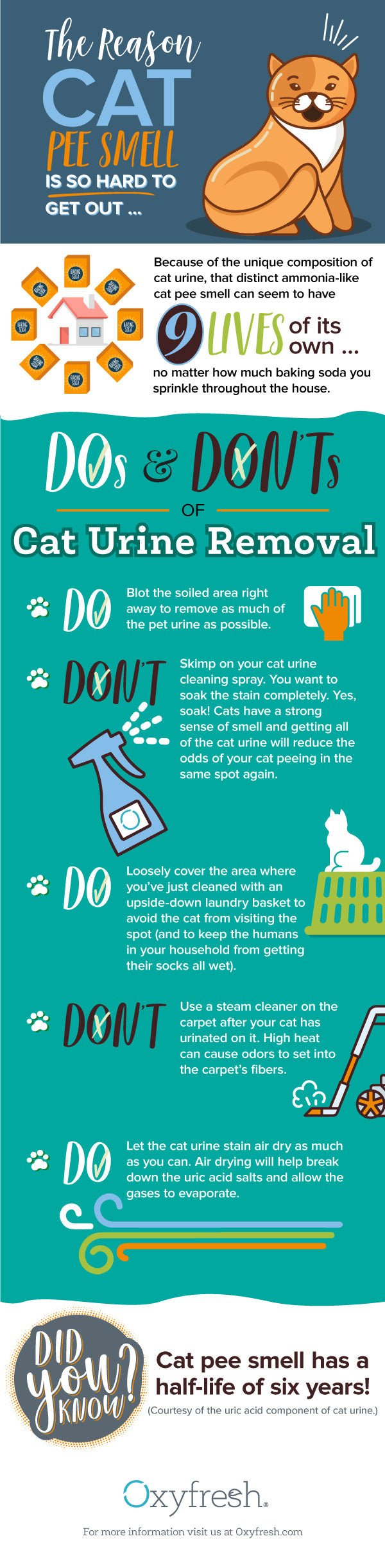
Use enzymatic cleaners to remove odor completely. This prevents cats from returning to the same spot and encourages litter box use.
What Type Of Litter Box Is Best For Cats?
Choose a litter box that is large, clean, and easily accessible. Covered boxes may deter some cats, so observe your cat’s preference.
How Often Should I Clean My Cat’s Litter Box?
Clean the litter box daily and change the litter weekly. Regular cleaning encourages cats to consistently use the box and reduces accidents.
Conclusion
Stopping your cat from defecating outside the litter box takes patience. Watch your cat’s habits and clean the box often. Make sure the box is in a quiet, easy-to-reach spot. Try different types of litter to find what your cat likes.
Check with a vet if problems continue. Small changes can make a big difference. Your cat will feel more comfortable, and your home will stay clean. Keep trying, and soon you will see better behavior.