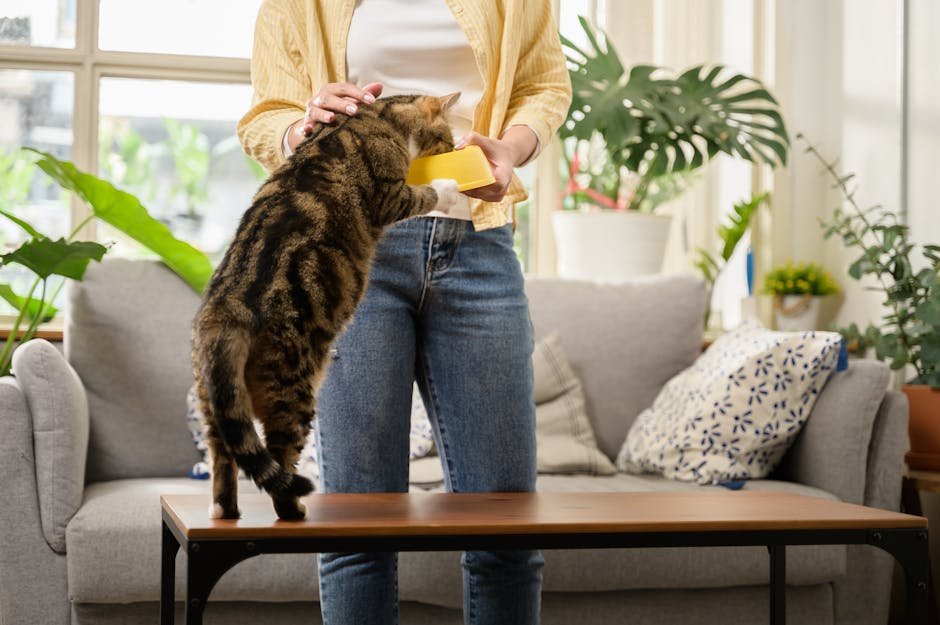
Is your cat constantly begging for food every time you sit down to eat? It can be frustrating when your furry friend won’t stop pawing at you or meowing for a bite.
You want to keep your cat happy and healthy, but giving in to those cute pleas might be doing more harm than good. What if you could teach your cat to stop this behavior without feeling guilty or stressed? Keep reading, because we’re about to share simple, effective ways to help you regain control at mealtime and enjoy peaceful moments with your pet—no more begging included.

Credit: www.petscare.com
Why Cats Beg For Food
Cats begging for food can be puzzling and sometimes frustrating. Understanding why cats beg helps control this behavior effectively. Cats do not beg without a reason. Their actions often stem from natural instincts or learned habits. Knowing the root cause helps you respond better to your cat’s needs.
Hunger Vs Habit
Sometimes cats beg because they are truly hungry. Their bodies signal a need for food. But often, begging becomes a habit. Cats learn that begging gets them treats or attention. The habit can continue even if they are not hungry. Distinguishing real hunger from habit is key to managing begging.
Attention Seeking
Cats crave attention from their owners. Begging can be a way to get noticed. They may feel lonely or bored. Begging becomes a tool to engage with you. If you respond by giving food or petting, the behavior repeats. Cats enjoy the interaction more than the food sometimes.
Learned Behavior
Cats quickly learn what works to get rewards. If begging leads to treats, they will repeat it. This learned behavior is strong and hard to break. Consistency in not rewarding begging helps reduce it. Training your cat to wait calmly for food changes habits over time.
Set A Feeding Schedule
Setting a feeding schedule is key to stopping your cat from begging for food. Cats thrive on routine, and clear meal times help them understand when to expect food. This reduces their anxiety and constant begging around your dining area.
Consistent Meal Times
Choose specific times each day to feed your cat, and stick to them. Cats quickly learn patterns, so feeding at the same time every day helps regulate their hunger signals. If you feed them at random times, they’ll keep asking just in case food is available.
For example, if you feed your cat at 7 AM and 7 PM daily, they will wait patiently for those times. Have you noticed how your cat’s behavior changes when you miss their usual feeding time? That’s a clear sign they rely on consistency.
Portion Control
Feeding your cat the right amount of food is just as important as timing. Overfeeding encourages begging because your cat learns that more food might come if they keep asking. Use a measuring cup to serve exact portions based on your cat’s weight and activity level.
Try splitting your cat’s daily food allowance into several small meals instead of one large one. This keeps them satisfied longer and reduces the urge to beg between meals. Are you measuring your cat’s food or just guessing? Precise portions make a big difference.
Avoid Feeding From The Table
Feeding your cat from the table can create bad habits that are hard to break. Cats learn quickly that begging at the table brings tasty rewards. This encourages them to keep asking for food during meals. Stopping table feeding helps reduce begging and promotes better behavior.
Impact On Behavior
Giving food from the table makes cats expect treats anytime you eat. They may start meowing, pawing, or jumping on furniture near the table. This behavior can become annoying and stressful during family meals. It also teaches cats to ignore their regular food bowl. Over time, begging can increase and become harder to control.
Alternatives To Table Feeding
Offer your cat food at set times in their bowl. Keep meals consistent and avoid giving snacks between meals. Use puzzle feeders or toys that release food slowly. This keeps cats busy and less focused on your food. Praise your cat when they stay calm during your meals. Providing special treats at other times can help satisfy their craving safely.
Use Distraction Techniques
Using distraction techniques helps redirect your cat’s attention away from begging. It keeps your cat busy and mentally active. This reduces the chances of them asking for food constantly.
Interactive Toys
Interactive toys engage your cat’s mind and body. Toys like laser pointers, puzzle feeders, and feather wands work well. They stimulate natural hunting instincts and keep your cat occupied.
Try rotating toys to keep interest high. A tired cat is less likely to beg for food.
Playtime Before Meals
Play with your cat before feeding time. This exercise helps burn off energy and creates a calm state. A relaxed cat will wait patiently for their meal.
Spend 10 to 15 minutes of active play. Use toys that encourage jumping, chasing, and pouncing.
Train With Positive Reinforcement
Training your cat with positive reinforcement can change how they behave around meal times. Cats respond well to rewards and clear signals about what you want from them. Instead of scolding, focus on encouraging the behaviors you want to see more often.
Reward Good Behavior
Catch your cat being good. When your cat sits quietly or stays away from the dining table during your meal, give them a small treat or gentle petting immediately.
This helps your cat connect calm behavior with positive outcomes. You can also use clicker training to mark the exact moment your cat behaves well, which speeds up learning.
Try to offer rewards consistently but not every single time, so your cat stays motivated. Do you notice your cat paying more attention to your actions or the treats?
Ignore Begging
Ignoring begging is tough but essential. When your cat meows or paws at you during mealtime, avoid eye contact and do not give any food.
Giving in even once can teach your cat that begging works. It takes patience, but your cat will learn that begging doesn't bring rewards.
Distract your cat with a toy or a comfortable spot away from the table. Have you tried shifting your cat’s focus during mealtime instead of responding to their demands?
Provide Enrichment And Exercise
Providing enrichment and exercise is essential to reduce your cat’s constant begging for food. Cats often seek attention or food out of boredom or excess energy. Filling their time with engaging activities and physical movement keeps their minds and bodies satisfied, making them less likely to pester you during mealtime.
Mental Stimulation
Keeping your cat’s brain busy can significantly cut down on begging behavior. Puzzle feeders are a great tool—they make your cat work for treats or kibble, turning eating into a fun challenge. You can also hide small amounts of food around the house, encouraging your cat to hunt and explore.
Try rotating toys regularly to keep your cat interested. Even a simple cardboard box can become a new adventure spot. Have you noticed how quickly your cat loses interest in a toy? Changing things up might keep their curiosity alive and reduce their food demands.
Physical Activity
Exercise helps burn off extra energy that might otherwise be channeled into begging. Daily play sessions with wand toys or laser pointers can tire your cat out while strengthening your bond. Aim for at least 10-15 minutes of active play twice a day to keep them feeling content.
Consider creating vertical spaces like cat trees or shelves. Climbing and jumping provide excellent workouts that also satisfy natural instincts. How often do you encourage your cat to move around, instead of letting them lounge all day?
Check For Medical Issues
Sometimes, a cat's begging is a sign of an underlying health issue. Ignoring this can harm your pet. Checking for medical problems is important before changing feeding habits. Observe your cat's behavior for unusual signs. Changes in appetite, weight, or energy can signal health issues.
Hunger Related Health Problems
Certain health problems make cats feel hungry all the time. Diabetes causes increased hunger and thirst. Hyperthyroidism speeds up metabolism, making cats eat more. Parasites in the digestive system may also cause hunger. These conditions need medical attention to stop constant begging.
Consulting A Vet
A vet can diagnose health problems causing your cat’s hunger. They may perform blood tests or physical exams. Early diagnosis helps treat issues quickly. Share any changes you notice about your cat’s eating habits. Following the vet’s advice ensures your cat stays healthy and happy.

Credit: www.reddit.com
Use Feeding Tools
Using feeding tools can help control your cat’s begging behavior. These tools make meal times structured and fun. They slow down eating and keep your cat busy. Both you and your cat benefit from using these aids. Here are some popular feeding tools to consider.
Puzzle Feeders
Puzzle feeders make cats work for their food. These feeders challenge your cat to solve simple puzzles. Your cat moves pieces or rolls the feeder to get food out. This stimulates your cat’s mind and body. It also slows down eating, helping digestion.
Using puzzle feeders can reduce begging by keeping your cat occupied. It creates a game around meal times. Cats feel satisfied after mental and physical effort. This reduces the urge to beg for extra food.
Timed Feeders
Timed feeders release food at set times. You can program these feeders to open only during meal times. This helps your cat learn when to expect food. It stops begging between meals.
Timed feeders keep feeding consistent and controlled. They remove the chance of overfeeding. Your cat gets used to a regular schedule. This reduces anxiety and begging for food.

Credit: companion-vets.com
Frequently Asked Questions
How Can I Stop My Cat From Begging For Food?
Set regular meal times and stick to them. Avoid feeding your cat from the table. Redirect begging behavior with toys or treats. Consistency helps your cat learn proper feeding habits and reduces begging.
Why Does My Cat Beg For Food Constantly?
Cats beg for food due to hunger, habit, or attention-seeking. They may also beg out of boredom or anxiety. Understanding the cause helps address the behavior effectively.
What Are Effective Distractions To Stop Begging?
Use interactive toys, puzzle feeders, or playtime sessions. These distractions keep your cat engaged and reduce food-focused behavior. Mental stimulation helps curb begging and promotes healthy habits.
Is Feeding My Cat More Often A Good Solution?
Feeding small, frequent meals can help reduce begging. However, avoid overfeeding to prevent obesity. Balanced portion control with scheduled feeding times works best.
Conclusion
Stopping your cat from begging requires patience and consistency. Set clear feeding times. Stick to them. Offer distractions like toys or playtime. Ensure your cat feels satisfied after meals. Provide balanced nutrition to avoid constant hunger. Avoid giving in to those pleading eyes.
It only reinforces bad behavior. Remember, change takes time. Be patient and stay committed. Your cat will soon adapt. Enjoy a peaceful mealtime with a content feline friend.