Is your male dog marking inside your house? It can be frustrating and stressful to deal with those unexpected spots on your furniture or carpet.
You want a clean home, and your dog deserves a happy, healthy environment too. Luckily, you can stop this behavior with the right steps. You’ll discover simple, effective ways to help your dog feel secure without marking inside. Keep reading to find out how to take control and enjoy a fresh, worry-free home again.

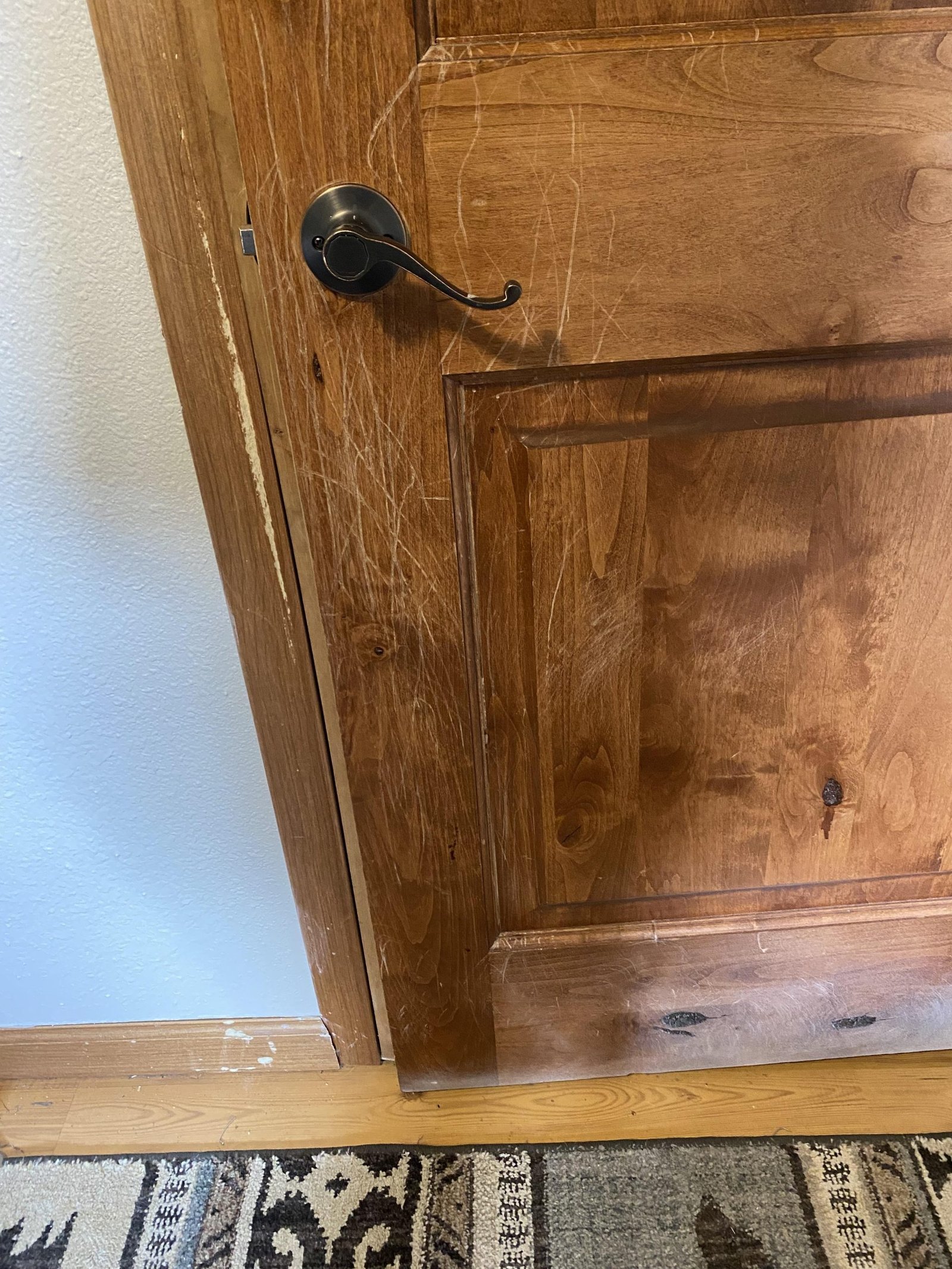
Credit: www.reddit.com
Causes Of Male Dog Marking
Understanding why your male dog marks inside the house is the first step to stopping this behavior. Marking is more than just a habit; it often signals deeper issues. Knowing the causes helps you address the root and not just the symptoms.
Territorial Behavior
Male dogs often mark to claim their territory. When they sense a new smell or intruder, they use urine to signal ownership. This behavior is natural but can become frustrating indoors.
If your dog marks near doors or windows, it’s likely responding to outside stimuli. Have you noticed if your dog marks more when guests visit or new animals are nearby? That reaction shows how territorial instincts play a role.
Stress And Anxiety
Stress can push your dog to mark inside the house as a way to feel secure. Changes like moving, new family members, or loud noises increase anxiety. Marking becomes a coping mechanism to calm themselves.
Think about your dog’s recent environment—has anything changed? Recognizing stressful triggers can help you create a calmer space, reducing the urge to mark.
Medical Issues
Sometimes marking isn’t behavioral but medical. Urinary tract infections or bladder problems can cause your dog to urinate indoors. Ignoring this possibility can make the problem worse.
If your dog suddenly starts marking or seems uncomfortable, a vet visit is crucial. Treating medical issues can stop unwanted marking quickly and improve your dog’s wellbeing.
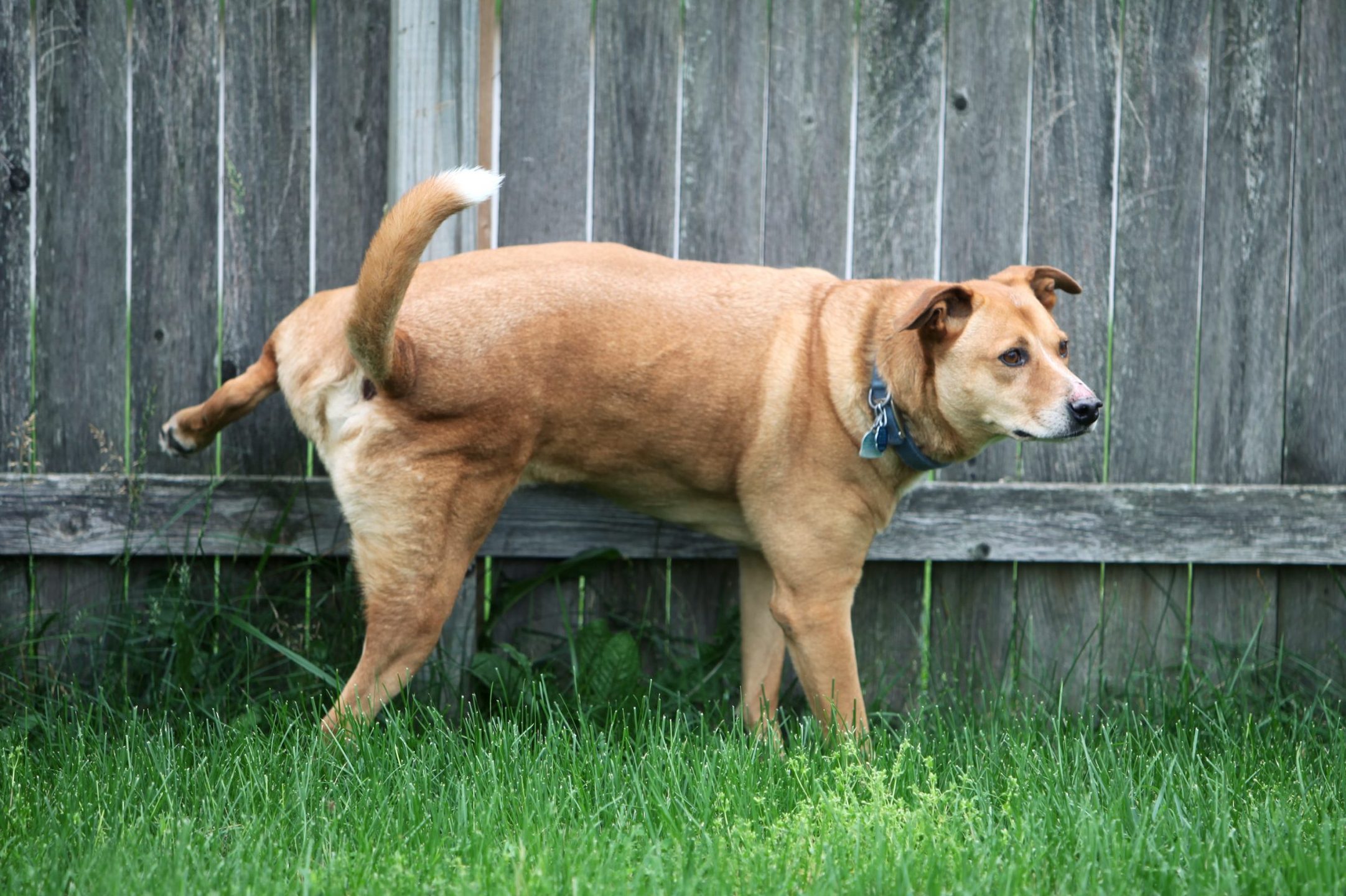
Credit: www.familyhandyman.com
Signs Of Marking In House
Recognizing the signs of marking in your house is the first step to stopping your male dog from this behavior. Marking is not always obvious at first, and missing early clues can make the problem harder to solve. Paying close attention to where and how your dog marks can help you intervene effectively before it becomes a habit.
Common Areas Marked
Dogs tend to mark spots that they consider important or where they sense other animals' scents. These areas often include:
- Corners of rooms– These are favorite spots because they are less disturbed and provide clear territorial signals.
- Near doors and windows– Dogs mark entry points to their territory, signaling to others who might come in.
- Furniture legs and baseboards– Items like couches or tables can carry the dog's scent to mark ownership.
- Carpets and rugs– Soft surfaces absorb urine quickly and keep the scent longer, making them prime targets.
Has your dog been sniffing around these areas more than usual? That behavior can precede marking and is a red flag worth noting.
Behavioral Patterns
Marking isn't just about the spot; it’s about how your dog behaves before and after the act. You might notice your dog:
- Sniffing intenselyat a specific spot, circling, or scratching the floor before urinating.
- Raising their legeven inside the house, which is a classic marking stance.
- Returning repeatedlyto the same place to mark multiple times.
- Acting restless or anxiousaround certain areas, which can trigger marking as a response.
One dog I had would pace near the door and lift his leg quietly, almost sneaking a mark. Catching this early helped me redirect his attention with a quick walk outside. What subtle signs does your dog show before marking? Identifying these can be your secret weapon to stopping the behavior.
Preventing Marking Behavior
Preventing marking behavior in male dogs requires a mix of care and control. Marking is a natural action, but it can cause problems indoors. Stopping it early helps keep your home clean and your dog calm.
Understanding prevention steps makes managing marking easier. Some approaches focus on physical changes, while others target environment and habits. These simple tips reduce the chance your dog will mark inside.
Neutering Benefits
Neutering reduces hormones that cause marking urges. It often lowers the need to mark territory. Many dogs show less marking after the procedure.
Neutering also helps with overall behavior and health. It can stop some aggressive or dominant actions linked to marking. Consult your vet for the best time to neuter.
Consistent Cleaning Methods
Use cleaners that remove all urine smells fully. Dogs return to spots with strong scents. Enzyme-based cleaners break down odor molecules well.
Clean marked areas quickly to stop repeat marking. Avoid ammonia cleaners—they smell like urine to dogs. Consistency in cleaning teaches dogs the area is not for marking.
Limiting Access To Marked Areas
Block or close doors to places your dog marks. Use baby gates or barriers to restrict movement. This limits chances to mark old spots again.
Supervise your dog indoors and redirect them to approved areas. Create positive spaces with toys or bedding. Control over environment lowers marking triggers.
Training Techniques
Training techniques play a key role in stopping a male dog from marking inside the house. These methods focus on teaching the dog better habits through clear communication and consistent routines. Training helps the dog understand where it is okay to mark and where it is not. Patience and repetition are important for success.
Positive Reinforcement
Positive reinforcement rewards good behavior. Praise your dog with treats and affection when it urinates outside. This creates a strong link between marking outdoors and positive outcomes. Avoid punishment, as it can cause stress and confusion. Instead, reward the dog immediately after correct behavior. This encourages the dog to repeat the action.
Command Training
Teaching commands helps control your dog's actions. Use simple words like “no” or “leave it” to stop unwanted marking. Combine commands with consistent actions to build understanding. Practice commands daily in different areas of the house. This prepares the dog to listen and follow instructions under any circumstance.
Using Deterrents
Deterrents discourage marking in specific areas. Use safe sprays with scents dogs dislike, such as citrus or vinegar. Place these near spots where your dog usually marks. Clean marked areas thoroughly to remove odors. This reduces the chance of repeated marking in the same place. Deterrents work best alongside training and supervision.
Managing Stress And Anxiety
Stress and anxiety can play a big role in why your male dog marks inside the house. When dogs feel unsettled or overwhelmed, they often use marking as a way to regain a sense of control. Managing these emotions can reduce the need for your dog to mark and create a calmer home environment for both of you.
Exercise And Mental Stimulation
Regular physical activity helps lower your dog's stress levels. Taking your dog for daily walks or playing fetch can burn off excess energy that might otherwise lead to marking behavior.
Mental challenges are just as important. Puzzle toys, obedience training, or scent games keep your dog’s mind busy and reduce anxiety.
Have you noticed your dog marking more on days with little activity? Try adding a new game or longer walk to see if it helps.
Safe Space Creation
Creating a calm, secure area in your home can help your dog feel safe and less anxious. This space should be quiet, comfortable, and away from busy household areas.
Include your dog’s favorite bed, some toys, and access to water. This retreat becomes a go-to spot when your dog feels stressed.
Think about where your dog naturally retreats when overwhelmed. Can you enhance that area to make it even more comforting?
Professional Help
If your dog’s marking continues despite your efforts, consulting a professional can make a difference. A vet or animal behaviorist can identify underlying health or psychological issues.
Sometimes, anxiety medication or behavior modification programs are needed to support your dog fully.
Have you considered a professional’s perspective? It might be the key to stopping the marking for good.
When To Consult A Veterinarian
Knowing when to consult a veterinarian is key in stopping a male dog from marking inside. Persistent marking might signal health problems. Early veterinary advice prevents worsening issues and supports your dog's well-being. Watch for signs beyond simple behavioral causes to act promptly.
Identifying Medical Causes
Medical issues can cause marking behavior in male dogs. Urinary tract infections often lead to frequent urination and marking. Bladder stones cause discomfort, prompting your dog to mark indoors. Hormonal imbalances may increase marking urges. Pain or stress from illness can trigger this behavior too. A veterinarian can check for these conditions through exams and tests.
Treatment Options
Treatment depends on the diagnosed medical cause. Antibiotics treat urinary tract infections effectively. Surgery may be required for bladder stones. Hormone therapy helps balance hormone levels. Pain relief and stress management improve comfort and reduce marking. Following veterinary advice ensures better results. Treatment combined with training stops marking for good.
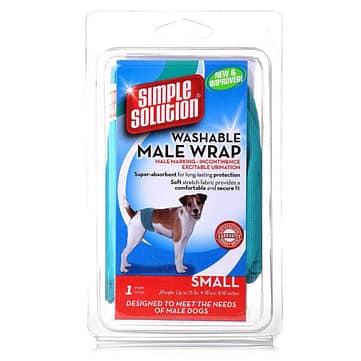
Credit: pethero.co.za
Frequently Asked Questions
How Can I Stop My Male Dog From Marking Indoors?
To stop marking, neuter your dog and clean marked areas thoroughly. Use positive reinforcement to reward good behavior. Provide regular bathroom breaks and reduce stress triggers.
Why Does My Male Dog Mark Inside The House?
Male dogs mark indoors to claim territory or due to anxiety. Unneutered dogs often mark more frequently. Addressing medical or behavioral issues helps reduce marking.
Does Neutering Prevent Male Dogs From Marking Indoors?
Neutering significantly reduces marking behavior in most male dogs. It lowers hormone levels that drive territorial marking. However, some dogs may still mark due to habits or stress.
What Cleaning Methods Remove Dog Urine Smells Effectively?
Use enzymatic cleaners designed for pet urine to break down odor molecules. Avoid ammonia-based products as they mimic urine and encourage marking. Thorough cleaning prevents repeat marking in the same spot.
Conclusion
Stopping a male dog from marking inside can be challenging. Consistent training helps. Consider neutering to reduce marking behavior. Provide regular bathroom breaks. Praise good behavior. Clean marked spots thoroughly to remove scents. Use deterrents like sprays or barriers. Keep your dog occupied with toys and activities.
A calm environment reduces stress-related marking. Patience and understanding are key. Remember, change takes time. Stay committed. Your efforts will pay off. A mark-free home is possible. Enjoy a cleaner living space with your furry friend.