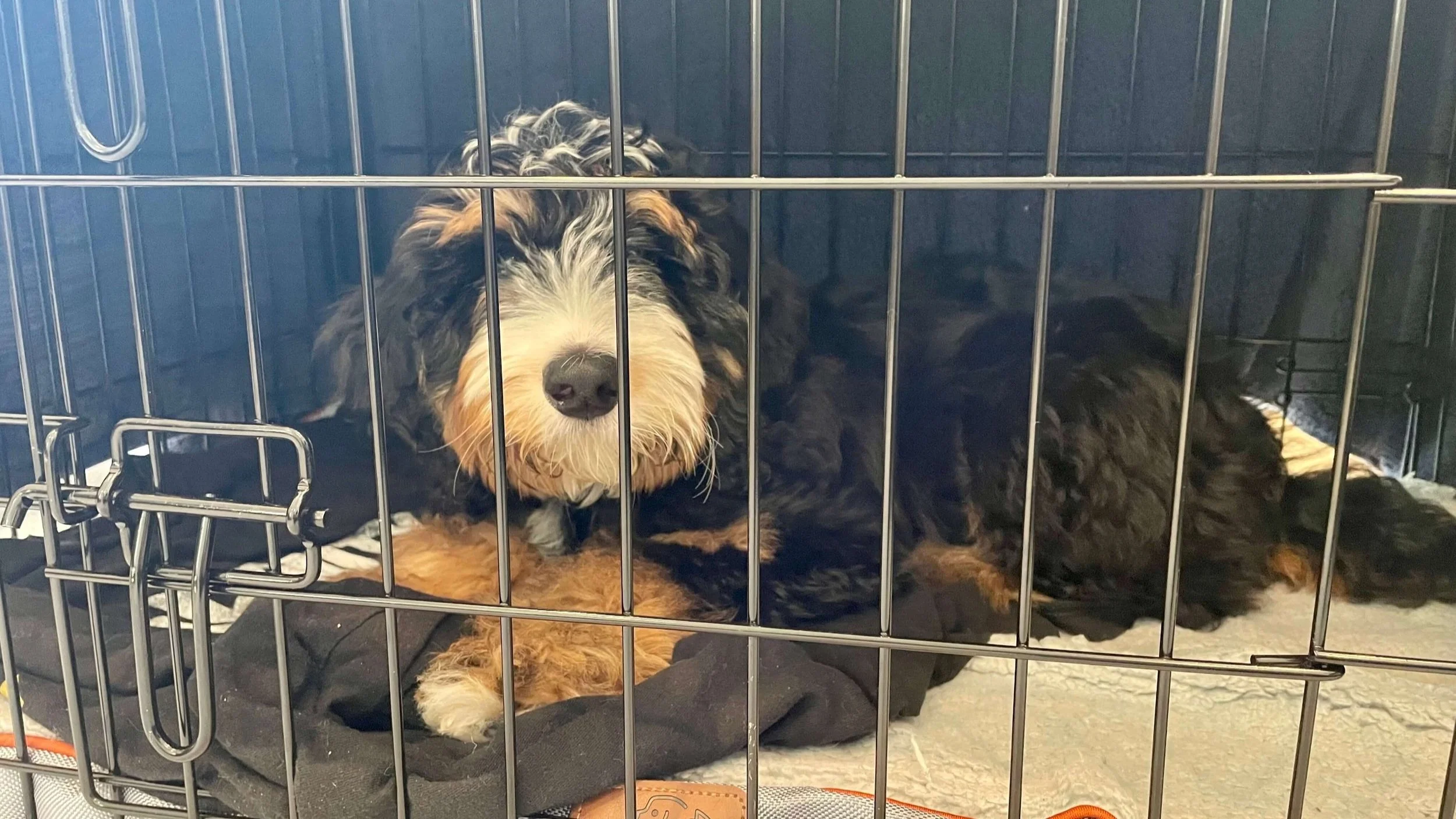
Is your dog howling loudly every time you put them in their crate? It can be frustrating and stressful for both you and your furry friend.
But don’t worry—you’re not alone, and there are simple ways to help your dog feel calm and comfortable. You’ll discover easy, effective steps to stop your dog from howling in their crate. By understanding why your dog is howling and what you can do about it, you’ll create a peaceful space that both you and your pet will appreciate.
Keep reading to find out how to turn crate time into a happy, quiet experience.
Reasons Dogs Howl In Crates
Dogs howl in crates for several reasons. Understanding why your dog howls helps find the right solution. Each dog is different, so reasons can vary. The most common causes include emotional and physical discomfort. Recognizing these signs improves your dog's crate experience.
Separation Anxiety
Dogs feel stressed when left alone. The crate can feel like isolation. Howling is their way to express fear and sadness. Separation anxiety causes loud, persistent howling. They want their owner nearby for comfort.
Boredom And Loneliness
Dogs need mental and physical activity daily. A crate without toys or interaction feels dull. Howling shows they feel lonely or bored. They want attention or something to do. Lack of stimulation leads to this behavior.
Discomfort And Fear
The crate might feel unsafe or uncomfortable. Strange smells, sounds, or lack of space frighten dogs. Howling signals distress or pain. They try to escape or ask for help. Ensuring a cozy crate reduces fear.
Attention Seeking
Dogs learn howling brings your attention. They may howl to get treats or playtime. This behavior grows if you respond often. Ignoring the howling helps reduce it over time. Reward quiet behavior to encourage calmness.

Credit: www.dogsavvylosangeles.com
Preparing The Crate Environment
Preparing the crate environment plays a key role in stopping your dog from howling. A well-set crate feels safe and cozy. This comfort reduces anxiety and encourages calm behavior. Thoughtful preparation helps your dog accept the crate as a positive space.
Choosing The Right Crate Size
Select a crate that fits your dog comfortably. It should allow your dog to stand, turn, and lie down easily. Avoid crates that are too large, as dogs may feel less secure. A proper size crate creates a den-like feeling that soothes your pet.
Adding Comfort And Familiar Scents
Place soft bedding inside the crate. Use blankets or cushions that your dog likes. Add a worn T-shirt or a small cloth with your scent. Familiar smells calm your dog and reduce loneliness. Keep the crate clean and dry to maintain comfort.
Using Calming Aids
Consider natural calming aids to ease your dog’s nerves. Products like pheromone sprays or plug-ins can create a relaxing atmosphere. Chew toys or treat-dispensing puzzles keep your dog busy and distracted. These aids help lower stress and reduce howling.
Training Techniques To Reduce Howling
Training techniques help reduce your dog's howling in the crate. These methods build comfort and trust. They teach your dog to stay calm and quiet. Consistency is key to success. Patience and gentle steps make a big difference.
Gradual Crate Introduction
Start by letting your dog explore the crate freely. Leave the door open at first. Place treats and toys inside to attract your dog. Increase crate time slowly, from a few minutes to longer periods. Never force your dog inside. Make the crate a positive and safe space.
Positive Reinforcement
Reward your dog for calm and quiet behavior in the crate. Use treats, praise, or a favorite toy as rewards. Ignore howling to avoid encouraging it. Give rewards only when your dog is silent. This teaches your dog that quiet behavior brings good things.
Desensitization To Alone Time
Help your dog get used to being alone in the crate. Start with short separations in the same room. Gradually increase the time and distance from your dog. Use a calm voice and soft touch before leaving. Return calmly and quietly to avoid excitement. This reduces anxiety and howling over time.
Managing Anxiety And Stress
Managing anxiety and stress plays a key role in stopping a dog from howling in the crate. Dogs often howl because they feel scared or lonely. Reducing their stress can help them stay calm and quiet. Creating a calm environment and meeting their needs makes a big difference.
Exercise And Mental Stimulation
Exercise helps dogs burn off extra energy that might cause restlessness. A tired dog is usually a quiet dog. Give your dog walks or playtime before crate time.
Mental games also keep their mind busy. Puzzle toys or training sessions help reduce anxiety. Try simple tasks like fetch or hiding treats to engage them.
Establishing A Consistent Routine
Dogs feel safe with a regular schedule. Feed, walk, and crate them at the same times each day. Predictability lowers stress and helps them relax.
Consistency teaches your dog what to expect. They learn the crate is a safe space, not a place for punishment. This reduces howling and fear.
Using Soothing Sounds Or Music
Soft sounds can calm an anxious dog inside the crate. Play gentle music or white noise to block outside noises.
Nature sounds or classical music work well. These sounds create a peaceful atmosphere. Your dog feels less alone and may stop howling.
Avoiding Common Mistakes
Stopping your dog from howling in the crate can be frustrating, especially when common mistakes make the problem worse. Understanding what not to do is just as important as knowing the right steps. Avoiding these pitfalls can save you time and help your dog feel more comfortable and secure.
Not Responding To Howling
Ignoring your dog’s howling may seem like a good way to teach silence, but it can backfire. Sometimes your dog is trying to tell you something important, like discomfort or fear. Pay attention to the context of the howling before deciding to ignore it.
Ask yourself: Is your dog hungry, cold, or anxious? If yes, addressing these needs can reduce howling much faster than silence alone. On the other hand, consistent ignoring of unnecessary howling helps your dog learn that noise doesn’t always get attention.
Avoiding Punishment
It’s tempting to punish your dog for howling, but this often increases stress and makes the behavior worse. Dogs don’t understand punishment the way humans do, especially when it comes to emotions like anxiety. Instead, focus on gentle training and positive reinforcement.
Try rewarding quiet moments with treats or affection. Your dog will learn that calm behavior earns rewards, not howling. Remember, punishment can damage the trust you’ve built with your pet and create new problems.
Recognizing When To Seek Professional Help
Sometimes, howling is a sign of deeper issues that require expert advice. If you’ve tried everything and your dog still howls excessively, consider consulting a veterinarian or a dog behaviorist. They can identify medical or psychological problems you might miss.
Don’t wait until the situation worsens. Early professional help can prevent long-term stress for your dog and reduce your frustration. Wouldn’t you want the best support to keep your pet happy and calm?
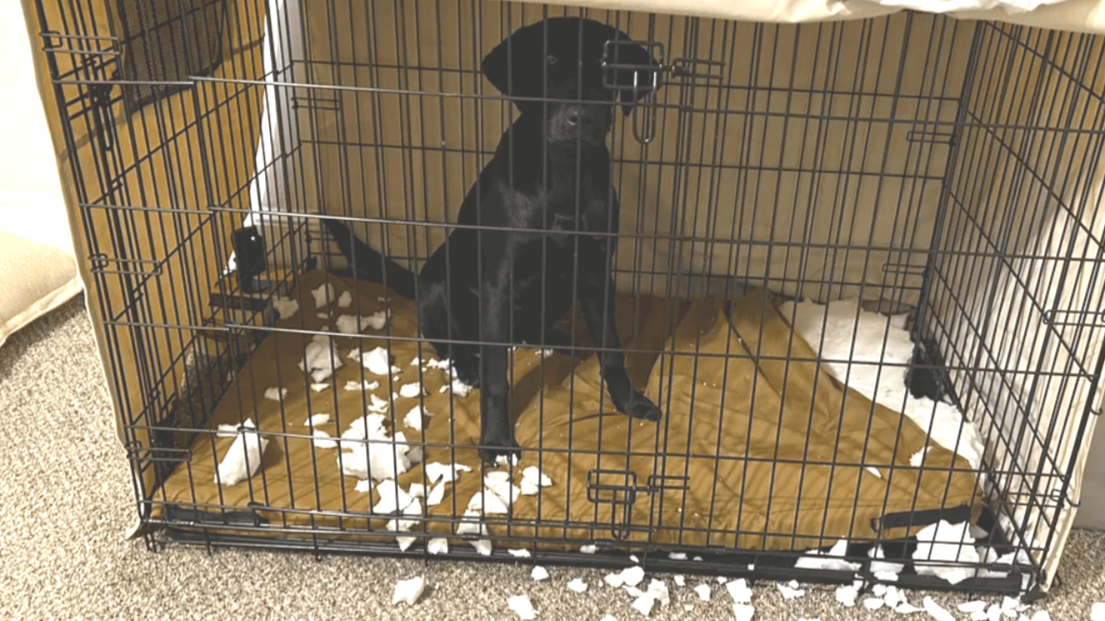
Credit: www.dogsavvylosangeles.com
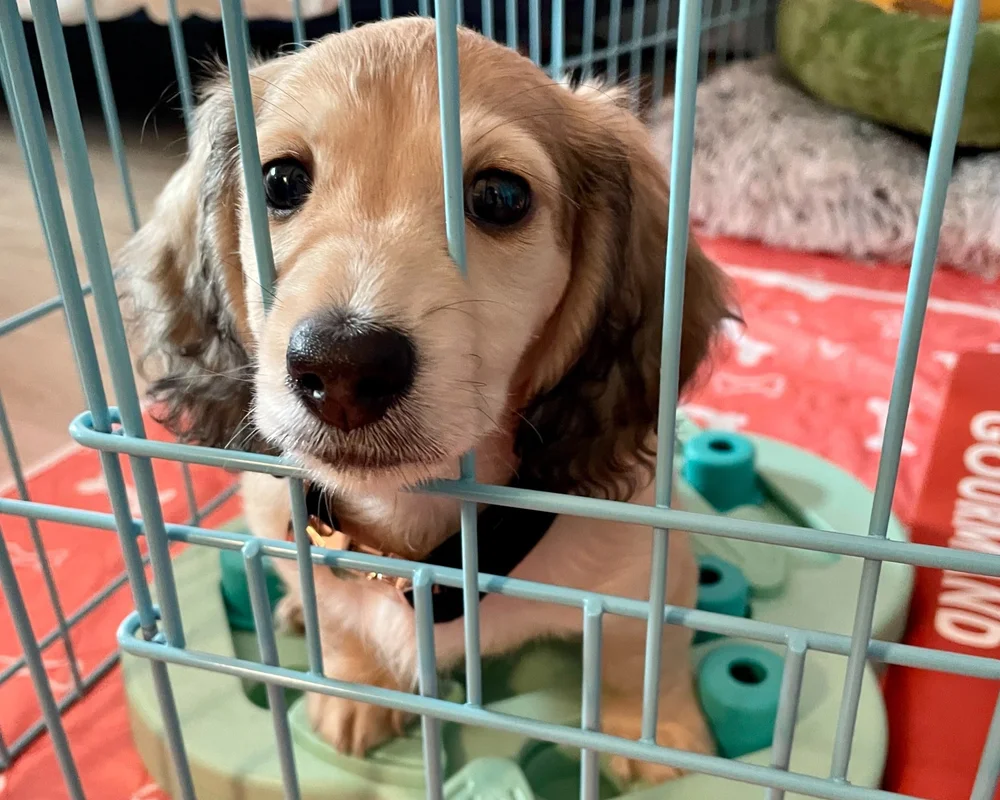
Credit: www.dogsavvylosangeles.com
Frequently Asked Questions
How Can I Stop My Dog From Howling In The Crate?
To stop crate howling, ensure comfort, use positive reinforcement, and gradually increase crate time. Consistent training and patience reduce anxiety and encourage calm behavior.
Why Does My Dog Howl When In The Crate?
Dogs howl in crates due to separation anxiety, boredom, or discomfort. Understanding the cause helps tailor training and improve crate experiences.
What Are Effective Crate Training Tips To Reduce Howling?
Introduce the crate slowly, reward calm behavior, and avoid using the crate for punishment. Regular exercise and mental stimulation also help reduce howling.
Can Ignoring My Dog's Howling In The Crate Help?
Ignoring howling can prevent reinforcing the behavior. However, ensure the dog’s needs are met first to avoid increasing anxiety or distress.
Conclusion
Stopping a dog from howling in a crate takes patience. Stay consistent with your training methods. Always reward good behavior with treats or praise. Make the crate a comfortable, safe space. Ensure your dog gets enough exercise daily. Check for any health issues if howling continues.
Remember, changes take time. Be patient and loving. Your dog will feel more secure in the crate. With effort, your furry friend will adjust. Keep a calm and positive attitude. Soon, the howling will decrease. Enjoy the peace and quiet with your happy dog.