If you want to attract vibrant hummingbirds to your garden, setting up a hummingbird feeder is the perfect place to start. Imagine watching these tiny, colorful birds hover and dart right outside your window.
It’s easier than you think to create a safe and inviting spot for them. In this guide, you’ll discover simple steps to set up your feeder the right way, so you can enjoy these magical visitors every day. Keep reading, and you’ll soon become a hummingbird magnet!

Credit: m.youtube.com
Choosing The Right Feeder
Choosing the right hummingbird feeder is crucial for attracting these tiny visitors to your garden. The feeder you pick affects not only how often hummingbirds visit but also how easy it is for you to maintain and clean. Let’s look at what makes a feeder stand out and how to select one that fits your needs.
Types Of Hummingbird Feeders
Hummingbird feeders come in various shapes and designs, each suited for different environments and preferences. The most common types include:
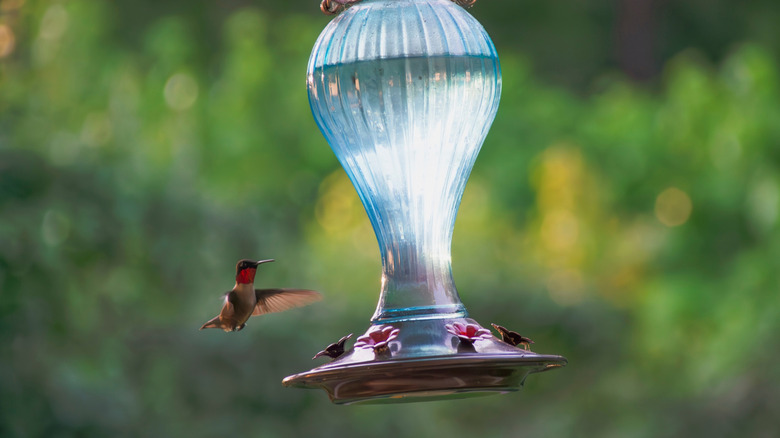
- Bottle feeders:These have a reservoir that holds nectar upside down, releasing it slowly. They often have built-in perches and multiple feeding ports.
- Dish feeders:These are shallow trays that hold nectar, offering an easy feeding spot but requiring more frequent refilling.
- Window feeders:Attach directly to your window with suction cups, giving you a close-up view of hummingbirds.
Think about where you want to place your feeder and how much time you want to spend refilling it. Which type matches your lifestyle and space?
Features To Look For
Not all feeders are created equal. Look for features that make feeding easier for hummingbirds and maintenance simpler for you.
- Easy-to-clean design:Feeders with wide openings let you scrub every corner to avoid mold buildup.
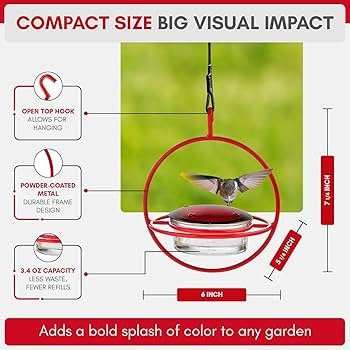
- Red color accents:Bright red parts attract hummingbirds since they associate red with flowers.
- Anti-leak and anti-escape valves:These prevent nectar spills and keep ants or bees away.
- Perches:Some feeders include perches to help hummingbirds rest while feeding.
Have you ever struggled with sticky, hard-to-clean feeders? Choosing one with these features saves you time and keeps your birds healthy.
Material Considerations
The material of your feeder affects its durability, safety, and weight.
- Glass feeders:They are sturdy, non-toxic, and easy to clean but can be heavier and more fragile.
- Plastic feeders:Lightweight and often cheaper, but some plastics may degrade over time or harbor bacteria if scratched.
- Metal components:Look for rust-resistant metals to ensure your feeder lasts through seasons.
Consider your climate and how often you want to replace or clean the feeder. Which material feels right for your garden setup?
Selecting The Best Location
Choosing the right spot for your hummingbird feeder makes a big difference. The location affects how often hummingbirds visit and how safe they feel. Think about where the birds will be most comfortable and where you can enjoy watching them easily.
Sunlight And Shade Balance
Hummingbirds prefer feeders that get a mix of sun and shade throughout the day. Too much direct sun can heat the nectar quickly, causing it to spoil. Placing your feeder near a tree or bush that offers some shade during the hottest part of the afternoon helps keep the nectar fresh longer.
Try to place the feeder where it gets morning sunlight and afternoon shade. This setup warms the nectar early, making it easier for hummingbirds to find, but prevents overheating later. Have you noticed how birds seem more active in the cooler parts of the day? That’s your cue.
Avoiding Predators
Predators like cats and large birds can scare hummingbirds away. Place the feeder where it’s hard for these threats to hide or pounce. Hanging it from a thin wire or a branch away from dense bushes helps keep your visitors safe.
Also, avoid spots too close to windows to prevent birds from flying into glass. Have you ever seen a hummingbird dart suddenly and disappear? That’s often a reaction to a nearby threat. Making your feeder a safe zone encourages more visits.
Visibility For Birds
Hummingbirds are attracted to bright colors and clear views of feeders. Choose a location where the feeder stands out against the background. A plain, light-colored wall or open space works well to catch their attention.
Keep the feeder within your line of sight so you can enjoy the show. Watching their tiny wings flutter is a rewarding experience that reminds you why you set up the feeder in the first place. Where in your yard can you create this perfect stage for hummingbirds?
Preparing The Nectar
Preparing the nectar correctly is the key to attracting hummingbirds and keeping them healthy. The right mix mimics the natural sweetness found in flowers, providing essential energy. Let's dive into crafting the perfect nectar for your feeder.
Simple Sugar Water Recipe
Mix one part white granulated sugar with four parts water. For example, dissolve 1 cup of sugar in 4 cups of water. Boil the water first to help the sugar dissolve fully and kill any bacteria.
Let the mixture cool completely before filling your feeder. Avoid using honey, artificial sweeteners, or raw sugars—they can harm hummingbirds. This simple recipe is all you need for happy visitors.
Avoiding Harmful Additives
Never add red dye to your nectar. It’s unnecessary because most feeders already have red parts that attract hummingbirds. Artificial colors and other additives can upset their digestive systems.
Keep the nectar clean and natural. Using only pure white sugar and water ensures the nectar stays safe and nutritious. This helps you avoid health problems for the birds you want to support.
Storage Tips
Store extra nectar in the refrigerator to keep it fresh. Use a clean, sealed container to prevent contamination. It can last up to one week when chilled properly.
Discard any nectar that looks cloudy or smells sour. Regularly cleaning your feeder and refilling with fresh nectar prevents mold growth. How often do you think you should change the nectar to keep hummingbirds coming back?
Filling And Hanging The Feeder
Filling and hanging a hummingbird feeder correctly is key to attracting these tiny birds. The right steps keep the nectar fresh and safe. Proper setup ensures hummingbirds visit often and enjoy their food. Follow simple practices to prepare your feeder.
Cleaning The Feeder Before Use
Always clean the feeder before filling it with nectar. Use warm water and mild soap. Avoid harsh chemicals that can harm birds. Rinse the feeder well to remove all soap. Let it dry completely to prevent mold growth. Clean feeders keep nectar fresh longer and protect hummingbirds.
Proper Filling Techniques
Use fresh nectar made from four parts water and one part sugar. Avoid honey or artificial sweeteners. Fill the feeder carefully to prevent spills. Do not overfill; leave some space to avoid leakage. Wipe any spilled nectar on the feeder. This stops ants and bees from being attracted.
Secure Hanging Methods
Choose a shaded spot to hang the feeder. This helps keep nectar cool and fresh. Use a sturdy hook or branch that supports the feeder’s weight. Hang it at least 4 feet off the ground. Keep it away from strong winds and predators. Check the hanger regularly for safety and stability.
Maintaining Your Feeder
Maintaining your hummingbird feeder is crucial to keep these tiny visitors healthy and happy. A well-maintained feeder ensures fresh nectar and prevents harmful buildup that can scare birds away. Let’s look at how often you should clean, ways to avoid mold and bacteria, and the best refilling habits.
Cleaning Frequency
You should clean your hummingbird feeder at least once a week. In hot weather, cleaning twice a week is better because heat speeds up nectar fermentation. If you notice cloudy nectar or ants, clean the feeder immediately.
Use warm water and a mild soap to scrub the feeder thoroughly. Avoid harsh chemicals that can leave residues harmful to birds. Rinse well to remove all soap traces before refilling.
Preventing Mold And Bacteria
Mold and bacteria grow quickly in sugary nectar, especially if the feeder isn’t cleaned often. To prevent this, make fresh nectar every 2-3 days during warm weather. Avoid adding red dye; it’s unnecessary and may harm birds.
Placing your feeder in a shady spot slows down mold growth. Also, consider using feeders with bee guards or ant moats to keep insects away, as they can introduce bacteria. Regularly check the feeder’s ports for any signs of mold or buildup.
Refilling Schedule
Refill your feeder before the nectar runs out completely to avoid attracting ants or other pests. During cooler months, nectar lasts longer, so refilling every 4-5 days is usually fine. In hotter weather, aim for refills every 2-3 days.
Keep an eye on bird activity; increased visits mean you may need to refill more often. Fresh nectar encourages hummingbirds to keep coming back. Have you noticed how quickly your feeder empties on warm, sunny days?
Credit: www.outdoorguide.com
Attracting And Watching Hummingbirds
Attracting and watching hummingbirds is a rewarding experience that brings vibrant life to your garden or balcony. These tiny birds are curious and quick, making every visit a special moment. Setting up your feeder correctly can turn your outdoor space into a hummingbird hotspot that keeps them coming back.
Timing And Patience
Hummingbirds are most active during early mornings and late afternoons. Spend time near your feeder during these hours to increase your chances of spotting them. Be patient—sometimes it takes days or even weeks for hummingbirds to discover a new feeder.
Try to avoid sudden movements or loud noises that might scare them away. Have you noticed how the quietest moments often bring the most visitors?
Additional Tips To Lure Birds
- Use bright red feeders or add red decorations nearby since hummingbirds are attracted to red.
- Plant native flowers like bee balm, salvia, or trumpet vine near your feeder to provide natural food sources.
- Keep your nectar fresh by changing it every 2-3 days to prevent fermentation or mold growth.
- Place feeders in shaded areas to keep nectar cool and reduce spoilage.
One surprising tip: adding a small perch near the feeder gives hummingbirds a comfortable spot to rest and watch for predators.
Enjoying The Experience Safely
Watching hummingbirds is fun, but safety matters for both you and the birds. Clean your feeder regularly with hot water and avoid using soap that can leave harmful residues. This keeps the birds healthy and encourages repeat visits.
Keep pets like cats and dogs away from feeders to prevent stress or harm to the hummingbirds. Also, avoid using pesticides or chemicals near feeding areas—they can be toxic to these delicate creatures.
Have you ever paused just long enough to watch a hummingbird’s flight up close? It’s a reminder that nature rewards those who respect its pace and space.

Credit: americanspcc.org
Frequently Asked Questions
How Do I Prepare Nectar For A Hummingbird Feeder?
Mix four parts water with one part white granulated sugar. Boil the mixture for two minutes to dissolve sugar. Let it cool before filling the feeder. Avoid using honey or artificial sweeteners as they harm hummingbirds.
Where Should I Place My Hummingbird Feeder?
Place the feeder in a shaded, visible spot near flowers. Keep it away from direct sunlight to prevent nectar spoilage. Position it near windows for easy viewing but safe from predators.
How Often Should I Clean A Hummingbird Feeder?
Clean the feeder every three to five days in warm weather. Use hot, soapy water and a brush to remove mold and bacteria. Rinse thoroughly to keep hummingbirds healthy.
Can I Use Red Dye In Hummingbird Nectar?
Avoid using red dye as it's unnecessary and may harm birds. Most feeders have red parts to attract hummingbirds naturally. Stick to clear nectar made with sugar and water.
Conclusion
Setting up a hummingbird feeder is simple and rewarding. Attracting these tiny birds brings joy. Remember to clean the feeder regularly to keep it safe. Use the right sugar-water mix for their health. Place the feeder in a shady spot for comfort.
Enjoy watching them hover and sip nectar. These steps ensure a healthy environment for hummingbirds. Happy birdwatching!