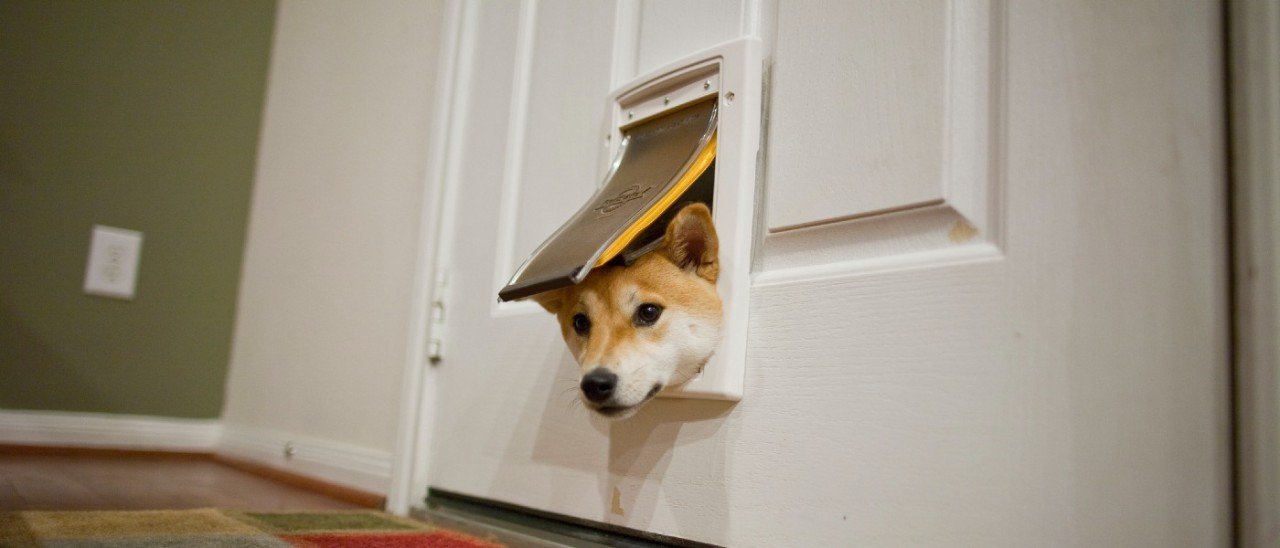
If you have a dog door, you want to make sure it’s safe—not just for your pet, but for your home too. A dog door can be a convenient way for your furry friend to come and go, but it can also be an easy entry point for intruders.
You might be wondering how to keep your dog door secure without taking away your pet’s freedom. You’ll discover simple and effective ways to protect your home from unwanted visitors while still giving your dog the access they need. Keep reading to find out how to secure your dog door and enjoy peace of mind every day.
Choosing A Secure Dog Door
Choosing a secure dog door is a vital step in protecting your home from unwanted intruders. It’s not just about letting your pet come and go freely; it’s about making sure that freedom doesn’t become an open invitation for others. Your choice affects how well the door withstands weather, resists break-ins, and fits your dog’s lifestyle.
Material Options And Durability
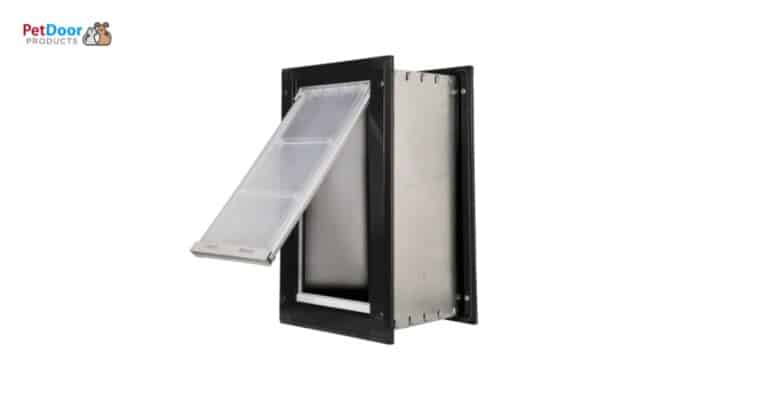
Dog doors come in various materials, each with different strengths. Plastic is common and affordable, but it can crack or wear out quickly. Metal frames, especially aluminum or steel, offer much better durability and security.
Consider how rough your dog is and the climate where you live. For example, a metal door with a tough flap resists chewing and strong winds better than a flimsy plastic one. Would you rather replace a cheap door every year or invest in one that lasts for years?
Size And Placement Considerations
Your dog door’s size must match your pet’s size perfectly. Too big, and it could let in more than just your dog—think about how easy it would be for an intruder to squeeze through. Too small, and your dog might get frustrated or injured.
Placement matters just as much. Installing the door too low or in a hidden corner can create security risks or make it difficult for your dog to use. Have you checked the area around your door for visibility and ease of access? A well-placed door deters intruders simply by being part of a visible, well-used space.
Locking Mechanisms To Consider
Locks are your main defense against unauthorized entry. Some dog doors offer manual locks that you can engage at night or when you’re away. Others have electronic options that only open when your pet wears a special collar sensor.
Magnetic or RFID locks are great because they keep the flap closed against wind and prevent other animals or people from entering. Think about your daily routine: do you want a lock you can control remotely, or one that works automatically? Choosing the right locking system can give you peace of mind without adding hassle.
Credit: www.racv.com.au
Installing The Dog Door Safely
Installing a dog door safely is key to keeping your home secure while giving your pet the freedom they deserve. It’s not just about cutting a hole and attaching the flap; how you fit the door affects both your pet’s safety and your home’s security. Careful installation can prevent unwanted intruders from sneaking in and protect your dog from harsh weather.
Proper Installation Techniques
Start by choosing the right location for the dog door—preferably a door or wall that isn’t easily accessible to strangers. Measure your dog carefully to ensure the door is the right size, allowing easy passage without leaving a large opening.
Use a sturdy template to mark the cutting area precisely. When cutting, take your time to avoid rough edges that could hurt your dog or weaken the structure. Secure the frame tightly to the door or wall with weather-resistant screws to keep it stable and difficult to tamper with.
Weatherproofing And Sealing
Sealing around the dog door is crucial to stop drafts, moisture, and insects from entering your home. Apply high-quality weatherstripping or silicone caulk around the edges to create a tight seal.
Consider adding a flap with magnetic closure or weighted edges to reduce heat loss and block cold air. Your dog’s comfort depends on how well the door protects against wind and rain, so don’t skip this step even if it seems minor.
Avoiding Common Installation Mistakes
One common mistake is installing the dog door too high or too low, causing your pet discomfort or injury when using it. Always check your dog’s height and walking style before finalizing the placement.
Another error is neglecting security features like locks or alarms on the dog door. Simple locks can prevent intruders, while more advanced sensors can alert you if someone tries to enter through the flap.
Have you ever overlooked weatherproofing and later regretted it during a cold winter? Take your time and double-check every step—it makes a big difference for your pet’s safety and your peace of mind.
Enhancing Security Features
Enhancing security features on your dog door reduces the risk of intruders gaining access. These advanced options create barriers that only your pet can pass through. Investing in smart technology increases safety without limiting your dog's freedom. Consider solutions that fit your lifestyle and home setup.
Electronic Locking Systems
Electronic locks add a strong layer of protection to dog doors. These locks open only with a code or remote signal. You control when the door locks and unlocks. They prevent unwanted entry during specific times. Some models allow you to set schedules for door access. This system suits homes needing flexible security.
Magnetic And Rfid Access Controls
Magnetic and RFID systems use special tags or collars for your dog. The door unlocks only when the tag is near. This stops other animals or people from entering. Tags are lightweight and easy for pets to wear. The technology works at a close range to avoid false openings. These controls offer reliable access without manual locking.
Motion Sensors And Alarm Integration
Motion sensors detect movement near the dog door. They can trigger alarms if an intruder tries to enter. Some sensors differentiate between pets and humans by size or speed. Alarm integration alerts you immediately of suspicious activity. This feature deters intruders and keeps your home safer. Combining sensors with other locks creates a comprehensive defense.
Credit: petdoorproducts.com
Additional Safety Measures
Securing a dog door requires more than just a sturdy installation. Additional safety measures help keep intruders out and pets safe. These extra steps add layers of protection and peace of mind. Simple actions can make a big difference.
Using Surveillance Cameras
Surveillance cameras monitor activity around your dog door. Place cameras to capture the entry point clearly. Cameras can deter intruders and record suspicious behavior. Choose cameras with night vision for 24/7 security. Check footage regularly to spot any unusual activity.
Regular Maintenance And Inspections
Inspect the dog door often for damage or wear. Look for loose parts, cracks, or gaps. Fix any issues immediately to maintain security. Clean the door to ensure smooth operation. Regular maintenance prevents easy access for intruders.
Training Your Dog For Safe Usage
Teach your dog to use the door properly. Train them to enter and exit calmly and quickly. Avoid leaving the door open for long periods. Make sure your dog knows when to come back inside. Well-trained pets reduce the risk of unwanted guests.
Dealing With Potential Threats
Securing a dog door from intruders requires more than just installing a lock. Understanding potential threats helps protect your home and pets. Awareness and preparation reduce risks and keep your family safe.
Recognizing Signs Of Intrusion Attempts
Look for unusual marks near the dog door. Scratches, dents, or loose frames may mean someone tried to enter. Strange noises around the door at night signal possible intrusion. Watch for items placed suspiciously near the door. These signs indicate a need for extra security.
Preventing Unauthorized Entry
Use strong, tamper-proof locks on the dog door. Install sensors that alert you to door movement. Consider a dog door that opens only with your pet’s collar signal. Add security cameras focused on the dog door area. Barriers or covers can block access when the door is not in use.
Emergency Response Plans
Create a plan for quick action if an intrusion occurs. Teach family members how to react calmly and safely. Keep emergency contacts, like local police, easily accessible. Practice safe ways to secure your pet and yourself. Having a plan reduces panic and protects everyone involved.

Credit: hakunapets.com
Frequently Asked Questions
How Can I Prevent Intruders Using My Dog Door?
Install a secure locking mechanism on the dog door. Use electronic or magnetic locks activated by your pet’s collar. Reinforce the door frame with metal plates. These steps help keep intruders from entering through the dog door.
What Materials Make A Dog Door More Secure?
Strong materials like metal, reinforced plastic, or heavy-duty vinyl increase security. Avoid flimsy or thin materials that intruders can break easily. Durable materials protect against forced entry and weather damage, enhancing overall safety.
Are Electronic Dog Doors Effective Against Intruders?
Yes, electronic dog doors are effective. They only open for pets with programmed collars. This prevents other animals or people from entering. Electronic doors add an advanced layer of security and convenience.
How Can I Reinforce A Dog Door Frame?
Use metal plates or brackets to strengthen the frame. Secure the plates with heavy-duty screws for extra support. Reinforcing the frame makes it harder for intruders to pry open the door.
Conclusion
Securing a dog door ensures your home stays safe. Simple measures can protect from intruders. Install a lock or use electronic doors. Consider adding a motion sensor. Regularly check the door's condition. A secure dog door offers peace of mind.
It keeps your pet happy and your home secure. Always prioritize safety in your home. Taking these steps can deter unwanted guests. Remember, safety starts with small actions. Keep your family and pets protected.