Are crows taking over your garden or yard, leaving your favorite birds nowhere to be seen? You want to protect your space without scaring away all the wildlife you love.
The good news is, you don’t have to choose between keeping crows out and welcoming other birds. You’ll discover simple, effective ways to scare away crows while still inviting songbirds and other feathered friends to visit. Keep reading, and you’ll learn how to strike the perfect balance for your outdoor space.
Why Target Crows Specifically
Crows are smart birds and can cause specific problems in gardens. They often damage crops and plants, making it hard for gardeners to grow food or flowers. Targeting crows helps protect your garden without disturbing other helpful birds. Other birds usually do not harm plants and can even help control pests.
Focusing on crows allows you to keep a balanced garden environment. You want to scare away crows but keep the good birds around. This approach supports healthy plant growth and a lively garden ecosystem.
Impact Of Crows On Gardens
Crows eat fruits, seeds, and young plants. They can pull up seedlings and break branches. Their large groups create noise and mess in the garden. Crows can scare away smaller birds that help control insects. They also dig in soil, disturbing plant roots. These actions reduce the garden's beauty and productivity.
Benefits Of Protecting Other Birds
Other birds eat harmful insects and pests. They help pollinate flowers and spread seeds. Small birds keep the garden’s ecosystem healthy. Many birds add color and life to outdoor spaces. Protecting them supports natural pest control. It also helps maintain plant diversity and growth.

Credit: www.amazon.ca
Crows’ Behavior And Habits
Crows are smart and adaptable birds, which makes scaring them away a bit tricky without disturbing other birds around. Understanding their behavior and habits helps you target your efforts effectively. Let’s look at what drives crows in their daily lives and how that knowledge can guide your approach.
Feeding Patterns
Crows are opportunistic feeders. They eat a wide range of foods including insects, seeds, fruits, and human leftovers. Unlike many small birds that prefer seeds or nectar, crows often forage on the ground and at different times of day.
They are also clever enough to remember food sources and visit them repeatedly. You might notice they gather in groups when food is abundant. This behavior means your deterrents need to be consistent and unpredictable to keep them away.
Nesting Preferences
Crows build nests high in trees or sometimes on tall structures. They prefer places that offer a good view of the surrounding area to spot danger early. Other birds often choose lower branches or dense bushes, which means targeting nest areas can help avoid affecting them.
Timing matters too. Crows are most protective during nesting season, roughly from early spring to mid-summer. Avoiding disturbance during this time can reduce stress on other birds while still managing crow presence.
Response To Threats
Crows are very alert and quick to react to threats. They use loud caws to warn their group and can mob predators, including humans, to defend their territory. This collective response means simple scare tactics might only work short-term.
Using varied and rotating deterrents can prevent crows from getting used to one method. Meanwhile, other smaller birds often react less aggressively and may ignore these scare tactics entirely. Have you noticed how crows sometimes seem to challenge you more than other birds? That challenge is your key to managing them specifically.
Visual Deterrents For Crows
Visual deterrents are a smart way to keep crows away without disturbing other birds. These methods use sight to create an environment that crows find uncomfortable. They work because crows are clever and wary of new things in their space. Other birds tend to ignore these visual cues, making them ideal for selective bird control.
Using Reflective Objects
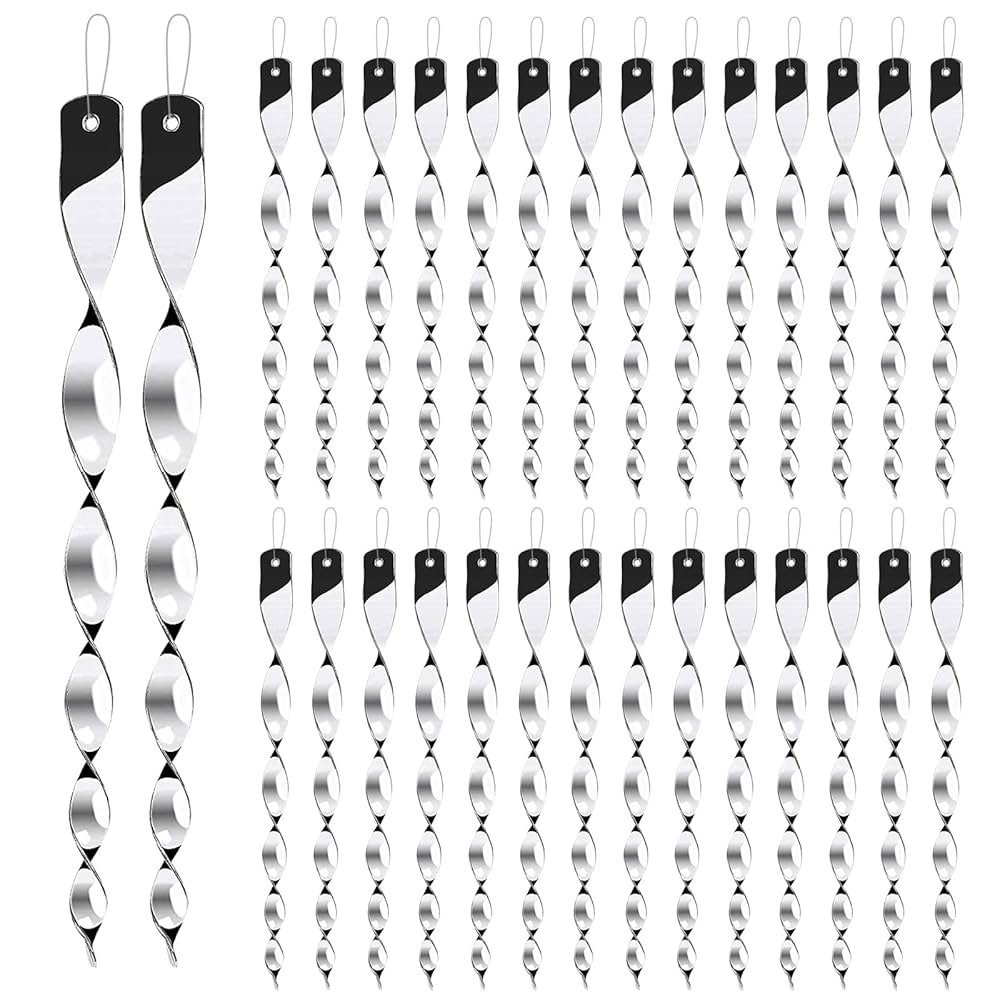
Reflective objects catch light and move with the wind. This movement scares crows, who dislike sudden flashes and changes. Items like old CDs, aluminum foil strips, or shiny tape work well. Hang them near plants or crops to create constant reflections. This method is safe and does not harm any birds.
Scarecrow Variations
Traditional scarecrows can be updated to better scare crows. Use bright colors and add movement to the figure. Place them where crows often gather. Changing the position regularly keeps crows unsure. Some people add noise makers or shiny parts to scarecrows for extra effect.
Decoy Predators
Decoy predators mimic animals that hunt crows. Fake owls, hawks, or snakes are common examples. Position them so crows can see them clearly. Move the decoys occasionally to keep crows alert. This method works because crows avoid places with predators nearby.
Sound-based Repellents
Sound-based repellents offer a targeted way to scare away crows without disturbing other birds in your garden or yard. By using specific sounds that trigger a crow’s natural fear or alert system, you can keep these clever birds at bay while letting other feathered visitors enjoy the space. The key lies in choosing the right type of sound and managing how and when it’s played.
Crow Distress Calls
Crows respond strongly to distress calls from their own species. Playing these calls mimics a situation where danger is near, encouraging crows to leave the area quickly.
Use recordings of crow distress calls rather than generic bird sounds to avoid scaring away other birds. These calls tap into crows’ social behavior, making them highly effective.
Consider placing speakers in different parts of your yard and alternating the distress calls with silence to prevent crows from getting used to the noise. Have you noticed how quickly crows react to sudden, sharp sounds compared to gentle bird chirps?
Ultrasonic Devices
Ultrasonic repellents emit high-frequency sounds that are mostly inaudible to humans and many bird species, but crows can hear them. These devices offer a discreet way to deter crows without disturbing your enjoyment of the outdoors.
Not all ultrasonic devices work equally well, so look for models specifically tested on crows. Some crows may eventually get used to constant ultrasonic noise, so combining this method with others can increase success.
Have you tried ultrasonic repellents and noticed any change in crow activity? Sometimes the effectiveness depends on the environment and device placement.
Timing And Volume Tips
Playing sound repellents at the right time and volume is crucial. Early morning and late afternoon are peak times when crows are most active, so targeting those periods can be more effective.
Keep the volume loud enough to startle crows but not so high that it drives away other birds or becomes a nuisance for neighbors. Adjust volume based on how close your speakers are to crow gathering spots.
Try varying the timing and intensity to avoid crows becoming accustomed to the sounds. Could a little unpredictability in your sound schedule be the key to keeping your garden crow-free?
Physical Barriers And Modifications
Physical barriers and modifications offer effective ways to scare away crows without disturbing other birds. These methods focus on changing the environment to make it less inviting for crows. They protect plants and spaces by creating obstacles or uncomfortable surfaces specifically targeting crows' habits.
Netting And Covers
Netting acts as a shield over plants and fruit trees. Use fine mesh nets to cover areas crows visit. This stops them from reaching food while allowing smaller birds to pass through. Covers can be temporary or fixed, depending on the season and crop type.
Spikes And Slopes
Spikes work well on ledges or roofs where crows like to perch. Thin, blunt spikes stop them from landing comfortably without harming the birds. Slopes can be added to flat surfaces to make them slippery or hard to stand on. Both methods reduce crow presence without affecting other birds that prefer different spots.
Garden Layout Adjustments
Changing the garden layout can help discourage crows. Group plants that attract crows away from open spaces. Plant shrubs or trees that provide cover for small birds but block crows' flight paths. Use taller plants as natural barriers to limit crow access while keeping the area inviting for other birds.

Credit: www.yahoo.com
Natural And Chemical Repellents
Dealing with crows without disturbing other birds can be tricky. Natural and chemical repellents offer targeted ways to keep crows away while allowing smaller or beneficial birds to thrive. These solutions work by appealing to the senses of crows, making your space less inviting without causing harm.
Scent-based Solutions
Crows have a strong sense of smell, which you can use to your advantage. Certain natural scents like peppermint oil, garlic, or chili powder can be placed around your garden or yard to deter crows.
Try soaking cotton balls in peppermint oil and placing them near the areas where crows gather. The sharp scent can make crows uncomfortable, but smaller birds often ignore these smells. Have you noticed how your houseplants react differently to various scents? Crows respond similarly, allowing you to choose smells that target only them.
Taste Deterrents
Taste deterrents work by making food or plants unappealing to crows. You can spray natural bitter substances, such as a mixture of water and hot sauce, on fruits or vegetables. Crows tend to avoid bitter tastes, while many smaller birds are less sensitive and continue feeding.
Another option is using commercial bird repellents designed to taste bad specifically for crows. These are safe and effective if applied correctly. Have you ever tasted something that instantly made you stop eating? That’s exactly the effect these deterrents aim for.
Safe Usage Guidelines
While using repellents, safety is key. Always test natural scents or sprays in small amounts first to ensure they don’t harm your plants or attract pests. Avoid overusing chemical repellents, as they might affect other wildlife or pollinators.
Place repellents in spots where crows frequent but away from nesting areas of smaller birds. Keep an eye on how different birds react and adjust your methods accordingly. What steps can you take today to balance your garden’s ecosystem while keeping crows at bay?
Maintaining Deterrents For Long-term Effectiveness
Keeping crow deterrents effective over time needs regular care and change. Crows are smart birds. They learn to ignore the same scare tactics after a while. To keep them away, you must keep your methods fresh and surprising.
This section explains how to maintain deterrents for long-term success. Small adjustments make a big difference. This helps protect your garden or property without bothering other birds.
Changing Patterns Regularly
Move or change scare devices often. Crows watch and remember. A stationary scare loses power fast. Change the position of reflective tape or scarecrow every few days. Switch sounds or visual effects. This keeps crows guessing and cautious.
Combining Multiple Methods
Use more than one type of deterrent at the same time. Combine sound makers with visual scares like shiny objects. Add physical barriers if needed. Different methods work together to confuse crows. This reduces their chances to get comfortable.
Monitoring And Adjusting
Watch how crows react to your deterrents. Note what works best and what fails. Adjust your tools based on their behavior. Remove ineffective items and add new ones. Keeping track ensures your strategy stays strong and effective.

Credit: ridallpestcontrol.ca
Legal And Ethical Considerations
Scaring away crows without harming other birds requires careful thought about laws and ethics. It ensures your actions protect wildlife and follow local rules. Respecting animals and nature keeps your environment safe and balanced.
Local Wildlife Laws
Many areas have laws protecting birds and wildlife. Some species are fully protected, meaning you cannot harm or trap them. Crows may be controlled differently depending on your region. Always check local regulations before using any scare tactics.
Ignoring laws can lead to fines or legal trouble. Contact wildlife agencies to learn what methods are allowed. This helps you avoid penalties and ensures you act responsibly.
Humane Treatment Practices
Humane methods cause no injury or lasting stress to birds. Avoid poisons, traps, or harmful devices. Use gentle deterrents like visual scares or noise makers. These keep crows away while allowing other birds to stay safe.
Consider the impact on all wildlife around you. Techniques that scare crows but not smaller birds work best. Respect animal life and avoid cruelty for a peaceful coexistence.
Frequently Asked Questions
How Can I Scare Crows Without Harming Other Birds?
Use visual deterrents like reflective tape or decoy predators. These scare crows but don’t affect smaller birds. Avoid harmful methods to protect all wildlife.
What Sounds Effectively Scare Away Crows Only?
Sharp, sudden noises like distress calls or predator sounds work best. Use recordings carefully to avoid disturbing other birds or neighbors.
Are Scarecrow Decoys Effective Against Crows?
Yes, decoys like owls or hawks can scare crows. Move them regularly to maintain effectiveness and prevent crows from getting used to them.
Can Planting Certain Plants Repel Crows But Attract Birds?
Yes, plants like prickly bushes deter crows but attract songbirds. Incorporate diverse vegetation to create a bird-friendly yet crow-resistant garden.
Conclusion
Keeping crows away while welcoming other birds is possible. Use specific techniques. Hang shiny objects or use reflective tape. Crows dislike these but other birds don't mind. Install bird feeders designed for small birds. Avoid loud noises that might scare all birds.
Consistency is key. Check your yard regularly. Adjust strategies as needed. Enjoy a vibrant garden with diverse bird visitors. Your efforts make a difference. Embrace the challenge. Create a balanced environment for all feathered friends. Nature thrives with a little help from you.
Watch your garden become a peaceful haven.