Have you ever found a lost dog and wondered how to quickly check if it has a microchip? Knowing how to scan a dog for a chip can make all the difference in reuniting a pet with its owner.
It’s easier than you might think, and with the right steps, you can become the hero in a furry friend’s story. Keep reading, and you’ll learn exactly what to do to scan a dog safely and effectively—so you’re ready the moment it matters most.

Credit: peeva.co
Why Microchipping Matters
Microchipping your dog is more than just a precaution—it's a vital step in keeping your pet safe. Many pet owners underestimate how quickly a dog can get lost or stolen. Having a microchip dramatically increases the chances of a happy reunion if the unexpected happens.
Benefits For Lost Pets
Imagine your dog slipping out of the yard or getting scared during a thunderstorm and running away. Without a microchip, your chances of getting your dog back rely heavily on someone finding and deciding to help. With a microchip, shelters and vets can quickly scan and identify your dog, linking them directly to you.
- Speeds up the identification process
- Reduces time spent in shelters
- Increases the chances of returning home safely
Microchipping also provides peace of mind. You know your dog carries a permanent ID that can't be lost or removed like a collar. Have you ever thought about how a simple scan could save your pet’s life?
How Chips Work
A microchip is a tiny device, about the size of a grain of rice, implanted under your dog’s skin. It contains a unique ID number that links to your contact information in a secure database. When a scanner passes over the chip, it reads this number instantly.
The process is quick, safe, and painless—similar to a routine vaccination. No batteries or power sources are needed, and the chip lasts for your dog’s entire life. You just need to keep your contact information up to date in the registry.
Think about the last time you visited a vet or shelter. They probably had a scanner ready to check for microchips. Isn’t it reassuring to know that one simple scan can connect your dog back to you no matter where they end up?
Credit: www.newswire.ca
Tools Needed For Scanning
Scanning a dog for a microchip requires the right tools. Having the correct scanner makes the process quick and accurate. The equipment is simple but essential for finding the chip.
Understanding the types of scanners and where to get them helps you prepare properly. This knowledge ensures you have the best device for your needs.
Types Of Scanners
- Handheld Scanners:Portable and easy to use anywhere.
- Stationary Scanners:Often used in clinics; less mobile but very reliable.
- Universal Scanners:Scan different chip frequencies from various manufacturers.
- Single Frequency Scanners:Designed to read chips with a specific frequency.
Where To Get A Scanner
- Veterinary clinics often have scanners available for use.
- Pet shelters and animal control centers typically provide scanning services.
- Online retailers sell a variety of scanners for personal use.
- Pet supply stores may carry basic scanner models for purchase.
Preparing Your Dog For Scanning
Preparing your dog for a chip scan helps make the process smooth and stress-free. Dogs can feel nervous or unsure about new experiences. Taking time to calm and position your dog properly ensures a quick and accurate scan. This preparation helps your dog stay comfortable and cooperative during the scan.
Calming Techniques
Start by speaking softly to your dog. Gentle words reduce anxiety and build trust. Use slow, calm movements to avoid startling your pet. Offer a favorite treat or toy to keep your dog relaxed. Pet your dog gently to create a sense of safety. Taking a few deep breaths yourself can help you stay calm too. Calm energy transfers to your dog, making scanning easier.
Positioning Your Dog
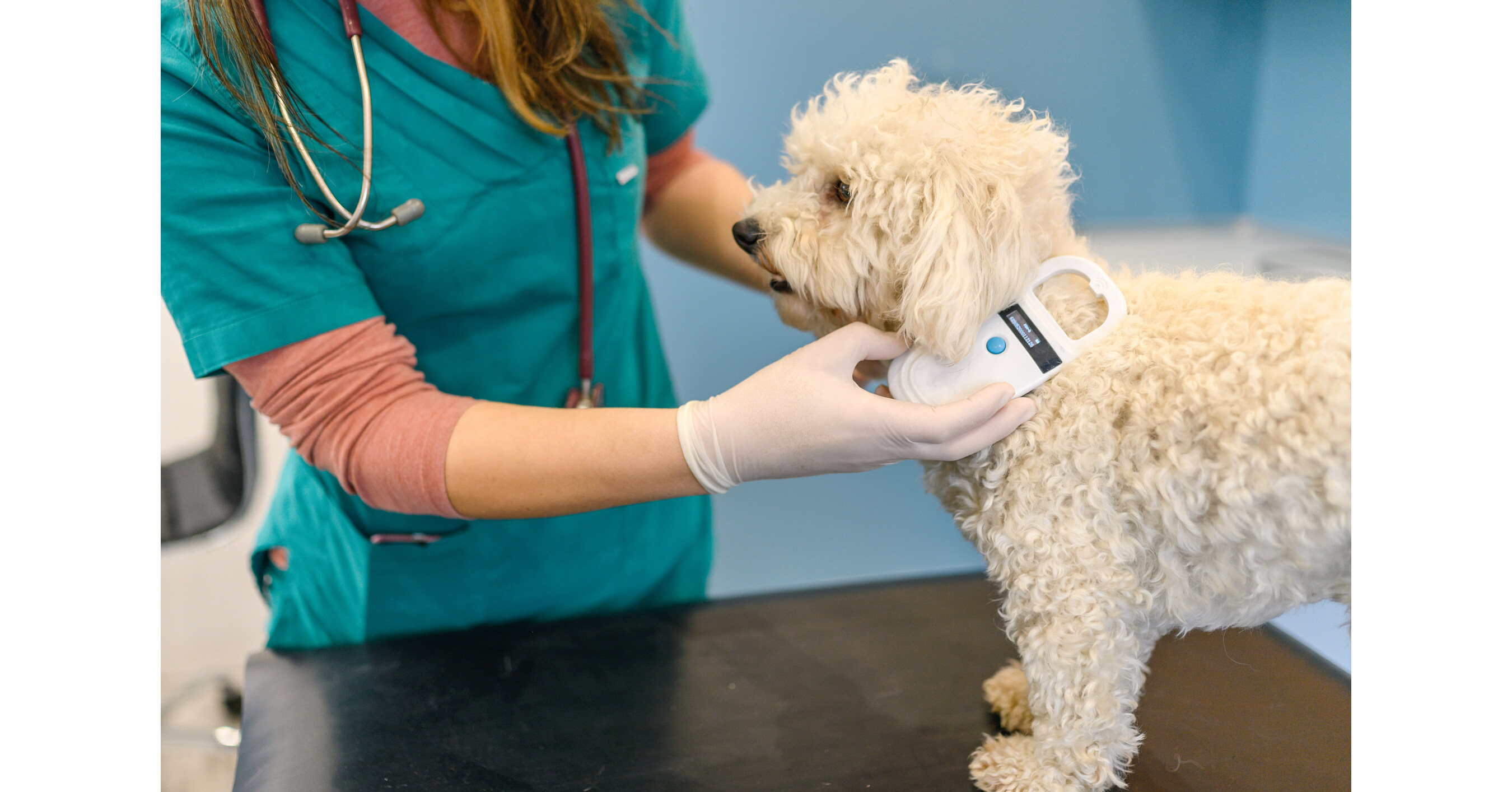
Place your dog in a stable, comfortable spot. A flat surface or your lap works well. Ensure your dog stands or sits still during the scan. Hold your dog gently but firmly to prevent sudden moves. Keep the dog's head steady without causing stress. Position the scanner just above the shoulder blades where chips are usually implanted. Clear communication and gentle touch improve your dog’s cooperation.
Step-by-step Scanning Process
Scanning a dog for a microchip is a simple process anyone can do. Knowing how to scan correctly helps find lost pets quickly. The process involves three main parts: locating the chip area, using the scanner, and reading the chip number. Each step needs care to make sure the chip is found and read accurately.
Locating The Chip Area
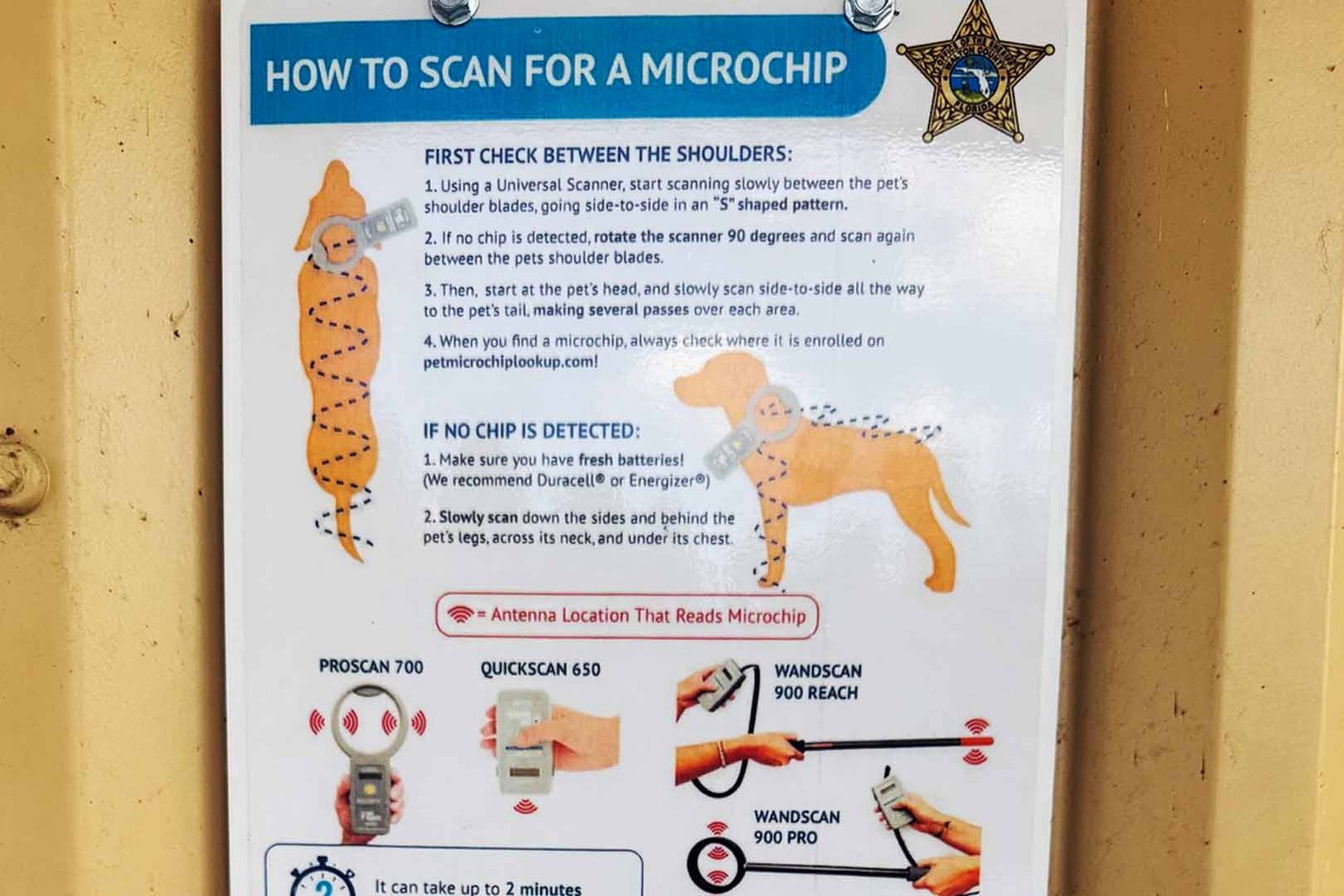
Most microchips are placed under the skin between the dog’s shoulder blades. Gently feel this area for any bumps or unusual spots. The chip is small and not always easy to find by touch. Move the dog calmly to keep it still and relaxed. Avoid scanning near metal tags or collars that may interfere.
Using The Scanner Properly
Turn on the scanner and hold it close to the dog’s skin. Slowly move the scanner over the shoulder blade area in a grid-like pattern. Keep the scanner steady and close to the skin for the best signal. Scan the entire area to make sure the chip is not missed. Follow the scanner’s instructions for the best results.
Reading The Chip Number
Once the scanner detects a chip, it will display a number. This number is unique to the dog’s microchip. Write down the number carefully or take a clear photo. Use the number to check with a pet recovery database. Confirm the dog’s identity and contact the owner quickly.
What To Do After Finding The Chip Number
Finding a microchip number in a dog is just the beginning of a crucial process. Once you have the chip number, your next actions can reunite a lost pet with its owner or help a shelter take the right steps. What you do after locating the chip number can make a real difference in the dog’s life and your community.
Checking The Registration
Start by checking the chip number against official pet microchip registries. Many countries have centralized databases, but some chips require looking through multiple registries or registries run by different companies.
Use online lookup tools provided by microchip manufacturers or national pet recovery organizations. Enter the chip number carefully to avoid errors that could delay finding the owner.
If you don’t find any information, don’t give up. Try contacting local shelters or veterinarians who may have access to additional databases.
Contacting Owners Or Shelters
Once you locate the owner’s contact information, reach out promptly and clearly. Explain where you found their dog and how you identified the chip number.
If the chip registration is outdated or incomplete, contacting nearby shelters can help. Shelters often receive reports of lost pets and might have additional details that can assist in reuniting the dog with its family.
Always keep the dog’s welfare in mind. While waiting for the owner’s response, provide a safe and comfortable environment. Have you ever noticed how a calm setting helps an anxious dog feel more secure during this stressful time?
Troubleshooting Scanning Issues
Scanning a dog for a microchip usually goes smoothly, but sometimes you might hit a snag. Troubleshooting scanning issues is key to making sure you don’t miss a chip that could reunite a lost dog with its owner. Understanding common problems and how to handle them will save you time and frustration.
When The Scanner Doesn’t Detect A Chip
If your scanner fails to detect a chip, don’t assume the dog isn’t chipped. Sometimes the chip's position inside the dog’s body can affect detection. Try scanning slowly and methodically over the entire shoulder area, moving in small overlapping circles.
Check the scanner’s battery and settings. A weak battery or incorrect mode can cause detection failures. If you have access to another scanner, test the dog with it to rule out device issues.
Have you ever thought about the chip’s orientation? Chips can sometimes lie sideways, making them harder to read. Adjusting the angle and distance of the scanner might reveal the chip’s signal.
Handling Damaged Or Unregistered Chips
Damaged chips are rare but possible, especially in older dogs or those with a history of injury. If the scanner picks up a weak or inconsistent signal, the chip might be cracked or malfunctioning. In these cases, a veterinarian can perform an X-ray to locate the chip physically.
Unregistered chips present a different challenge. If you find a chip number but it doesn’t show up in any database, you’ll need to contact multiple registries. Keep a handy list of microchip databases to cross-check the number efficiently.
What if you find an unregistered chip? Try reaching out to local shelters or the manufacturer for guidance. Sometimes, the chip was implanted but never registered, and the owner can be traced through other records.
Alternatives To Microchip Scanning
Microchip scanning is a popular way to identify lost dogs. Still, some pets do not have microchips. Owners and rescuers need other ways to find out who a dog belongs to. These alternatives can help reunite pets with their families quickly and safely.
Collars And Tags
Collars are a simple form of identification. They hold ID tags with important information. Tags usually show the dog's name and owner’s phone number. Some tags include the address or medical needs.
Collars come in many styles and materials. Soft fabric or leather collars suit different dog sizes. Bright or reflective collars improve visibility at night.
Tags can be engraved or printed. Engraved tags last longer and resist wear. Printed tags may include QR codes. Scanning a QR code leads to an online profile of the dog.
Other Identification Methods
Besides collars, tattoos offer a permanent ID option. Tattoos are usually placed inside the ear or on the thigh. They contain a unique code registered with a pet database.
GPS trackers attach to collars and track the dog's location. This method helps find pets quickly if they run away.
Photo identification is helpful too. Keeping recent photos of your dog assists in sharing information during searches.

Credit: www.avma.org
Frequently Asked Questions
How Do I Scan A Dog For A Microchip?
To scan a dog, use a microchip scanner near the dog's shoulder blades. Move the scanner slowly until it beeps, indicating a chip. Note the unique ID number displayed on the scanner for identification purposes.
Where Can I Find A Dog Microchip Scanner?
Veterinarians, animal shelters, and some pet stores typically have microchip scanners. You can also buy a scanner online for home use. Ensure the scanner is compatible with common microchip brands.
How Long Does It Take To Scan A Dog’s Chip?
Scanning usually takes less than a minute. The process is quick and painless for the dog. Moving the scanner slowly over the dog’s neck area helps locate the chip efficiently.
Can Any Microchip Scanner Read All Types Of Chips?
Most modern scanners can read common microchip frequencies. However, some older or rare chips may require specific scanners. Always use a universal scanner for the best coverage.
Conclusion
Scanning a dog for a chip ensures safety and peace of mind. It's a simple process that anyone can learn. First, find a scanner or visit a vet. Then, gently move it over the dog’s back. Listen for the beep.
If a chip is present, the scanner will show its ID. This small step can reunite lost dogs with their families. Regularly check your pet’s chip information. Update it when needed. By doing so, you help keep your furry friend safe and secure.
Always remember: a chipped dog is a protected dog.