If you have a white dog, you know how tricky it can be to keep their fur looking clean and bright. Stains on white fur stand out more than on any other color, and they can make your beloved pet look less fresh and happy.
You might feel frustrated seeing those stubborn marks, wondering how to get rid of them without hurting your furry friend. This guide will show you simple, effective ways to remove stains from your dog’s white fur, so your pet can look as good as they feel.
Keep reading—you’ll discover easy tips that work and save you time and effort.
Credit: pethelpful.com
Common Causes Of Stains On White Dog Fur
White dog fur looks beautiful but stains can spoil its charm. Stains appear from daily activities and natural body functions. Knowing the causes helps prevent and treat them effectively. Here are common reasons for stains on white fur.
Tear Stains
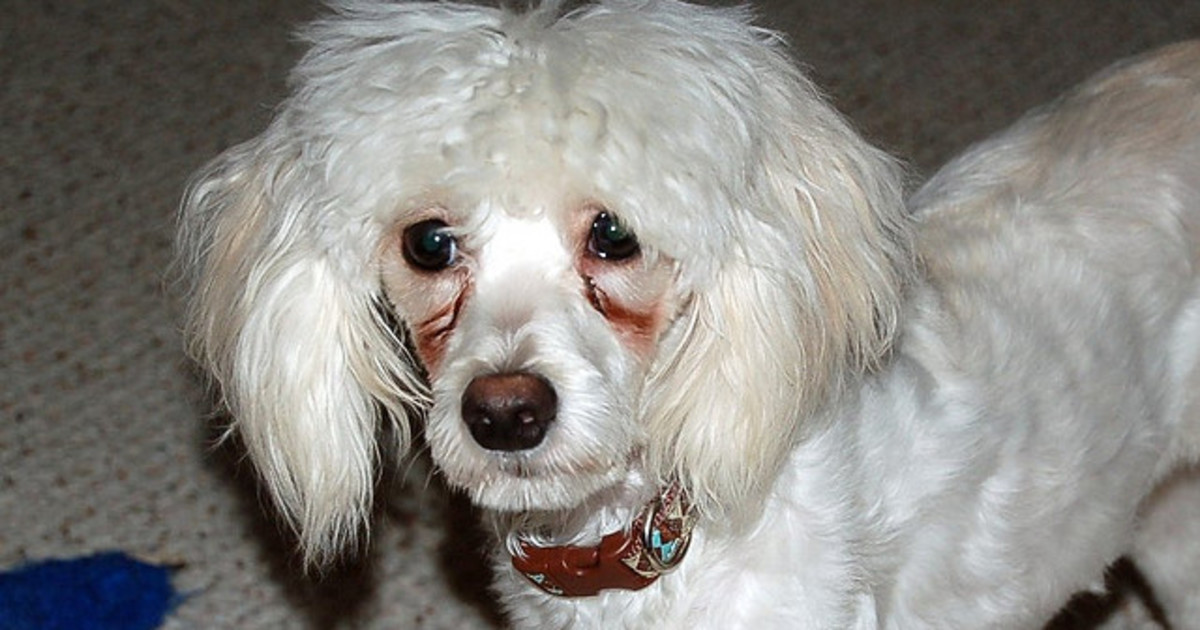
Tear stains show as reddish or brown marks near the eyes. Some dogs produce more tears, causing moisture buildup. Bacteria and yeast feed on tears, creating stains. These marks affect the fur’s bright look and need regular cleaning.
Food And Drink Spots
Eating and drinking can leave spots on white fur. Droplets of food, juice, or water often splash around the mouth and chin. Colored foods like tomato sauce or berries leave noticeable stains quickly. Careful feeding can reduce these spots.
Outdoor Dirt And Mud
Playtime outside brings dirt and mud to the fur. White coats show mud stains clearly. Wet weather worsens the problem by spreading dirt. Regular wiping and baths help keep the fur clean and bright.
Saliva And Licking
Dogs lick themselves often. Saliva contains enzymes that can discolor white fur. Constant licking leaves yellow or brown patches on legs and paws. Stress or boredom may increase licking and worsen stains.

Credit: www.amazon.com
Safe Cleaning Products For White Fur
Keeping your white dog's fur spotless requires more than just regular baths—it demands the right cleaning products that are gentle yet effective. Using safe products ensures you protect your pet's sensitive skin while tackling those stubborn stains. Let's look at options that keep your furry friend clean without any risk.
Pet-friendly Shampoos
Choose shampoos specifically made for pets, especially those formulated for white or light-colored fur. These shampoos often contain mild ingredients that brighten fur without harsh chemicals. Brands like Earthbath and Burt’s Bees offer gentle, hypoallergenic options that clean deeply and maintain your dog's natural shine.
Have you noticed your dog’s fur looking dull after a bath? Switching to a pet-friendly shampoo can make a huge difference in restoring that bright white glow. Always check the ingredient list to avoid anything that might irritate your dog’s skin.
Natural Remedies
Natural ingredients can be surprisingly effective for removing stains. A mixture of baking soda and water creates a gentle paste that lifts dirt without drying out the fur. Another favorite is diluted apple cider vinegar, which helps break down discoloration and adds shine.
Applying these remedies with a soft cloth and rinsing thoroughly can prevent residue buildup. Have you tried using coconut oil as a conditioning treatment? It nourishes the fur and may help reduce staining over time.
Avoiding Harmful Chemicals
Steer clear of cleaning products containing bleach, ammonia, or artificial dyes—they can damage your dog’s fur and cause skin problems. Even household cleaners should never be used on your pet's coat. These chemicals may remove stains temporarily but at the cost of your dog's health.
If you’re unsure about a product, consult your vet or do a small patch test first. Isn’t it worth spending a little more on safe products rather than risking your pet’s comfort and safety?
Step-by-step Stain Removal Techniques
Removing stains from white dog fur requires patience and the right approach. This process helps keep your dog’s coat clean and bright. Follow the steps carefully for the best results. Each part of the process plays an important role in stain removal.
Pre-treatment Methods
Start by gently brushing the stained area to remove loose dirt. Use a damp cloth with cold water to blot the stain. Avoid rubbing, as this spreads the stain further. Apply a pet-safe stain remover or a mixture of water and mild soap. Let it sit for a few minutes to break down the stain. Always test the product on a small fur patch first. For tough stains, use a diluted solution of white vinegar and water. This helps lift the stain without harming the fur.
Washing And Rinsing Tips
Use a gentle dog shampoo designed for white coats. Wet the fur thoroughly with lukewarm water. Apply shampoo and work it into a lather around the stain. Massage gently to avoid tangling the fur. Rinse well to remove all shampoo and residue. Leftover shampoo can cause irritation and attract dirt. Repeat washing if the stain remains visible but avoid over-washing. Over-washing can dry out your dog’s skin and fur.
Drying And Brushing Fur
Use a clean towel to pat the fur dry. Avoid rubbing, which can cause matting. If your dog tolerates it, use a low heat hairdryer. Keep the dryer moving and at a safe distance. Once dry, gently brush the fur to remove tangles and restore softness. Use a slicker brush or comb suitable for your dog’s fur type. Regular brushing keeps the coat healthy and prevents future stains.
Preventing Future Stains
Preventing stains on your white dog's fur saves you time and keeps your pet looking bright and clean. It’s easier to stop stains before they happen than to remove them later. You can create simple routines and make small changes that protect your dog’s fur every day.
Regular Grooming Habits
Keeping your dog well-groomed reduces the chance of dirt and stains settling into their fur. Brush your dog’s coat daily to remove loose hair and debris. Regular baths with gentle, whitening shampoos help maintain a fresh, clean look.
Check the fur around their eyes and mouth often. Tear stains and food can discolor these areas quickly. Wiping these spots gently with a damp cloth after meals can make a big difference.
Diet Adjustments
Your dog’s diet can affect the color and condition of their fur. Some foods cause more tear staining or discoloration than others. Have you noticed that certain treats leave stains more easily?
Switch to high-quality, natural ingredients with fewer artificial dyes and preservatives. Adding supplements like omega-3 fatty acids supports healthier skin and fur. Always consult your vet before making major changes, but small tweaks can reduce staining over time.
Protective Accessories
Using accessories can shield your dog's white fur from common stain sources. For example, waterproof bibs or bandanas keep food and water away during mealtime. You might also try doggy booties to protect paws from mud and grass stains on walks.
Consider a lightweight, breathable coat or rain jacket during wet weather. These help keep your dog clean and dry, preventing stains from soaking in. Which accessories could fit your dog’s lifestyle and make stain prevention easier?
When To See A Veterinarian
Knowing when to see a veterinarian is important for your dog's health. Stains on white fur can sometimes signal deeper problems. Not all stains are easy to clean at home. Some may need professional care to keep your dog safe and healthy.
Persistent Or Unusual Stains
Stains that stay even after cleaning need attention. If the color changes or spreads, consult a vet. Unusual stains may point to skin issues or infections. Watch your dog’s behavior for signs of discomfort.
Possible Health Issues
Stains can be a sign of health problems. Tear stains might mean eye irritation or allergies. Red or brown stains could indicate bacterial or yeast infections. Your vet can diagnose and treat these conditions properly.
Professional Cleaning Options
Vets offer cleaning treatments safe for dogs. They use special shampoos to remove tough stains. Professional care helps avoid skin damage from harsh products. Regular vet visits keep your dog’s coat clean and healthy.

Credit: www.reddit.com
Frequently Asked Questions
How Can I Remove Stains From White Dog Fur Naturally?
Use a mixture of baking soda and water to create a paste. Gently rub the paste on the stained fur. Rinse thoroughly with warm water and dry the fur completely to prevent irritation.
What Household Products Safely Clean White Dog Fur Stains?
Hydrogen peroxide diluted with water and a mild dog shampoo work well. Always do a patch test first. Avoid harsh chemicals that can irritate your dog’s skin or damage their fur.
How Often Should I Clean My White Dog’s Fur?
Clean your white dog’s fur weekly to prevent stains. Spot clean immediately after your dog gets dirty. Regular grooming and baths keep their coat healthy and stain-free.
Can Diet Affect Staining In White Dog Fur?
Yes, diet impacts fur color and health. Feeding high-quality food reduces tear stains and discoloration. Ensure your dog drinks plenty of water to flush out toxins.
Conclusion
Achieving a clean, stain-free coat for your white dog is possible. Use gentle, pet-safe products to keep their fur bright. Regular grooming helps maintain that fresh look. Try brushing daily to avoid tangles and dirt buildup. Always rinse thoroughly after bathing.
Pay special attention to stubborn stains. Patience and consistency are key. With these simple steps, your dog's fur will look its best. A little effort goes a long way in maintaining their natural beauty. Keep your furry friend looking fresh and clean.
Your dog deserves the best care you can give.