
You love your dog, but when those stubborn urine stains show up on your hardwood floors, frustration sets in fast. You want your floors to look clean and fresh again, but the thought of scrubbing and scrubbing without success can be overwhelming.
What if you could remove those stains quickly, without damaging your beautiful wood? You’ll discover simple, effective steps to tackle dog urine stains and restore your floors to their original shine. Keep reading—you’re just minutes away from saying goodbye to those pesky marks for good.
Causes Of Dog Urine Stains
Understanding the causes of dog urine stains on hardwood floors is key to preventing long-lasting damage. These stains don't just appear out of nowhere; they result from a mix of your dog's behavior and the natural properties of urine interacting with wood. Knowing what triggers these stains can help you act faster and protect your floors better.
How Urine Affects Hardwood
Dog urine contains ammonia and other compounds that can break down the finish and wood fibers. When urine sits on hardwood, it seeps into the pores, causing discoloration and sometimes even warping.
Have you noticed a yellowish or dark ring on your floor? That’s the chemical reaction at work, eating away at the surface and leaving a stubborn stain.
Even if you clean the surface quickly, the urine’s acidity can penetrate deeper, making it harder to remove the mark later. This is why prompt attention is crucial.
Common Stain Locations
- Near Doorways:Dogs often relieve themselves right after coming inside, making entryways a hotspot for stains.
- Along Walls or Baseboards:Some dogs aim for these areas, possibly due to territorial marking instincts.
- In Corners:These hidden spots tend to get overlooked during cleaning, allowing stains to set.
- Under Furniture:If your dog prefers cozy spots, urine stains might hide beneath couches or beds.
Where have you noticed the most stubborn stains in your home? Identifying these trouble zones helps you focus your cleaning efforts and protect your hardwood floor investment.

Credit: www.reddit.com
Immediate Actions After Accidents
Accidents happen, especially with pets around. Acting fast is key to protect hardwood floors from dog urine stains. Immediate care helps prevent long-term damage and keeps floors looking their best.
Blotting Techniques
Start by blotting the urine with a clean cloth or paper towel. Press gently to soak up liquid without spreading it. Avoid rubbing, which can push urine deeper into the wood. Use fresh cloths or towels until the area feels dry to touch.
Avoiding Damage
Do not use harsh chemicals or abrasive scrubbers. These can damage the wood finish. Avoid letting urine sit for long periods. Open windows or use fans to help air dry the spot quickly. Keep pets away from the area until fully dry to prevent repeat accidents.
Cleaning Solutions For Stains
Removing dog urine stains from hardwood floors needs the right cleaning solutions. Choosing an effective cleaner helps protect the wood and stop odors. Some solutions come from the kitchen, while others are store-bought. Both types can work well if used correctly and quickly.
Homemade Remedies
Homemade cleaning solutions use simple ingredients found at home. They are gentle on floors and safe for pets.
- White vinegar and water:Mix equal parts vinegar and water. Spray on the stain and wipe with a clean cloth. Vinegar breaks down urine and removes odors.
- Baking soda paste:Combine baking soda and water to form a paste. Spread it on the stain and let it dry. Vacuum or sweep it off to freshen the floor.
- Hydrogen peroxide:Use a 3% solution and dab on the stain. Let it sit for a few minutes, then wipe clean. It helps remove discoloration and kills bacteria.
Commercial Cleaners
Store-bought cleaners can be strong and fast-acting. They often contain enzymes that break down urine molecules.
- Enzyme-based cleaners:These target and remove urine proteins. Follow the instructions for best results.
- Wood floor cleaners:Choose ones safe for hardwood. They clean without damaging the finish.
- Odor neutralizers:Use sprays or powders designed to remove pet odors. They help keep the floor fresh.
Step-by-step Cleaning Process
Removing dog urine stains from hardwood floors requires careful cleaning. A proper process prevents damage and keeps floors looking fresh. Follow the steps below to clean effectively and protect your wood.
Preparation
Start by blotting the urine with paper towels. Avoid rubbing to prevent spreading the stain. Gather cleaning supplies such as mild dish soap, white vinegar, baking soda, and water. Open windows to ventilate the area. Test cleaning solutions on a small floor section to check for damage.
Application
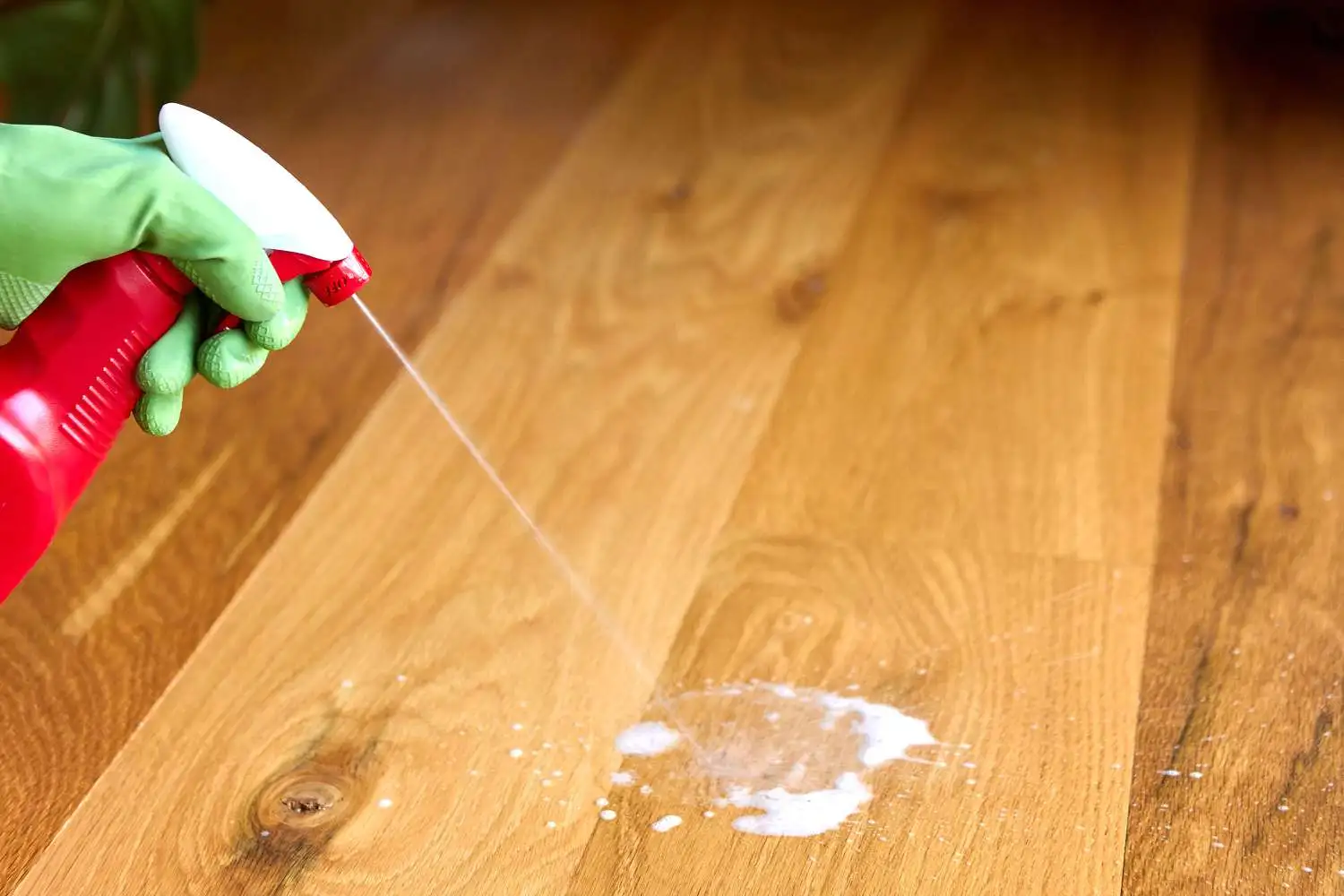
Mix equal parts white vinegar and water in a spray bottle. Lightly spray the stained area. Let it sit for 5 minutes to neutralize odor. Use a soft cloth to blot the stain gently. Sprinkle baking soda over the spot for extra absorption. After 10 minutes, vacuum or sweep up the baking soda. Clean the area with a few drops of mild dish soap mixed in water. Wipe with a damp cloth, then dry immediately to avoid water damage.
Drying Tips
Use a dry towel to soak up moisture. Avoid letting the floor air dry alone. Use a fan or open windows to speed drying. Keep pets away until the floor is completely dry. This prevents re-soiling or slipping hazards. Dry floors ensure no moisture seeps into the wood, preventing stains or warping.
Dealing With Persistent Odors
Persistent odors from dog urine can linger long after the stain seems to have disappeared. These smells can make your home uncomfortable and even affect your pet’s behavior. Tackling the odor requires more than just surface cleaning; it demands targeted treatment that breaks down the odor-causing molecules deep within the wood.
Enzyme Cleaners
Enzyme cleaners are designed to target the organic compounds in urine that cause bad smells. These cleaners work by breaking down proteins and bacteria, effectively neutralizing odors instead of just masking them.
When choosing an enzyme cleaner, look for one specifically labeled for pet urine on hardwood floors. Apply it generously and let it sit for the recommended time—often 10 to 15 minutes—to allow the enzymes to work deeply.
One tip I learned is to gently blot the area after application rather than scrubbing, which can damage the wood finish. Have you noticed how some products promise to remove odors but leave behind a harsh chemical smell? Enzyme cleaners avoid this by using natural processes.
Natural Deodorizers
If you prefer a chemical-free approach, natural deodorizers can be effective. Baking soda is a popular choice; sprinkle it over the affected area and leave it overnight to absorb smells.
Vinegar diluted with water also helps neutralize odors, but use it cautiously since vinegar is acidic and can dull hardwood finishes. Test a small hidden spot before applying widely.
Another option is using activated charcoal nearby to absorb lingering smells in the air. Have you tried mixing essential oils with baking soda to create a fresh scent while deodorizing?
Using these natural options alongside regular cleaning can keep your hardwood floors smelling fresh without harsh chemicals.

Credit: www.angi.com
Preventing Future Stains
Preventing future dog urine stains on hardwood floors is key to keeping your home clean and fresh. Taking simple steps helps protect your floors and reduces damage. Consistency and patience make a big difference.
Training Tips
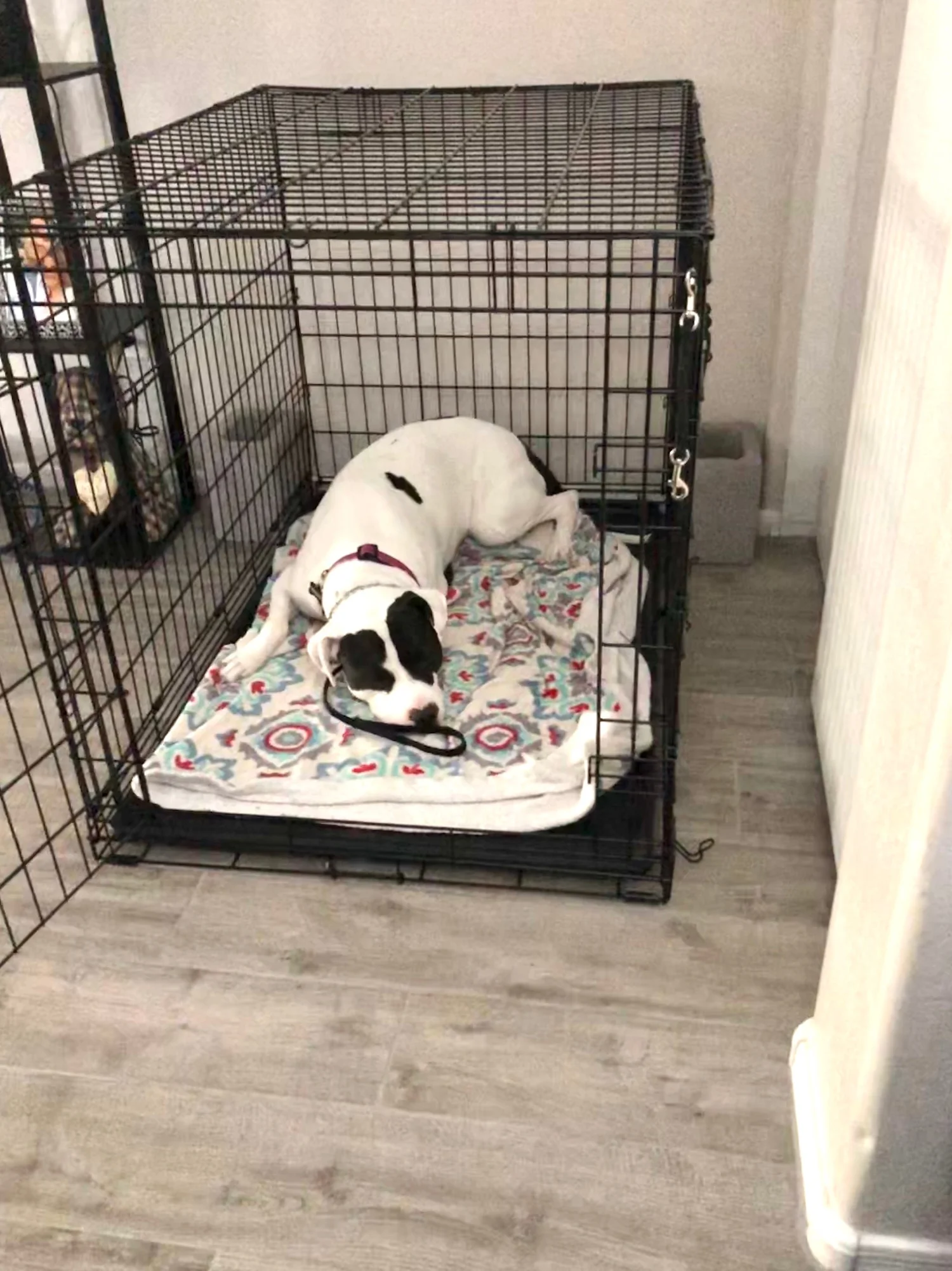
Teach your dog where to go outside. Use positive rewards like treats or praise. Be patient and consistent with training routines. Take your dog outside often, especially after meals or naps. Clean accidents quickly to avoid repeated marking. Use a firm but gentle voice to discourage indoor urination. Consider crate training to limit unsupervised access to floors. Set a regular bathroom schedule for your dog to follow.
Protective Floor Treatments
Apply sealants designed for hardwood floors. These create a barrier that resists urine penetration. Choose water-based polyurethane for easy cleaning and durability. Use floor mats in high-risk areas where your dog spends time. Place rugs near doorways to catch urine drops. Regularly inspect floors for signs of wear or damage. Reapply protective coatings as recommended by manufacturers. Clean spills immediately to maintain floor integrity.
When To Call A Professional
Knowing when to call a professional for dog urine stains on hardwood floors can save you time, money, and frustration. While minor stains can often be cleaned with household products, some damage is too severe for DIY fixes. Recognizing the signs of serious damage helps you decide the best course of action before the problem worsens.
Signs Of Severe Damage
Look for discoloration that doesn’t fade after cleaning. Persistent dark spots or yellowing often indicate urine has soaked deep into the wood.
If the wood feels soft, swollen, or warped, this means the moisture has compromised its structure. You might notice a strong ammonia-like smell that lingers even after cleaning.
Cracks or peeling finish can also signal that the damage is beyond surface level. If your floorboards creak or flex unusually when you walk over the stained area, it’s time to get expert help.
Restoration Options
Professionals can offer a range of solutions tailored to the extent of the damage. They might sand and refinish the affected area to remove stains and restore the floor’s appearance.
In cases of deep damage, replacing individual boards may be necessary. Experts use specialized products to neutralize odors and prevent future staining.
They also assess the subfloor to ensure no hidden moisture remains, which could cause mold or further deterioration. Have you considered what might happen if the damage spreads unnoticed under your floor?
Calling a professional ensures the problem is handled thoroughly, protecting your investment and keeping your home healthy.

Credit: www.reddit.com
Frequently Asked Questions
How Do I Clean Fresh Dog Urine From Hardwood Floors?
Blot the urine immediately with paper towels. Use a mixture of water and mild dish soap to clean the area. Avoid harsh chemicals that can damage the finish. Dry the floor thoroughly to prevent moisture damage.
Can Vinegar Remove Dog Urine Stains From Wood?
Yes, vinegar is effective in neutralizing urine odor and stains. Mix equal parts of white vinegar and water. Apply it gently with a cloth, then wipe dry. Vinegar helps break down urine crystals without harming the wood.
What Should I Avoid When Cleaning Urine On Hardwood?
Avoid using bleach, ammonia, or abrasive cleaners. These can damage the wood finish and worsen odors. Do not saturate the floor with water, as excess moisture causes warping. Always use gentle, wood-safe cleaning products.
How To Prevent Dog Urine Stains On Hardwood Floors?
Train your dog to urinate outside or on designated pads. Clean accidents immediately to prevent stains. Use protective floor coatings or rugs in high-risk areas. Regularly trim your dog's nails to avoid scratches that trap urine.
Conclusion
Cleaning dog urine from hardwood floors can be simple. Use the right methods and products. Act quickly to prevent stains and odors. Keep your floors looking great. Regular cleaning helps maintain their beauty. Be consistent with your cleaning routine. Protect your hardwood investment.
A little effort goes a long way. Your floors will thank you. Enjoy a fresh, clean home environment. Happy cleaning!