Have you ever walked into a room and been hit by that unmistakable, unpleasant cat urine smell on your furniture? It’s frustrating, embarrassing, and can make your home feel less welcoming.
If you’re struggling to get rid of this stubborn odor, you’re not alone—and the good news is, you don’t have to live with it. You’ll discover simple, effective ways to remove cat urine smell from your furniture for good. Keep reading, because your fresh, clean home is just a few steps away.
Identify The Source
Before removing the cat urine smell from furniture, find where the odor comes from. Identifying the source helps target cleaning efforts. Cat urine can soak deep into fabric and cushions. The smell may come from spots you cannot see easily. Take time to check every part of the furniture carefully. This step is key to fully eliminating the smell.
Locate Urine Spots
Start by inspecting the furniture visually. Look for wet or darkened areas on cushions and fabric. Use a black light in a dark room. Cat urine glows under UV light, making it easier to find. Mark these spots with tape or chalk. Check all surfaces including arms, backs, and seats. Cat urine often spreads beyond the obvious area.
Check Hidden Areas
Urine can seep into seams, folds, and under cushions. Remove cushions to inspect underneath. Smell these hidden areas for any odor. Look inside crevices and fabric folds. Pet urine can soak into wood or padding too. Don’t forget to check the furniture base and legs. Hidden spots may hold the strongest smells. Finding all sources ensures a thorough cleaning.
Gather Cleaning Supplies
Gathering the right supplies makes cleaning cat urine easier and more effective. Having everything ready saves time and avoids frustration. Start by choosing the right cleaning agents and safety items. Focus on products that neutralize odors, remove stains, and protect your skin during cleaning. Preparation sets the stage for a successful odor removal process.
Enzyme Cleaners
Enzyme cleaners break down urine molecules at the source. These cleaners target proteins and bacteria that cause odors. They work better than regular detergents for pet stains. Find enzyme cleaners made specifically for pet urine. Use them according to the instructions for best results. They help remove both smell and stains from furniture.
Natural Remedies
Natural remedies offer safe, simple alternatives to harsh chemicals. Common options include white vinegar, baking soda, and hydrogen peroxide. Vinegar neutralizes ammonia in cat urine. Baking soda absorbs moisture and odors. Mix these with water for a gentle cleaning solution. Natural remedies are good for sensitive fabrics and households with children.
Protective Gear
Protective gear keeps you safe during cleaning. Gloves shield your hands from chemicals and bacteria. Use disposable gloves for easy cleanup. A mask can prevent breathing in strong odors or fumes. Old clothes or an apron protect your skin and clothes. Safety first makes the cleaning process more comfortable and hygienic.
Pre-treat The Area
Pre-treating the area is a crucial first step to remove cat urine smell from furniture. It helps stop the odor from setting deep into the fabric or material. Acting quickly can make the cleaning more effective. This stage prepares the surface for deeper cleaning by removing excess liquid and protecting the fibers.
Blot Excess Urine
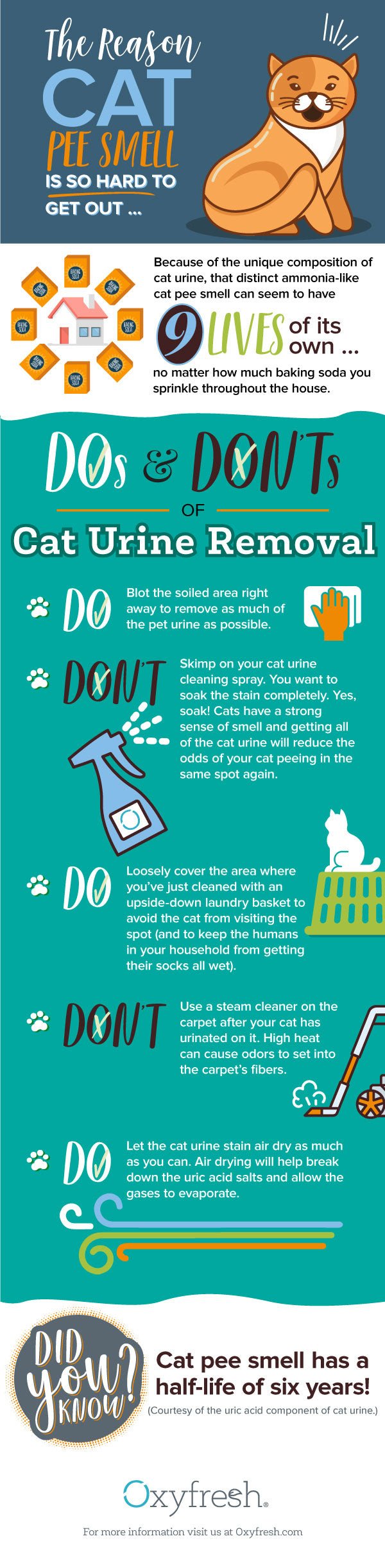
Use a clean cloth or paper towels to blot the urine. Press gently to absorb as much liquid as possible. Avoid wiping or spreading the urine. Keep blotting until the cloth no longer picks up moisture. This limits the amount of urine that soaks deeper into the furniture.
Avoid Rubbing
Rubbing can push urine further into the fabric. It may also damage delicate materials. Always dab or blot instead of scrubbing. Rubbing spreads the stain and makes the odor harder to remove. Gentle treatment protects the furniture while removing the urine.

Credit: www.bissell.com
Apply Cleaning Solutions
Applying the right cleaning solutions is key to removing cat urine smell from furniture. Proper cleaning breaks down the odor-causing molecules and prevents your pet from re-marking. Choosing effective products and using them correctly makes a big difference. Some solutions target the smell at its source, while others help neutralize lingering odors. Here are two effective approaches to apply cleaning solutions on furniture.
Use Enzyme Cleaners Correctly
Enzyme cleaners are designed to break down urine molecules. They work by digesting proteins and bacteria that cause the smell. For best results, follow these steps:
- Blot the urine spot with paper towels to remove excess liquid.
- Apply the enzyme cleaner generously to the affected area.
- Let the cleaner sit for at least 10 to 15 minutes.
- Avoid rinsing immediately; enzymes need time to work.
- Repeat application if the smell persists.
Use enzyme cleaners suitable for your furniture material. Test on a small, hidden area first to check for colorfastness. Proper use eliminates odors deeply embedded in fabric and padding.
Homemade Cleaning Methods
Simple homemade solutions can also reduce cat urine smell effectively. Common ingredients like vinegar and baking soda neutralize odors and clean surfaces. Try this easy mix:
- Mix equal parts white vinegar and water in a spray bottle.
- Spray the stained area lightly and let it soak for 5 to 10 minutes.
- Blot with a clean cloth to absorb moisture.
- Sprinkle baking soda over the spot to absorb remaining odors.
- Leave baking soda to dry completely, then vacuum it off.
This method is gentle on most fabrics and safe for pets. Avoid over-wetting furniture to prevent damage. Repeat the process for stubborn smells.
Rinse And Dry
After treating cat urine on furniture, rinsing and drying are crucial. This step helps clear away cleaning agents and urine traces. Proper rinsing prevents stains and odors from returning. Thorough drying stops mold and mildew growth in damp areas. Follow simple tips for effective rinsing and quick drying.
Remove Residue
Use clean, cool water to rinse the treated area. Avoid soaking the fabric; use a damp cloth instead. Gently blot the surface to lift away residue. Repeat rinsing until no soap or cleaner remains. Residue can trap odors and attract dirt. Removing it keeps furniture fresh and clean.
Speed Up Drying
Dry the furniture fast to prevent moisture damage. Use a fan or open windows for better air flow. A hairdryer on low heat can help but keep distance to avoid burns. Blot excess water with a dry towel. Avoid direct sunlight on delicate fabrics to prevent fading. Quick drying stops bacteria and odor from settling back.
Prevent Future Accidents
Preventing future accidents is key to keeping your furniture fresh and odor-free. Once you’ve tackled the existing smell, taking steps to stop your cat from marking the same spot again saves you time and frustration. It also helps create a more comfortable space for both you and your furry friend.
Behavioral Training
Training your cat to use the litter box consistently is crucial. Reward them with treats and praise when they use the box correctly. If accidents happen, avoid punishment—this can increase stress and worsen the behavior.
Sometimes, your cat might be marking due to stress or changes in the environment. Try to identify any triggers and provide a calm, safe space. Adding a second litter box or changing the litter type can also make a difference.
Use Furniture Protectors
Protect your furniture with covers or waterproof pads, especially in spots your cat seems drawn to. These barriers not only shield the fabric but also discourage your cat from scratching or marking. Choose materials that are easy to clean and replace.
Consider using pet-safe deterrent sprays on furniture edges. Cats dislike certain smells, and these can help keep them away without causing harm. Have you noticed any particular scents your cat avoids?
Regular Cleaning Routine
Keep your furniture and surroundings clean to reduce the chances of re-marking. Even the faintest odor can invite your cat back to the same spot. Use enzyme-based cleaners specifically designed to break down urine molecules.
Set a weekly cleaning schedule for your furniture and floors, especially in multi-pet households. This habit not only keeps smells away but also promotes a healthier living environment for everyone.
When To Call Professionals
Knowing when to call professionals for cat urine odor removal can save you time, money, and frustration. While DIY methods work for many, some situations need expert intervention to fully restore your furniture. Understanding these signs helps you decide when professional help is the best choice.
Persistent Odors
If you have tried multiple cleaning products and techniques but the urine smell still lingers, it’s a clear sign to call in professionals. Cat urine can soak deep into fabric fibers and padding, making odors tough to eliminate completely on your own.
Professionals use specialized enzymes and industrial-grade cleaners that break down odor-causing molecules more effectively. They also have ozone treatments and steam cleaning options that neutralize smells rather than just masking them.
Have you noticed that no matter how often you clean, the smell returns after a few days? This usually means the odor is trapped deep inside, and professional treatments are necessary to tackle the problem at its source.
Deep Stains
When cat urine has soaked into your furniture’s cushions or wooden frames, it creates deep stains that are difficult to remove. These stains not only look unpleasant but also continue to emit odor over time.
Professionals can dismantle furniture if needed to access hidden layers where urine has penetrated. Their expertise allows them to treat these areas thoroughly without damaging your valuable pieces.
Think about the last time you found a dark, stubborn stain on your sofa that wouldn’t budge with regular cleaners. That’s a perfect example of when professional intervention is the right move to restore both appearance and freshness.
Credit: purrfectgrooming.pet
Credit: www.bissell.com
Frequently Asked Questions
How Do I Remove Cat Urine Smell From Fabric Furniture?
Use an enzyme cleaner specifically designed for pet urine. Blot the area, apply the cleaner, and let it sit. Avoid harsh chemicals as they can worsen the smell. Repeat if necessary until the odor disappears completely.
Can Baking Soda Eliminate Cat Urine Odor On Furniture?
Yes, baking soda absorbs odors effectively. Sprinkle it generously on the affected area after cleaning. Let it sit for several hours, then vacuum thoroughly. It neutralizes the smell without damaging furniture fabrics.
Is Vinegar Effective In Removing Cat Urine Smell?
White vinegar is a natural deodorizer. Mix equal parts vinegar and water, then spray on the stain. Blot with a clean cloth and air dry. Vinegar breaks down urine crystals, reducing the odor efficiently.
How Long Does It Take To Remove Cat Urine Smell?
The time varies based on stain size and cleaning method. Enzyme cleaners typically need 10-15 minutes to work. Baking soda requires hours to absorb odors. Multiple treatments may be necessary for strong smells.
Conclusion
Removing cat urine smell from furniture doesn't have to be hard. Use the right steps and products. Clean promptly for best results. First, blot the area with a clean cloth. Then, apply an enzymatic cleaner to break down the odor.
Let it sit for a while. Rinse with water and blot again. Repeat if needed. Baking soda can help too. Sprinkle on, let sit, then vacuum. Keep your furniture fresh and odor-free with these simple tips. Your home will smell pleasant again.
Enjoy a fresh, clean space with these easy solutions.