If you have a cat, you know how frustrating it can be to deal with the smell of urine on your wood floors. That strong, unpleasant odor can linger for days, ruining the comfort of your home.
But don’t worry—removing cat urine odor from wood floors is easier than you think. You’ll discover simple, effective steps to get rid of the smell for good. Keep reading, and you’ll learn how to protect your floors and enjoy a fresh, clean-smelling home again.
Credit: www.petscare.com
Identify Urine Spots
Finding every spot where your cat has left urine on your wood floors is crucial before you start cleaning. Missed areas can keep the odor alive, frustrating your efforts. Knowing exactly where the urine is helps you target those spots effectively and protect your floors from lasting damage.
Use Black Light For Detection
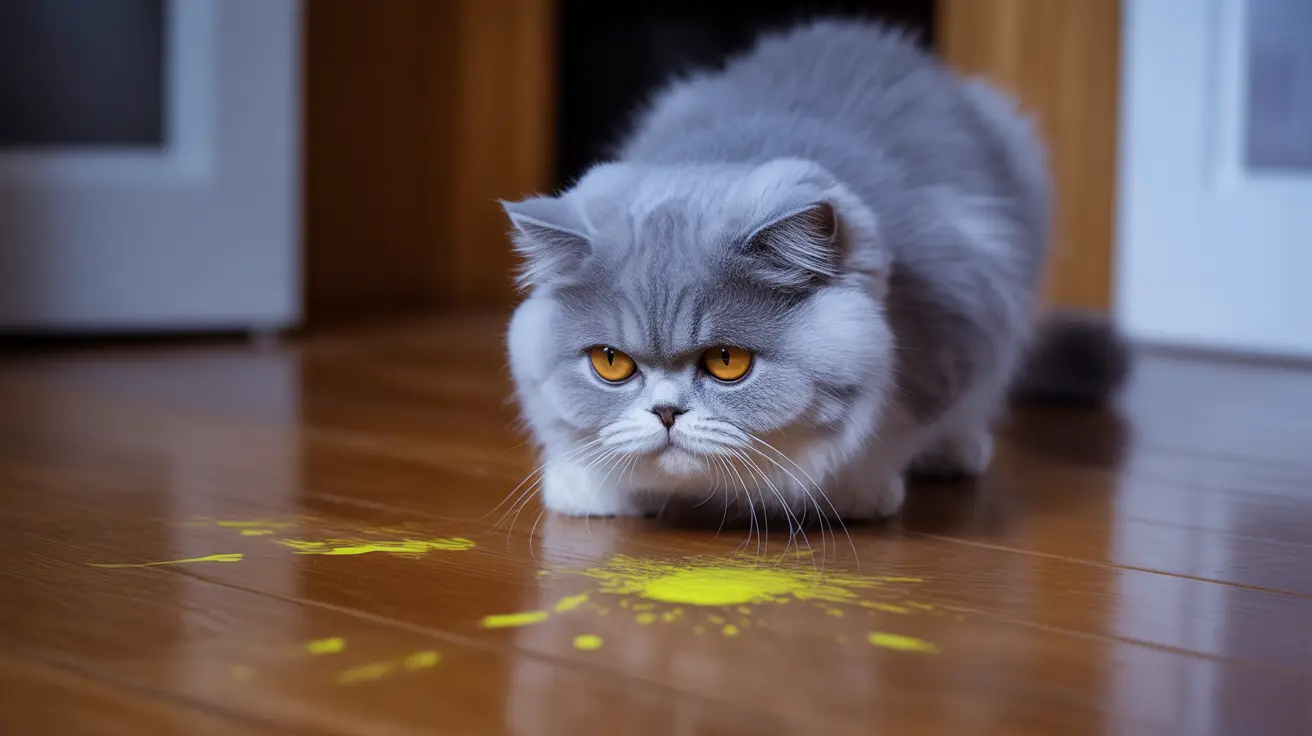
A black light is a simple tool that reveals hidden urine spots by making them glow in the dark. Turn off the lights and scan your wood floors with the black light in a dark room. You’ll notice bright yellow or greenish patches where urine has dried, even if you can’t see anything with your naked eye.
Many pet owners find this tool a game-changer. It shows you the full extent of the problem, including spots you might never suspect. Do you know all the places your cat visits? The black light will help you discover those secret urine zones.
Check For Visible Stains
Sometimes, urine leaves behind visible marks on wood floors, such as discoloration or darkened patches. These stains often indicate where the liquid has soaked deep into the wood. Look carefully around areas your cat frequents, like near litter boxes or favorite resting spots.
Visible stains also hint at how long the urine has been there. Fresh stains may look wet or shiny, while older ones may appear dull or slightly raised. Have you noticed any strange spots or changes in your floor’s finish? These could be signs of urine damage needing urgent attention.
Prepare Cleaning Materials
Preparing the right cleaning materials is essential for removing cat urine odor from wood floors. The right products help eliminate the smell without damaging the wood. Gather all necessary items before starting to clean. This saves time and ensures a thorough job.
Gather Enzymatic Cleaners
Enzymatic cleaners break down urine molecules effectively. They target the source of the odor, not just mask it. Choose a cleaner made specifically for pet urine. Check labels for safety on wood surfaces. Having this cleaner ready makes the cleaning process easier and more effective.
Select Safe Household Ingredients
Some household ingredients can help remove odors safely. Use white vinegar, baking soda, and mild dish soap. Avoid harsh chemicals that can damage wood or finish. Mix vinegar with water for a gentle cleaning solution. Baking soda helps absorb lingering smells. Keep these ingredients handy for spot treatments and follow-up cleaning.
Initial Cleaning Steps
Dealing with cat urine on wood floors can be tricky, but the right initial cleaning steps make a big difference. Acting quickly helps prevent the odor from settling deep into the wood. Your first moves set the stage for a thorough and effective cleanup.
Blot Excess Urine
Start by blotting up as much urine as possible using paper towels or a clean cloth. Press gently to soak up the liquid without pushing it further into the wood. You might need several layers of towels to absorb the moisture completely.
Have you noticed that some towels work better than others? Thick, absorbent towels like microfiber can make this step easier and more effective. Avoid using colored cloths that might bleed onto your floor.
Avoid Rubbing To Prevent Spread
Rubbing the urine spot can push the liquid deeper into the wood grain and spread the stain wider. Instead, stick to blotting motions that lift the urine away. This careful approach helps contain the problem.
Think about how spreading the liquid might affect your cleanup later. Keeping the affected area confined saves you time and effort in the next steps. The goal is to limit the damage as much as possible right from the start.
Apply Enzymatic Cleaner
Applying an enzymatic cleaner is one of the most effective ways to remove cat urine odor from wood floors. These cleaners contain natural enzymes that break down the uric acid crystals responsible for the persistent smell. Unlike regular cleaners that mask odors, enzymatic cleaners target the source, helping to restore freshness to your home.
Follow Product Instructions
Each enzymatic cleaner has specific directions tailored to its formula. You need to carefully read and follow these instructions to get the best results. For example, some products require dilution with water, while others are ready to use straight from the bottle.
Using too much or too little can reduce effectiveness. Pay attention to how much cleaner to apply and whether you need to rinse afterward. Have you ever tried cleaning without reading the label only to find the smell still lingers? Following instructions closely prevents that frustration.
Allow Proper Dwell Time
After applying the enzymatic cleaner, it's crucial to let it sit on the affected area long enough to work. This dwell time allows enzymes to break down the odor-causing molecules deeply embedded in the wood. Rushing this step often means the smell will return.
Most products suggest leaving the cleaner for at least 10 to 15 minutes, but some may require longer—sometimes even overnight. Make sure you keep the area undisturbed during this period. Think about it: can you expect a stain remover to work instantly without some waiting? Patience here pays off.
Use Natural Remedies
Removing cat urine odor from wood floors doesn’t have to involve harsh chemicals. Natural remedies offer a gentle yet effective way to tackle the smell without damaging your wood. These solutions are often already in your kitchen, making them convenient and budget-friendly.
Apply Vinegar Solution
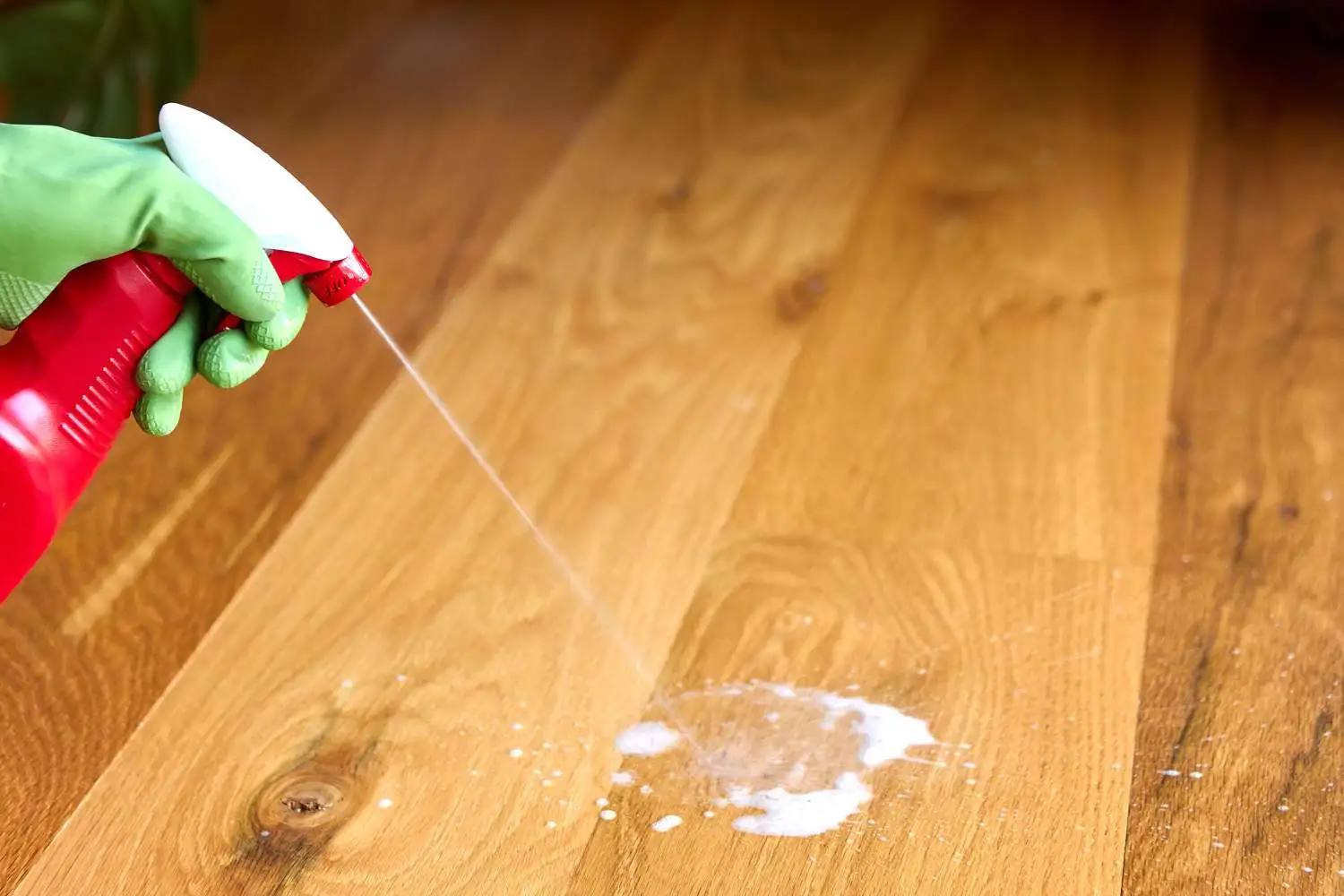
Vinegar is a powerful natural deodorizer and disinfectant. Mix equal parts white vinegar and water in a spray bottle. Spray the solution directly onto the affected area and let it sit for 5 to 10 minutes.
Afterward, wipe the floor with a clean cloth and allow it to air dry. Vinegar breaks down the uric acid crystals that cause odor, making it easier to remove the smell completely. Have you noticed how vinegar’s sharp scent disappears quickly, leaving no trace behind?
Try Baking Soda Treatment
Baking soda is excellent at absorbing odors from wood floors. After cleaning the area with the vinegar solution, sprinkle a generous layer of baking soda over the spot. Let it sit overnight to soak up any remaining smell.
The next day, vacuum or sweep up the baking soda thoroughly. This step not only neutralizes odors but also helps lift any residual moisture. Do you find it surprising how simple ingredients like baking soda can refresh your floors so effectively?

Credit: www.reddit.com
Deep Cleaning Techniques
Deep cleaning techniques help remove cat urine odor trapped deep in wood floors. Surface cleaning often misses the smell inside the wood grain. This section covers ways to treat stubborn odors with more thorough methods.
Light Sanding For Stubborn Odors
Light sanding removes the top layer of wood where urine has soaked in. Use fine-grit sandpaper and sand gently. Focus on the affected area only. Sanding exposes fresh wood, eliminating the trapped odor. Clean dust with a vacuum or damp cloth afterward. Take care not to damage the floor finish beyond the problem spot.
Refinish Affected Areas
After sanding, refinishing seals the wood and prevents odors from returning. Choose a finish that matches your floor’s original look. Apply a wood sealer or polyurethane with a brush or cloth. Allow the finish to dry completely before walking on it. Refinishing also restores the floor’s shine and protects against future stains.
Prevent Future Incidents
Stopping cat urine odor from coming back means more than just cleaning up—it requires changing habits and environment. You want to help your cat feel comfortable and reduce the chances of accidents on your wood floors. Let’s look at some practical steps you can take to keep your floors fresh and your cat happy.
Train Your Cat
Teaching your cat where to go is key to avoiding future stains. Use positive reinforcement like treats or praise whenever your cat uses the litter box correctly. If your cat has accidents outside the box, gently redirect them back to the litter area without punishment.
Sometimes, cats avoid the litter box because of its location or type. Try moving the box to a quiet, accessible spot and experiment with different litter textures to find what your cat prefers. Have you noticed your cat acting restless or sniffing around certain areas? That might be a sign it’s time to adjust your training approach.
Maintain Clean Litter Boxes
A dirty litter box is a common reason cats choose other spots for their bathroom needs. Scoop waste daily and change the litter regularly to keep the box inviting. Clean the box with mild soap and water weekly to remove odors that might drive your cat away.
Consider the number of litter boxes in your home. The general rule is one box per cat plus one extra. This reduces crowding and territorial issues, which can lead to accidents. Have you checked recently if your cat’s litter boxes meet these standards?
When To Seek Professional Help
Knowing when to ask for professional help can save your wood floors and your sanity. Some cat urine odors are stubborn and may indicate deeper issues beneath the surface. Recognizing the signs early can prevent permanent damage and costly repairs.
Persistent Odor Cases
If you’ve tried multiple cleaning products and the smell just won’t go away, it might be time to call a pro. Cat urine can seep into tiny cracks and layers of wood, where household cleaners can’t reach. Professionals have specialized equipment like ozone treatments or enzymatic cleaners that penetrate deeply and neutralize odors effectively.
Have you noticed the odor returning even after thorough cleaning? Persistent smells often mean the urine has soaked into the subfloor or wood finish. Ignoring this can make the problem worse over time.
Floor Damage Concerns
Urine doesn’t just stink; it can cause visible damage to your wood floors. If you see warping, discoloration, or finish peeling, your floors need expert attention. Attempting DIY fixes on damaged wood might worsen the issue or ruin the finish completely.
Professionals assess the extent of the damage and suggest appropriate solutions, whether it’s sanding, refinishing, or replacing affected sections. Would you want to risk making your floor look worse by rushing a fix?

Credit: www.reddit.com
Frequently Asked Questions
How To Quickly Remove Cat Urine Smell From Wood Floors?
To quickly remove cat urine odor, blot the area immediately. Use an enzymatic cleaner designed for pet stains. Avoid harsh chemicals that can damage wood. Proper ventilation helps speed up odor removal and drying.
What Household Products Remove Cat Urine Odor On Wood?
White vinegar and baking soda are effective household options. Vinegar neutralizes ammonia in urine, and baking soda absorbs lingering smells. Apply vinegar solution, then sprinkle baking soda after drying for best results.
Can I Use Bleach To Clean Cat Urine On Wood Floors?
No, bleach is not recommended for wood floors. It can damage the finish and wood fibers. Instead, use enzymatic cleaners specifically formulated for pet urine on wood surfaces.
How Long Does Cat Urine Odor Last On Wood Floors?
If untreated, cat urine odor can last weeks or months. Wood absorbs urine deeply, making odor persistent. Immediate cleaning is essential to prevent long-term smell retention.
Conclusion
Removing cat urine odor from wood floors is manageable. Start with quick cleanup. Use vinegar or baking soda. These neutralize odors effectively. Enzymatic cleaners break down lingering smells. Dry floors thoroughly to prevent damage. Consistency is key. Regular cleaning ensures fresh-smelling floors.
Patience helps too. Gradually, odors will fade. Remember to keep the litter box clean. This reduces accidents. Happy, odor-free homes are possible. Follow these steps for success. Your wood floors will thank you. Enjoy a fresher living space.