Are you tired of that persistent cat urine odor lingering in your home? You're not alone.
Many pet owners face the challenge of erasing unpleasant smells from concrete surfaces. Whether it's in your garage, basement, or patio, the stubborn scent can be frustrating. But don't worry, there's hope! In this guide, we'll reveal simple yet effective strategies to tackle the odor for good.
Imagine walking into a fresh, clean space without the hint of that nagging smell. Intrigued? Let's dive in and discover how you can reclaim the freshness of your home effortlessly.
Why Cat Urine Smells On Concrete
Cat urine odor on concrete can be stubborn and unpleasant. Understanding why it smells so strongly can help you tackle the problem more effectively. The odor doesn’t just come from the surface; it’s a chemical reaction combined with the nature of concrete itself that makes the smell linger.
Chemical Composition Of Cat Urine
Cat urine contains several compounds that cause the strong smell. One key player is ammonia, which forms when the urine breaks down. Ammonia has a sharp, pungent odor that can irritate your nose immediately.
Another culprit is urea, which quickly decomposes into ammonia and other nitrogenous compounds. These chemicals react with bacteria, producing even stronger smells over time. This means fresh urine might not smell as bad as old, dried urine.
Have you noticed how the smell seems to get worse the longer it sits? That’s because these chemical reactions continue, making the odor more intense and harder to remove.
Porosity Of Concrete Surfaces
Concrete is naturally porous, full of tiny holes and cracks. When cat urine hits the surface, it seeps deep into these pores instead of just sitting on top. This makes cleaning more challenging because the urine isn’t just on the surface—it’s trapped inside the material.
Even if you wipe the surface quickly, the urine inside the pores can continue to release odor for days or weeks. This is why simple cleaning methods often fail to eliminate the smell completely.
Have you ever tried cleaning concrete and still smelled urine afterward? That’s the porous nature of concrete working against you, holding onto the odor like a sponge. Understanding this can help you choose products and techniques that penetrate deeper to neutralize the smell effectively.
Immediate Actions To Take
Taking quick action after cat urine hits concrete is crucial. The longer the urine stays, the harder it becomes to remove the smell. Acting fast limits odor buildup and stains.
Here are two important steps to tackle fresh cat urine on concrete surfaces.
Blotting Fresh Urine
Use paper towels or a clean cloth to blot the urine. Press gently to absorb as much liquid as possible. Avoid rubbing. Rubbing spreads the urine deeper into the concrete pores. Change towels frequently to keep absorbing more moisture.
Avoiding Water Spread
Do not pour water directly on the urine stain. Water can push urine deeper into the concrete. This makes odor removal difficult. Instead, use a damp cloth to gently blot the area if needed. Limit moisture to prevent spreading the problem.
Effective Cleaning Solutions
Removing cat urine odor from concrete requires effective cleaning solutions that target the source. Concrete is porous, so urine seeps deep inside. Simple cleaning may not be enough to eliminate the smell completely.
Choosing the right cleaning product can make a big difference. Some solutions break down odor-causing compounds, while others mask the smell temporarily. The best cleaners remove both the stain and odor.
Using Enzymatic Cleaners
Enzymatic cleaners use natural enzymes to break down urine proteins. These enzymes digest the organic matter causing the smell. They work deep inside the concrete pores. Enzymatic cleaners are safe for pets and humans. Apply generously and let it sit for at least 10 minutes. Rinse the area well after treatment. Repeat if the odor persists.
Homemade Remedies
Homemade remedies are a budget-friendly option for odor removal. A mixture of white vinegar and water helps neutralize ammonia in urine. Baking soda absorbs moisture and odors effectively. Combine vinegar and baking soda for a powerful cleaning paste. Apply it to the stained area and scrub gently. Let it dry completely before rinsing. These remedies may require several applications.
Commercial Products
Commercial products designed for pet urine offer strong cleaning power. Look for products labeled for use on concrete. Many contain odor neutralizers and stain removers. Follow product instructions carefully for best results. Test on a small area first to avoid damage. Products with bleach or harsh chemicals can damage concrete. Choose pet-safe formulas to protect your furry friends.

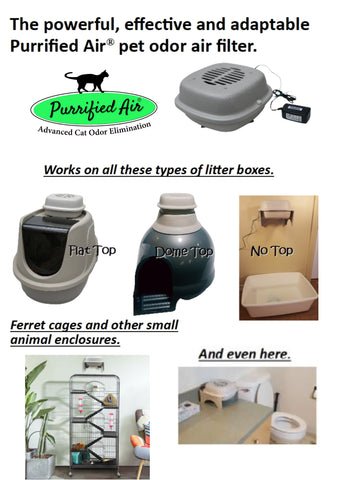
Credit: www.amazon.ca
Cleaning Techniques For Concrete
Removing cat urine odor from concrete requires more than just wiping the surface. Concrete is porous, so urine can seep deep inside, making the smell tough to eliminate. The right cleaning techniques target both the surface and the hidden layers, ensuring your space feels fresh again.
Scrubbing Methods
Start by mixing a cleaning solution with warm water and a mild detergent or enzymatic cleaner designed for pet stains. Use a stiff-bristle brush to scrub the affected area thoroughly. Scrubbing helps break down the urine crystals trapped in the concrete pores.
Don’t rush this step. Spend at least 5–10 minutes scrubbing to agitate the surface deeply. You’ll notice the cleaner working when the stain starts to lift and the odor begins to fade.
Soaking And Rinsing
After scrubbing, soak the concrete with clean water to flush out the loosened urine residues. You can use a sponge or a mop to apply water generously. Let the water sit for a few minutes to penetrate and dissolve remaining odor particles.
Rinse the area multiple times until the water runs clear. This step is crucial because leftover cleaning agents can attract dirt or cause discoloration. Have you ever noticed a faint smell lingering after cleaning? That’s often from insufficient rinsing.
Pressure Washing Tips
Pressure washing can be highly effective for outdoor concrete areas. Use a pressure washer set to a medium pressure to avoid damaging the surface. Keep the nozzle at least 12 inches away and move it steadily to cover all spots evenly.
If you combine pressure washing with an enzymatic cleaner, spray the solution first and let it sit for 10–15 minutes before washing. This combination loosens embedded urine and neutralizes odor better than water alone. Have you tried pressure washing your concrete yet? It might surprise you how well it restores the surface.
Preventing Future Odors
Preventing future cat urine odors on concrete is just as important as removing existing smells. Once you’ve cleaned thoroughly, taking steps to block new odors saves time and keeps your space fresh. Think of it as creating a barrier that stops the problem before it starts.
Sealing Concrete
Sealing your concrete is a smart move. A good concrete sealer fills pores and cracks, making it harder for urine to soak in and cause odors.
You can find sealers at hardware stores—choose one that’s specifically designed for concrete and is non-toxic if pets will be nearby. Apply it evenly and let it dry completely before allowing any foot traffic or pets on the surface.
Have you ever noticed how sealed floors repel stains better? This is why sealing works well to keep urine from penetrating deep into the concrete.
Deterring Cats From Marking
Stopping cats from marking concrete again is key. Cats often choose the same spots out of habit or because they detect previous scents.
Try using natural deterrents like citrus peels or vinegar sprays around the area. Cats dislike these smells and will usually avoid the spot.
Another option is to place physical barriers such as outdoor mats or plants. These block access and make the area less appealing to your feline friend.
Regular Maintenance
Keeping up with regular cleaning helps prevent odors from building up over time. Even if you don’t see visible stains, small accidents can leave behind ammonia smells.
Wipe down the concrete weekly with a mild detergent and water. For extra protection, spray an enzyme cleaner monthly to break down any organic residues before they become odor problems.
Have you noticed how a little effort every week can save you from bigger headaches later? Regular maintenance keeps your concrete smelling fresh and your home welcoming.
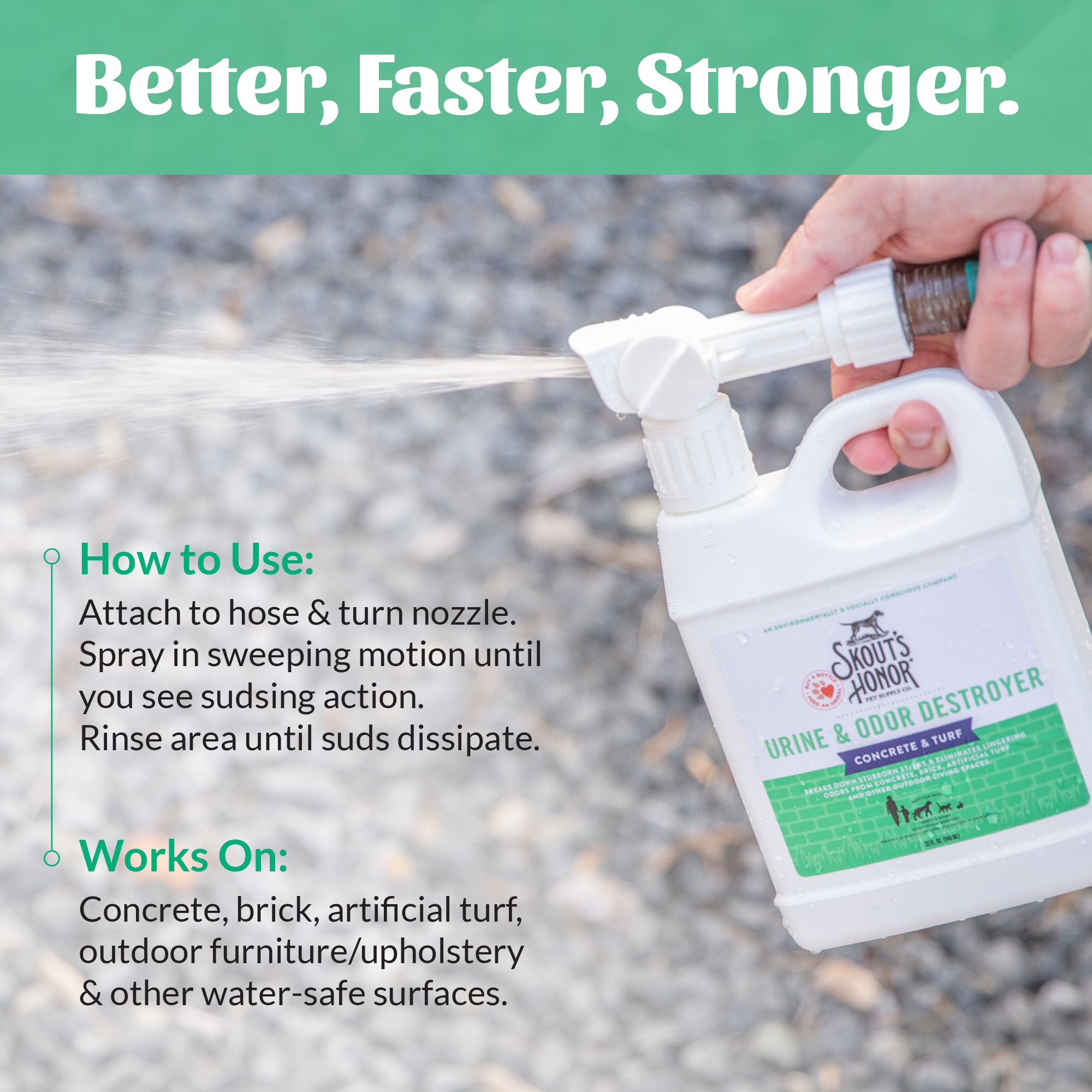
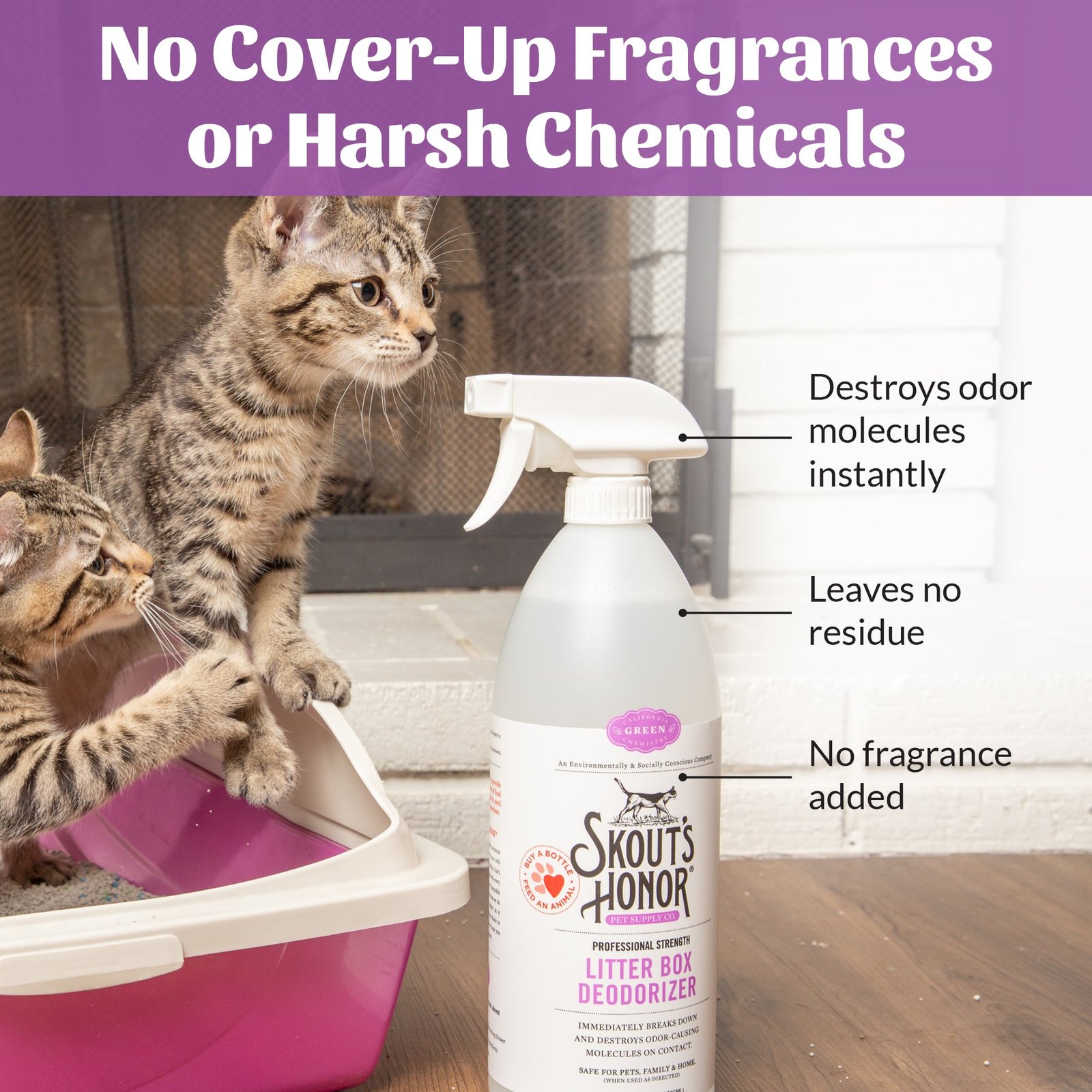
Credit: www.skoutshonor.com
When To Call A Professional
Cat urine odor on concrete can be tough to remove fully. Sometimes home cleaning methods do not work well. Knowing when to call a professional helps protect your space and health. Professionals have tools and knowledge to handle strong odors safely. They can save time and effort while restoring your concrete surface.
Persistent Odor Issues
Persistent odor means the smell stays even after cleaning. It often happens because urine soaks deep into the concrete. Regular cleaning products may only mask the smell temporarily. Professionals use special techniques to reach and remove trapped urine. Ignoring persistent odor can attract pets to urinate again in the same spot.
Specialized Cleaning Services
Specialized cleaning services offer advanced odor removal solutions. They use enzymes and treatments that break down urine molecules. These services include deep cleaning, sealing, and deodorizing concrete surfaces. Professionals also provide advice to prevent future accidents. Their work ensures your concrete stays clean and odor-free for longer.

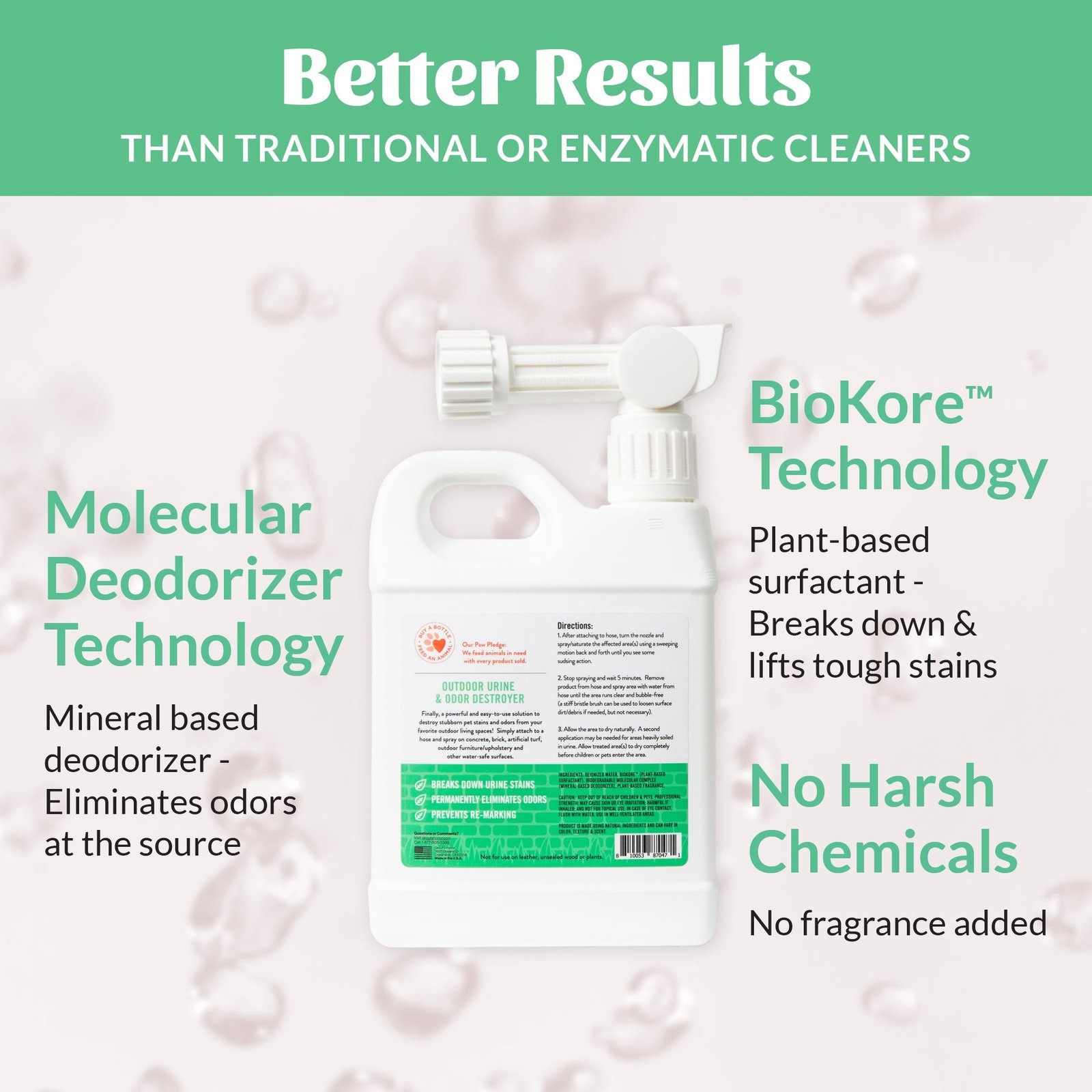
Credit: smart.dhgate.com
Frequently Asked Questions
How To Effectively Remove Cat Urine Odor From Concrete?
Use an enzymatic cleaner designed for pet stains. Apply it generously, scrub gently, and let it sit for 10-15 minutes. Rinse with water and repeat if needed. This breaks down odor-causing molecules, ensuring long-lasting odor removal.
Can Baking Soda Eliminate Cat Urine Smell On Concrete?
Baking soda helps absorb mild odors but won't fully remove cat urine smell. It’s best combined with vinegar or enzymatic cleaners for deep cleaning. Baking soda is a good natural deodorizer but not enough alone for concrete stains.
Is Vinegar Safe To Clean Cat Urine On Concrete?
Yes, vinegar is safe and effective for cleaning cat urine on concrete. It neutralizes ammonia in the urine, reducing odor. Mix equal parts vinegar and water, apply, scrub lightly, and rinse thoroughly for best results.
How Long Does Cat Urine Odor Last On Concrete?
Cat urine odor can last weeks or months on concrete without treatment. Concrete’s porous surface traps urine deeply, making odor persistent. Immediate cleaning with enzymatic products is crucial for quick and complete odor removal.
Conclusion
Removing cat urine odor from concrete takes patience and the right steps. Use cleaning products designed for pet stains. Act quickly to stop the smell from settling deep. Rinse the area well and let it dry completely. Repeat the process if the odor remains strong.
Clean concrete stays fresh and keeps your home pleasant. Small efforts make a big difference. Keep your space clean and odor-free for a happy home.