Are you struggling to put an e-collar on your dog? You're not alone.
Many pet owners find this task a bit daunting. Whether it's your first time or you've done it before, ensuring your furry friend is comfortable can be a challenge. But don't worry! With the right approach, you can make this process smooth and stress-free.
In this guide, you'll discover simple steps and tips that will not only help you effectively put on an e-collar but also keep your dog at ease. Stick with us, and by the end of this article, you'll feel confident and ready to tackle this task like a pro. Ready to learn how? Let's dive in!

Credit: www.walmart.com
Choosing The Right E Collar
Choosing the right E collar for your dog is crucial for both safety and effectiveness. The perfect fit and material can make all the difference in how your dog reacts and adjusts to wearing it. Let’s break down what you need to consider before making your choice.
Types Of E Collars
There are several types of E collars designed for different training needs and dog sizes. The most common include:
- Static Shock Collars:Deliver a mild electric stimulation to deter unwanted behavior.
- Vibration Collars:Use vibrations instead of shocks, ideal for sensitive or small dogs.
- Spray Collars:Release a harmless spray, like citronella, as a distraction.
- Ultrasonic Collars:Emit a high-pitched sound only dogs can hear, useful for distraction without physical stimulus.
Think about your dog’s temperament and size. Would a vibration collar suit a sensitive dog better? Or does your dog need a stronger correction tool? Your choice should match your dog’s behavior and your training goals.
Sizing Your Dog
Picking the right size is more than just a number on a box. An ill-fitting collar can cause discomfort or even injury. Measure your dog’s neck accurately—use a soft tape measure and add a couple of centimeters for comfort.
Consider the collar’s adjustability. Dogs grow, and weights fluctuate, so a collar that adjusts easily will give you flexibility over time. Remember, the collar should be snug but not tight; you should fit two fingers between the collar and your dog’s neck.
Material Considerations
The material of the collar affects your dog’s comfort and the collar’s durability. Nylon is lightweight and affordable but may cause skin irritation if worn too long. Leather collars are sturdy and comfortable but require maintenance and are usually pricier.
Look for collars with padding or soft lining for dogs with sensitive skin. Waterproof materials are a bonus if your dog loves water or outdoor adventures. Have you noticed your dog scratching or rubbing against furniture? It might be time to reevaluate the collar material.

Credit: www.amazon.com
Preparing Your Dog
Preparing your dog before putting on an E collar is essential for a smooth experience. Taking time to calm your dog and introduce the collar gently helps reduce stress. A relaxed dog learns faster and accepts the collar more easily. Start with small steps to build trust and comfort.
Calming Techniques
Choose a quiet place to avoid distractions. Speak softly and use gentle petting to soothe your dog. Deep, slow breaths from you can help your dog feel calmer. Try a short massage on their neck and shoulders. Offer treats to create a positive connection. Keep sessions short and positive to prevent anxiety.
Familiarizing With The Collar
Let your dog sniff and explore the E collar first. Place the collar near their food or favorite toy. Hold the collar and allow your dog to touch it with their nose. Reward calm behavior with treats and praise. Wear the collar yourself briefly to show it is safe. Repeat these steps daily until your dog shows no fear.
Step-by-step Application
Putting an E collar on your dog can feel tricky at first, but breaking it down into clear steps makes the process smooth and stress-free. You’ll want to ensure the collar is positioned correctly, fits securely, and feels comfortable for your furry friend. Let’s walk through how to do this with care and confidence.
Positioning The Collar
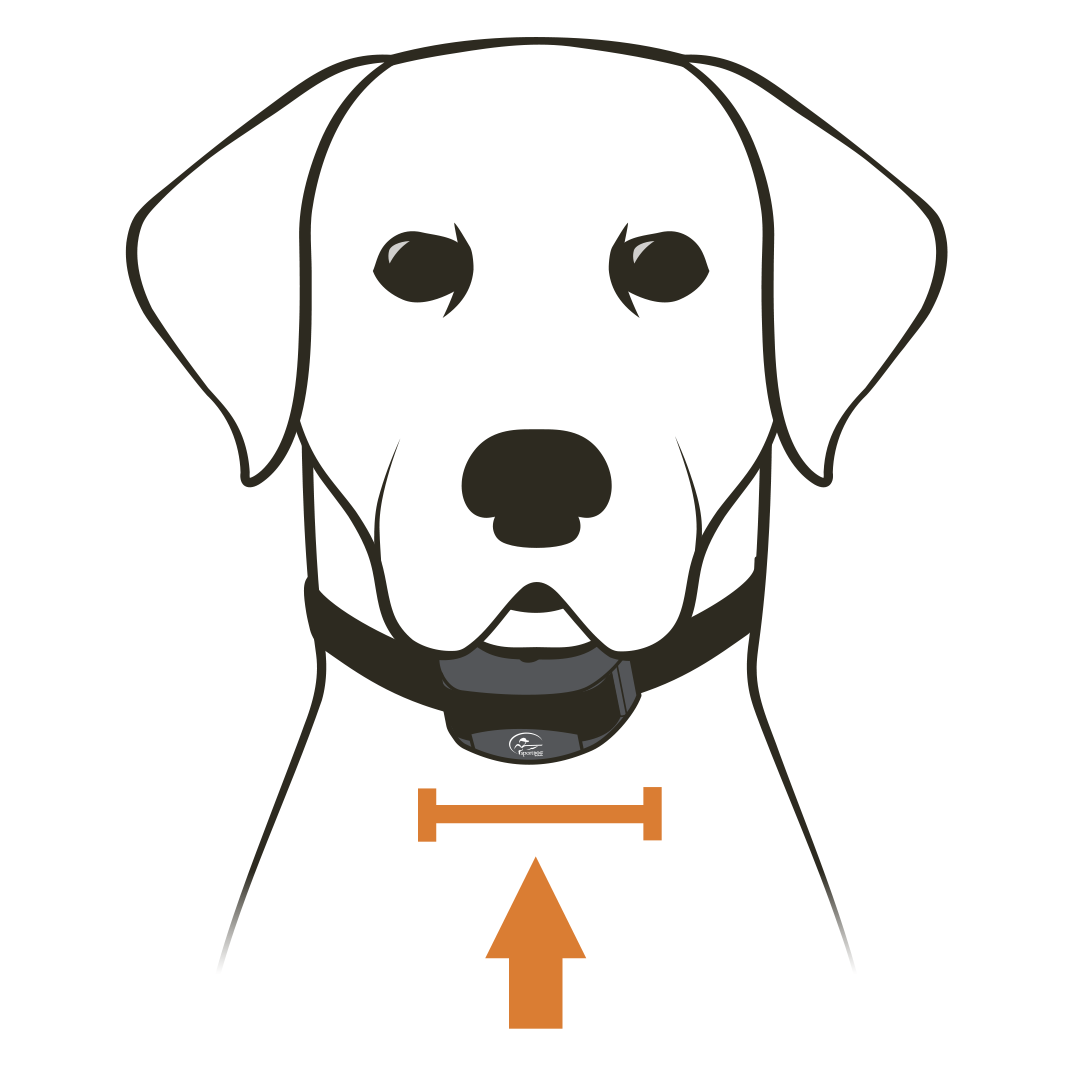
Start by gently placing the E collar around your dog’s neck. Make sure the wide part of the collar rests just behind the ears, not too high to cause discomfort and not too low to block breathing.
Hold the collar steady and observe how your dog reacts. If your dog seems uneasy, pause and soothe them before continuing. Positioning is key—if it’s off, your dog may try to remove it or become stressed.
Securing The Fit
Next, adjust the collar’s strap to fit snugly but not tightly. You should be able to slide two fingers comfortably between the collar and your dog’s neck.
- Too loose? The collar might slip off or shift, causing frustration.
- Too tight? It can choke or irritate your dog.
Think about your last time wearing something too tight—did it distract you? Your dog feels that too. Secure the collar with the buckle or fastener, ensuring it locks firmly.
Checking For Comfort
Once the collar is on, watch your dog closely for signs of discomfort. They might paw at the collar or try to rub it against furniture.
Give your dog a moment to move around. Does the collar restrict head movement or block vision? If yes, adjust the collar’s position or fit again.
Ask yourself: Would you want to wear something that blocks your view or feels heavy? Your dog deserves the same comfort while healing or training.

Credit: www.amazon.com
Adjusting And Monitoring
Adjusting and monitoring your dog's E collar is just as important as putting it on correctly. An ill-fitting collar can cause discomfort or even harm your pet. Staying attentive to how your dog reacts and feels will help keep them safe and comfortable during use.
Ensuring Proper Fit Over Time
Your dog's size and shape can change, so regularly check the collar’s fit. It should be snug enough to stay in place but loose enough to allow two fingers between the collar and your dog's neck. Too tight can cause chafing; too loose means it won't work properly.
Try adjusting the collar after a few days of wear. Is it sliding around or leaving marks? If yes, make small adjustments immediately. Remember, collars that worked last week might not fit well today.
Watching For Irritation
Keep an eye on your dog's neck for redness, sores, or hair loss. These are signs the collar is irritating the skin. Also, notice if your dog is scratching more than usual or seems uncomfortable.
If you spot any irritation, remove the collar and give the skin time to heal. You might need to switch to a softer or padded collar. Your dog’s comfort should always come first.
When To Remove The Collar
Ask yourself: Is the collar still needed? If your dog is calm and no longer exhibiting unwanted behavior, it might be time to take it off. Prolonged use without purpose can cause unnecessary stress.
Remove the collar during meals, playtime, and sleep to give your dog breaks. This helps prevent irritation and lets your dog relax. Always supervise your dog when the collar is on to avoid accidents.
Tips For Success
Putting an E collar on your dog can feel challenging at first, but with the right approach, it becomes a smooth experience for both of you. These tips focus on building trust, managing your dog's reactions, and ensuring safety throughout the process. Let's dive into practical ways to make this easier and more effective.
Positive Reinforcement
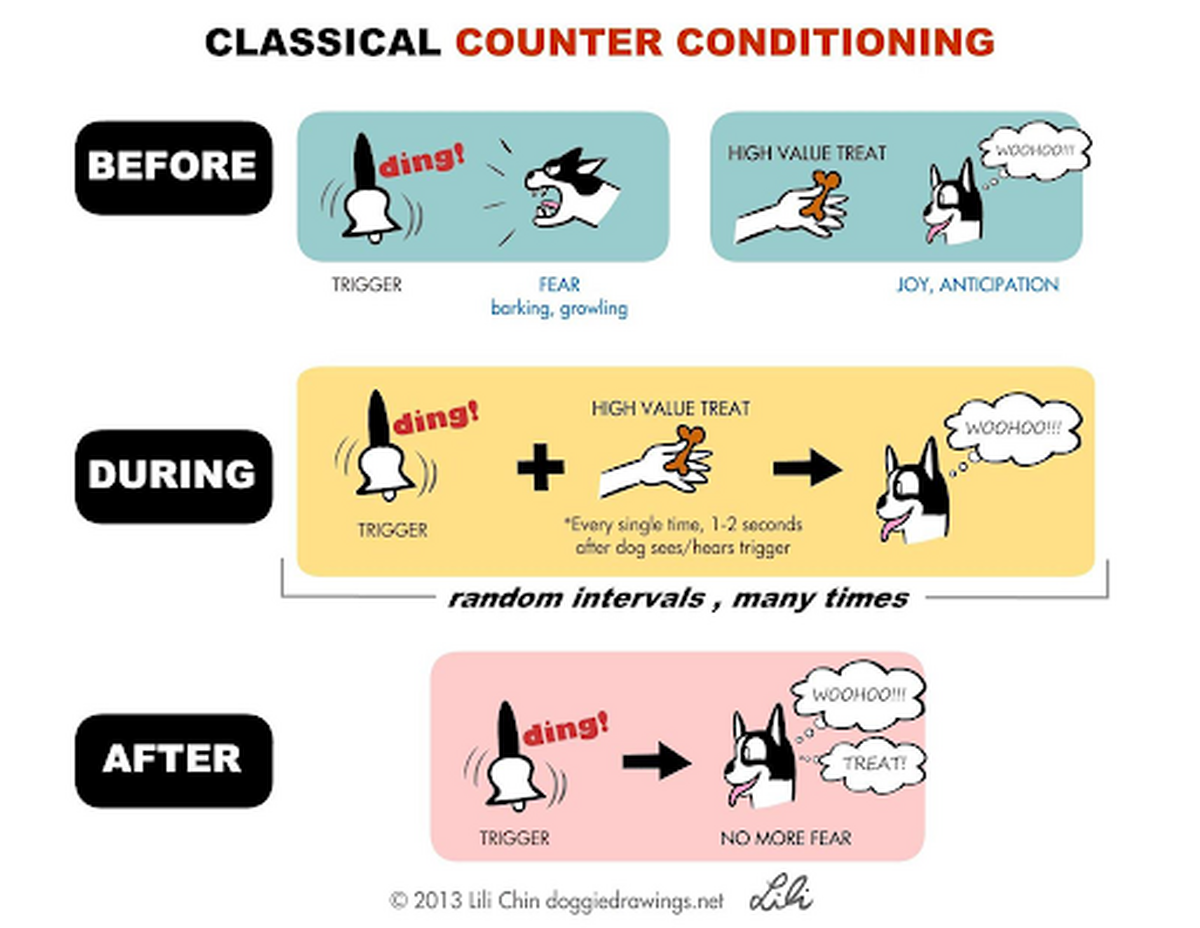
Use treats and praise to help your dog see the E collar as something good. Start by letting your dog sniff and explore the collar before trying to put it on. Reward calm behavior with a favorite snack or kind words.
This approach helps your dog associate the collar with positive moments instead of fear or discomfort. Have you noticed how your dog responds better when you stay cheerful and patient?
Handling Resistance
Dogs may resist wearing an E collar at first, which is normal. Instead of forcing it, try distracting your dog with a toy or gentle petting while slipping the collar on.
If your dog pulls away, pause and give them a moment to relax. Repeating small, calm steps rather than rushing can reduce stress for both of you.
Maintaining Safety
Always check the fit of the E collar to prevent injury. It should be snug enough to stay on but loose enough to fit two fingers underneath comfortably.
Keep an eye on your dog during the first few uses to ensure they don’t get caught on furniture or other objects. Safety is key to making the experience as stress-free as possible.
Frequently Asked Questions
How Do I Measure My Dog For An E Collar?
Measure your dog's neck circumference with a soft tape. Add two inches for comfort. This ensures the E collar fits properly without being too tight or loose.
When Should I Put An E Collar On My Dog?
Put on the E collar as soon as your vet recommends it. It helps prevent your dog from licking wounds or stitches, aiding faster healing and avoiding infections.
How Tight Should An E Collar Be On A Dog?
The E collar should be snug but not too tight. You should fit two fingers between the collar and your dog's neck for comfort and safety.
Can My Dog Eat And Drink With An E Collar?
Yes, most dogs can eat and drink with an E collar. Adjust the collar length if needed to allow easy access to food and water bowls.
Conclusion
Putting an E collar on your dog helps keep them safe and calm. Take your time to fit it correctly. Watch your dog’s reaction and comfort closely. Adjust the collar if it feels too tight or loose. Practice patience and speak softly to reassure your pet.
This tool aids healing and stops unwanted licking. Remember, your calm approach makes the process easier. With care, your dog will soon accept the collar. Small steps lead to better results every day.