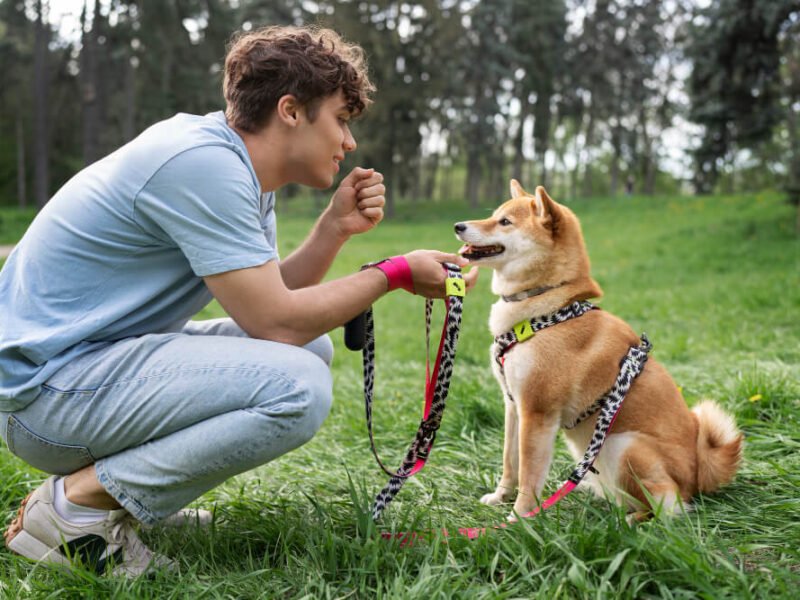
Getting your dog ready for a walk should be simple and stress-free. But if you’ve ever struggled with putting on a step-in dog harness, you know it can be tricky.
You want your furry friend to be comfortable and secure without wasting time or causing frustration. In this guide, you’ll learn easy, step-by-step tips to quickly and correctly put on a step-in dog harness every time. Keep reading, and you’ll turn this task into a smooth, enjoyable part of your daily routine.
Choosing The Right Step In Harness
Choosing the right step in harness for your dog is essential for both comfort and safety. A well-fitted harness makes walking easier and more enjoyable for your furry friend. Let’s look at what you should consider before making your choice.
Materials And Durability
Look for harnesses made from strong, durable materials like nylon or polyester. These fabrics resist wear and tear, especially if your dog loves to explore rough terrains. Padding on the inside also helps prevent chafing and adds extra comfort during long walks.
Have you noticed how some harnesses fade or fray quickly? Choosing quality materials saves you money and frustration in the long run. Waterproof or quick-drying fabrics are a bonus if your dog likes splashing around.
Sizing Your Dog
Getting the right size is critical for both comfort and control. Measure your dog’s chest and neck carefully, and check the manufacturer’s size chart before buying. A harness that’s too tight can cause discomfort, while one that’s too loose may allow your dog to slip out.
Remember, different brands may size differently, so always double-check. If your dog is between sizes, it’s often better to choose the larger size and then adjust the straps for a perfect fit.
Features To Look For
- Adjustability:Multiple adjustment points help you customize the fit to your dog’s shape.
- Easy to Put On:Step in harnesses should be simple to slip on and off without stressing your dog.
- Secure Fastenings:Look for sturdy buckles or clips that won’t accidentally open.
- Reflective Elements:These increase visibility during early morning or late evening walks.
- Handle:Some harnesses come with a handle on the back for extra control in tricky situations.
Have you tried a harness that’s tricky to put on or keeps slipping? Choosing one with these practical features can transform your daily walks into a stress-free experience for you and your dog.

Credit: www.youtube.com
Preparing Your Dog For The Harness
Preparing your dog for a step-in harness is a crucial part of the process. It sets the tone for how your dog will react to the harness and helps avoid stress or resistance. Taking the time to prepare your dog properly can make putting on the harness a smooth and even enjoyable experience for both of you.
Getting Your Dog Comfortable
Start by letting your dog see and sniff the harness. Hold it near your dog during calm moments so it becomes a familiar object rather than something scary. Try placing the harness on the ground during playtime or feeding to associate it with positive experiences.
Patience is key here. If your dog shows signs of anxiety, give them space and try again later. Think about how you felt the last time you tried on a tight or unfamiliar piece of clothing—your dog can feel something similar.
Using Treats And Positive Reinforcement
Use treats as a powerful tool to create a positive link with the harness. Every time your dog shows interest or stays calm around the harness, reward them immediately. This helps your dog understand that the harness is a source of good things.
Try to time your praise and treats perfectly. For example, if your dog allows you to place the harness near their legs, give a treat right away. This way, your dog will associate the action with something enjoyable and look forward to it next time.
Step By Step Harness Fitting
Fitting a step-in dog harness correctly ensures your dog stays safe and comfortable. The process is simple and quick once you know the right way to do it. Follow these steps to help your dog wear the harness without stress.
Positioning The Harness On The Ground
Lay the harness flat on the floor with the inside facing up. Make sure the harness forms a shape like a figure eight or an open loop. Place it near your dog’s front paws for easy access. Check that all straps and buckles are untangled and ready.
Encouraging Your Dog To Step In
Stand your dog over the harness calmly and gently lift one paw at a time. Guide both front paws into the loops of the harness. Use a calm voice and soft praise to encourage your dog. You can offer a treat to make stepping in a positive experience.
Securing The Straps
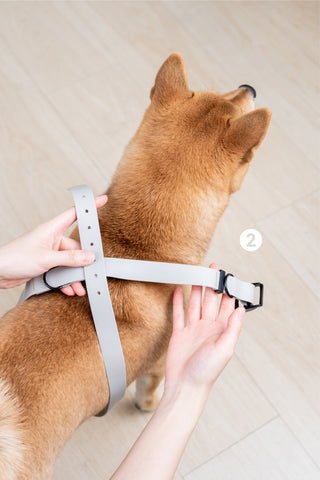
Once your dog’s paws are inside, bring the harness up and around the body. Clip the buckles together behind the dog’s back or chest, depending on the harness style. Make sure the clips snap securely. Double-check that no fur or skin is caught in the buckles.
Adjusting For Comfort And Safety
Adjust the straps to fit snugly but not tightly. You should be able to fit two fingers between the harness and your dog’s body. Check that the harness does not rub or pinch anywhere. Allow your dog to move and walk around to test comfort. Make final adjustments as needed.
Common Mistakes To Avoid
Putting on a step-in dog harness might seem straightforward, but many dog owners make simple mistakes that can cause discomfort or reduce the harness’s effectiveness. Avoiding these common errors ensures your dog stays safe and comfortable during every walk. Let’s look at some pitfalls to watch out for so you can get the fit just right.
Incorrect Strap Tightness
One of the biggest mistakes is setting the straps too loose or too tight. If the harness is too loose, your dog could slip out, risking an escape. Too tight, and it can rub against the skin, causing irritation or restricting movement.
Try the two-finger rule: you should be able to comfortably slide two fingers between the harness and your dog’s body. This balance keeps your dog secure but comfortable. Have you ever noticed your dog scratching at their harness? It might be a sign the straps need adjusting.
Wrong Harness Placement
Position matters. Placing the harness too far forward on the neck or too far back on the torso can cause chafing or limit your dog’s natural movement. The harness should sit just behind the front legs and lie flat against the chest.
Take a moment to observe how your dog moves once the harness is on. Does it stay in place, or does it shift awkwardly? A well-placed harness supports your dog without interfering with walking or running.
Ignoring Your Dog’s Behavior
Dogs communicate discomfort in subtle ways. If your dog resists putting on the harness, freezes, or tries to bite or scratch at it, they may be uncomfortable or scared. Ignoring these signs can make harness training harder and stressful for both of you.
Pay attention to your dog’s reactions and adjust accordingly. Sometimes, it’s not about the harness itself but how you introduce it. Could your dog benefit from gradual familiarization or positive reinforcement during harness time?
Maintenance And Care Tips
Keeping your step-in dog harness in good condition is essential for your pet’s comfort and safety. Proper maintenance not only extends the life of the harness but also ensures it performs well every time you use it. Let’s look at simple care tips that make a big difference.
Cleaning Your Harness
Regular cleaning prevents dirt and sweat buildup that can irritate your dog’s skin. Most step-in harnesses are machine washable, but check the label first. If washing by hand, use mild soap and warm water, then rinse thoroughly.
Dry the harness naturally—avoid direct sunlight or heat sources that could weaken the material. Have you noticed a funky smell after walks? That’s a clear sign your harness needs a wash.
Regular Fit Checks
Dogs grow, gain, or lose weight, so the fit of the harness can change over time. Check the fit before every walk to ensure it’s snug but not tight. You should be able to slide two fingers between the harness and your dog’s body comfortably.
Loose harnesses can cause chafing or allow your dog to slip out, while too-tight fits restrict movement. Have you ever adjusted your harness and noticed your dog walked more confidently? That’s the power of a good fit.
When To Replace The Harness
Even with proper care, harnesses don’t last forever. Look for signs like frayed straps, broken buckles, or fading fabric. If the harness no longer holds securely or shows visible damage, it’s time for a replacement.
Using a damaged harness is risky—your dog’s safety depends on it. Have you ever hesitated to replace an old harness? Remember, investing in a new one is investing in your dog’s well-being.
Credit: goobypet.reamaze.com

Credit: www.amazon.com
Frequently Asked Questions
How Do I Put On A Step In Dog Harness?
Start by loosening the harness straps. Place the harness on your dog’s back. Slip your dog’s legs through the designated openings. Secure the buckles and adjust straps for a snug fit. Ensure the harness is comfortable and not too tight.
What Size Step In Dog Harness Fits My Dog?
Measure your dog’s chest girth at the widest point. Compare measurements with the harness size chart. Choose a size that allows adjustment for comfort and growth. Proper fit prevents chafing and slipping during walks.
How To Adjust A Step In Dog Harness Properly?
Adjust straps to fit snugly but not tightly around the chest. You should fit two fingers between the harness and your dog’s body. Check all buckles are securely fastened. Proper adjustment ensures safety and comfort.
Can I Put A Step In Dog Harness On A Small Puppy?
Yes, many step-in harnesses come in small sizes suitable for puppies. Ensure the harness fits well without restricting movement. Regularly check and adjust as your puppy grows for continued comfort.
Conclusion
Putting on a step-in dog harness can be simple. Follow the steps carefully. Always ensure your dog feels comfortable. Adjust the straps for a snug fit. Remember, patience is key with pets. Practice makes perfect. Over time, both you and your dog will get used to it.
Enjoy your walks together. A well-fitted harness ensures safety. Your dog will thank you for it. Happy walking!