If you want to make walks with your dog easier and more enjoyable, knowing how to put on a Gentle Leader dog leash is a game changer. This special leash helps you control your dog gently, without pulling or tugging.
But if you’ve never used one before, it might seem tricky or confusing. Don’t worry—you’re about to learn a simple, step-by-step way to get it on quickly and comfortably for your furry friend. Keep reading to discover how this small change can make a big difference in your daily walks.

Credit: greensafaris.com
Choosing The Right Gentle Leader
Choosing the right Gentle Leader is key for your dog's comfort and safety. A proper fit ensures the leash works well and your dog stays calm. Pay close attention to size and material before buying one.
Sizing For Comfort
Measure your dog's snout carefully. The Gentle Leader should fit snugly but not tight. Use a soft tape measure around the widest part of the nose. Check the manufacturer's size chart for guidance.
The leash should not pinch or cause discomfort. Your dog should be able to open its mouth easily. Adjust straps to avoid slipping or rubbing. A good fit helps your dog accept the leash faster.
Material And Durability
Choose a Gentle Leader made from strong materials. Nylon and leather are common choices. Nylon is lightweight and easy to clean. Leather offers durability and a classic look.
Check for sturdy buckles and stitching. Weak parts can break under pressure. Durable materials last longer and handle pulling better. A well-made leash keeps your dog safe during walks.
Preparing Your Dog
Preparing your dog for the Gentle Leader leash is important. It helps your dog stay calm and comfortable. Take time to introduce the leash slowly. This reduces fear and builds trust. Patience is key during this stage.
Familiarizing With The Leash
Let your dog see and smell the Gentle Leader leash first. Hold it near your dog without putting it on. Allow your dog to explore it at their own pace. Try placing the leash on the ground during playtime. This creates a positive link with the leash. Avoid forcing the leash on too soon. Repeat these steps over a few days.
Positive Reinforcement Techniques
Use treats and praise to encourage your dog. Reward your dog each time they interact with the leash calmly. Speak softly to reassure your dog. Give treats when the leash is near the face and neck areas. This helps your dog accept the sensation. Keep sessions short and fun to maintain interest. Celebrate small wins to build confidence.
Fitting The Gentle Leader
Fitting the Gentle Leader correctly is key for your dog’s comfort and control. A proper fit prevents slipping and ensures gentle guidance. Taking time to adjust the leash right helps your dog walk calmly and safely.
Placing The Nose Loop
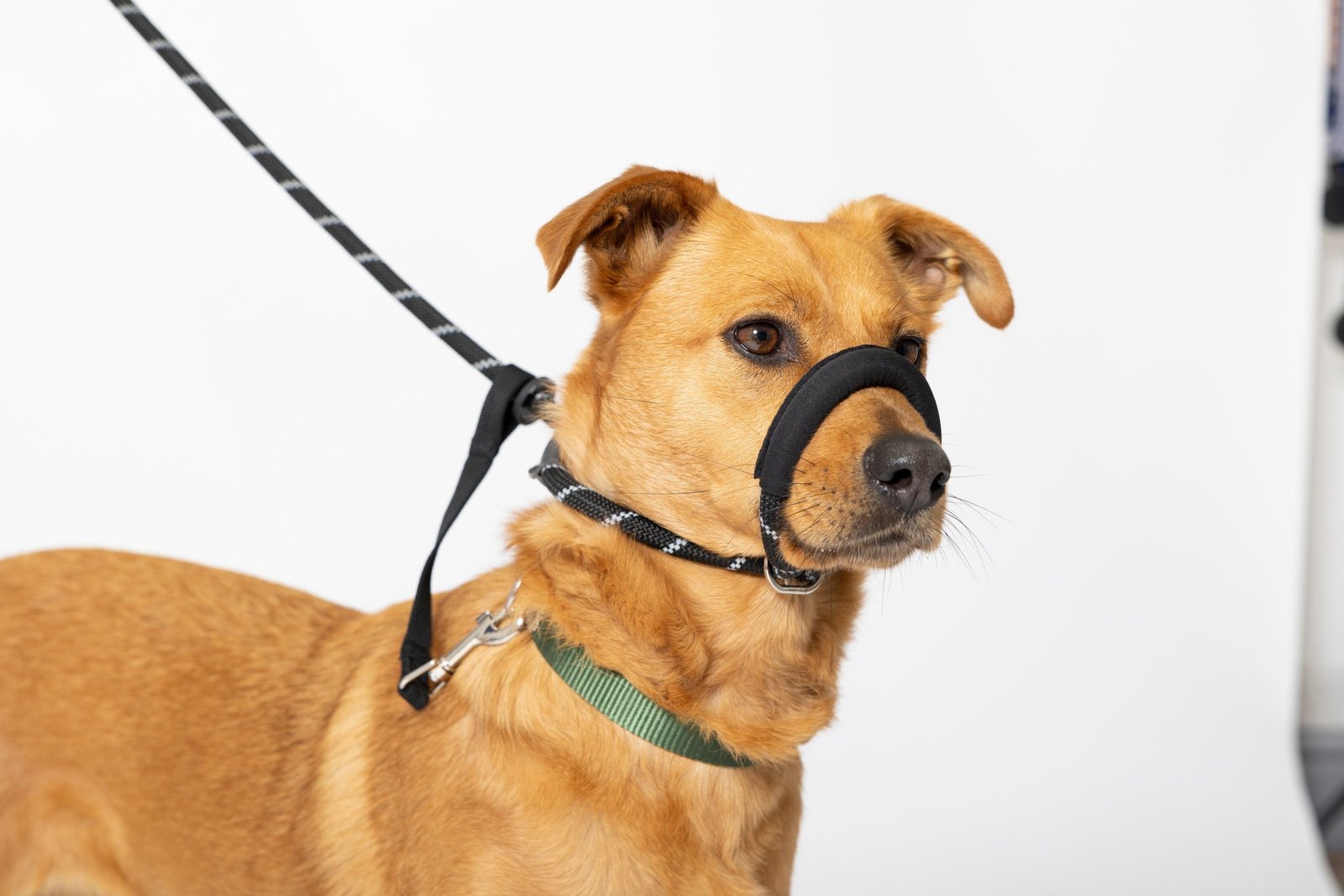
Start by holding the nose loop open. Gently slip it over your dog’s nose. The loop should sit high on the muzzle, just below the eyes. Make sure it rests comfortably without squeezing. Your dog should be able to open its mouth and pant easily.
Adjusting The Neck Strap
Next, place the neck strap behind your dog’s ears. It should sit snug but not tight. Adjust the strap so you can fit two fingers underneath. This keeps the leash secure without choking. Check that the clip attaches near the dog’s chest for best control.

Credit: www.ebay.com
Checking The Fit
Checking the fit of a Gentle Leader dog leash is essential for your dog's safety and comfort. A proper fit ensures the leash works well without causing pain or irritation. It also helps control your dog gently, making walks more enjoyable for both of you.
Ensuring Comfort
Start by placing the nose loop over your dog's snout. Adjust the strap behind the ears so it sits snugly but not tight. The leash should allow your dog to open their mouth and pant easily. Watch for any signs of discomfort like rubbing or chafing. Soft padding on the leash helps prevent skin irritation. Always check the fit after a few minutes of wear and adjust if needed.
Avoiding Common Mistakes
Do not make the leash too loose; it may slip off. Avoid pulling the strap too tight, as it can hurt your dog. Never place the nose loop too low on the snout. Do not leave the Gentle Leader on for too long without breaks. Check the leash regularly for wear and damage. Proper fitting prevents your dog from escaping and protects their skin.
Introducing The Leash On Walks
Introducing the Gentle Leader leash on walks can make a big difference in your dog's behavior. It helps guide your dog gently without causing stress. Take time to get your dog used to it slowly. Patience is key to a smooth transition.
Short Practice Sessions
Start with short walks to let your dog adjust. Keep these sessions under 10 minutes at first. Choose quiet places to avoid distractions. Let your dog explore calmly while wearing the Gentle Leader. Watch for signs of comfort or stress. Gradually increase walk time as your dog feels better.
Encouraging Calm Behavior
Use a soft voice to praise your dog during walks. Reward calm walking with treats or gentle petting. Avoid pulling or harsh corrections. Stay relaxed and confident to help your dog stay calm. If your dog pulls, stop walking until they relax. Calm behavior makes walks more enjoyable for both of you.

Credit: totalpet.com
Maintaining The Gentle Leader
Maintaining your Gentle Leader is key to keeping it effective and comfortable for your dog. It’s not just about cleanliness but also ensuring the fit stays right as your dog grows or changes. Taking time to care for the leash can prevent discomfort and improve your training results.
Cleaning Tips
Regular cleaning keeps the Gentle Leader fresh and free from dirt or oils that build up over time. Use mild soap and warm water to gently scrub the nylon straps and plastic parts.
Rinse thoroughly to remove all soap residue, then air dry completely before using it again. Avoid harsh chemicals or machine washing, which can weaken the material.
Have you noticed any smell or grime after walks? That’s your cue to clean it—keeping it hygienic protects your dog’s skin and prevents irritation.
Regular Fit Checks
Check the fit of the Gentle Leader often, especially if your dog is still growing or gaining weight. The nose loop should sit snugly but not too tight—allowing your dog to open their mouth and breathe easily.
Look for signs of chafing or redness around the nose and behind the ears. Adjust the straps to maintain a secure, comfortable fit without pinching.
Do you remember the last time you adjusted the fit? Even small changes in your dog’s size or fur thickness can affect how the Gentle Leader works. Staying on top of fit means fewer escapes and better control on walks.
Frequently Asked Questions
What Is A Gentle Leader Dog Leash?
A Gentle Leader is a head collar that gently controls your dog’s head. It reduces pulling by guiding your dog’s direction. This leash is ideal for training and managing strong or energetic dogs safely and effectively.
How Do You Put On A Gentle Leader Leash?
To put on a Gentle Leader, first place the nose loop over your dog’s nose. Then, slide the neck strap behind the ears and fasten the buckle. Adjust the fit to be snug but comfortable, allowing free movement without slipping off.
Can A Gentle Leader Leash Hurt My Dog?
No, a Gentle Leader is designed to be safe and gentle. It works by guiding the dog’s head, not choking or causing pain. Proper fitting and gradual training ensure comfort and prevent any harm to your dog.
How Do I Adjust The Gentle Leader For Comfort?
Adjust the nose loop to sit about 1-2 inches from your dog’s nose tip. The neck strap should be snug behind the ears but not tight. Regularly check and readjust to prevent rubbing or discomfort during walks.
Conclusion
Putting on a Gentle Leader leash is easy with practice. Follow simple steps for a smooth experience. Your dog will feel comfortable and secure. Consistency is key to success. Start slow and reward good behavior. Patience makes training effective. Build trust with your dog over time.
Enjoy walks without pulling or stress. A well-fitted leash ensures better control. Happy dogs make happy owners. Keep practicing for positive results. Your efforts will pay off. Walking your dog becomes a joyful routine. Embrace the bond you share. Now, you’re ready for any adventure together!